Which cooling solutions are compatible with heat sinks?
- Yongxing
- 11 Jul ,2026
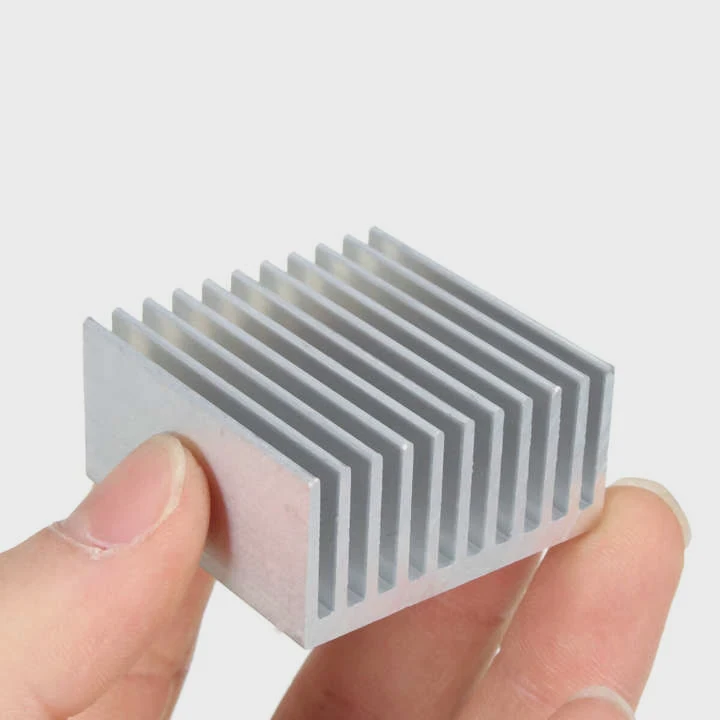
When electronic power levels increase, heat becomes a real limit. Devices fail or lose performance if thermal energy is not controlled well. Heat sinks are only one part of the system. Real performance depends on how other cooling methods support them.
This topic matters because modern electronics rarely rely on a single cooling method. Air, liquid, and hybrid systems often work together with heat sinks to keep temperature stable. The right combination decides system reliability and lifetime.
Heat sink compatibility is not fixed. It changes with power density, space limits, airflow design, and cost targets. Understanding these connections helps build better thermal systems from the start.
Do fans improve thermal performance?
Fans are one of the most common ways to improve heat sink performance. They increase airflow and help remove heat faster from metal fins. Without airflow, even a well-designed heat sink can reach a thermal limit quickly.
Fans improve thermal performance by reducing the boundary layer of hot air around the fins. This allows continuous heat exchange between the heat sink surface and the surrounding environment.
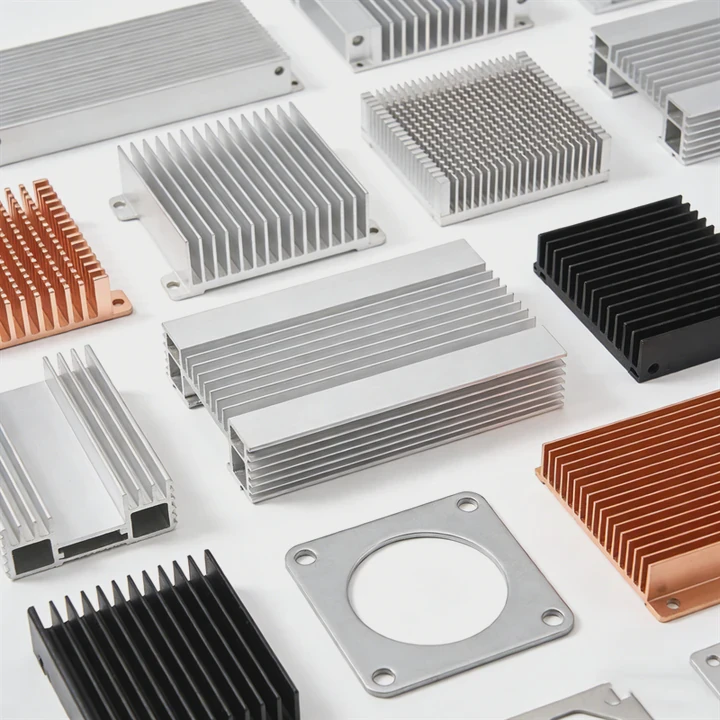
In real systems, forced air cooling is often the first upgrade after passive cooling. It is simple, low cost, and easy to integrate. However, fan performance depends on airflow direction, pressure capability, and dust conditions.
Key fan impact factors
| Factor | Effect on Heat Sink | Practical Result |
|---|---|---|
| Airflow volume | High impact | Faster heat removal |
| Static pressure | Medium impact | Better fin penetration |
| Fan placement | High impact | Even temperature distribution |
| Dust buildup | Negative impact | Reduced efficiency over time |
Fans also allow smaller heat sinks to perform like larger passive ones. This helps reduce system size. However, fans add noise, power consumption, and maintenance needs.
How fans interact with heat sink design
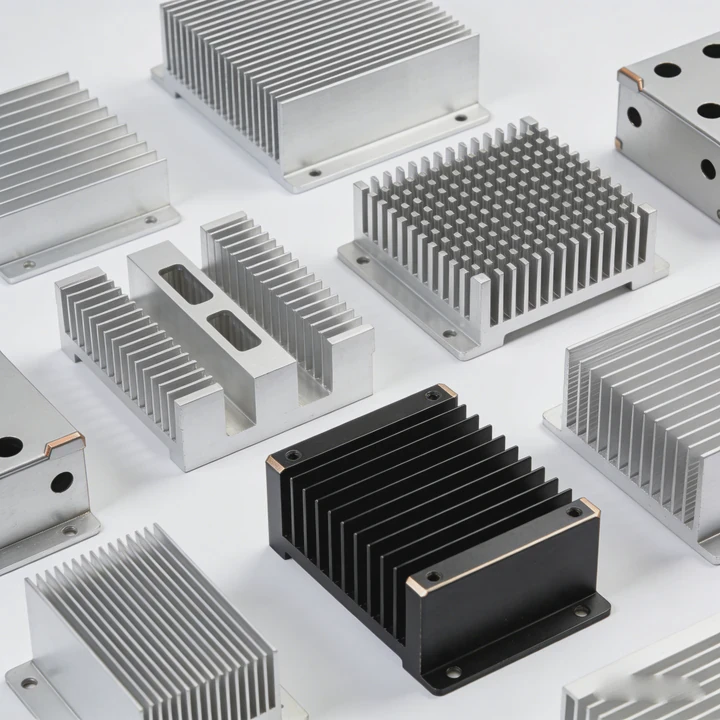
Heat sink design must match fan airflow. If fins are too dense, airflow cannot pass through. If fins are too sparse, surface area is wasted. Designers often balance fin spacing with fan curve performance.
Common system configurations
1. Axial fan + aluminum fin heat sink
This is the most common setup in computers and industrial controllers.
2. Blower fan + dense fin structure
This is used when airflow must be directed through narrow channels.
3. Dual fan push-pull setup
This increases airflow consistency and reduces hot spots.
Fan-based systems work best in environments where air is clean and temperature is moderate. In harsh environments, dust and humidity can reduce long-term stability. Even so, fans remain one of the most cost-effective upgrades for heat sink performance.
Are liquid cooling systems applicable?
Liquid cooling is used when air cooling is not enough. High-power electronics generate heat faster than air can remove it. In these cases, liquid systems become necessary.
Liquid cooling systems are highly compatible with heat sinks because they increase heat transfer efficiency and support high thermal loads.
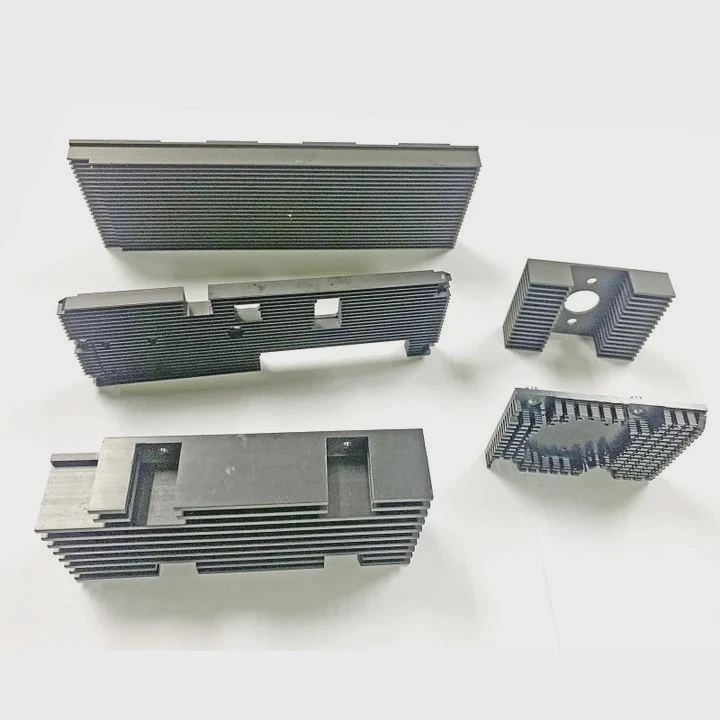
Liquid cooling works by transferring heat from a heat sink or cold plate into a fluid. The fluid carries heat away to a radiator where it is released into the air. This process allows much higher heat density handling compared to air systems.
Liquid cooling is common in data centers, electric vehicles, and high-power industrial systems. It is especially useful when space is limited but heat load is high.
Comparison of cooling methods
| Cooling Type | Heat Capacity | System Cost | Complexity | Use Case |
|---|---|---|---|---|
| Passive air | Low | Low | Simple | Low power electronics |
| Fan cooling | Medium | Low-Medium | Medium | General electronics |
| Liquid cooling | High | High | Complex | High power systems |
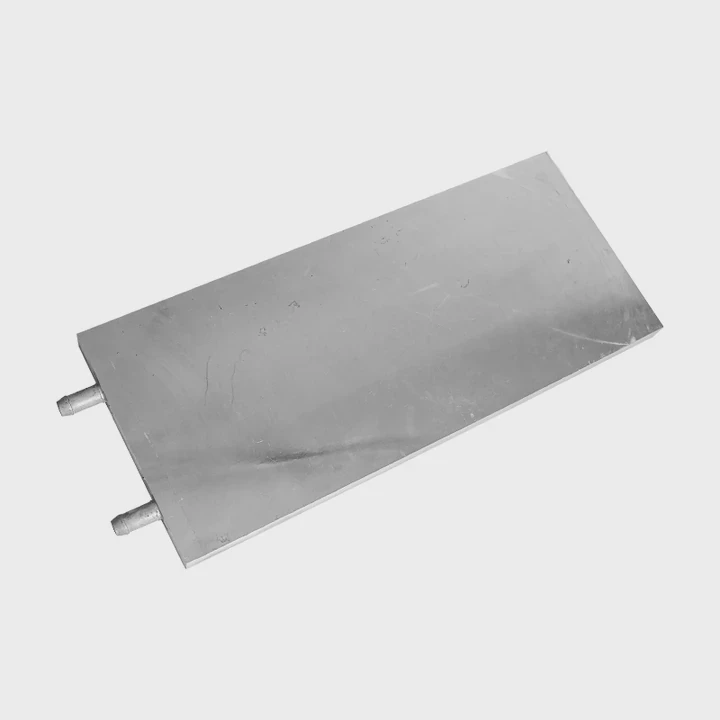
Liquid systems can connect directly to heat sinks through cold plates. In some designs, heat pipes or vapor chambers are integrated to spread heat before liquid removal.
Advantages of liquid cooling integration
1. High heat transfer efficiency
Liquid carries heat much better than air.
2. Stable thermal performance
Temperature rise is slower and more controlled.
3. Compact design potential
Smaller heat sinks can be used due to higher efficiency.
However, liquid systems also introduce risk. Leaks, pump failure, and maintenance complexity must be considered. System sealing and reliability testing become critical design steps.
In practice, liquid cooling is not a replacement for heat sinks. It works with them. The heat sink or cold plate remains the interface between the electronic component and the fluid system.
Can hybrid solutions be integrated?
Modern thermal systems often combine multiple cooling methods. Hybrid designs are widely used in high-performance electronics because single-method cooling is often not enough.
Hybrid cooling systems integrate heat sinks with fans, liquid loops, and heat pipes to maximize thermal efficiency.
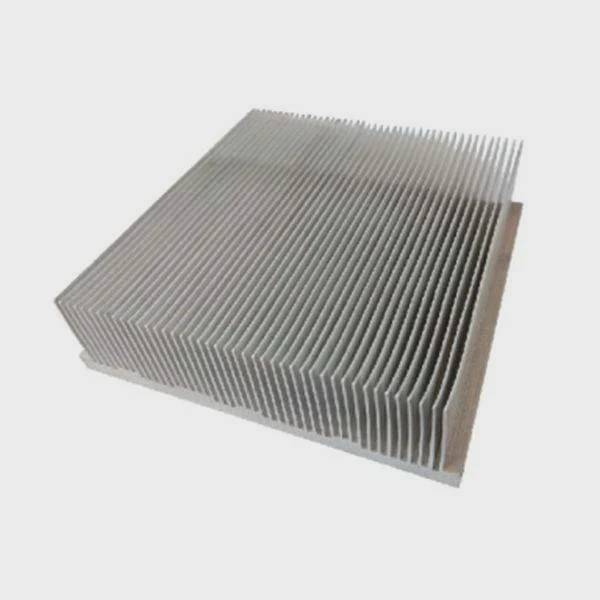
Hybrid systems are designed to handle variable loads. When power is low, passive or fan cooling is enough. When power spikes, liquid or advanced conduction paths take over.
Common hybrid combinations
| Hybrid Type | Structure | Strength |
|---|---|---|
| Heat sink + fan + heat pipe | Air-based enhanced system | Low cost + better spread |
| Cold plate + heat sink + liquid loop | Liquid-assisted system | High power handling |
| Vapor chamber + fin stack + fan | Compact high efficiency system | Stable temperature control |
Hybrid systems are often used in environments where load changes frequently. Examples include industrial drives, EV battery modules, and communication base stations.
Design logic behind hybrid cooling
1. Heat spreading first
Heat pipes or vapor chambers spread heat evenly.
2. Active removal second
Fans or liquid systems remove heat from spreader surfaces.
3. Stability control last
Control systems adjust speed or flow based on temperature sensors.
Hybrid integration requires careful mechanical design. Space, vibration, and maintenance access must all be considered. Each added layer increases performance but also increases system complexity.
Trade-offs in hybrid systems
Hybrid systems improve performance but also increase cost and design time. Engineers must balance efficiency with reliability. Over-design can lead to unnecessary cost without real benefit.
In many cases, hybrid systems are used only in high-value applications where thermal failure is not acceptable.
Which passive designs work best?
Passive cooling means no fans, pumps, or moving parts. Heat is removed only through natural convection and radiation. This method is silent and reliable but limited in performance.
Passive heat sink designs work best when they maximize surface area and natural airflow efficiency.
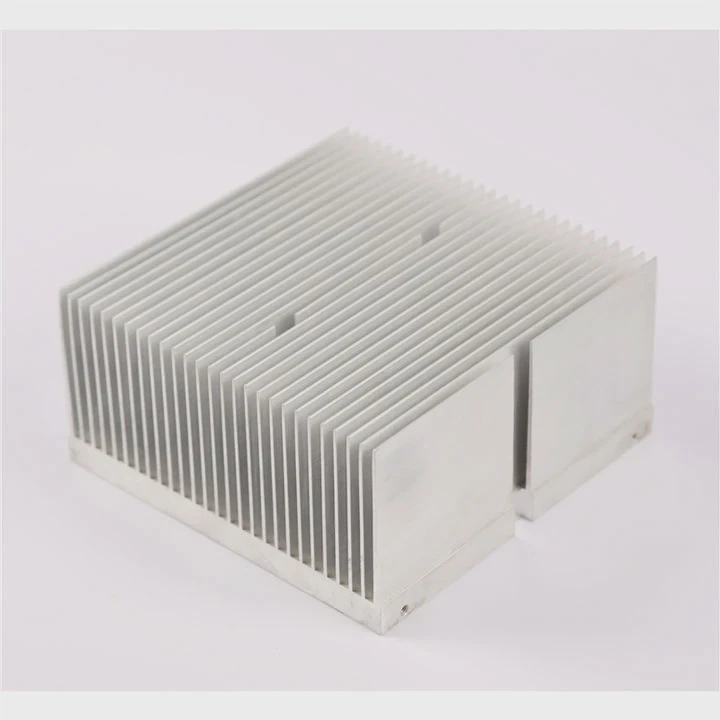
Passive systems are widely used in low-power electronics, LED lighting, and control modules. Their performance depends heavily on geometry and material choice.
Key passive design types
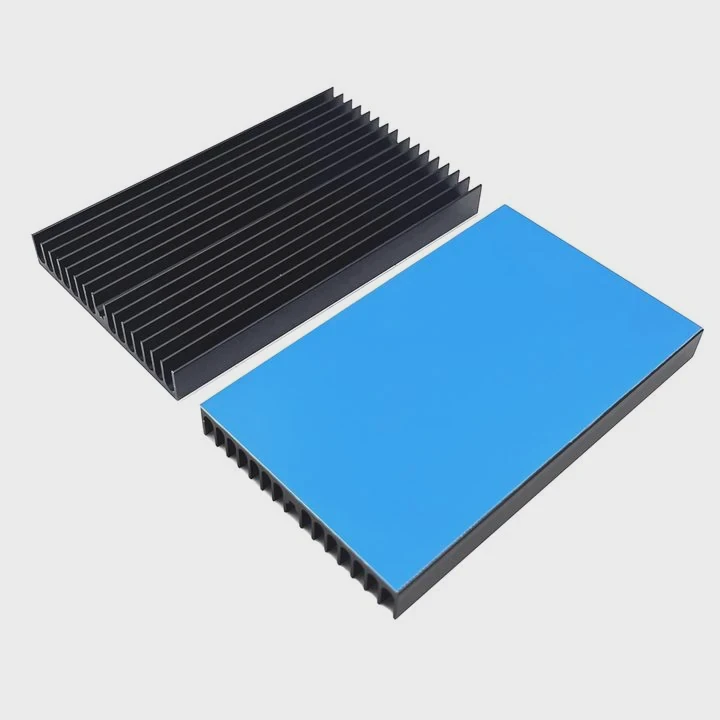
1. Straight fin heat sinks
These are simple and effective for vertical airflow systems.
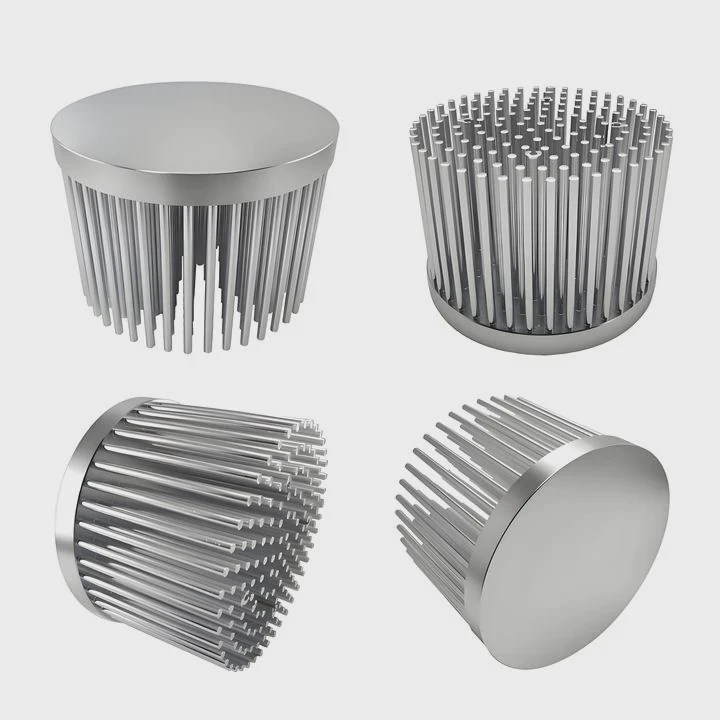
2. Pin fin heat sinks
These work well when airflow comes from multiple directions.
3. Folded fin structures
These increase surface area in compact spaces.
Passive design performance comparison
| Design Type | Surface Area Efficiency | Airflow Flexibility | Manufacturing Cost |
|---|---|---|---|
| Straight fin | Medium | Low | Low |
| Pin fin | High | High | Medium |
| Folded fin | Very high | Medium | High |
Passive cooling depends strongly on orientation. Vertical installation improves natural convection. Horizontal placement can reduce performance because hot air is trapped near the surface.
Material influence in passive systems
Aluminum is the most common material due to its balance of cost, weight, and thermal conductivity. Copper provides better performance but increases weight and cost.
Why passive cooling still matters
Passive systems are preferred in safety-critical applications where failure is not acceptable. No moving parts means no mechanical failure risk. This makes passive heat sinks ideal for long-life industrial systems.
Design optimization focuses on maximizing natural airflow paths. Spacing between fins must allow smooth air movement while keeping surface area high.
Conclusion
Heat sink compatibility depends on system power, space, and reliability needs. Fans improve airflow, liquid systems increase capacity, hybrid systems combine strengths, and passive designs provide stable long-term operation.