Which building cooling systems use heat sinks?
- Yongxing
- 10 Jul ,2026
Do data centers rely on heat sinks?
Modern data centers face extreme heat because servers run all day without stop. This heat can slow down performance and damage hardware. Cooling becomes a core part of system safety, not just comfort.
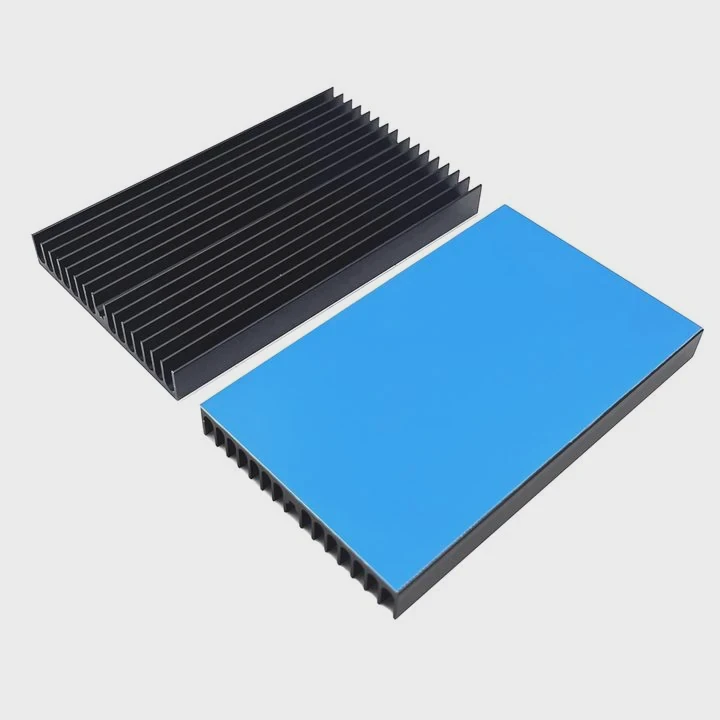
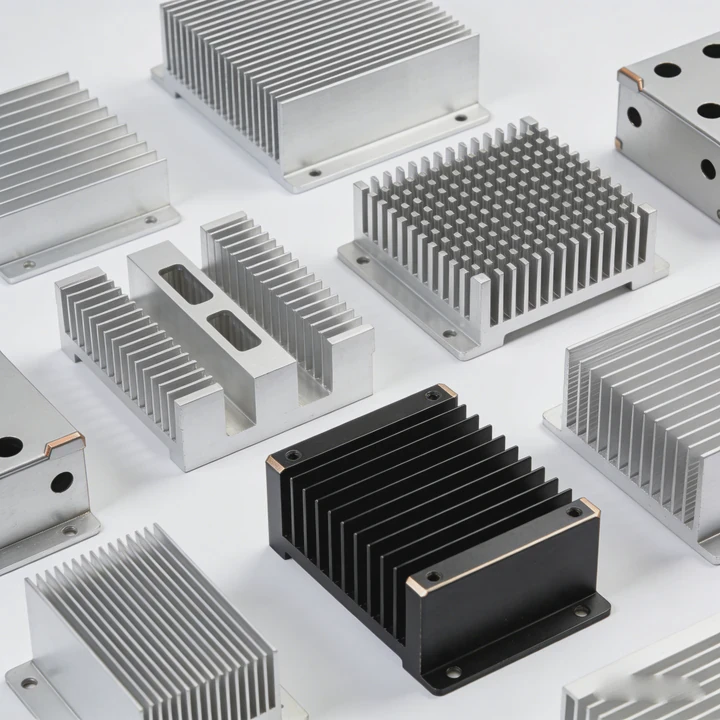
Data centers rely strongly on heat sinks as the first layer of cooling. Heat sinks sit directly on CPUs, GPUs, and power modules. They move heat away from small chips and spread it into larger metal surfaces. This makes it easier for air or liquid systems to remove the heat.
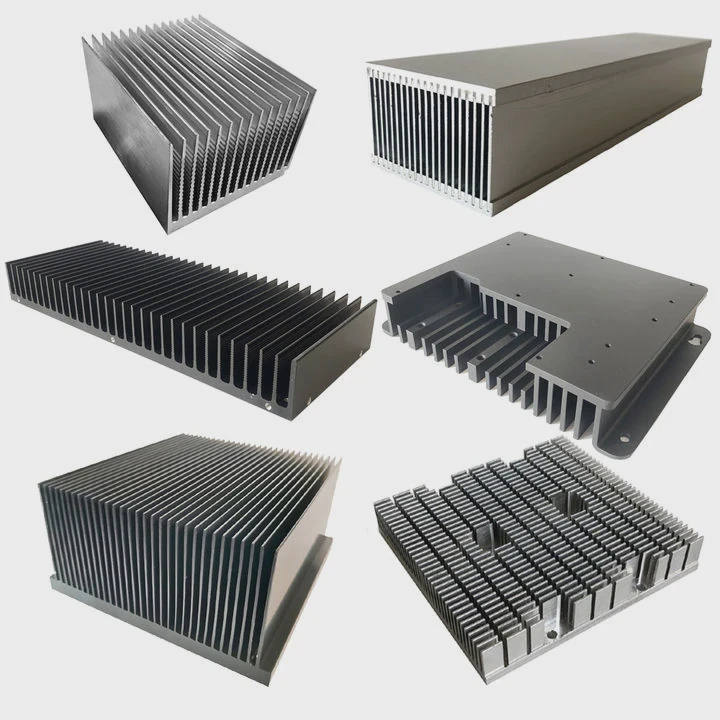
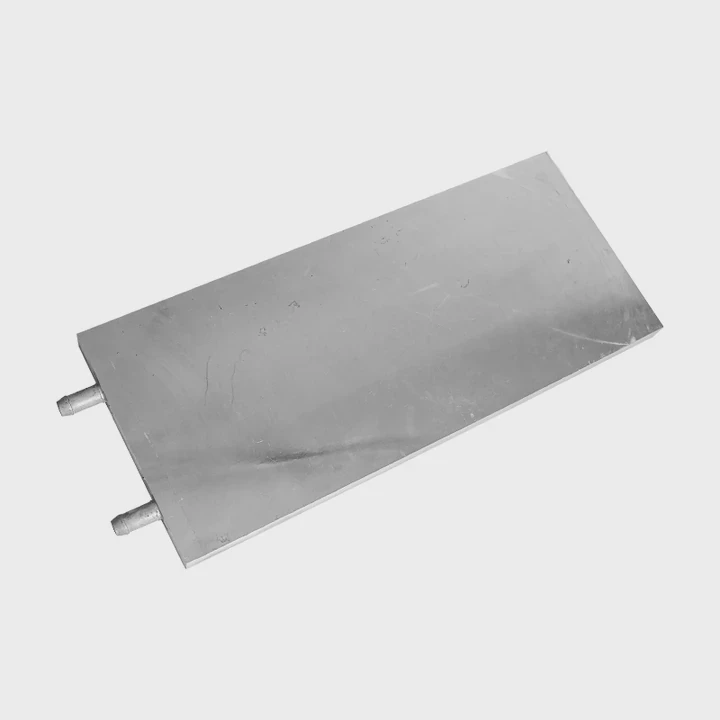
Heat sinks are not used alone. They work inside a full thermal system that includes airflow design, fans, cold aisles, and sometimes liquid cooling plates. Without heat sinks, chips would reach dangerous temperatures in seconds. Without airflow, heat sinks would lose their ability to transfer heat.
How heat sinks support data center stability
Heat sinks reduce thermal stress on electronic components. This helps prevent sudden shutdowns. It also improves long-term reliability. When temperature stays stable, chips last longer and performance stays consistent.
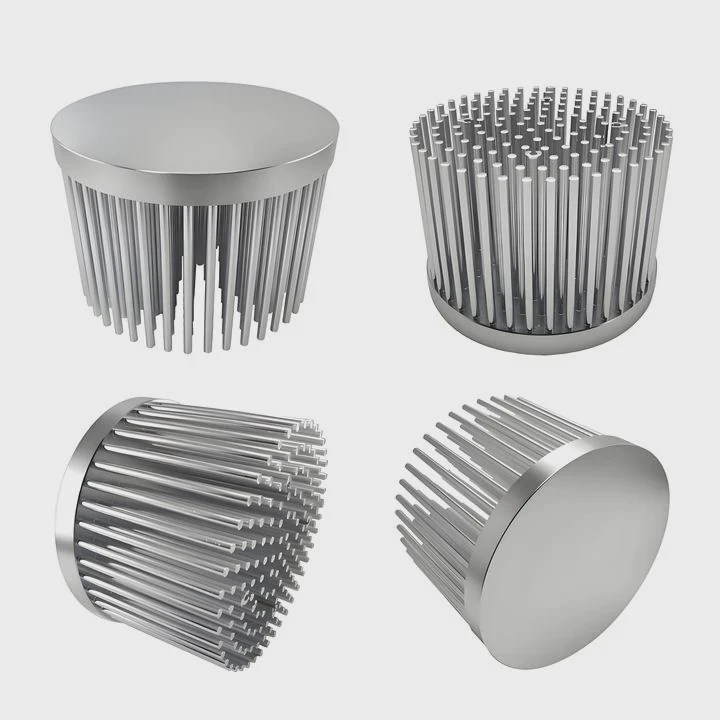
High-performance data centers, especially AI computing centers, use advanced designs like vapor chambers and micro-fin heat sinks. These designs increase surface area and improve heat spreading speed. Some systems combine heat sinks with direct liquid cooling to handle very high power loads.
Table: Cooling roles inside a data center
| Component | Main Function | Cooling Stage |
|---|---|---|
| Heat Sink | Spreads heat from chip surface | First stage |
| Airflow System | Moves heat away from racks | Secondary stage |
| Liquid Cooling Plate | Removes high-density heat | Advanced stage |
| Room HVAC System | Controls overall temperature | Facility level |
Heat sinks are the starting point of all thermal control. They make sure heat does not concentrate in one small point. This simple role is the reason modern computing systems can run at such high speed and density.
Can office HVAC systems integrate them?
Office buildings generate heat from computers, lighting, and people. If this heat is not controlled, indoor comfort drops quickly. Energy costs also rise because cooling systems must work harder.
Office HVAC systems do not use small electronic heat sinks directly. Instead, they use large-scale heat transfer components that follow the same idea. These systems move heat from warm indoor air to cooler water or refrigerant loops.
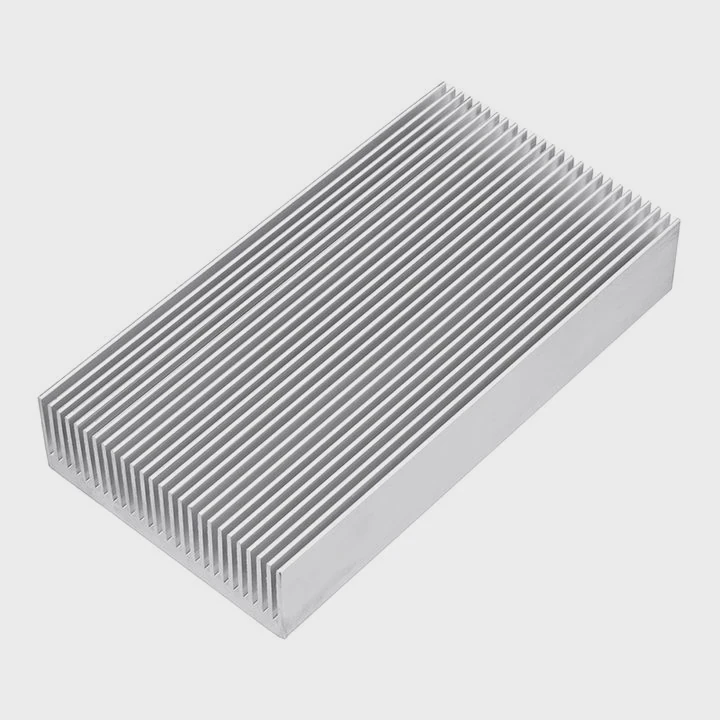
The key idea is the same: absorb heat, spread it, and move it away. In HVAC systems, this is done using coils, heat exchangers, and chilled water systems. These parts act like large heat sinks for entire rooms or floors.
How heat sink principles appear in HVAC design
HVAC systems use airflow channels to guide warm air back to cooling units. Inside these units, metal coils absorb heat. The coils then transfer heat to water or refrigerant. This process is continuous and automatic.
Some modern offices use radiant ceiling panels. These panels absorb heat directly from the air. This works in a similar way to a flat heat sink that absorbs heat from a surface. Chilled beam systems also use this idea by cooling air near the ceiling and letting it fall naturally.
Table: Heat sink vs HVAC heat exchange system
| Feature | Electronic Heat Sink | HVAC Heat Exchange |
|---|---|---|
| Scale | Chip-level | Building-level |
| Medium | Aluminum or copper | Water or refrigerant |
| Heat movement | Conduction + airflow | Fluid circulation |
| Goal | Protect electronics | Control room climate |
System limitations and control
HVAC systems are more complex than heat sinks because buildings change constantly. People move in and out. Sunlight changes during the day. Equipment loads also vary. This means HVAC systems need sensors and smart controls.
Even though the scale is different, the core idea stays the same. Heat must move from a hot place to a cooler place in a controlled path. Heat sink thinking helps engineers design better HVAC systems with higher energy efficiency.
Are passive building designs compatible?
Passive building design focuses on reducing heat without heavy mechanical systems. It uses natural airflow, shading, and building materials to control temperature. This reduces energy use and improves long-term sustainability.
Heat sink principles fit well with passive design because both rely on natural heat movement. The goal is to reduce heat buildup and spread it across surfaces or materials.
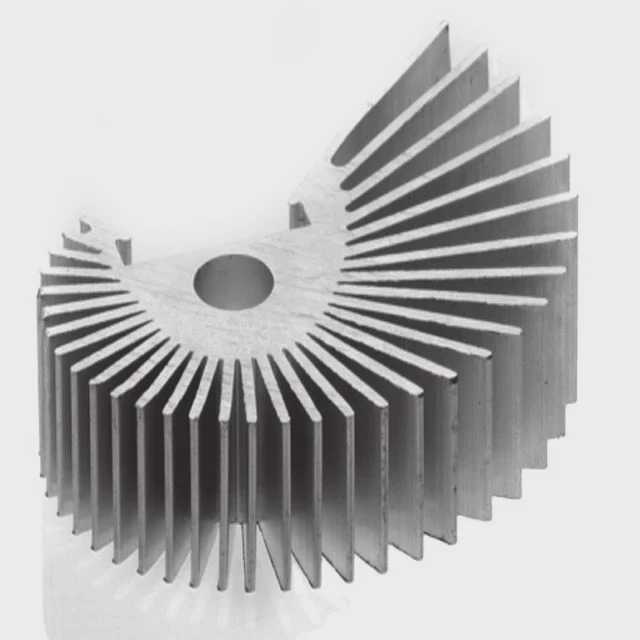
Instead of metal heat sinks, buildings use walls, floors, and roofs as thermal storage systems. These structures absorb heat during the day and release it slowly at night. This helps balance indoor temperature without strong cooling systems.
How passive systems manage heat
Buildings use shading structures to block direct sunlight. They use ventilation paths to move warm air out naturally. Thick concrete walls store heat energy and release it later. Green roofs reduce heat entering the building by adding natural insulation.
These methods all follow the same principle: slow heat movement and reduce peak temperature. This is similar to how a heat sink spreads heat across a larger surface to avoid overheating.
Table: Passive cooling vs active cooling systems
| Feature | Passive Design | Active Cooling |
|---|---|---|
| Energy use | Very low | High |
| Control type | Natural forces | Mechanical systems |
| Response speed | Slow | Fast |
| Cost over time | Lower | Higher |
Integration with modern buildings
Passive design is often combined with smart systems. Sensors control blinds, windows, and ventilation. This creates a dynamic system that reacts to weather changes. It does not replace HVAC systems but reduces their load.
In modern green buildings, passive and active cooling work together. Passive design handles basic temperature control. Active systems handle peak heat loads. This balance improves efficiency and reduces energy waste.
Which energy-efficient systems benefit most?
Energy-efficient systems need better heat control because power use is always under pressure. Heat is a direct cause of energy waste in many industries. When heat is managed well, systems run more efficiently and last longer.
Heat sinks benefit systems that run continuously or handle high power loads. These systems include data centers, electric vehicle chargers, industrial machines, and renewable energy converters.
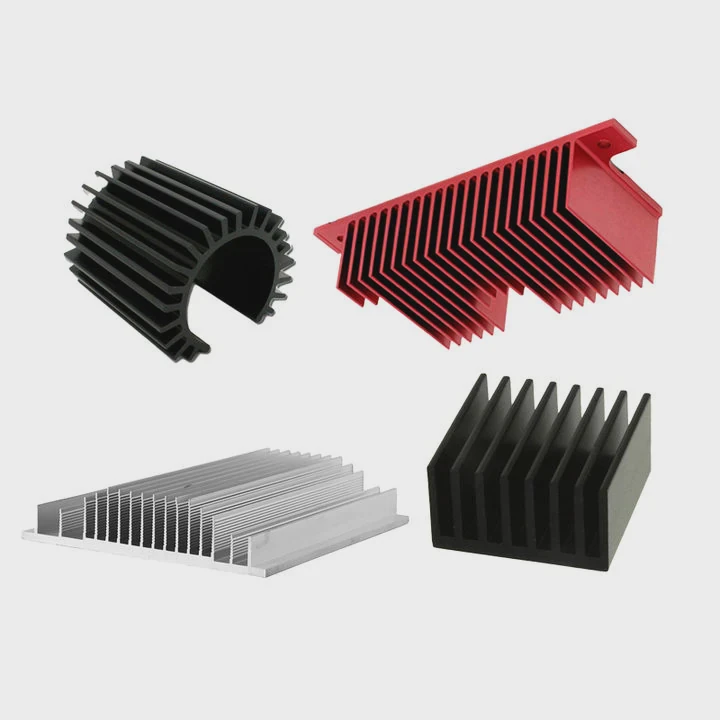
In these systems, heat sinks reduce the need for large cooling units. This lowers energy consumption and improves system stability. When heat is controlled at the source, downstream cooling systems can be smaller and more efficient.
Where heat sinks create the biggest impact
Data centers are the most important example. They run 24 hours a day and generate constant heat. EV charging systems also produce high heat in power modules. Industrial robots and automation systems also need stable thermal control. Renewable energy systems like solar inverters also rely on heat sinks to maintain performance outdoors.
Advanced materials and design improvements
Modern heat sinks use vapor chambers and phase-change materials. These technologies spread heat faster and more evenly. They reduce hot spots and improve system stability under load changes.
Table: Energy-efficient systems and heat sink impact
| System Type | Heat Level | Heat Sink Role | Efficiency Impact |
|---|---|---|---|
| Data Centers | Very High | Critical | Very High |
| EV Charging Systems | High | Strong | High |
| Industrial Automation | Medium-High | Important | Medium |
| Renewable Energy Systems | Medium | Moderate | Medium |
Heat sinks also reduce the size of other cooling systems. When heat is handled early, HVAC systems and liquid cooling loops do not need to work as hard. This reduces energy use and maintenance cost.
Long-term energy benefits
Heat sinks improve not only energy efficiency but also system lifespan. Lower temperatures reduce material stress. This means fewer failures and longer operating cycles. In large-scale systems, even small improvements in cooling efficiency can lead to large energy savings over time.
Conclusion
Heat sinks play a key role in many cooling systems. They support electronics, buildings, and industrial energy systems. Their value increases as power density and energy demand continue to grow.