What trends are affecting heat sink technology?
- Yongxing
- 10 Jul ,2026
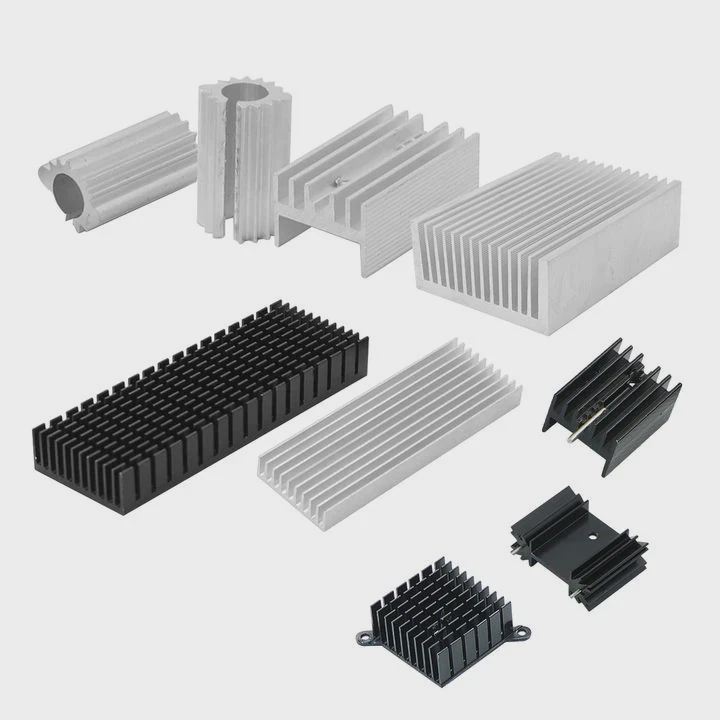
Modern electronics keep getting smaller and more powerful. This creates heat problems that are harder to solve. Many systems fail early because thermal design cannot keep up.
Heat sink technology is changing fast. New designs, new materials, and smart tools are shaping how heat is controlled in modern devices.
Old cooling methods are no longer enough for high power density systems. New trends are now driving better efficiency and reliability.
Are micro-fin designs gaining popularity?
Heat builds up fast in compact electronics. Traditional fins sometimes cannot handle high heat loads. This creates pressure for better surface structures.
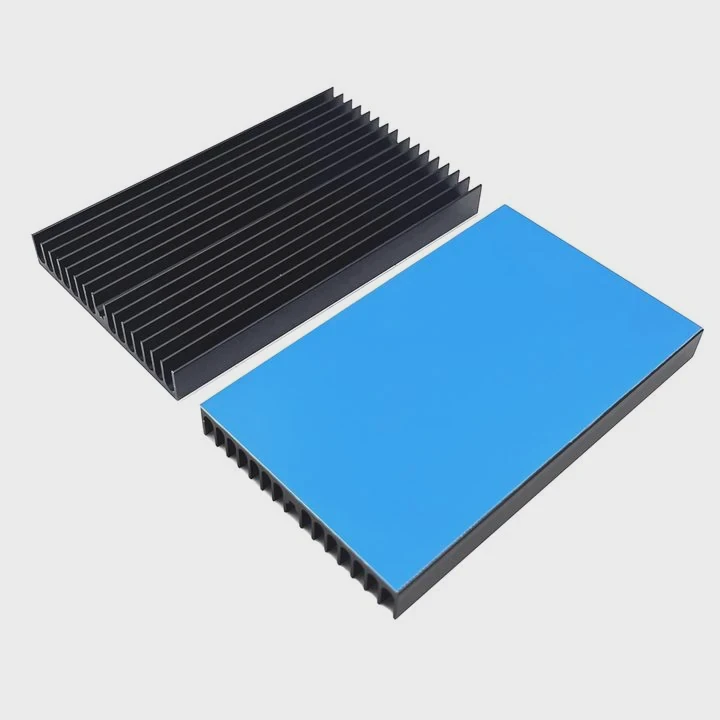
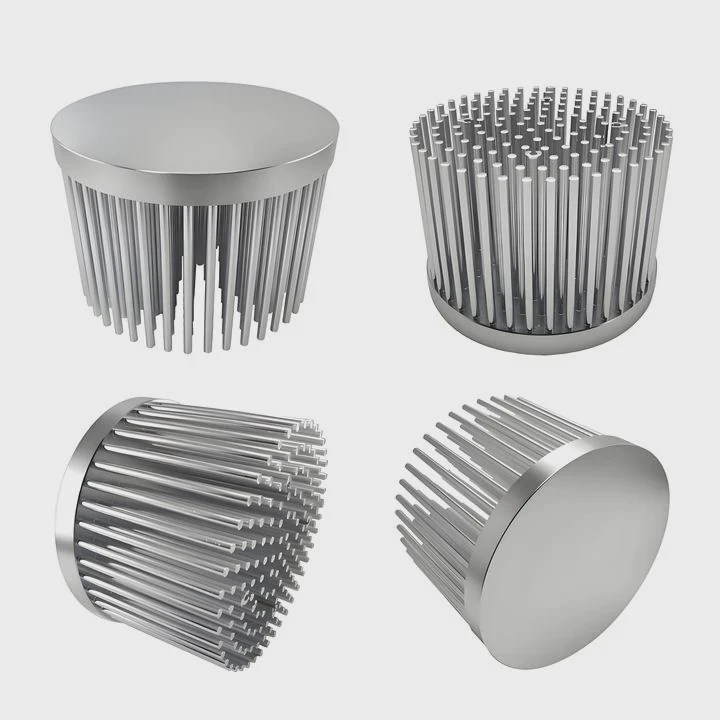
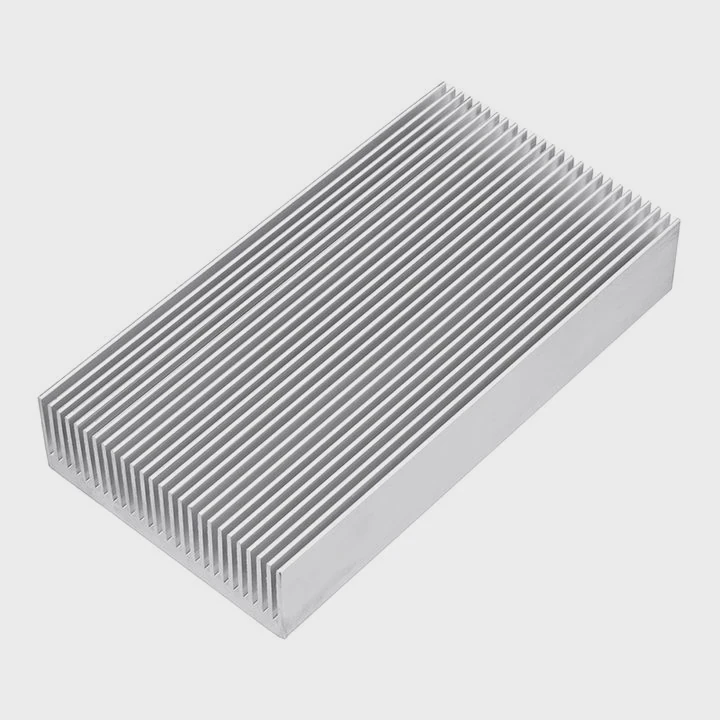
Micro-fin heat sinks are becoming more common because they increase surface area without increasing size.
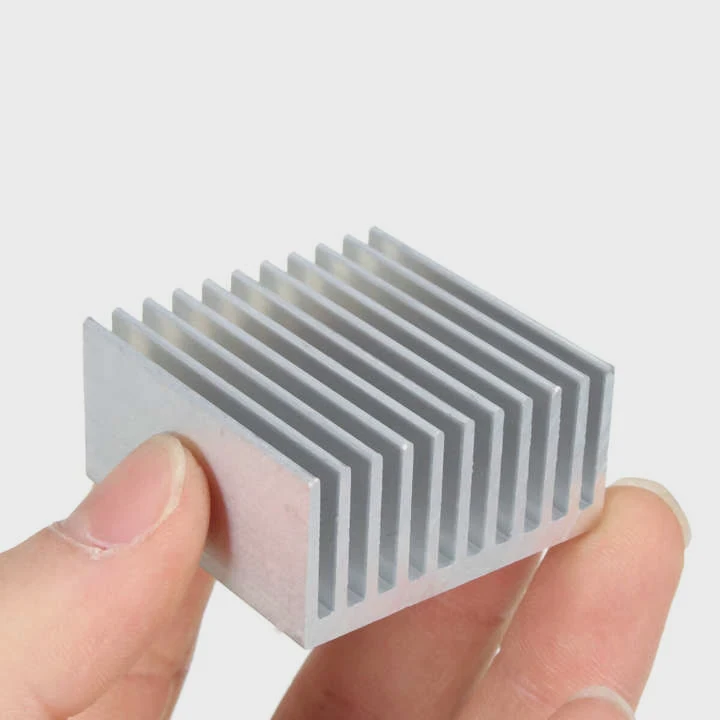
Micro-fin designs are gaining strong popularity because they improve heat transfer in compact systems. They increase the contact area between air and metal. This helps remove heat faster in high-density electronic devices where space is limited.
In many modern systems, size reduction is a major goal. Devices must become smaller but also more powerful. This creates a conflict between power density and cooling space. Micro-fins solve part of this problem by increasing heat exchange efficiency without increasing the overall volume of the heat sink.
These structures are often used in high-performance electronics such as GPUs, telecom modules, and power converters. The small fin spacing improves airflow control. It also increases turbulence, which helps remove heat faster.
Why micro-fin designs are growing
- Higher surface area in small space
- Better airflow interaction
- Suitable for compact electronics
- Improved thermal response time
Comparison of fin structures
| Fin Type | Surface Area Efficiency | Airflow Resistance | Cooling Performance |
|---|---|---|---|
| Flat Plate | Low | Low | Medium |
| Standard Fins | Medium | Medium | High |
| Micro-Fins | Very High | High | Very High |
Micro-fin structures also bring manufacturing challenges. They require precise machining or advanced forming processes. Small errors in spacing can affect airflow and performance. This makes production control very important.
In real industrial use, micro-fin heat sinks are often combined with forced air systems. Fans or blowers help push air through tight fin spaces. Without forced airflow, performance can drop due to resistance.
From a design perspective, micro-fins represent a shift toward surface engineering instead of just increasing size. This trend continues as electronic power density keeps rising.
Do new alloys improve conductivity?
Heat sinks depend heavily on material properties. Older aluminum alloys sometimes cannot meet new performance needs. This creates demand for better materials.
New alloys are designed to improve thermal conductivity while keeping weight low.
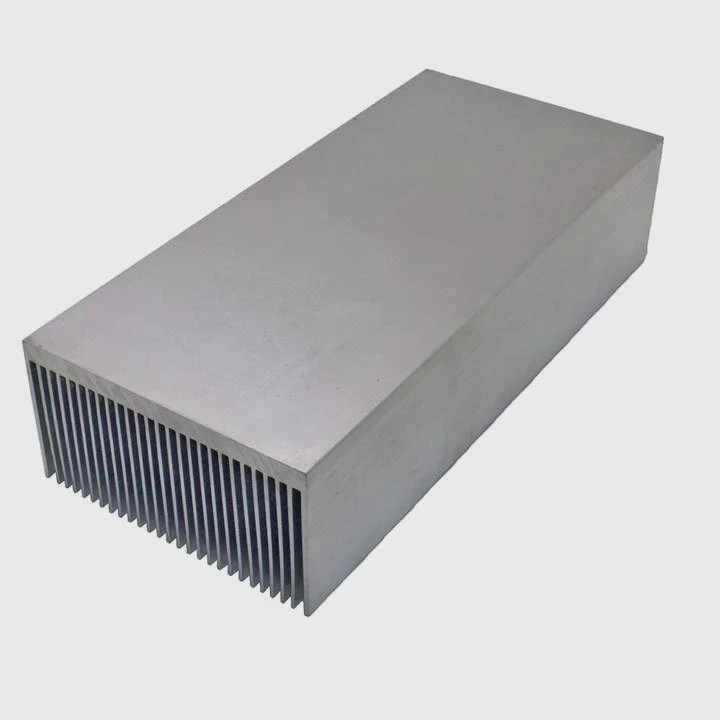
New alloys improve conductivity in heat sinks by optimizing metal composition and microstructure. These materials allow faster heat transfer while maintaining strength and manufacturability. They are especially important in high-power and lightweight systems.
In traditional designs, aluminum and copper are the main materials. Aluminum is light but has moderate conductivity. Copper has high conductivity but is heavy and expensive. New alloy development tries to balance these two properties.
Modern thermal alloys often include controlled silicon, magnesium, or other trace elements. These elements improve grain structure and heat transfer consistency. Some advanced alloys also improve machinability, which reduces manufacturing cost.
Key material improvements
- Higher thermal conductivity than standard aluminum
- Better mechanical strength
- Improved heat distribution uniformity
- Reduced internal thermal resistance
Material performance comparison
| Material Type | Thermal Conductivity | Weight | Cost Level |
|---|---|---|---|
| Standard Aluminum | Medium | Low | Low |
| Copper | Very High | High | High |
| Advanced Aluminum Alloy | High | Low | Medium |
New alloys also help reduce thermal hotspots. In older materials, heat sometimes concentrates in one area. This creates uneven expansion and stress. Advanced alloys distribute heat more evenly, which improves long-term reliability.
In aerospace, rail transit, and EV systems, weight is a critical factor. New alloys help reduce system mass while keeping thermal performance stable. This is a major reason why material innovation is accelerating.
Manufacturing processes also adapt to these materials. Techniques like extrusion, forging, and vacuum brazing must be optimized to match alloy behavior. Without process control, material advantages may be lost.
Overall, new alloys are not just improving conductivity. They are changing how engineers design entire thermal systems.
Is AI used in thermal optimization?
Thermal design used to rely on manual calculations and testing. This process took time and often missed complex heat patterns.
AI is now used to speed up thermal optimization and improve design accuracy.
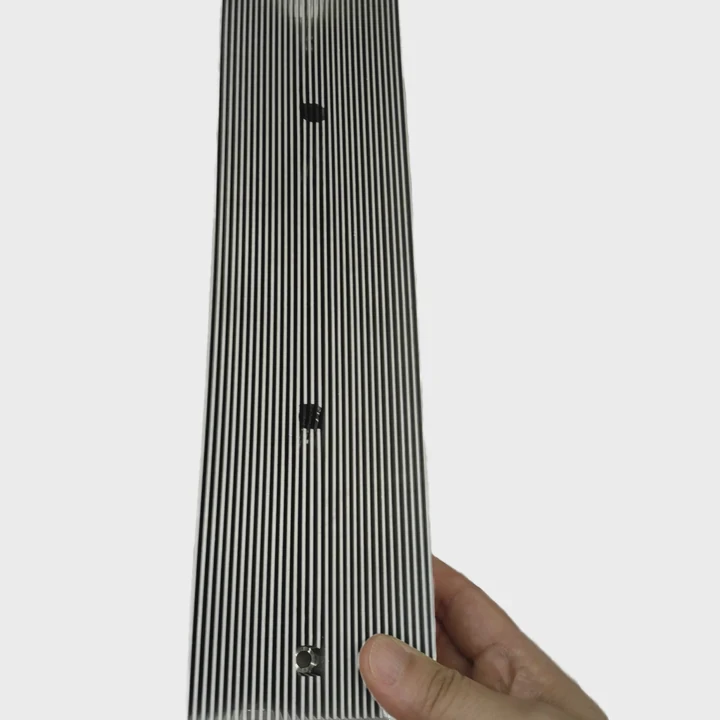
AI is increasingly used in thermal optimization because it can analyze large design spaces quickly. It helps engineers predict heat flow patterns, improve geometry, and reduce trial-and-error testing in heat sink development.
Traditional thermal design depends on simulation tools and physical testing. These methods are accurate but slow. AI adds a new layer by learning from large datasets of thermal performance results. It can suggest better fin shapes, material distributions, and airflow paths.
In advanced engineering teams, AI is used together with CFD (computational fluid dynamics). AI helps reduce the number of simulation cycles needed to reach an optimized design. This shortens development time.
How AI improves thermal design
- Faster design iteration
- Better prediction of hot spots
- Optimization of fin geometry
- Reduction of simulation cost
AI vs traditional design methods
| Method | Speed | Accuracy | Flexibility |
|---|---|---|---|
| Manual Design | Low | Medium | Low |
| CFD Simulation | Medium | High | Medium |
| AI-Assisted Design | High | Very High | High |
AI also supports topology optimization. This means it can suggest where material should be added or removed to improve heat flow. This is especially useful for complex heat sinks used in power electronics.
However, AI still depends on good data. Poor or limited data can reduce accuracy. That is why engineering validation is still necessary.
In real production environments, AI does not replace engineers. It supports decision-making and reduces design time. Human experience is still needed to validate results and ensure manufacturability.
The trend is clear. Thermal design is becoming more digital, and AI is now a core tool in this transformation.
Which energy-efficient solutions are emerging?
Energy use is becoming a major concern in modern electronics. Cooling systems often consume extra power through fans or pumps.
New energy-efficient thermal solutions aim to reduce power use while keeping cooling performance high.
Energy-efficient solutions are emerging because modern systems must reduce power consumption while maintaining stable thermal control. These solutions focus on passive cooling, smart airflow control, and hybrid thermal systems that reduce energy waste.
In many industries, cooling systems run continuously. This increases energy cost over time. Engineers now focus on reducing the energy needed for heat removal instead of only increasing cooling strength.
Passive cooling systems are becoming more advanced. These systems do not use fans or pumps. Instead, they rely on optimized fin structures, heat spreaders, and phase-change materials.
Main energy-efficient trends
- Passive cooling improvement
- Smart fan control systems
- Liquid-assisted hybrid cooling
- Phase-change thermal materials
Energy efficiency comparison in cooling systems
| Cooling Type | Energy Use | Cooling Efficiency | Maintenance |
|---|---|---|---|
| Passive Cooling | Very Low | Medium | Low |
| Air Cooling | Medium | High | Medium |
| Liquid Cooling | High | Very High | High |
| Hybrid Systems | Medium | Very High | Medium |
Smart control systems are also widely used. Fans now adjust speed based on temperature instead of running at full power all the time. This reduces energy waste and extends component life.
Phase-change materials are another emerging solution. These materials absorb heat during phase transition. This helps stabilize temperature without continuous energy input.
From a system design view, energy efficiency is now part of thermal design goals. Engineers must balance cooling performance and power consumption at the same time.
In the future, thermal systems will likely combine passive structures, smart controls, and advanced materials into one integrated solution. This will reduce energy use while maintaining high performance.
Conclusion
Heat sink technology is changing through new designs, materials, AI tools, and energy-saving systems. These trends work together to improve performance, reduce size, and lower energy use in modern electronics.