Does aluminum corrode?
- Yongxing
- 03 Apr ,2026
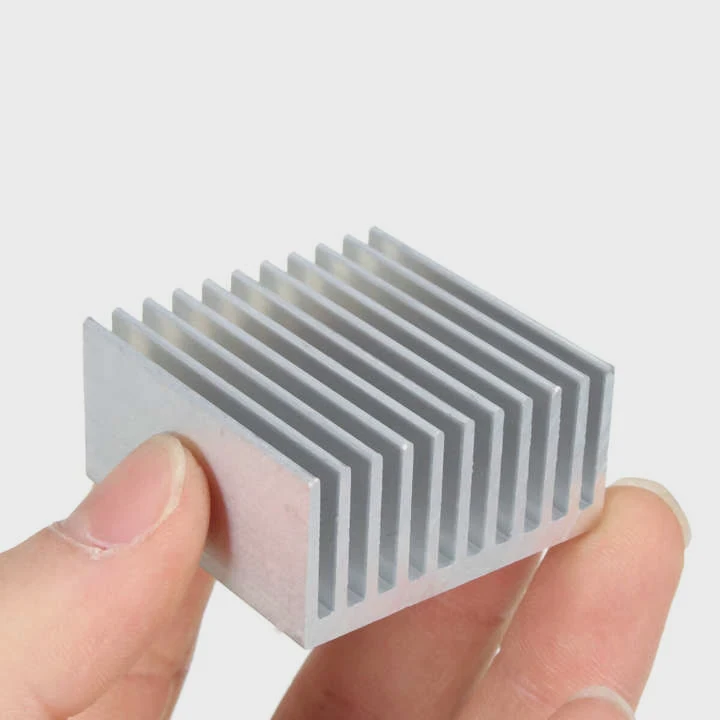
Aluminum is everywhere. Yet many people still worry about rust and failure. This confusion leads to wrong material choices and costly mistakes.
Yes, aluminum does corrode, but not like steel. It forms a thin oxide layer that protects it from deeper damage, making it highly corrosion-resistant in most environments.
This difference is often misunderstood. To use aluminum well, one must understand how and why it behaves this way.
Why does aluminum resist corrosion?
Aluminum is used in harsh environments. Still, it lasts long. Many people do not know why. This leads to doubt when choosing materials.
Aluminum resists corrosion because it quickly forms a stable oxide layer that seals the surface and blocks further oxidation.
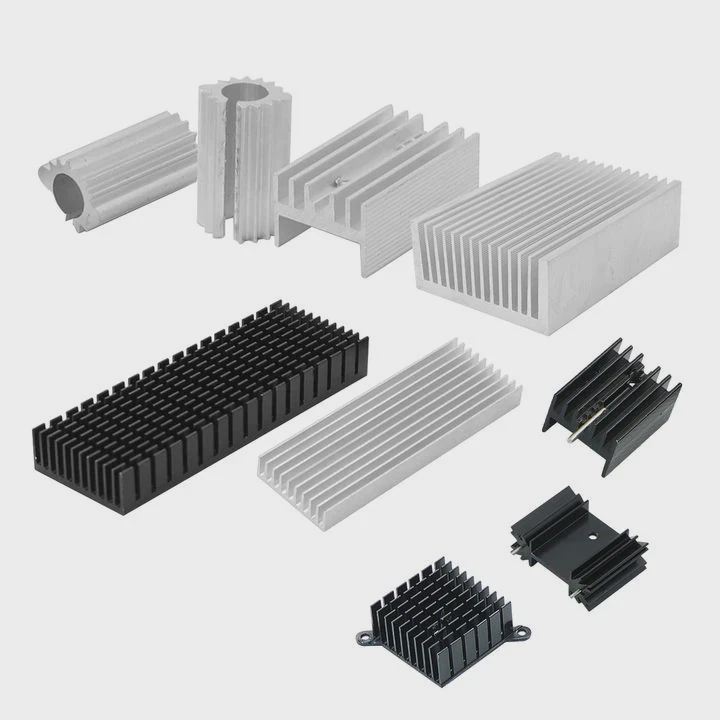
Aluminum behaves in a very unique way compared to metals like steel. When aluminum is exposed to air, it reacts with oxygen almost instantly. This reaction forms a very thin layer of aluminum oxide on the surface. This layer is only a few nanometers thick, but it is very dense and stable.
How the oxide layer works
This oxide layer acts like a shield. It prevents oxygen, water, and other chemicals from reaching the metal underneath. Unlike rust on steel, which flakes off and exposes fresh metal, aluminum oxide stays attached.
- It is self-healing
- It forms instantly
- It bonds tightly to the surface
If the surface is scratched, the oxide layer reforms almost immediately. This is why aluminum can survive in outdoor and industrial environments without heavy coatings.
Comparison with steel corrosion
| Property | Aluminum | Steel |
|---|---|---|
| Corrosion type | Protective oxide layer | Rust (destructive) |
| Surface behavior | Stable and adherent | Flaky and porous |
| Self-repair | Yes | No |
| Long-term damage | Slow | Fast |
Why this matters in real applications
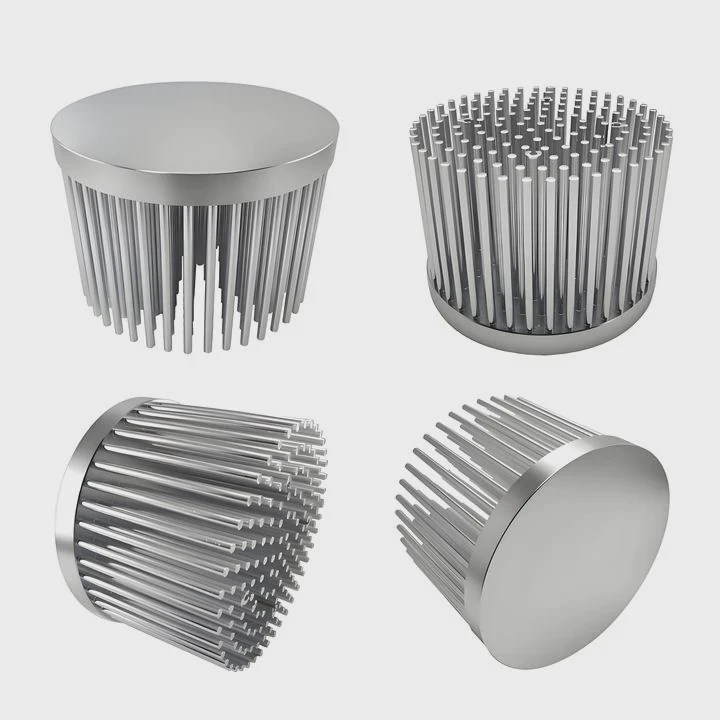
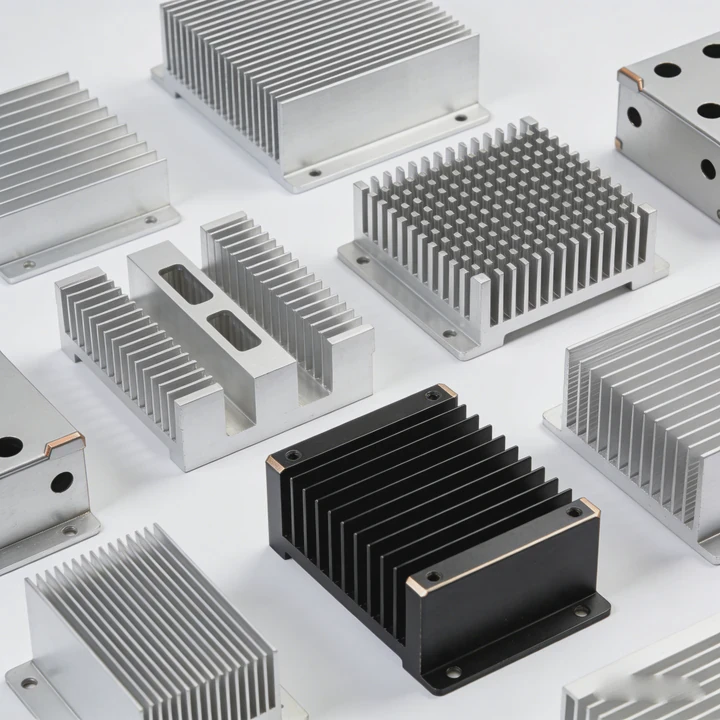
In heat sink design and thermal systems, this property is very important. Aluminum heat sinks often work in high humidity or outdoor conditions. The oxide layer ensures that thermal performance stays stable over time.
In my experience working with thermal modules, this stability reduces maintenance and improves reliability. Many clients prefer aluminum not only for weight and cost, but also for this natural corrosion resistance.
What causes aluminum corrosion?
People often think aluminum never corrodes. That is not true. Under certain conditions, aluminum can degrade. This can lead to unexpected failures.
Aluminum corrosion occurs when its protective oxide layer is damaged or when it is exposed to aggressive environments like saltwater, acids, or galvanic contact.
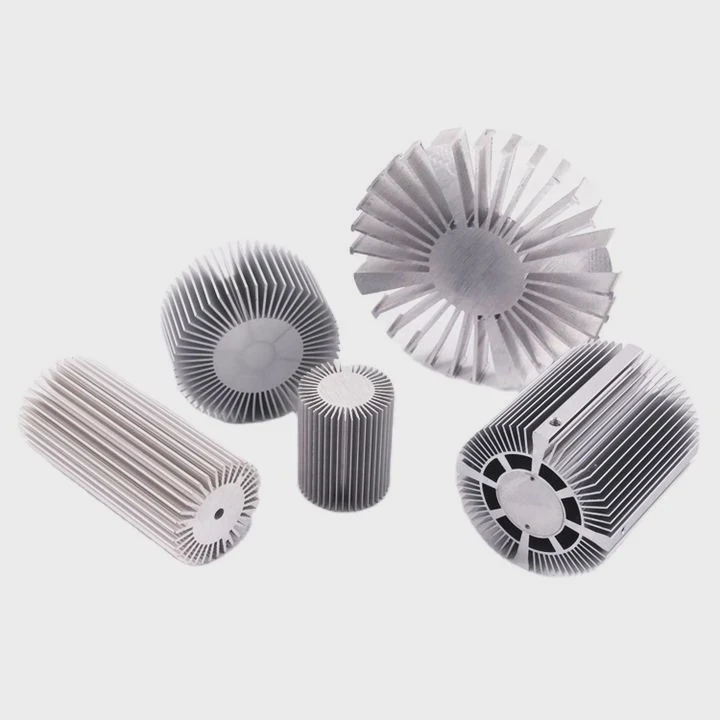
Even though aluminum is resistant, it is not immune. Corrosion can happen when the oxide layer is compromised or when the environment is too aggressive.
Common causes of aluminum corrosion
1. Chloride exposure
Saltwater or marine air contains chloride ions. These ions attack the oxide layer and create pits on the surface. This is called pitting corrosion.
2. Galvanic corrosion
When aluminum is in contact with another metal, such as copper or steel, and an electrolyte is present, a galvanic reaction occurs. Aluminum acts as the anode and corrodes faster.
3. Acidic or alkaline environments
Strong acids or bases can dissolve the oxide layer. Once the layer is gone, corrosion can accelerate.
4. Mechanical damage
Scratches or wear can expose fresh aluminum. While the oxide layer reforms, repeated damage can weaken protection.
Types of aluminum corrosion
| Corrosion Type | Description | Risk Level |
|---|---|---|
| Pitting | Small holes caused by chloride attack | High |
| Galvanic | Reaction with other metals | High |
| Crevice | Occurs in tight spaces with trapped moisture | Medium |
| Uniform | Even surface degradation | Low |
Real-world insight
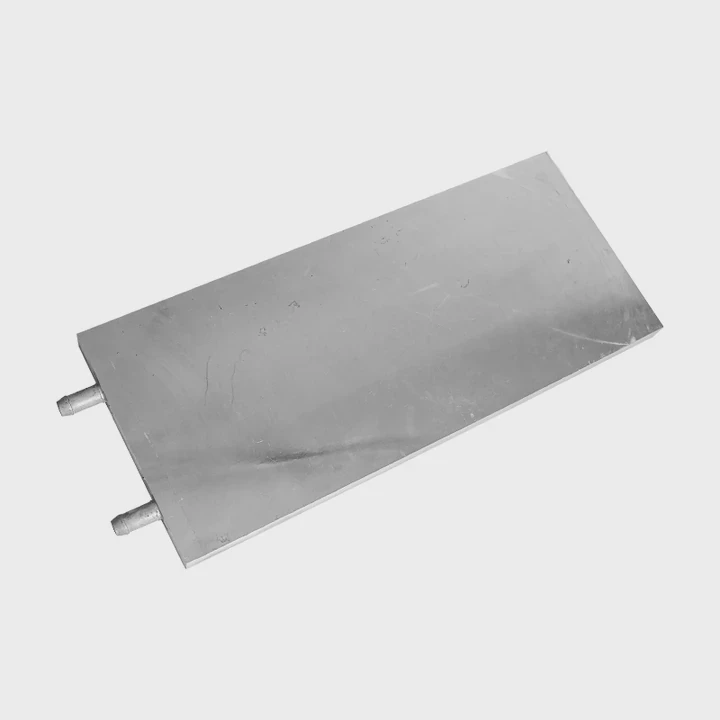
In thermal systems, galvanic corrosion is a common issue. For example, when aluminum heat sinks are paired with copper pipes in liquid cooling systems, poor design can lead to corrosion.
In many projects, insulation layers or coatings are added to prevent direct metal contact. This small step can extend system life by years.
Is aluminum corrosion harmful or protective?
Many people see corrosion as a failure. But aluminum is different. Its corrosion can actually help protect it.
Aluminum corrosion is usually protective because its oxide layer prevents further damage, but in some cases like pitting or galvanic corrosion, it can be harmful.
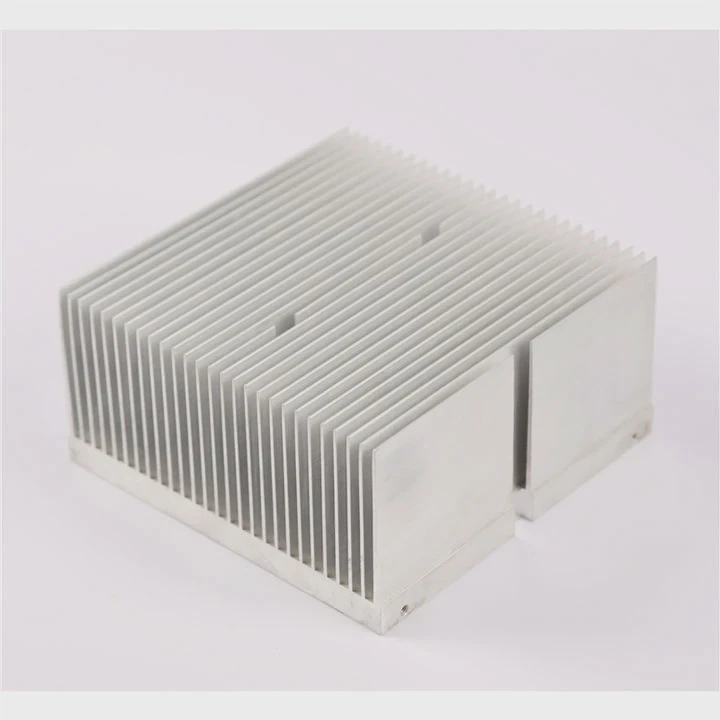
The key point is to understand the type of corrosion. Not all corrosion leads to failure.
Protective corrosion
The natural oxide layer is a form of controlled corrosion. It stops deeper damage. This is why aluminum structures can last decades.
- It reduces maintenance
- It improves durability
- It stabilizes surface properties
Harmful corrosion
However, not all corrosion is safe. Some forms can lead to serious issues.
Pitting corrosion
This creates small holes that can grow deeper over time. It is hard to detect and can lead to leaks or structural failure.
Galvanic corrosion
This can cause rapid material loss when aluminum is paired with more noble metals.
When corrosion becomes a problem
Corrosion becomes harmful when it affects:
- Structural strength
- Thermal conductivity
- Surface integrity
In heat sinks, even small corrosion can reduce thermal efficiency. A rough or damaged surface can affect airflow and heat transfer.
Practical evaluation
| Condition | Effect on Aluminum | Action Needed |
|---|---|---|
| Dry indoor use | Minimal corrosion | No treatment needed |
| Outdoor exposure | Protective oxide forms | Optional coating |
| Marine environment | Risk of pitting | Protective coating |
| Mixed metal assembly | Galvanic corrosion risk | Insulation required |
From practical experience, most aluminum corrosion is not dangerous. But in high-performance systems, even small changes matter. This is why engineers must evaluate the environment carefully.
How to prevent aluminum corrosion?
Even though aluminum is resistant, prevention is still important. Proper protection can extend product life and improve performance.
Aluminum corrosion can be prevented by using coatings, anodizing, proper design, and avoiding contact with dissimilar metals.
There are several effective methods to protect aluminum. The right choice depends on the application.
Common prevention methods
1. Anodizing
Anodizing thickens the natural oxide layer. It makes the surface harder and more resistant.
- Improves corrosion resistance
- Enhances appearance
- Increases surface hardness
2. Coatings and painting
Protective coatings block moisture and chemicals.
- Powder coating
- Painting
- Chemical coatings
3. Material isolation
Avoid direct contact with other metals.
- Use plastic spacers
- Apply insulating layers
- Design with separation in mind
4. Design optimization
Good design reduces corrosion risk.
- Avoid water traps
- Ensure proper drainage
- Improve airflow
Prevention strategy comparison
| Method | Cost Level | Effectiveness | Best Use Case |
|---|---|---|---|
| Anodizing | Medium | High | Electronics, heat sinks |
| Coating | Low | Medium | Outdoor structures |
| Isolation | Low | High | Mixed metal assemblies |
| Design changes | Low | High | All applications |
Practical experience
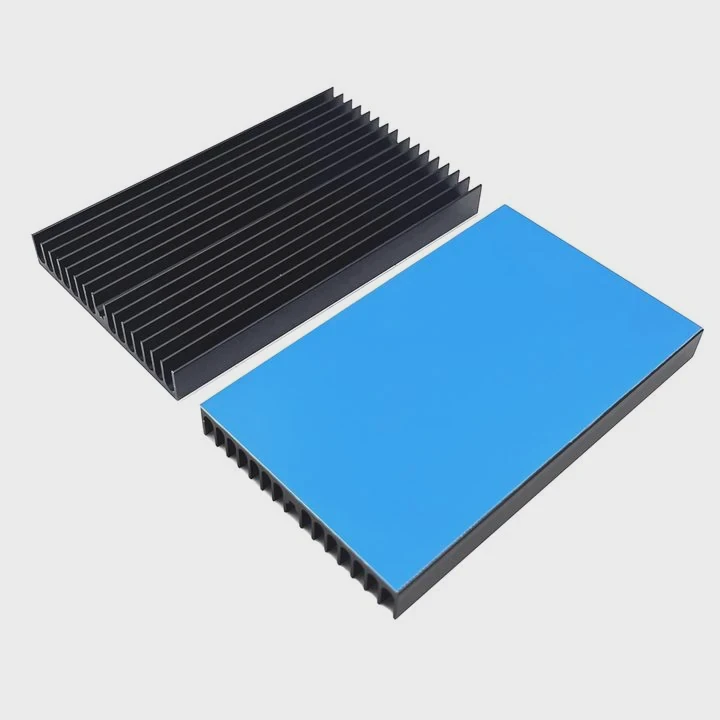
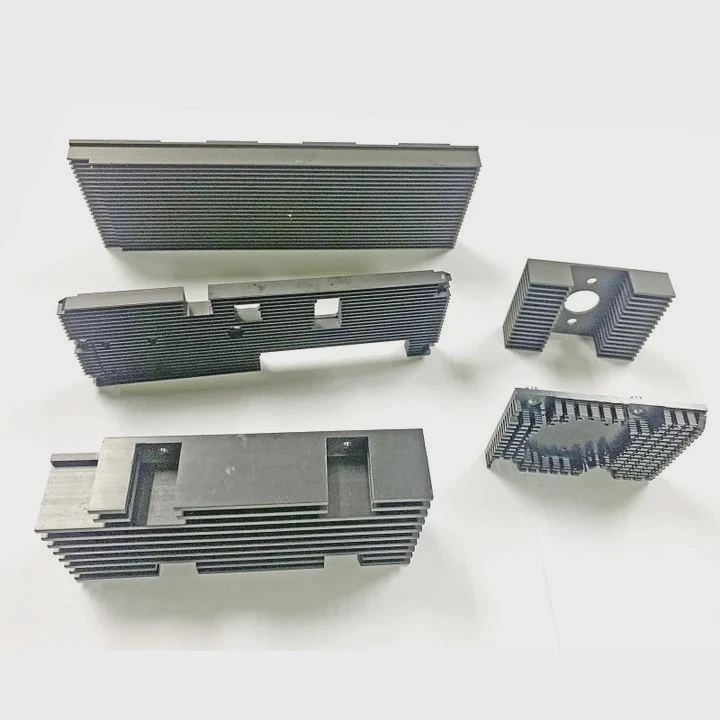
In many thermal projects, anodizing is the most common solution. It not only protects the surface but also improves appearance. Black anodized heat sinks, for example, also enhance heat radiation.
In one project, switching from raw aluminum to anodized aluminum increased product life by over 30%. The cost increase was small, but the reliability gain was significant.
Conclusion
Aluminum does corrode, but in most cases, it protects itself. Understanding its behavior helps make better design and material decisions, especially in demanding thermal and industrial applications.