How Effective Are Heat Sinks in Computer Systems?
- Yongxing
- 22 Jul ,2026
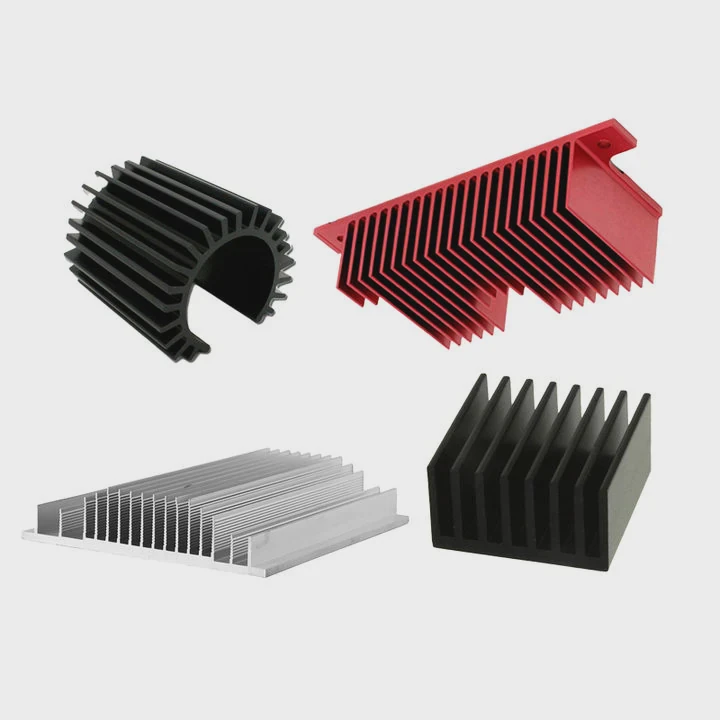
Modern computer systems generate more heat than ever before. High-performance processors, graphics cards, and data processing units can quickly reach high temperatures without proper cooling solutions.
Heat sinks are highly effective in computer systems because they transfer heat away from electronic components and help maintain stable operating temperatures. Their performance depends on design structure, material selection, airflow, and cooling methods.
A well-designed heat sink protects computer components from overheating, reduces performance loss, and extends product life. From gaming computers to large server systems, heat sinks remain one of the most important parts of thermal management.
Do Gaming PCs Require High-Capacity Heat Sinks?
Gaming computers often use powerful processors and graphics cards that create large amounts of heat during intensive tasks. Many gamers ask whether standard heat sinks are enough.
Yes, gaming PCs usually require high-capacity heat sinks because powerful CPUs and GPUs produce significant heat during gaming, streaming, and content creation. Larger heat sinks improve cooling efficiency and maintain stable performance.
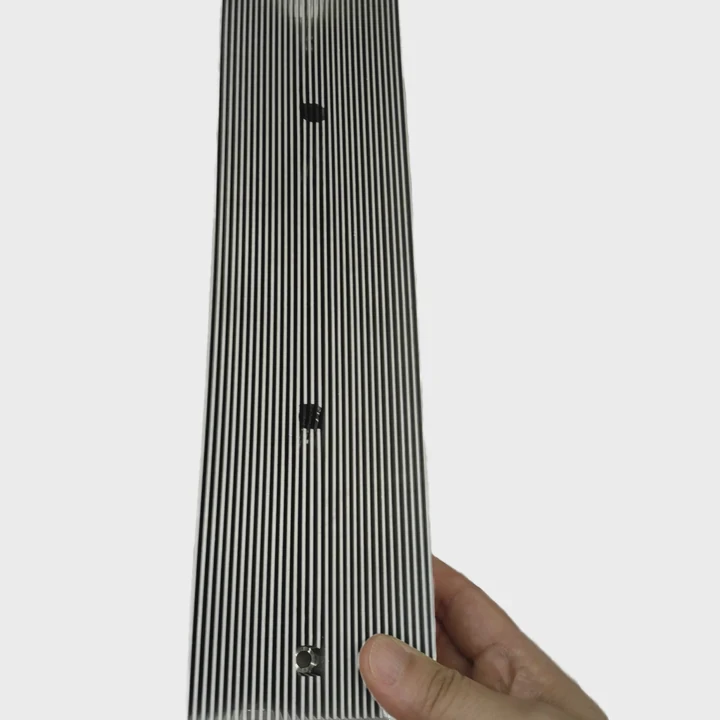
Gaming workloads can push computer components close to their maximum performance limits. When processors operate under heavy loads, electrical energy changes into heat. If this heat cannot escape quickly, temperatures rise and system performance may decrease.
A high-capacity heat sink provides more surface area for heat dissipation. More fins, larger bases, and optimized airflow paths allow heat to move from the processor into the surrounding air more efficiently.
Important Features of Gaming PC Heat Sinks
| Feature | Cooling Benefit | Application Value |
|---|---|---|
| Large Aluminum Fins | Increases heat dissipation area | High-performance gaming |
| Copper Base Plate | Improves heat transfer | Powerful CPUs |
| Heat Pipes | Moves heat quickly | Gaming desktops |
| Fan Integration | Improves airflow | Heavy workloads |
Material selection plays an important role in gaming PC cooling. Aluminum is commonly used because it is lightweight and cost-effective. Copper is often added because it has higher thermal conductivity.
Many advanced gaming heat sinks combine different materials. A copper base transfers heat away from the processor, while aluminum fins release heat into the air.
Why Gaming Systems Need Better Cooling
- Higher processor power consumption
- Longer gaming sessions
- Overclocking requirements
- High-resolution graphics workloads
- Reduced noise requirements
Overclocking creates even greater cooling challenges. When users increase processor speed, power consumption and heat generation increase. A stronger heat sink becomes necessary to maintain safe operating conditions.
Airflow design also affects performance. Even a large heat sink cannot work effectively without proper airflow. Computer cases need enough space for cool air to enter and hot air to leave.
Some gaming systems use advanced cooling designs, including vapor chambers and liquid cooling systems. These solutions provide better heat transfer for extreme performance applications.
However, not every gaming PC requires the largest available heat sink. The cooling solution should match the processor power level, usage environment, and performance goals.
A balanced design provides the best result. A properly selected heat sink keeps temperatures stable without unnecessary cost, size, or noise.
For serious gamers and professional creators, investing in a high-performance heat sink is usually worthwhile because stable temperatures support better system reliability and longer component life.
Can Server Racks Benefit from Advanced Designs?
Servers operate continuously and process large amounts of data every day. This creates significant thermal challenges for data centers and network equipment.
Yes, server racks benefit greatly from advanced heat sink designs because high-density computing systems require efficient cooling solutions to maintain reliability, reduce downtime, and improve energy efficiency.
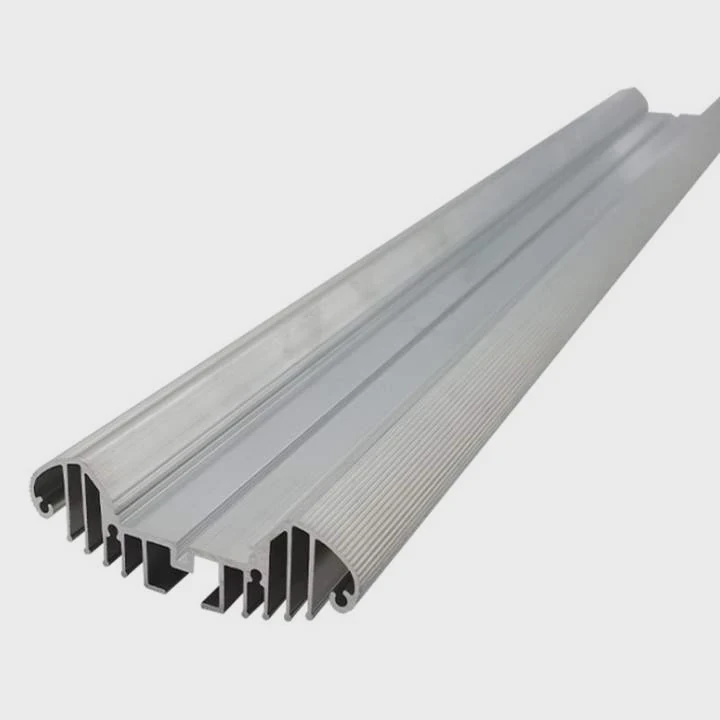
Server environments are different from personal computers. A home computer may operate for several hours per day, but servers often operate 24 hours a day without interruption.
Continuous operation creates constant heat generation. Without effective thermal management, server components can experience reduced performance, unexpected shutdowns, or shortened service life.
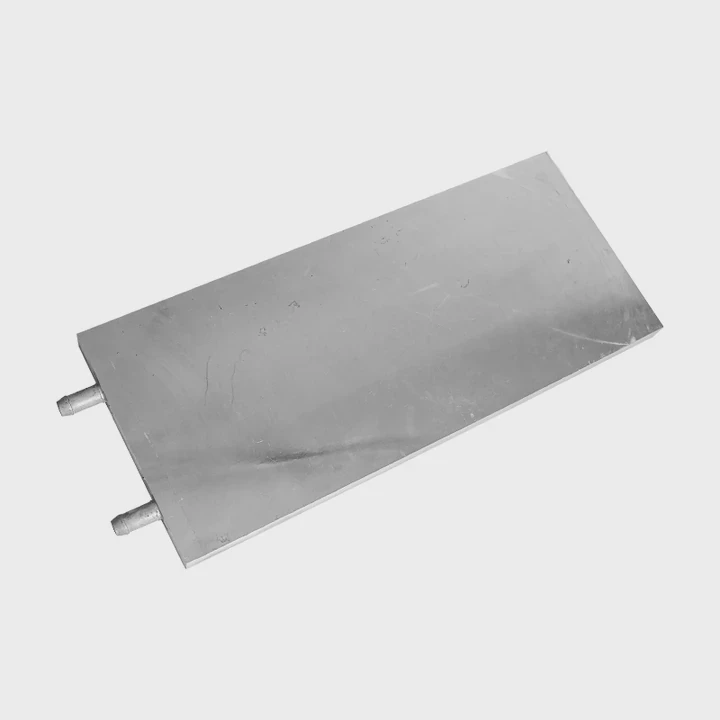
Advanced heat sinks help solve these problems by improving heat transfer efficiency. Server manufacturers often use specialized designs such as vapor chambers, liquid cooling plates, and high-density fin structures.
Server Heat Sink Requirements
| Requirement | Reason |
|---|---|
| High Thermal Performance | Supports powerful processors |
| Compact Structure | Fits limited rack space |
| Long Reliability | Supports continuous operation |
| Low Maintenance | Reduces service interruptions |
Space is a major challenge in server racks. Data centers want to install more computing power into smaller areas. This increases heat density and creates greater cooling demands.
Traditional air cooling may become less effective when server density increases. Advanced cooling solutions help move heat away from critical components more efficiently.
Advanced Cooling Technologies for Servers
- Vapor chamber heat sinks
- Liquid cooling plates
- High-performance aluminum structures
- Copper heat spreaders
- Customized thermal modules
Liquid cooling systems are becoming more common in high-performance computing environments. They can remove heat more efficiently than traditional air cooling because liquids transfer thermal energy more effectively.
However, air-based heat sinks remain widely used because they are reliable, simple, and easier to maintain.
Manufacturing quality is also critical for server heat sinks. Data centers need components with consistent performance because one failed cooling part can affect many users.
Testing requirements are often strict. Server heat sinks may require thermal cycling tests, vibration tests, and reliability verification before installation.
The design process usually includes thermal simulation. Engineers analyze airflow, heat distribution, and operating conditions before finalizing the structure.
Advanced heat sinks help servers achieve better performance while controlling energy consumption. Efficient cooling reduces the need for excessive fan speeds and helps create quieter, more efficient systems.
For modern data centers, heat sink technology is not only about removing heat. It is also about improving reliability, reducing operational costs, and supporting higher computing performance.
Are Low-Profile Options Sufficient for Laptops?
Laptops have limited internal space, which creates unique cooling challenges. Many users wonder if small heat sinks can provide enough cooling performance.
Yes, low-profile heat sinks can be sufficient for laptops when they are designed correctly. They use optimized materials, compact structures, and efficient airflow management to handle limited space.
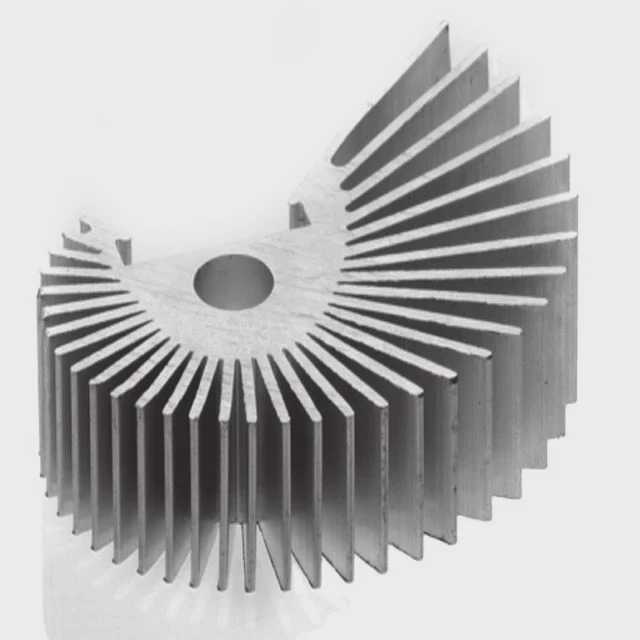
Unlike desktop computers, laptops cannot use large cooling structures. Engineers must create lightweight solutions that fit inside thin devices while still providing enough thermal performance.
Low-profile heat sinks usually combine aluminum fins, copper heat pipes, vapor chambers, and small fans. These components work together to move heat away from processors and graphics chips.
Laptop Heat Sink Design Factors
| Design Factor | Cooling Impact |
|---|---|
| Thin Structure | Fits compact devices |
| Copper Heat Pipe | Transfers heat efficiently |
| Lightweight Material | Reduces device weight |
| Optimized Airflow | Improves cooling performance |
The biggest challenge for laptop cooling is limited space. Engineers must balance thickness, weight, noise, battery life, and thermal performance.
A thin laptop cannot use the same cooling solution as a desktop computer. Instead, manufacturers use advanced designs to maximize every available space.
Common Laptop Cooling Solutions
- Copper heat pipes
- Vapor chambers
- Miniature fans
- Aluminum alloy frames
- Graphite thermal layers
Vapor chamber technology is becoming more popular in high-performance laptops. It spreads heat across a larger area before transferring it to cooling fins.
Laptop heat sinks also need reliable materials because they experience frequent temperature changes. Portable devices are often turned on and off many times, creating repeated heating and cooling cycles.
Maintenance is another consideration. Dust buildup can reduce airflow and lower cooling performance. A well-designed laptop heat sink helps reduce thermal problems but still depends on clean airflow paths.
Low-profile designs are not weaker versions of desktop heat sinks. They are specialized solutions created for compact environments.
The effectiveness of a laptop heat sink depends on matching the design with the processor power level. A thin office laptop and a high-performance gaming laptop require very different thermal solutions.
When properly engineered, low-profile heat sinks can provide reliable cooling while maintaining the lightweight design users expect from modern laptops.
Which Cooling Methods Optimize Thermal Performance?
Heat sinks are only one part of a complete cooling system. The best thermal performance usually comes from combining multiple cooling methods.
The most effective cooling systems combine optimized heat sink designs with proper airflow, heat pipes, vapor chambers, liquid cooling, and high-quality thermal interface materials.
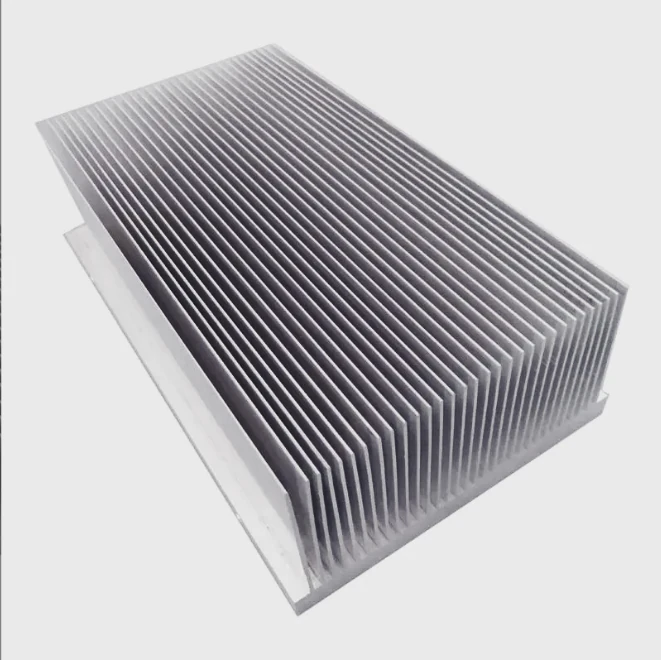
Thermal performance depends on the complete heat transfer path. Heat must move from the electronic component into the heat sink and then into the surrounding environment.
Any weak point in this process can reduce cooling efficiency.
Comparison of Cooling Methods
| Cooling Method | Performance Level | Common Use |
|---|---|---|
| Standard Air Cooling | Good | Office computers |
| Heat Pipe Cooling | Better | Gaming laptops |
| Vapor Chamber Cooling | Excellent | High-performance systems |
| Liquid Cooling | Very High | Servers and advanced PCs |
Thermal interface materials also play an important role. They fill small gaps between components and heat sinks, improving heat transfer.
Ways to Improve Heat Sink Performance
- Increase fin surface area
- Improve airflow direction
- Use higher conductivity materials
- Reduce thermal resistance
- Optimize mounting pressure
- Apply proper thermal materials
Airflow is one of the simplest but most important factors. A heat sink needs fresh air to remove heat effectively. Poor case design can reduce the performance of even advanced cooling systems.
Material selection also affects results. Copper provides excellent thermal conductivity, while aluminum provides lightweight and cost advantages. Many designs combine both materials.
For extremely high-power systems, liquid cooling can provide additional advantages. Liquid transfers heat away from components quickly and can support higher computing densities.
However, liquid cooling requires more complex design and maintenance. Air cooling remains popular because it is reliable and cost-effective.
The best cooling solution depends on application requirements. A personal computer, gaming system, laptop, and data center all have different thermal challenges.
Good thermal design starts with understanding the heat source, operating environment, and performance goals. When engineers select the right combination of materials, structures, and cooling methods, heat sinks can provide excellent long-term performance.
Conclusion
Heat sinks are highly effective cooling solutions for computer systems when they are properly designed. Gaming PCs, servers, and laptops each require different approaches. Advanced materials, optimized structures, and combined cooling methods help maintain stable temperatures and improve system reliability.