How Can Heat Sink Samples Be Requested?
- Yongxing
- 22 Jul ,2026
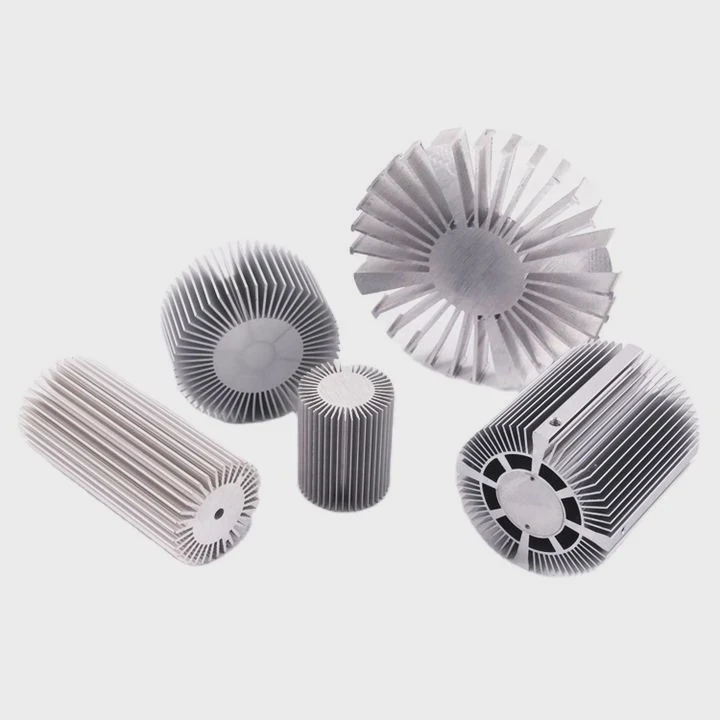
Finding the right heat sink supplier can feel difficult. Many buyers waste time because they do not know how to request samples or what suppliers expect before approval.
Most heat sink manufacturers offer a simple sample request process. Buyers usually submit project details, drawings, quantities, and application information. Some suppliers charge sample fees, while others provide free samples depending on the project size and future business potential.
A sample is more than just a product. It is the first opportunity to check quality, manufacturing capability, communication, and engineering support before moving into mass production. Understanding the sample process helps avoid delays and improves project success.
Do Suppliers Provide Online Forms?
Many professional heat sink manufacturers now provide online sample request forms. These forms make communication faster and help engineers collect the technical details needed before production starts.
Yes. Most experienced heat sink suppliers provide online inquiry or sample request forms through their websites. These forms allow buyers to upload drawings, describe thermal requirements, and explain project goals, making the evaluation process much faster.
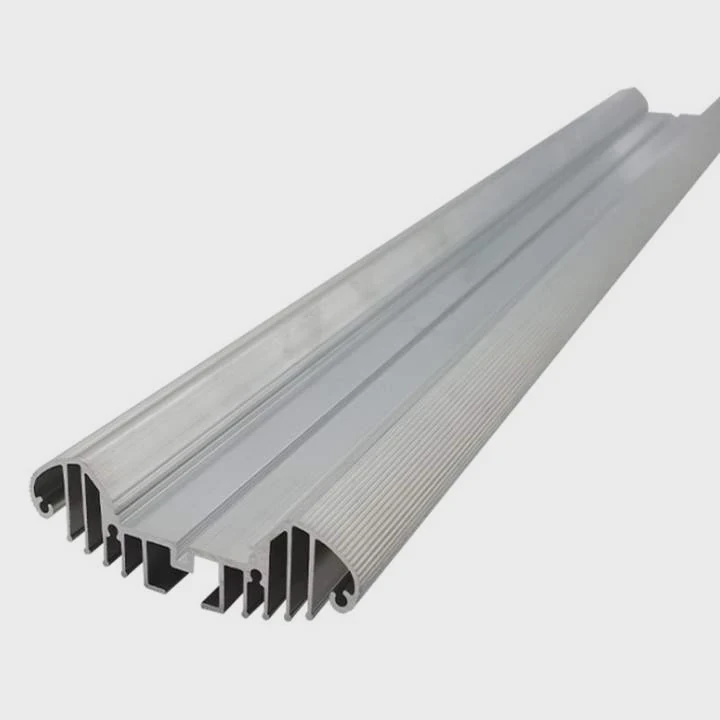
Online forms have become a standard tool because they reduce mistakes. Instead of sending multiple emails with missing information, buyers can complete one organized request. This allows the engineering team to begin reviewing the project immediately.
Why Online Forms Are Helpful
A good online form collects all the important information in one place. It also helps suppliers assign the request to the correct engineering team without unnecessary delays.
Most forms include fields such as:
- Contact information
- Company name
- Product application
- Material preference
- Required quantity
- Drawing upload
- Expected timeline
When these details arrive together, engineers can quickly decide whether an existing design fits the project or whether a custom solution is necessary.
Information Usually Requested
| Information | Why It Matters |
|---|---|
| CAD drawing | Shows product dimensions |
| Thermal power | Determines cooling capacity |
| Operating environment | Helps choose materials and coating |
| Production quantity | Influences manufacturing method |
| Target delivery date | Helps schedule production |
For custom heat sinks, drawings are especially important. Even a simple PDF drawing gives engineers enough information to estimate manufacturing cost and production difficulty.
If the customer does not yet have a finished drawing, many manufacturers can support early-stage design discussions. This allows both sides to improve the product before prototypes are produced.
Another advantage of online forms is document management. Technical files remain organized throughout the project. Later design revisions become easier because both teams have access to previous discussions.
Many experienced manufacturers also respond within one business day after receiving a complete online request. Fast communication often becomes one of the first signs of a reliable supplier.
For buyers working on high-power electronics, EV charging systems, railway equipment, medical devices, or industrial automation, submitting complete technical information from the beginning usually saves several rounds of questions later.
Are Sample Fees Required?
Many buyers wonder whether requesting a heat sink sample is free. The answer depends on the product type, manufacturing process, and future business opportunity.
Sample fees are sometimes required for custom heat sinks because machining, tooling, and engineering take time and resources. Standard products may be free or offered at a small cost, especially for qualified business customers.
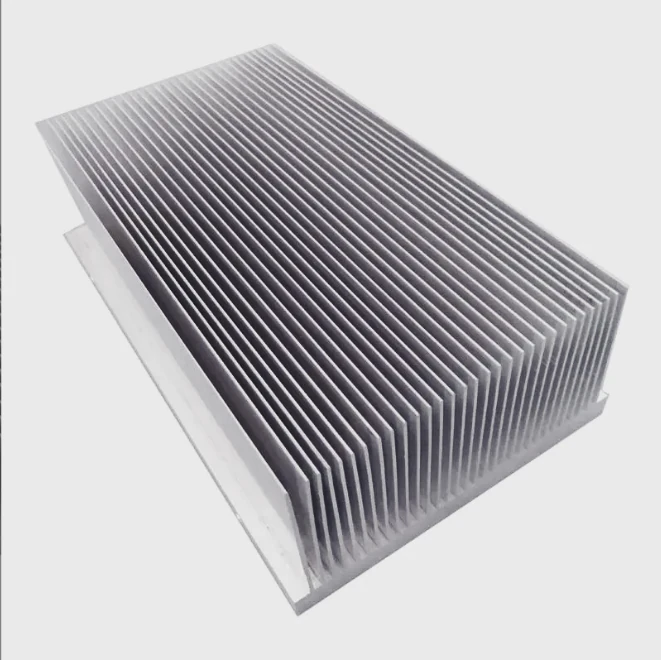
Every sample represents real manufacturing work. Materials must be purchased. CNC machines, extrusion lines, vacuum brazing equipment, or friction stir welding processes must be scheduled. Engineers also spend time reviewing drawings and preparing production instructions.
When Samples May Be Free
Some suppliers offer free samples when:
- The design already exists.
- The customer plans large production volumes.
- The project has long-term cooperation potential.
- Only existing inventory products are requested.
This approach helps both companies build trust before mass production begins.
When Sample Fees Are Common
Custom products often require:
- CNC programming
- New extrusion dies
- Welding fixtures
- Surface treatment
- Thermal testing
- Inspection reports
These costs make free sampling difficult, especially for highly customized thermal solutions.
Some manufacturers charge a sample fee first and later deduct that amount from the customer’s first production order. This creates a fair balance for both parties.
Buyers should also remember that shipping costs are usually separate from sample costs. International courier services can sometimes cost more than the sample itself, especially for large aluminum or copper heat sinks.
Instead of focusing only on whether a sample is free, experienced purchasing managers usually evaluate the total value received.
A quality sample may include:
- Engineering suggestions
- Manufacturing feedback
- Thermal simulation
- Material recommendations
- Inspection reports
- Packaging evaluation
These services often provide much greater value than the sample price alone.
For complex industries such as aerospace, railway, renewable energy, and telecommunications, investing in a professionally manufactured prototype often reduces much larger production risks later.
What Information Is Needed for Approval?
A supplier cannot approve a sample request without understanding the technical requirements. Complete information allows engineers to determine whether the requested heat sink can meet performance expectations.
Most suppliers require application details, heat load, dimensions, material preferences, drawings, expected quantity, and project timeline before approving custom heat sink samples. Complete information leads to faster quotations and better engineering recommendations.
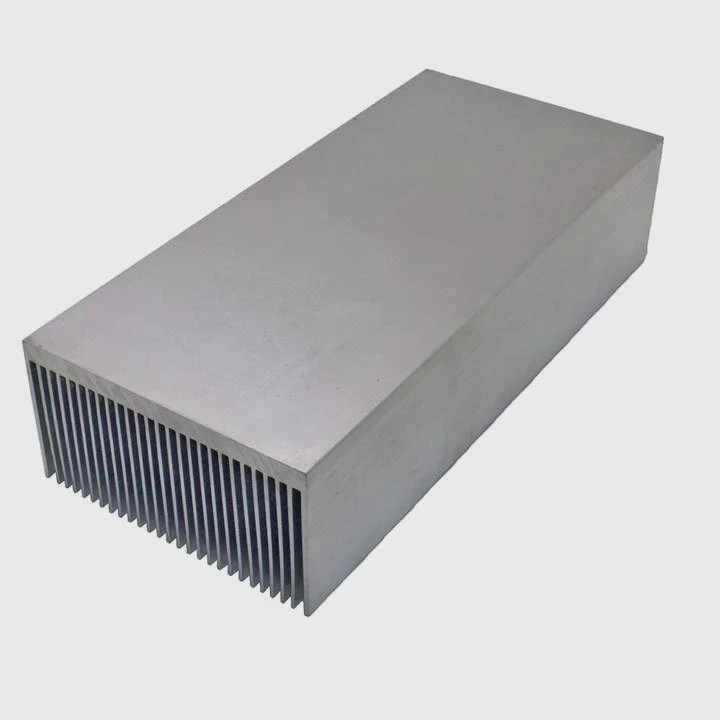
Many first-time buyers believe only dimensions matter. In reality, thermal performance depends on many different factors working together.
Key Technical Information
Engineers usually begin with several basic questions.
- How much heat must be removed?
- What generates the heat?
- What is the maximum operating temperature?
- Is natural cooling enough?
- Will fans or liquid cooling be used?
- What installation space is available?
Without these answers, even the best manufacturer cannot recommend the correct design.
Typical Approval Checklist
| Required Information | Purpose |
|---|---|
| Product application | Understands working conditions |
| Heat generation (W) | Calculates thermal capacity |
| Maximum temperature | Defines cooling target |
| Available installation space | Determines geometry |
| Material preference | Aluminum or copper selection |
| Drawing or 3D model | Supports engineering review |
| Annual demand | Estimates manufacturing plan |
Drawings Improve Accuracy
A CAD file allows engineers to verify:
- Mounting holes
- Base thickness
- Fin spacing
- Interface locations
- Manufacturing feasibility
Even early sketches are often enough to begin technical discussions.
Another important factor is the operating environment.
For example:
- Outdoor equipment may require corrosion-resistant coatings.
- Railway equipment may require vibration resistance.
- Medical equipment may require strict cleanliness.
- Semiconductor equipment may require high flatness.
- Marine applications may require salt spray protection.
These environmental factors directly affect material selection and manufacturing processes.
Project timing is also important. If the customer expects production within several weeks, engineers may recommend manufacturing methods that reduce tooling time.
Clear communication during sample approval also builds confidence between both companies. When suppliers ask many technical questions, it often shows they care about product performance rather than simply making a sale.
Strong engineering communication during sampling usually leads to smoother production later.
Can Lead Time Affect Sample Availability?
Many purchasing managers assume samples can always be delivered immediately. In reality, production schedules and manufacturing methods greatly influence sample availability.
Yes. Lead time directly affects sample availability. Existing designs can often ship quickly, while custom heat sinks requiring tooling, machining, welding, or thermal testing usually need additional production time.
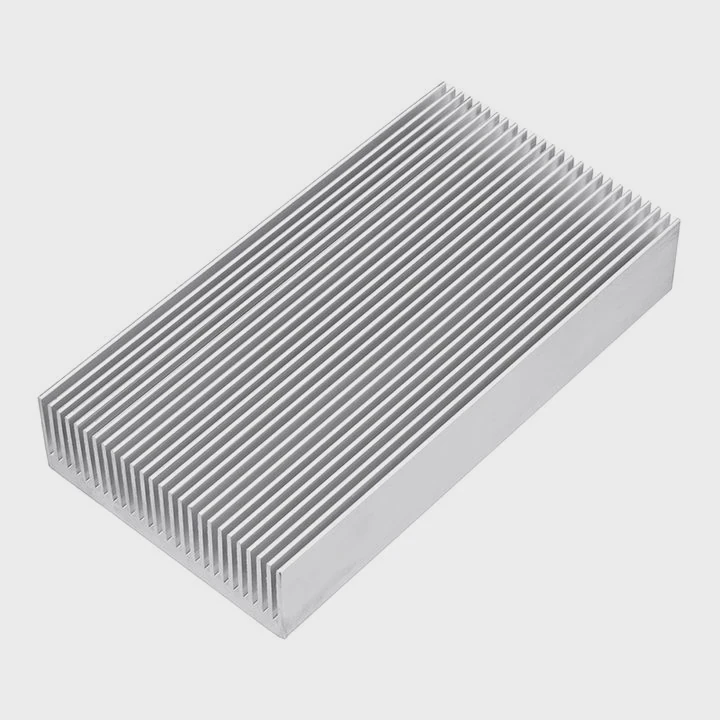
Sample lead time depends on much more than factory workload.
Several factors influence delivery.
Manufacturing Method
Different manufacturing technologies require different preparation times.
For example:
- Standard extrusion may already exist.
- Custom extrusion requires die production.
- CNC machining requires programming.
- Vacuum brazing requires fixture preparation.
- Friction stir welding requires process setup.
- Vapor chamber integration requires additional manufacturing steps.
Each process adds time before production begins.
Design Complexity
Simple plate-fin heat sinks can often be produced quickly.
Highly integrated cooling modules combining liquid cooling plates, vapor chambers, heat pipes, and precision machining naturally require longer engineering preparation.
Large assemblies also require more inspection before shipment.
Material Availability
Sometimes raw material availability affects schedules.
Common aluminum grades usually remain available.
Special copper alloys, large forgings, or imported materials may require additional purchasing time.
Production Scheduling
Factories constantly balance many customer orders.
Urgent projects may receive priority scheduling, while lower-volume prototype work waits for available machine capacity.
Good communication allows suppliers to provide realistic delivery dates instead of making promises they cannot keep.
Ways Buyers Can Reduce Lead Time
Buyers can shorten sample schedules by providing complete information at the beginning.
Helpful practices include:
- Finalize drawings early.
- Confirm dimensions before production.
- Respond quickly to engineering questions.
- Approve design revisions promptly.
- Discuss urgent deadlines honestly.
These simple actions often reduce several days from the engineering process.
Many experienced buyers also understand that extremely fast samples are not always better. A carefully reviewed prototype usually identifies manufacturing problems before expensive production begins.
Thermal testing, dimensional inspection, and assembly verification during sampling often prevent costly changes later.
For long-term projects, spending a few extra days on prototype validation frequently saves weeks during mass production.
A supplier that openly explains production schedules, manufacturing processes, and quality inspection plans often demonstrates stronger project management than one that simply promises the fastest delivery.
Conclusion
Requesting a heat sink sample is usually straightforward when buyers provide complete technical information. Online forms, clear drawings, realistic schedules, and open communication help suppliers deliver accurate prototypes faster. A well-managed sample process builds confidence, improves product quality, and lays the foundation for successful long-term production partnerships.