How are heat sink price terms determined?
- Yongxing
- 21 Jul ,2026

Heat sink prices are not decided by one single factor. Many customers focus only on unit price, but material selection, production methods, order volume, and delivery conditions all influence the final cost.
Heat sink price terms are determined by product design, material cost, manufacturing complexity, order quantity, shipping conditions, and customer requirements. A clear pricing structure helps buyers understand what they are paying for and helps suppliers provide accurate quotations.
When I discuss heat sink projects with customers, I find that price is usually connected with performance expectations. A simple aluminum heat sink for standard equipment has different cost factors from a customized liquid cooling plate for high-power systems.
A professional quotation should include more than a number. It should explain the product specifications, production process, quality requirements, and delivery terms. This allows both sides to create a stable business relationship.
Do material types influence cost?
Material types strongly influence heat sink cost because different metals have different prices, thermal performance, processing difficulty, and supply conditions. Aluminum, copper, and hybrid materials create different cost structures.
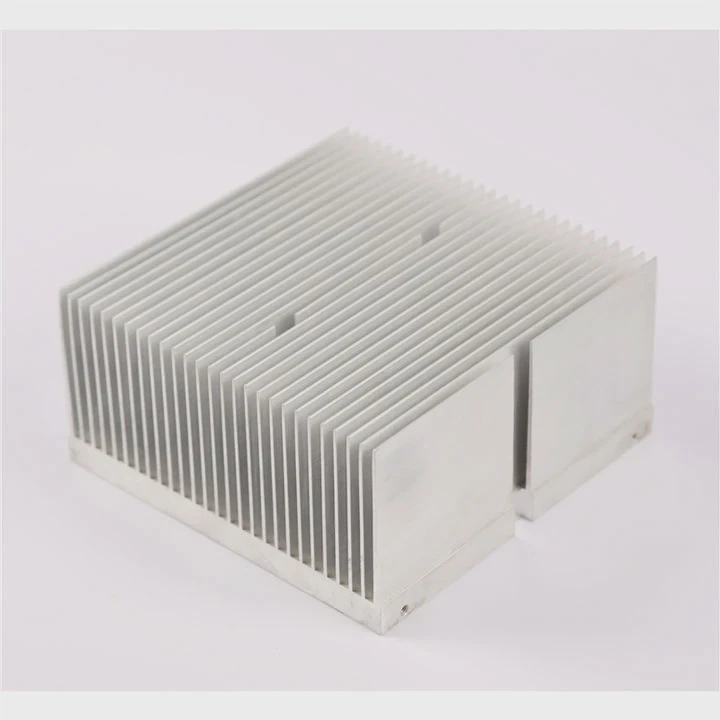
The material is one of the first factors suppliers consider when calculating heat sink prices. The selected material affects not only raw material cost but also manufacturing methods and final performance.
Aluminum is the most common material for heat sinks because it provides good thermal conductivity, low weight, and reasonable cost. Many industrial cooling solutions use aluminum extrusion because it supports efficient mass production.
Copper provides better thermal conductivity than aluminum, but it is heavier and usually more expensive. Copper heat sinks are often used in applications where higher heat transfer performance is required.
| Material type | Main advantages | Cost impact |
|---|---|---|
| Aluminum alloy | Lightweight, easy processing, good thermal performance | Lower to medium cost |
| Copper | Higher thermal conductivity | Higher material cost |
| Aluminum-copper combination | Balance between weight and performance | Medium to high cost |
| Special alloys | Specific performance requirements | Higher cost |
Material selection is not only about buying cheaper raw materials. The correct material must match the application requirements.
For example, a customer producing communication equipment may prefer aluminum because weight and cost are important. A semiconductor application may require copper because heat removal performance is the priority.
Material thickness also affects price. A thicker base plate usually requires more material and more processing time. However, a thicker structure may improve thermal performance and mechanical strength.
The manufacturing process also changes depending on the material. Aluminum is suitable for extrusion, while copper may require additional machining or special joining methods.
Surface treatment is another cost factor related to materials. Aluminum heat sinks often require anodizing for corrosion protection and appearance improvement. Copper products may require different surface protection methods.
I believe material selection should always consider total value instead of only the initial price. A cheaper material may create problems if it cannot meet thermal requirements.
For OEM customers, engineers usually compare thermal needs, product lifetime, production volume, and budget before selecting materials.
A reliable supplier should explain why a certain material is recommended. Customers should understand how the material choice affects both price and performance.
The best heat sink solution is not always the cheapest option. It is the solution that provides stable performance at a reasonable cost.
Can order quantity affect unit price?
Order quantity can significantly affect heat sink unit price because larger production volumes allow manufacturers to spread engineering, tooling, and setup costs across more products.
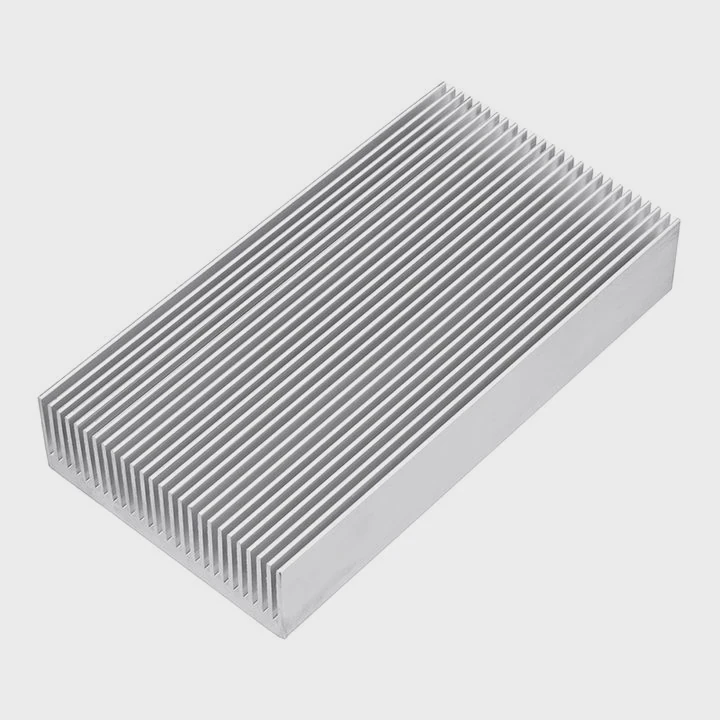
Manufacturing cost includes both fixed costs and variable costs. Fixed costs include tooling, design preparation, and production setup. Variable costs include materials, labor, and processing.
When the order quantity increases, fixed costs become smaller per unit. This is why large-volume orders usually receive better unit prices.
| Order quantity level | Pricing effect | Typical situation |
|---|---|---|
| Small quantity | Higher unit price | Prototype or testing stage |
| Medium quantity | Balanced pricing | Initial production orders |
| Large quantity | Lower unit price | Stable mass production |
For example, a customized aluminum extrusion heat sink may require a new extrusion die. The tooling cost is paid before mass production begins. If a customer orders only a small quantity, the tooling cost creates a higher unit price.
If the same customer orders thousands of pieces, the tooling cost is distributed across more products. The unit price becomes lower.
Production efficiency also improves with larger orders. Manufacturers can organize production schedules better, reduce machine setup changes, and improve material utilization.
However, larger orders do not always mean the lowest total cost. Customers need to consider inventory, storage, and demand stability.
A company should not order excessive quantities only to reduce unit price. Extra inventory may create financial pressure or product storage problems.
For OEM projects, suppliers often provide different pricing levels based on quantity forecasts. Customers may receive better terms when they provide annual demand information.
I find that long-term cooperation often creates better pricing opportunities. When suppliers understand customer requirements and production schedules, they can optimize resources more effectively.
Another factor is production repeatability. A repeated order usually costs less than a first order because engineering work and process preparation are already completed.
The first production run may include design confirmation, prototype testing, and process adjustment. Later orders usually move faster and require fewer preparation steps.
For customers, it is useful to discuss future demand during the quotation stage. A supplier can provide more accurate pricing when the expected production volume is clear.
Order quantity is not only a purchasing decision. It is also part of production planning.
A good OEM partnership helps customers find the right balance between unit price, inventory level, and product demand.
Are shipping and taxes included?
Shipping and taxes may or may not be included in heat sink pricing because different suppliers use different quotation terms. Customers need to confirm delivery conditions before placing orders.
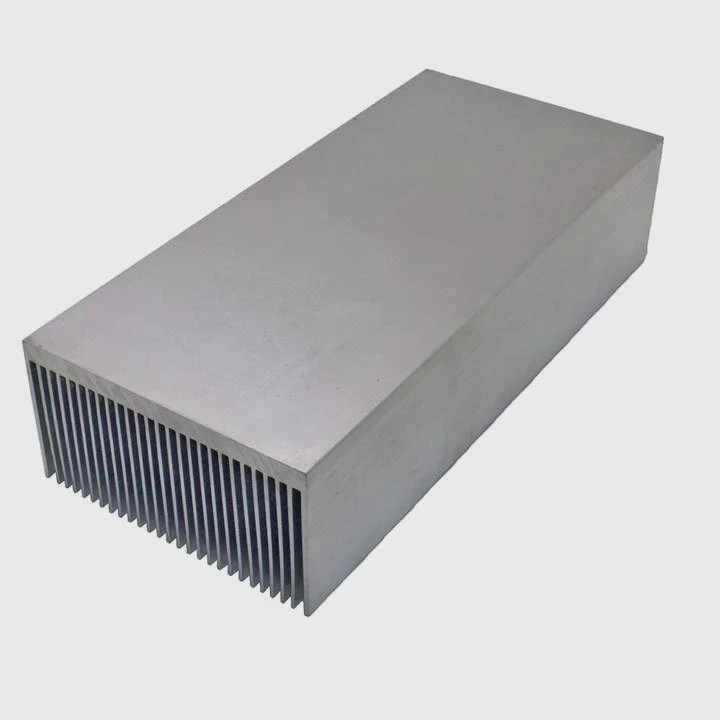
Heat sink pricing often involves international trade because many manufacturers supply customers worldwide. Shipping costs, customs fees, and taxes can influence the final purchase cost.
A quotation usually defines whether the price includes transportation and related charges.
| Price term | Included items | Customer responsibility |
|---|---|---|
| EXW | Product cost only | Shipping and customs |
| FOB | Product and export handling | Main transportation and import costs |
| CIF | Product, shipping, and insurance | Import taxes and local fees |
| DDP | Product, shipping, duties, taxes | Usually minimum extra costs |
Different customers choose different trade terms depending on their purchasing process.
Some companies have their own logistics partners. They may prefer terms where they control transportation. Other customers prefer suppliers to manage delivery from factory to destination.
Shipping cost depends on several factors:
- Product weight
- Package size
- Shipping distance
- Transportation method
- Delivery speed
Heat sinks can sometimes be lightweight but large in size because of fin structures. In this case, package volume may influence transportation cost.
Taxes also depend on the destination country and local regulations. Customers should understand their import responsibilities before confirming an order.
For international OEM customers, clear communication about price terms is important. A low product price may not represent the final cost if additional fees appear later.
I believe transparent quotations create stronger customer relationships. Suppliers should clearly explain what is included and what is excluded.
A professional supplier usually provides detailed commercial information, including product price, packaging cost, shipping options, and payment terms.
Customers should also consider delivery reliability. The cheapest shipping option may not always be the best choice if the project has strict deadlines.
For urgent projects, faster transportation may be worth the additional cost. For regular production, customers may choose more economical shipping methods.
The final heat sink cost is a combination of product value and delivery conditions. Understanding these factors helps customers make better purchasing decisions.
Which factors impact overall pricing?
Overall heat sink pricing depends on multiple factors, including design complexity, material choice, manufacturing process, quality requirements, order quantity, and delivery conditions. A complete evaluation is needed to determine the final cost.
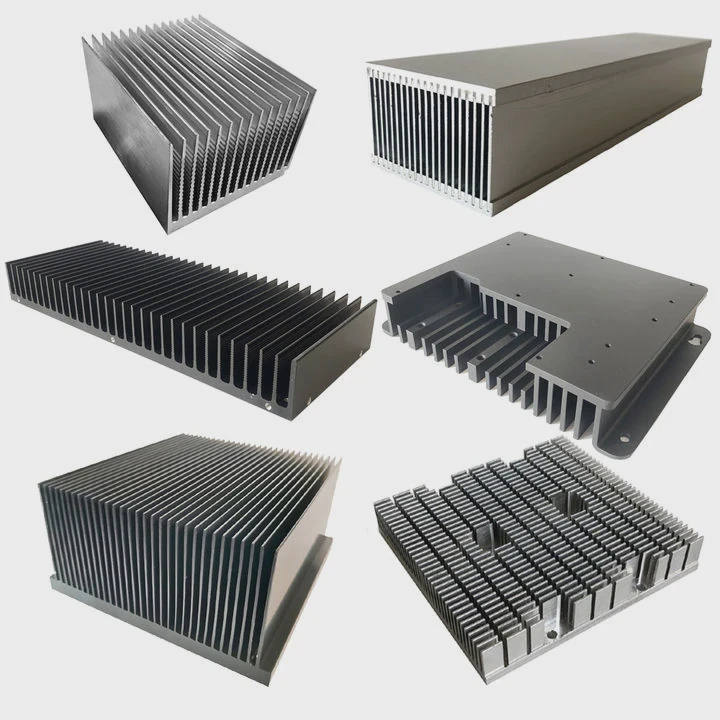
A heat sink is a manufactured solution, not only a metal component. Every design decision can influence the final quotation.
The first factor is product design. A standard heat sink profile usually costs less than a fully customized thermal module.
Custom designs may require engineering analysis, drawings, prototypes, and testing. These additional steps increase development costs.
The second factor is manufacturing technology. Different processes have different cost levels.
| Pricing factor | Cost influence |
|---|---|
| Material selection | Changes raw material cost |
| Product design | Affects engineering and tooling cost |
| Production process | Determines manufacturing expense |
| Quality requirements | Adds inspection and testing cost |
| Quantity | Changes unit cost |
| Packaging | Influences delivery preparation |
Extrusion is often suitable for high-volume aluminum heat sinks. CNC machining may be used for precise structures. Vacuum brazing, friction stir welding, and liquid cooling manufacturing may increase cost because they require advanced equipment and skills.
Quality requirements also affect pricing. Some industries need special certifications, reliability tests, or complete documentation.
For example, automotive, railway, medical, and aerospace customers often require stronger quality control than general industrial applications.
Testing requirements can include thermal testing, environmental testing, dimensional inspection, and reliability verification.
Packaging requirements also influence total cost. A simple heat sink shipment may use standard cartons, while precision products may require customized trays, foam protection, or anti-static packaging.
I believe customers should evaluate pricing based on the complete solution. A slightly higher product price may provide better reliability, lower failure risk, and stronger long-term value.
A good supplier should help customers optimize cost without reducing necessary performance. Engineers can often adjust materials, structures, or production methods to achieve a better balance.
The best pricing strategy comes from cooperation. When customers share application details and future demand, suppliers can design more efficient solutions.
Heat sink pricing is a technical and commercial decision. Understanding each factor helps customers choose products that match both performance goals and budget expectations.
Conclusion
Heat sink price terms depend on materials, order quantity, shipping conditions, and technical requirements. A clear understanding of these factors helps customers select cost-effective heat sink solutions with reliable performance.