How Long Is the Typical Production Cycle for Heat Sinks?
- Yongxing
- 23 Jul ,2026
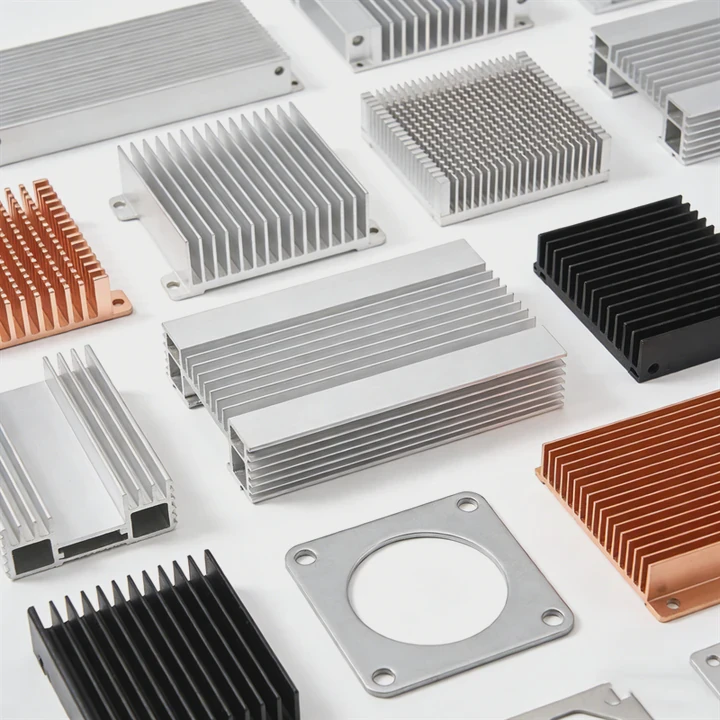
Many buyers need heat sinks quickly for new projects. However, production time depends on design complexity, manufacturing process, order quantity, and quality requirements.
The typical production cycle for heat sinks usually ranges from several weeks to a few months. Standard heat sinks can be produced faster, while custom heat sinks require more time for design, tooling, testing, and production preparation.
A heat sink production cycle includes several steps. These steps may include engineering review, material preparation, prototype production, testing, surface treatment, and final manufacturing.
Understanding each stage helps buyers create realistic project schedules and avoid unexpected delays.
Do Custom Designs Extend Production Time?
Custom heat sinks usually require more engineering work than standard products. A unique design may need additional time before production can begin.
Yes, custom designs usually extend production time because they require design evaluation, tooling preparation, prototype development, and performance verification before mass production.
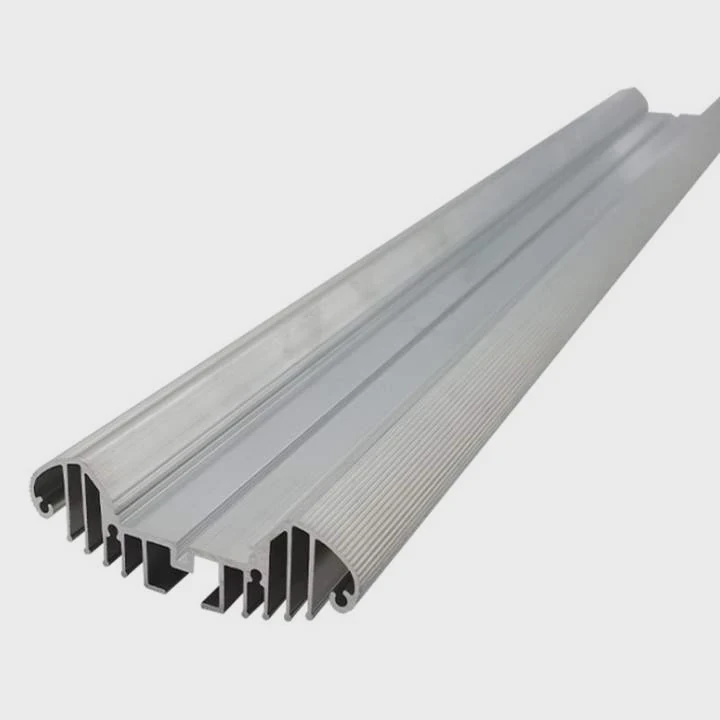
A standard heat sink may already have an existing production process. A custom heat sink requires manufacturers to create a new solution based on customer requirements.
The production cycle often starts with technical communication.
Common Steps for Custom Heat Sink Production
| Production Stage | Main Activities |
|---|---|
| Design review | Checks drawings and thermal requirements |
| Engineering analysis | Evaluates structure and manufacturing feasibility |
| Tooling preparation | Creates extrusion dies or fixtures |
| Prototype production | Produces initial samples |
| Testing | Confirms thermal and mechanical performance |
| Mass production | Begins final manufacturing |
Each stage affects the total lead time.
Why Custom Designs Need More Time
Custom heat sinks may require:
- New aluminum extrusion dies
- CNC machining programs
- Welding fixtures
- Special surface treatments
- Thermal simulation
- Reliability testing
For example, an aluminum extrusion heat sink with a simple profile may move quickly into production.
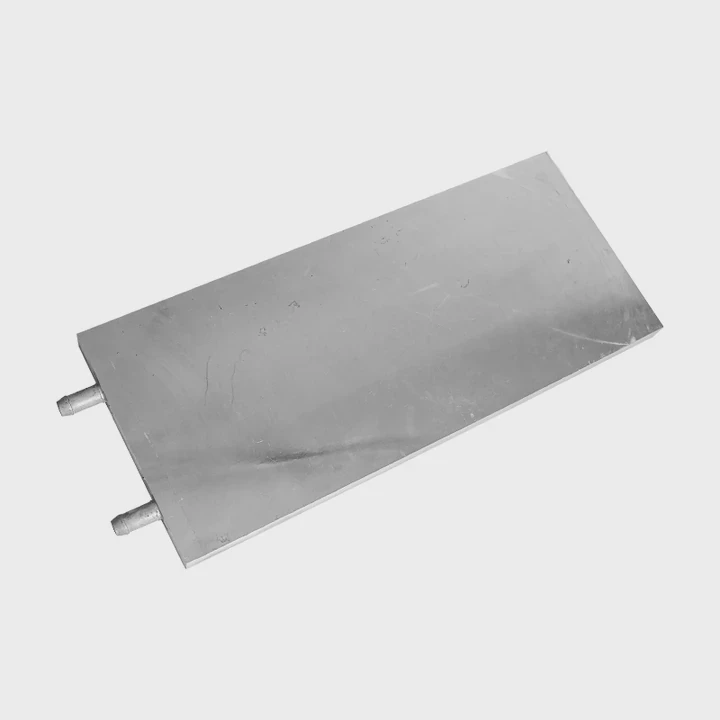
However, a liquid cooling plate with complex internal channels may require more engineering work.
Design Complexity Matters
Not all custom heat sinks have the same production cycle.
A simple customization may include:
- Changing dimensions
- Adjusting mounting holes
- Modifying surface treatment
These changes usually require less time.
A complex design may involve:
- New thermal structures
- Copper-aluminum combinations
- Vapor chamber integration
- Liquid cooling channels
These projects require more evaluation.
Engineering Communication Can Reduce Delays
Clear communication between buyers and manufacturers helps shorten production time.
Useful information includes:
- 3D drawings
- Heat load requirements
- Installation conditions
- Material preferences
- Expected quantity
When engineers receive complete information early, they can provide accurate production plans.
A professional heat sink supplier usually reviews the design before manufacturing. This step may seem slower at the beginning, but it helps prevent production problems later.
A detailed design review creates a smoother production cycle and reduces the risk of redesign.
Does Batch Size Affect Lead Time?
Order quantity has a direct impact on heat sink production schedules. Small samples and large production orders follow different manufacturing processes.
Yes, batch size affects lead time because larger orders require more material preparation, machine scheduling, production capacity, and quality inspection time.
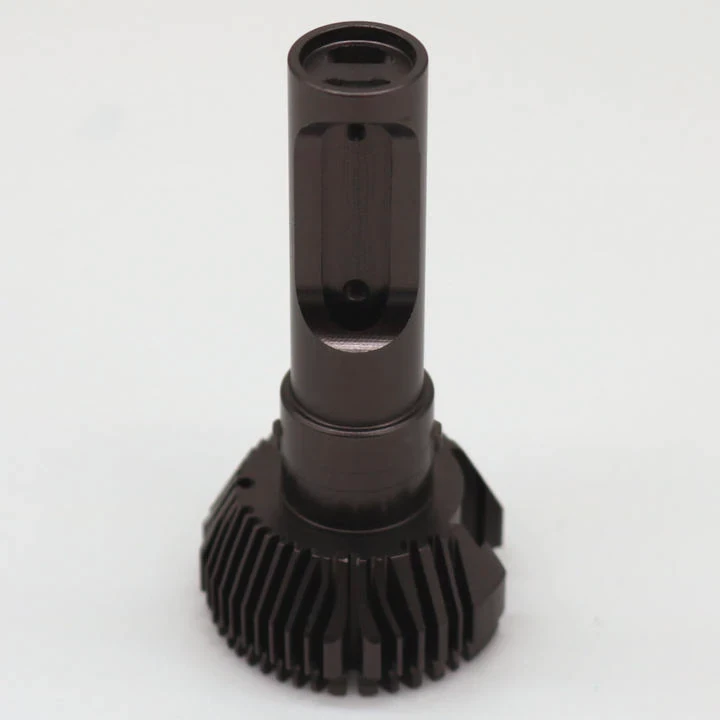
A supplier may complete a small prototype order quickly, but a large production order requires more planning.
Production Time by Order Type
| Order Type | Typical Production Situation |
|---|---|
| Prototype sample | Engineering and testing focused |
| Small batch | Flexible production scheduling |
| Medium batch | Regular manufacturing process |
| Large batch | Requires capacity planning |
Small Batch Production
Small quantities are usually used for:
- Product testing
- Engineering verification
- Market evaluation
The supplier focuses on confirming:
- Dimensions
- Thermal performance
- Assembly compatibility
Small batch production may not require full production optimization.
Large Batch Production
Large orders require additional preparation.
Manufacturers need to manage:
- Raw material supply
- Production schedules
- Worker allocation
- Equipment capacity
- Inspection processes
For example, producing thousands of aluminum heat sinks for an energy storage system requires careful planning.
The supplier must ensure:
- Consistent dimensions
- Stable thermal performance
- Reliable packaging
- On-time shipment
How Volume Influences Manufacturing Methods
Large quantities may allow manufacturers to use more efficient processes.
Examples include:
- Aluminum extrusion production
- Automated machining
- Continuous surface treatment
- Batch testing
These methods improve efficiency but require preparation time.
Why Planning Matters
Large orders should be planned earlier.
Buyers can reduce delays by confirming:
- Final drawings
- Annual demand
- Delivery schedule
- Quality standards
A supplier can then prepare materials and production resources in advance.
For long-term projects, manufacturers often create production plans based on forecast demand. This approach improves delivery stability.
Batch size does not always mean longer production time. A large order from a regular customer may be easier to manage than a small order with complicated requirements.
The complete project situation determines the actual lead time.
Can Rush Orders Be Accommodated?
Many customers need heat sinks quickly because their projects have strict deadlines. Suppliers may support urgent requests, but fast production depends on available resources.
Yes, some heat sink suppliers can accommodate rush orders, especially when materials, tooling, and production capacity are available. However, urgent schedules may require simplified designs or additional production costs.
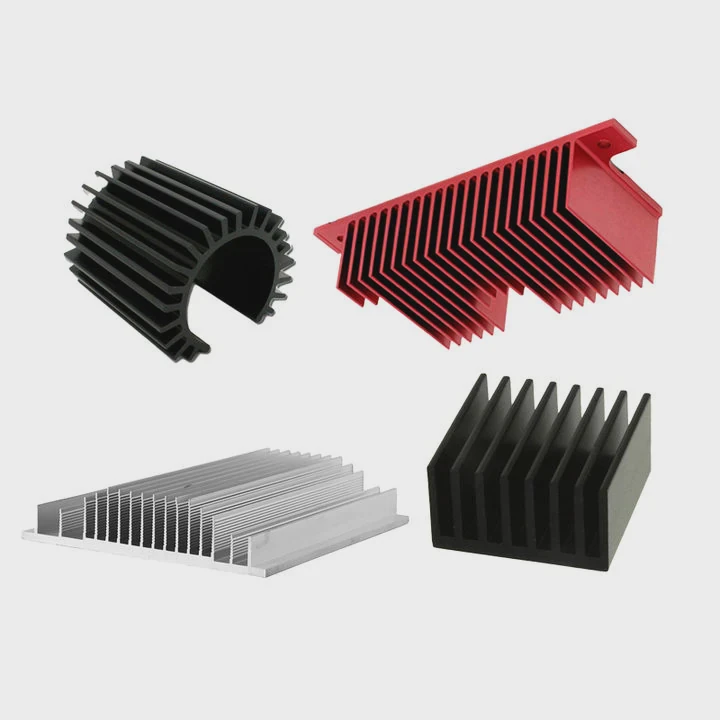
Rush orders require cooperation between buyers and suppliers.
A supplier must review whether the requested deadline is realistic.
Factors Affecting Rush Order Possibility
| Factor | Impact on Rush Production |
|---|---|
| Existing tooling | Faster production |
| Material availability | Reduces waiting time |
| Production capacity | Determines scheduling |
| Design complexity | Affects engineering time |
| Quantity | Influences manufacturing speed |
When Rush Orders Are Easier
Fast production is more possible when:
- The design already exists.
- Materials are available.
- No new tooling is required.
- Quantity is limited.
- Testing requirements are simple.
For example, an existing aluminum extrusion heat sink profile may be produced faster than a completely new custom design.
Challenges of Urgent Production
Rush production may create challenges.
Manufacturers still need to maintain:
- Product quality
- Dimensional accuracy
- Thermal performance
- Inspection standards
Reducing production time should not mean reducing quality control.
A professional supplier balances speed and reliability.
Ways Buyers Can Support Faster Delivery
Buyers can help by:
- Providing complete drawings
- Confirming specifications quickly
- Approving samples without delay
- Sharing accurate deadlines
- Preparing payment documents on time
Fast communication is one of the most important factors in urgent projects.
Is Faster Always Better?
A very short production cycle may create risks if important steps are skipped.
Heat sinks often require:
- Thermal verification
- Dimensional inspection
- Surface quality checks
These steps protect final product performance.
A good supplier explains what can be accelerated and what steps must remain unchanged.
For critical applications such as railway systems, medical equipment, and industrial power systems, reliability is usually more important than saving a few days.
A balanced schedule creates better long-term results.
Which Factors Influence Schedule Accuracy?
Accurate production planning requires understanding many factors. A supplier cannot provide a reliable delivery date without complete project information.
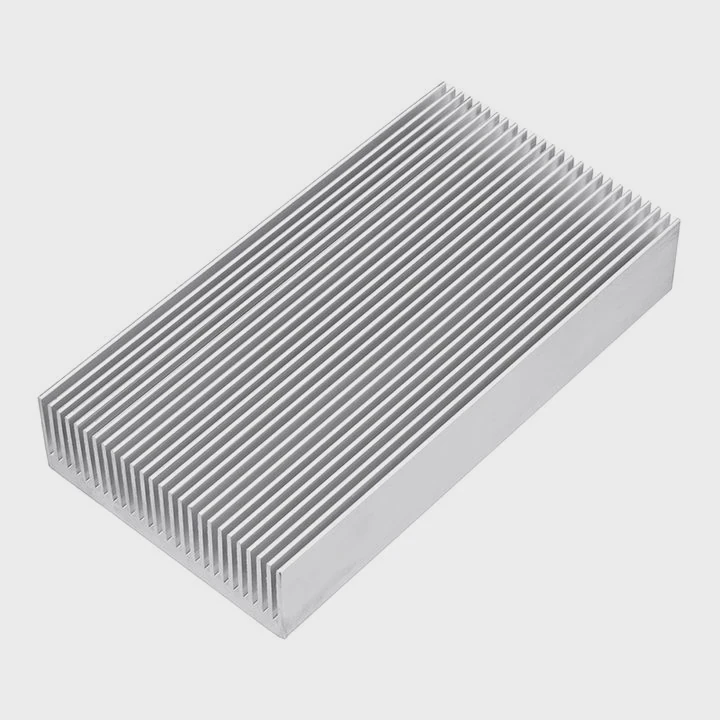
Production schedule accuracy depends on design clarity, material availability, manufacturing process, order quantity, testing requirements, and communication between buyers and suppliers.
A realistic production schedule starts with accurate information.
Many delays happen because important details are missing during the early stages.
Main Factors Affecting Lead Time
| Factor | How It Influences Schedule |
|---|---|
| Design quality | Reduces engineering changes |
| Material supply | Controls production preparation |
| Manufacturing method | Determines processing time |
| Quality requirements | Adds inspection time |
| Communication speed | Affects decision-making |
Design Accuracy
Complete and accurate drawings help suppliers prepare faster.
Missing information may cause:
- Additional questions
- Design changes
- Production pauses
A detailed drawing allows engineers to evaluate manufacturing requirements immediately.
Material Availability
Materials directly influence production timing.
Common aluminum materials are usually easier to obtain.
Special materials may require additional preparation.
Examples include:
- High-performance copper alloys
- Special aluminum grades
- Custom metal combinations
Manufacturing Process
Different processes have different schedules.
| Process | Typical Consideration |
|---|---|
| Extrusion | Requires profile tooling |
| CNC machining | Requires programming |
| Vacuum brazing | Requires process preparation |
| Liquid cooling | Requires sealing and testing |
The selected process directly affects production time.
Quality Requirements
Higher quality requirements may increase production time.
Additional steps may include:
- Thermal testing
- Pressure testing
- Reliability evaluation
- Inspection reports
These steps are important for demanding industries.
Communication Between Both Sides
Fast and clear communication improves schedule accuracy.
Buyers should provide:
- Technical requirements
- Project deadlines
- Quantity forecasts
- Testing standards
Suppliers should provide:
- Production plans
- Manufacturing updates
- Quality information
- Delivery expectations
Good communication creates better cooperation.
A reliable heat sink manufacturer does not only promise fast delivery. The manufacturer creates a realistic schedule and follows a controlled production process.
Conclusion
The typical heat sink production cycle depends on design complexity, batch size, manufacturing methods, and quality requirements. Custom designs usually take longer, while standard products can move faster. Clear communication, accurate planning, and professional manufacturing processes help ensure reliable delivery schedules.