How to Calculate Heat Sink Pricing?
- Yongxing
- 24 Jul ,2026
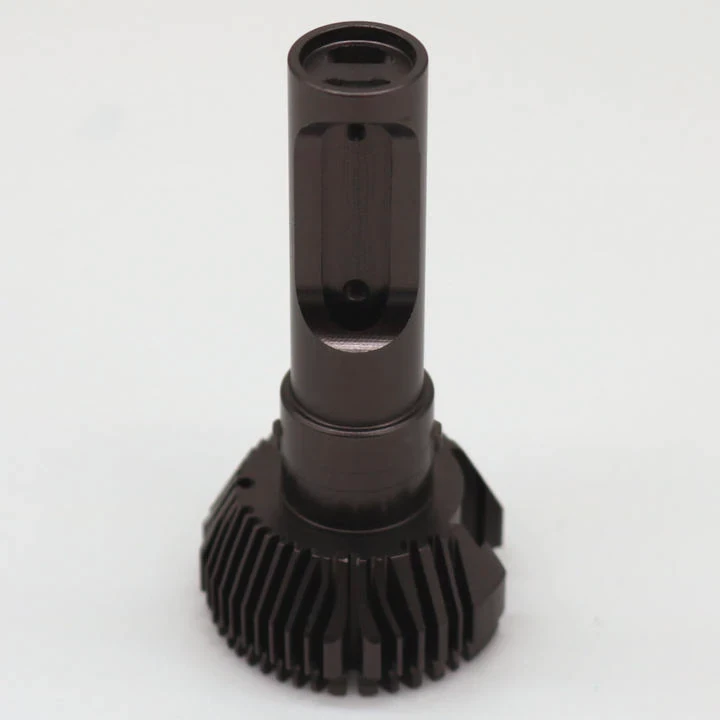
Many buyers want to know why heat sink prices can vary from a few dollars to hundreds of dollars. The difference often comes from design complexity, material choice, manufacturing process, and order requirements. Without understanding these factors, it is difficult to compare supplier quotations.
Heat sink pricing is calculated by evaluating material cost, design complexity, manufacturing process, surface treatment, testing requirements, order quantity, and logistics expenses. Each factor changes the final unit price.
When I provide heat sink solutions for industrial customers, I do not calculate the price only from the raw material weight. A reliable quotation must consider the complete production process from design to delivery. A simple aluminum extrusion heat sink and a complex liquid cooling heat sink may have completely different cost structures.
Which factors determine heat sink cost?
Heat sink cost depends on many technical and commercial factors. A small change in design can influence tooling, machining time, production efficiency, and final performance.
The main factors that determine heat sink cost include material type, heat sink size, manufacturing method, design complexity, surface treatment, quality requirements, and production volume.
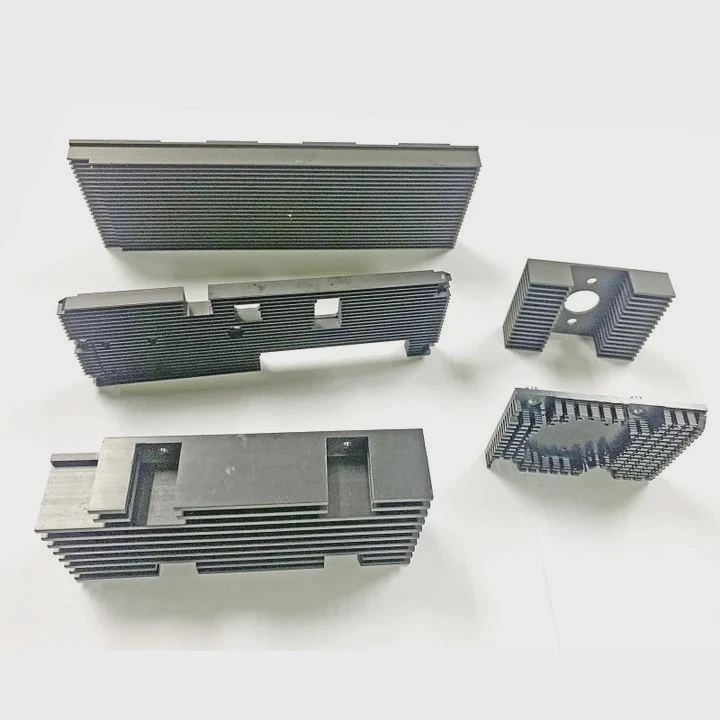
When customers ask for a heat sink quotation, I usually review the complete product requirement first. A heat sink is not only a metal component. It is a thermal management product that needs to meet specific cooling targets.
Main Cost Elements in Heat Sink Pricing
| Cost Factor | Description | Impact on Price |
|---|---|---|
| Material | Aluminum, copper, composite materials | Medium to high |
| Size and Weight | Amount of raw material required | Medium |
| Manufacturing Process | Extrusion, CNC machining, brazing, welding | High |
| Surface Treatment | Anodizing, coating, plating | Low to medium |
| Thermal Performance | Higher cooling requirements need advanced design | High |
| Tooling | New molds or production fixtures | Medium to high |
| Testing | Thermal tests and reliability verification | Medium |
The first important factor is the heat sink design itself. A larger heat sink usually requires more material. However, size alone does not decide the price. A small heat sink with complicated machining can cost more than a large heat sink with a simple extrusion structure.
Manufacturing Process Changes the Cost
Different heat sink manufacturing methods create different price levels.
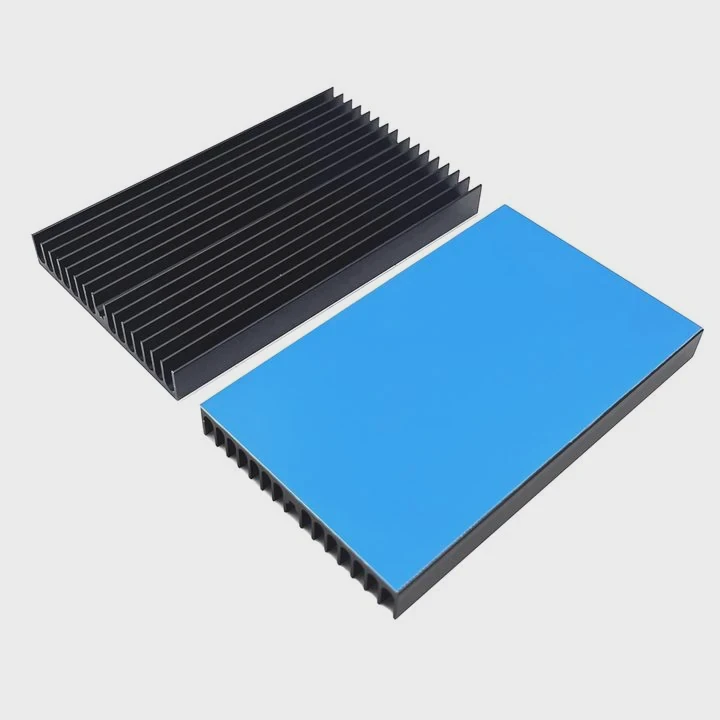
Extruded aluminum heat sinks are often cost-effective for medium and large production quantities. The extrusion process creates consistent profiles with good thermal performance.
CNC machined heat sinks usually cost more because each piece requires individual processing. They are often used for prototypes, low-volume production, or applications that require very high precision.
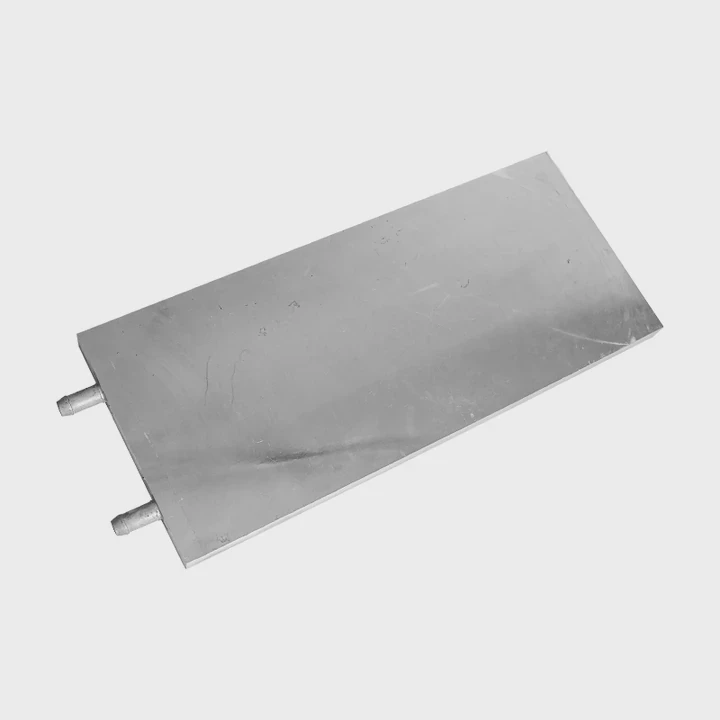
Vacuum brazed heat sinks, liquid cooling plates, and vapor chamber solutions usually have higher prices because they require advanced manufacturing processes and stricter quality control.
| Heat Sink Type | Common Application | Cost Level |
|---|---|---|
| Aluminum Extruded Heat Sink | Industrial electronics | Low to medium |
| CNC Heat Sink | Precision equipment | Medium to high |
| Copper Heat Sink | High thermal conductivity applications | High |
| Liquid Cooling Plate | Battery and power systems | High |
| Vapor Chamber Heat Sink | High-power electronics | Very high |
Another important factor is thermal performance. A customer who only needs basic cooling may choose a standard aluminum heat sink. A customer who needs high-power cooling for semiconductor equipment or railway systems may require copper materials, advanced bonding technology, or thermal simulation.
The required reliability level also changes pricing. Industrial customers often need inspection reports, material certificates, thermal test data, and production traceability. These requirements add cost but also provide long-term value.
A professional heat sink supplier does not only sell metal parts. The supplier provides engineering support, manufacturing control, and quality assurance. These services become part of the total project cost.
Do material types influence price significantly?
Material selection has a direct effect on heat sink pricing. Different metals have different thermal conductivity, density, processing difficulty, and market prices.
Yes. Material types influence heat sink prices significantly because aluminum, copper, and advanced thermal materials have different raw material costs and manufacturing requirements.
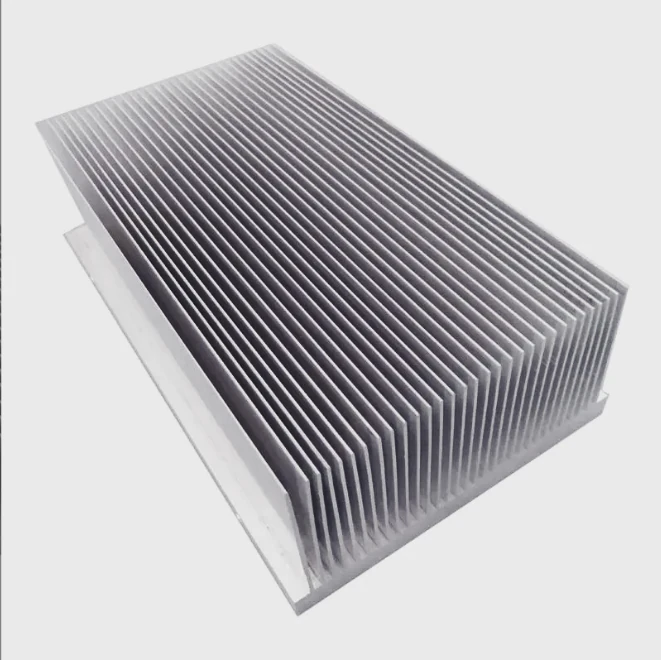
Most industrial heat sinks use aluminum because it provides a good balance between thermal performance, weight, and cost. However, some high-performance applications require copper or hybrid materials.
Common Heat Sink Materials
Aluminum is the most popular material for industrial heat sinks. It is lightweight, corrosion-resistant, easy to process, and suitable for extrusion manufacturing.
Copper provides better thermal conductivity than aluminum. It transfers heat faster, but it is heavier and more expensive. Copper heat sinks are often used in high-power electronics where thermal performance is the top priority.
Composite solutions combine different materials to achieve better performance. For example, a copper base with aluminum fins can provide efficient heat transfer while reducing total weight.
| Material | Thermal Performance | Weight | Typical Cost |
|---|---|---|---|
| Aluminum 6063 | Good | Light | Low |
| Aluminum 6061 | Good | Light | Medium |
| Copper | Excellent | Heavy | High |
| Copper-Aluminum Composite | Excellent | Medium | High |
| Vapor Chamber Material System | Very high | Medium | Very high |
Why Aluminum Remains Popular
Many industrial customers choose aluminum heat sinks because the total value is strong.
Aluminum extrusion allows manufacturers to produce complex fin structures quickly. The production efficiency helps control cost, especially for large orders.
Aluminum also supports many surface treatments. Anodizing improves corrosion resistance and appearance. It also helps maintain long-term performance in harsh industrial environments.
Why Some Applications Need Copper
Copper becomes necessary when heat density is extremely high. Semiconductor equipment, laser systems, military electronics, and high-power converters often require faster heat spreading.
However, choosing copper does not always mean better overall performance. A good heat sink design considers the complete thermal path. If airflow is limited or installation space is poor, simply changing aluminum to copper may not solve the cooling problem.
Engineers need to consider:
- Heat source power
- Operating temperature
- Available space
- Weight limitations
- Manufacturing cost
- Expected service life
The best material is not always the most expensive material. The best choice is the material that meets thermal requirements while keeping the project economically reasonable.
Can order volume reduce unit cost?
Production quantity plays an important role in heat sink pricing. Many customers notice that the unit price changes significantly between prototype orders and mass production orders.
Yes. Higher order volume can reduce heat sink unit cost because tooling, setup, labor, and production preparation costs are distributed across more units.
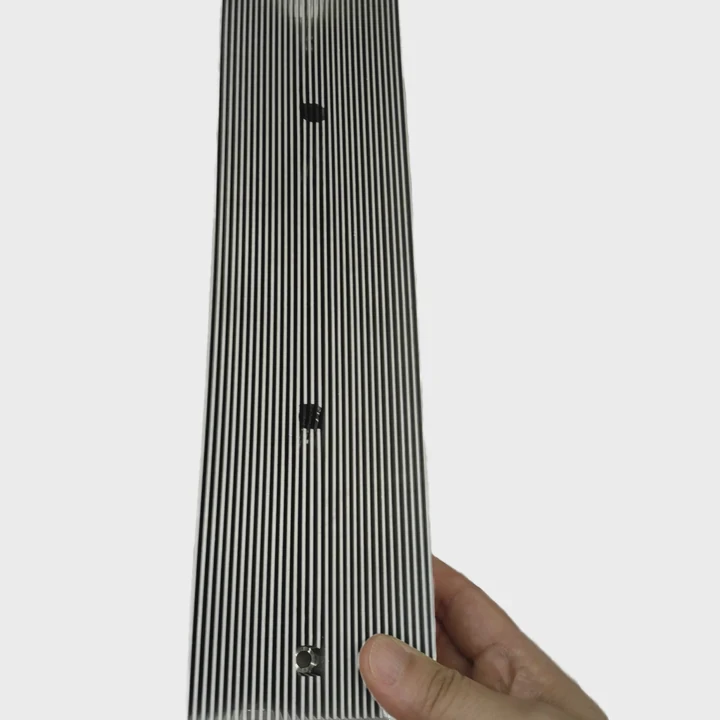
A heat sink project usually has two different cost stages. The first stage is development. The second stage is mass production.
During development, suppliers need to create drawings, confirm materials, prepare samples, and complete testing. These activities create initial costs.
During mass production, production becomes more efficient because processes are already established.
How Volume Changes Pricing
| Order Quantity | Production Situation | Price Trend |
|---|---|---|
| Prototype | Manual processing and testing | Highest unit cost |
| Small Batch | Limited production efficiency | Medium cost |
| Medium Volume | Better process control | Lower cost |
| Large Volume | High production efficiency | Lowest unit cost |
For example, a customer ordering ten custom CNC heat sinks may pay a much higher unit price than a customer ordering ten thousand aluminum extrusion heat sinks.
However, volume is not the only factor. A complex product may still require expensive processing even in large quantities.
Factors That Improve Volume Pricing
Large orders can reduce cost through:
- Better material purchasing
- Faster production setup
- Lower labor cost per unit
- Reduced tooling impact
- Improved manufacturing efficiency
Long-term cooperation can also improve pricing. When suppliers understand the customer’s product requirements, they can optimize production methods and reduce unnecessary costs.
For industrial customers, the goal is not always the lowest initial price. A stable supplier relationship can reduce development time, improve quality consistency, and avoid production delays.
Many customers also use a staged purchasing strategy. They start with prototypes, move to small batch production, and then increase volume after product approval. This approach reduces technical risk while allowing future cost optimization.
A professional heat sink supplier can support this entire process. The supplier helps improve the design before mass production begins, which often creates greater savings than simply negotiating a lower unit price.
Are shipping and taxes included in pricing?
Heat sink quotations can create confusion when buyers compare suppliers from different countries. Some quotations include only manufacturing costs, while others include additional services.
Shipping costs and taxes are usually calculated separately from the heat sink manufacturing price unless the supplier provides a complete delivered price with logistics and customs included.
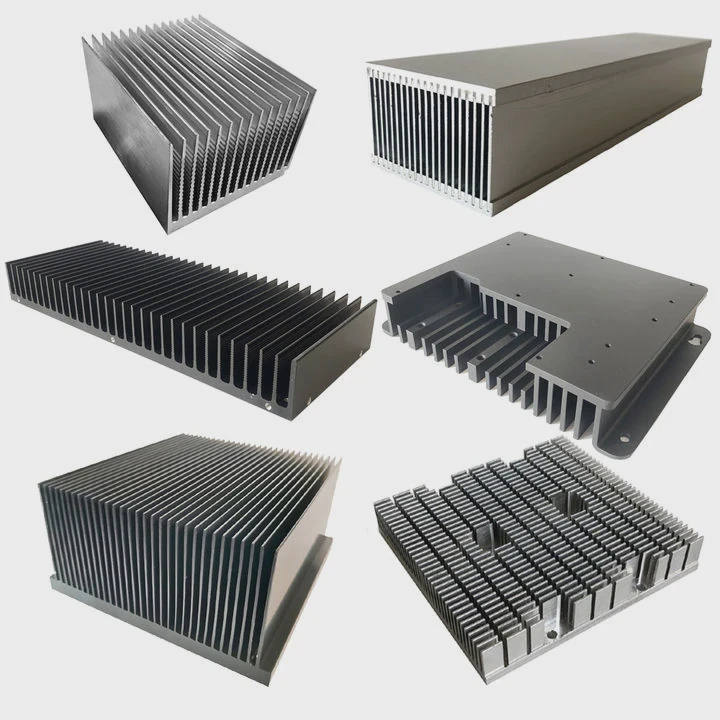
When buying heat sinks internationally, customers should understand the difference between product price and total landed cost.
Common Pricing Components
| Pricing Item | Included in Product Price? | Notes |
|---|---|---|
| Raw Material | Usually yes | Depends on quotation |
| Manufacturing | Usually yes | Main product cost |
| Tooling | Sometimes separate | Common for custom designs |
| Packaging | Sometimes included | Depends on supplier |
| Shipping | Usually separate | Depends on destination |
| Import Tax | Usually paid by buyer | Depends on country |
| Testing Cost | Depends on requirements | Custom projects may need extra fees |
International trade terms also affect pricing. Some suppliers quote only factory prices. Other suppliers provide door-to-door pricing that includes transportation and customs services.
Customers should confirm:
- Delivery location
- Shipping method
- Insurance requirements
- Import responsibilities
- Tax requirements
A low factory price does not always mean a lower total cost. A supplier with better production control and reliable delivery may create more value even if the initial quotation is slightly higher.
For global B2B customers, communication is also part of cost management. Clear drawings, technical specifications, and delivery requirements help avoid unexpected expenses.
When I prepare heat sink quotations for international customers, I focus on providing clear cost information. The customer should understand what is included and what may create additional expenses.
A complete quotation should help customers make decisions, not create confusion. Good pricing transparency builds trust and supports long-term cooperation.
Conclusion
Heat sink pricing depends on materials, design, manufacturing methods, order quantity, and delivery conditions. A correct calculation considers the complete project value, not only the metal cost. Choosing the right supplier helps customers achieve better thermal performance and long-term cost control.