How to Prepare Customs Documents for Heat Sinks?
- Yongxing
- 24 Jul ,2026

International shipping of heat sinks involves more than manufacturing and transportation. Missing or incorrect customs documents can delay delivery, increase costs, and create unnecessary communication problems.
Preparing customs documents for heat sinks requires accurate commercial invoices, packing lists, product information, certificates, and compliance records. Complete documentation helps customs authorities verify the shipment and supports faster international delivery.
Heat sinks are widely exported for electronics, renewable energy, automotive systems, industrial equipment, and communication products. Because these products often cross international borders, suppliers need a clear documentation process. Proper documents help customers receive products smoothly and reduce risks during customs inspection.
Which Invoices and Packing Lists Are Required?
Commercial invoices and packing lists are two of the most important customs documents for heat sink exports. A commercial invoice explains the transaction value and product details, while a packing list provides shipment information such as quantity, weight, and package structure.
Customs authorities use these documents to understand what is being shipped, who is involved, and how the goods should be classified.
Incorrect information may cause delays or additional inspections.
Commercial Invoice Requirements
A commercial invoice is the main document used for customs valuation.
A typical heat sink commercial invoice includes:
| Information | Purpose |
|---|---|
| Seller information | Identifies exporter |
| Buyer information | Identifies importer |
| Product description | Explains shipped goods |
| Quantity | Shows shipment volume |
| Unit price | Determines customs value |
| Total value | Supports tax calculation |
| Currency | Defines transaction value |
| Incoterms | Defines shipping responsibility |
| Country of origin | Supports customs review |
The product description should be clear.
For example, writing only “metal parts” is not recommended because it does not explain the product.
A better description may include:
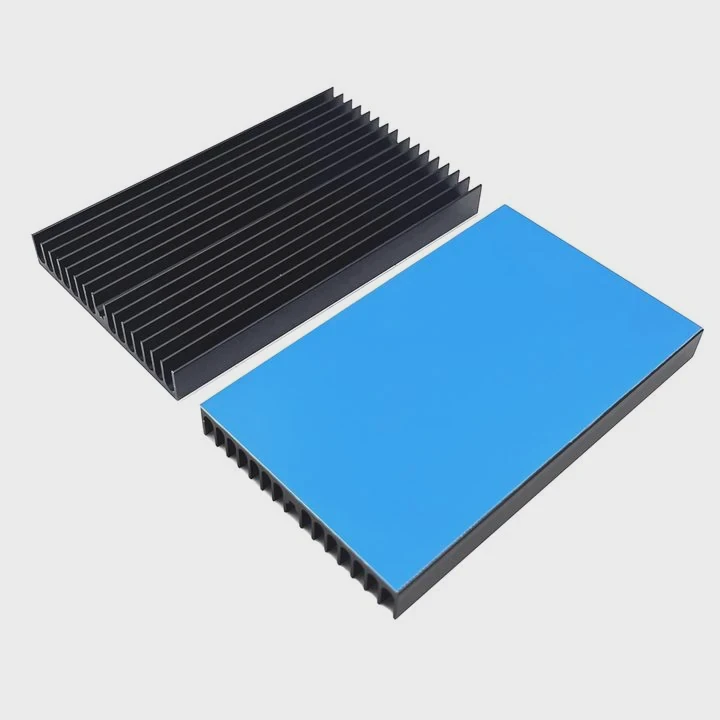
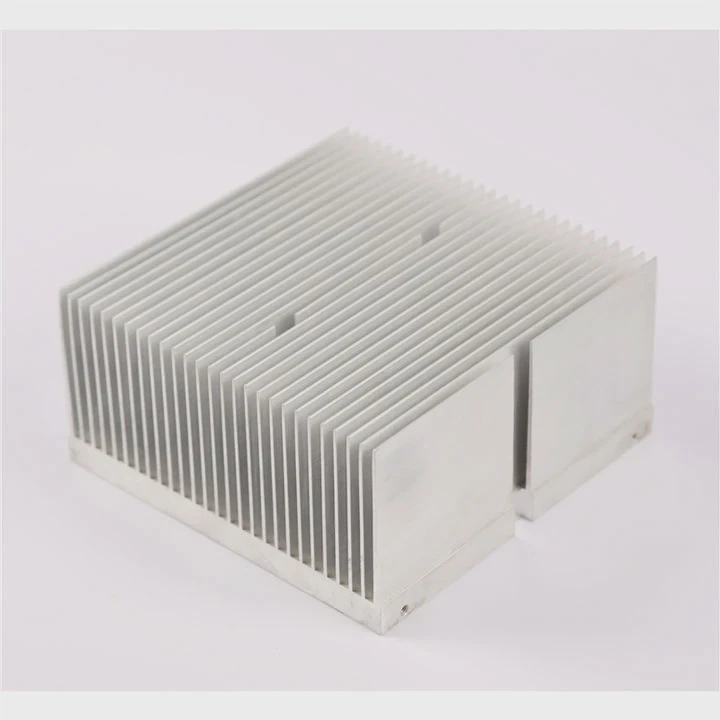
- Aluminum heat sink
- Copper heat sink
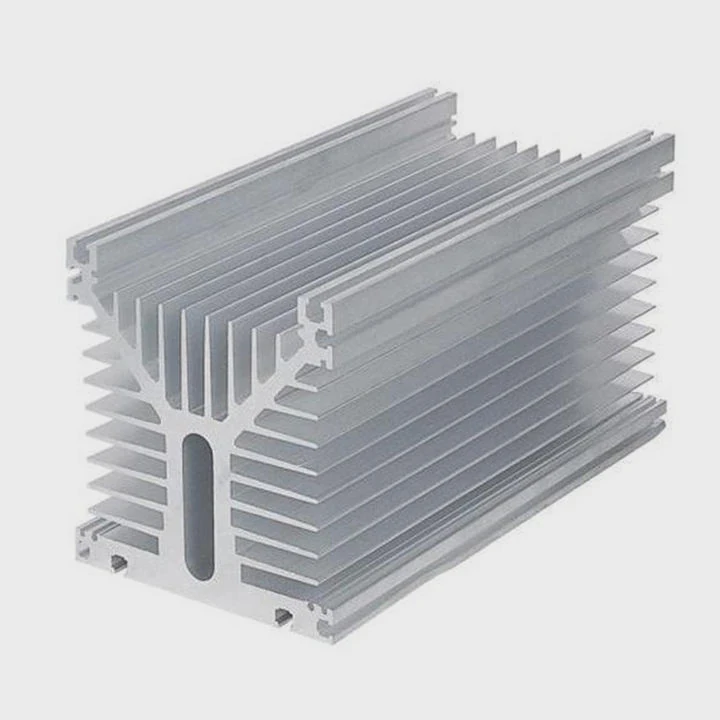
- Custom extruded heat sink
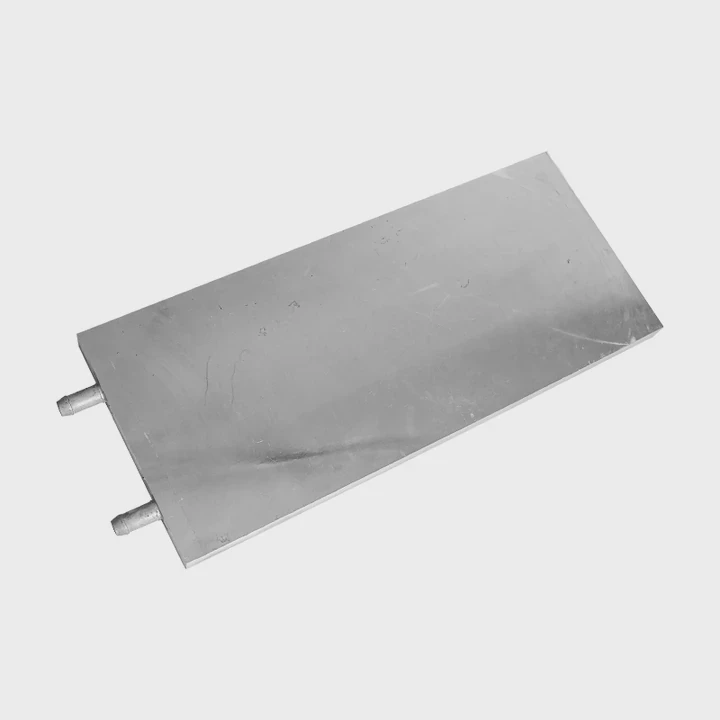
- Liquid cooling plate
- Thermal management component
Clear descriptions reduce questions from customs officers.
HS Code Selection
The Harmonized System (HS) code is also important.
The HS code helps customs classify products internationally.
Heat sinks may have different classifications depending on:
- Material
- Application
- Product structure
- Final use
An incorrect HS code may create:
- Import delays
- Incorrect duty calculation
- Additional documentation requests
Exporters should confirm the correct classification with experienced customs professionals or the customer.
Packing List Requirements
The packing list provides physical shipment details.
Common information includes:
| Item | Example Information |
|---|---|
| Product name | Aluminum heat sink |
| Number of cartons | 20 boxes |
| Quantity per carton | 50 pieces |
| Net weight | Product weight |
| Gross weight | Product plus packaging |
| Carton size | Length x width x height |
| Package type | Carton, pallet, wooden case |
The packing list helps logistics companies, warehouses, and customs teams handle the shipment correctly.
Packaging Information Matters
Heat sinks often have special packaging requirements because fins can be damaged easily.
The packing list may also mention:
- Protective foam
- Individual packaging
- Pallet quantity
- Special handling instructions
This information supports safer transportation.
Accuracy Between Documents
One common customs problem is inconsistency between documents.
The following information should match:
- Product name
- Quantity
- Weight
- Invoice value
- Package numbers
For example, if the invoice shows 1,000 heat sinks but the packing list shows 900 pieces, customs may request clarification.
Consistent documentation improves clearance efficiency.
Do Certificates Affect Export Approval?
Certificates can influence export approval depending on the destination country, product application, and customer requirements. Certificates support customs review by proving product quality, material information, and regulatory compliance, although not every heat sink shipment requires the same certificates.
Many international buyers request certificates before placing orders because they need confidence that products meet technical and regulatory expectations.
However, the required documents depend on the final application.
Common Certificates for Heat Sink Exports
Different customers may request different certificates.
| Certificate | Purpose |
|---|---|
| Certificate of Origin | Confirms manufacturing country |
| Material Certificate | Confirms material specifications |
| Quality Certificate | Shows inspection results |
| ISO9001 Certificate | Shows quality management system |
| RoHS Report | Confirms restricted substance compliance |
| REACH Information | Supports chemical compliance |
Certificate of Origin
The Certificate of Origin is often used in international trade.
It confirms where the heat sink was manufactured.
This document may affect:
- Import duties
- Trade agreements
- Customs verification
Material Certificates
Heat sinks are often produced from aluminum or copper alloys.
Material certificates help confirm:
- Alloy type
- Chemical composition
- Mechanical properties
For industrial customers, this information can be important because material performance affects thermal performance.
Quality Documents
Many customers request inspection reports before accepting shipments.
Quality documents may include:
- Dimensional inspection reports
- Surface treatment reports
- Thermal test reports
- Production records
These documents help customers verify that products match specifications.
Industry-Specific Requirements
Some industries require additional documentation.
Examples include:
| Industry | Possible Requirements |
|---|---|
| Automotive | Quality system documents |
| Railway | Reliability records |
| Medical equipment | Traceability documents |
| Aerospace | Strict material records |
| Electronics | RoHS and REACH information |
The more demanding the industry, the more important documentation becomes.
Certificates and Customer Trust
Certificates are not only for customs.
They also help customers evaluate suppliers.
A company purchasing high-performance cooling components often wants evidence of:
- Stable manufacturing
- Reliable materials
- Controlled processes
Complete documentation helps build long-term cooperation.
How to Ensure Compliance With Regulations?
Regulatory compliance requires more than preparing documents at the shipping stage. Manufacturers can ensure compliance by understanding destination requirements, maintaining accurate records, controlling product quality, and preparing documents before shipment.

International regulations vary between countries.
A heat sink supplier exporting to Europe, North America, Japan, or other markets must understand different customer expectations.
Understand Destination Requirements
Before shipping, exporters should confirm:
- Import regulations
- Required certificates
- Labeling requirements
- Customs documentation rules
- Special industry standards
Early preparation prevents shipment delays.
Maintain Product Traceability
Traceability helps identify product information quickly.
A good traceability system records:
- Raw material batches
- Production dates
- Inspection results
- Shipment records
This information becomes valuable if customers ask technical questions after delivery.
Control Product Information
Product descriptions should remain consistent across:
- Quotations
- Purchase orders
- Invoices
- Packing lists
- Technical documents
Different descriptions may confuse customs officers.
Prepare Technical Documents
Heat sinks used in advanced applications often require technical support documents.
Examples include:
| Document | Use |
|---|---|
| Product drawing | Confirms dimensions |
| Thermal test report | Shows performance |
| Material report | Confirms alloy |
| Inspection report | Shows quality |
| Compliance statement | Supports regulations |
These documents help customers complete their internal approval process.
Work With Experienced Logistics Partners
Experienced freight partners understand customs procedures.
They can help check:
- Document completeness
- Shipping requirements
- Customs classification
- Local regulations
Strong cooperation between manufacturers and logistics companies reduces avoidable problems.
Avoid Common Documentation Mistakes
Common mistakes include:
- Wrong product description
- Missing certificates
- Incorrect weights
- Inconsistent quantities
- Wrong HS codes
- Late document preparation
A simple document review before shipment can prevent many issues.
Build a Standard Export Process
A repeatable export process improves efficiency.
A typical workflow includes:
- Confirm customer requirements.
- Prepare product information.
- Check required certificates.
- Create invoice and packing list.
- Review all details.
- Release shipment documents.
Standard processes reduce human errors.
Can Documentation Speed Up Customs Clearance?
Complete documentation can significantly improve customs clearance efficiency. Accurate customs documents help authorities quickly understand the shipment, reduce inspection risks, and allow heat sinks to move through international borders faster.
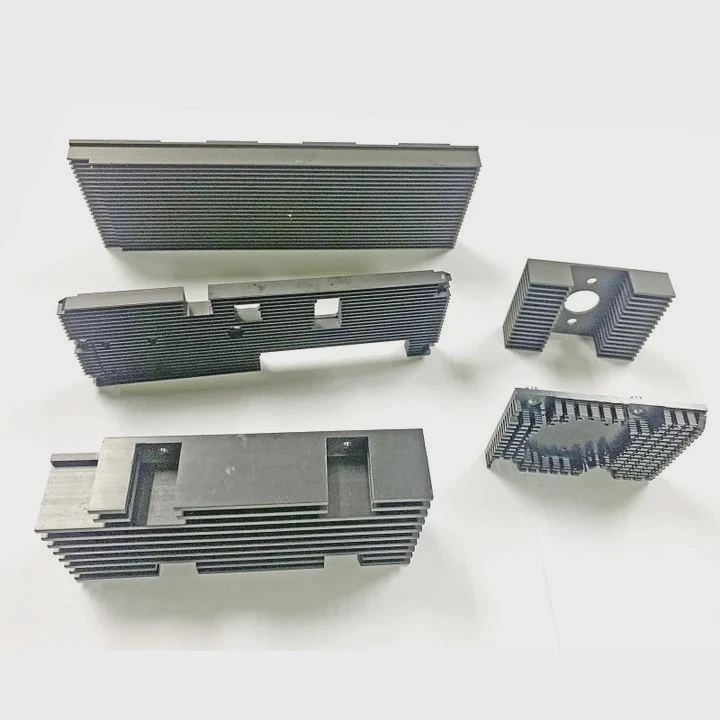
Customs clearance delays often happen because information is missing or unclear.
When documents are complete, customs officers can process shipments more efficiently.
How Documents Reduce Delays
Clear documents help answer important questions:
- What is the product?
- Who manufactured it?
- What is the value?
- Where was it produced?
- How should it be classified?
When these questions are answered clearly, fewer additional requests are needed.
Digital Documentation Benefits
Many logistics systems now use digital documents.
Digital processes provide:
- Faster document sharing
- Easier tracking
- Reduced paperwork errors
- Better communication between parties
Exporters can send documents to customers and freight companies before the shipment arrives.
Advance Document Preparation
Preparing documents early is one of the easiest ways to improve shipping speed.
A good practice is:
| Stage | Action |
|---|---|
| Before production | Confirm customer requirements |
| Before shipment | Prepare invoice and packing list |
| Before departure | Check certificates |
| During transportation | Share documents digitally |
Early preparation allows problems to be solved before goods reach customs.
Customer Satisfaction Improvement
Fast customs clearance creates a better customer experience.
Customers depend on predictable delivery times for:
- Production planning
- Inventory management
- Assembly schedules
A supplier that provides complete documentation becomes easier to work with.
Documentation as Part of Export Quality
Documentation quality reflects supplier professionalism.
A manufacturer that manages documents carefully usually also manages:
- Production control
- Quality inspection
- Customer communication
For global heat sink suppliers, documentation is not only an administrative task. It is part of the complete export service.
Conclusion
Preparing customs documents for heat sinks requires accurate invoices, packing lists, certificates, and compliance records. Complete documentation reduces customs risks, improves delivery speed, and helps international customers receive thermal products smoothly.