Is Custom Shaping Possible for Heat Sinks?
- Yongxing
- 25 Jul ,2026
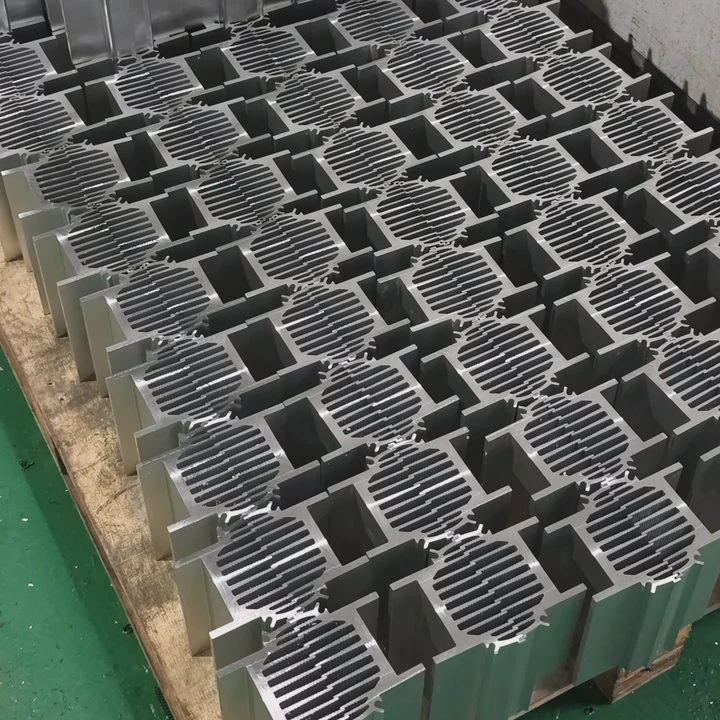
Modern electronic products have limited space and higher power demands. Standard heat sinks cannot always match unique structures, airflow paths, or installation requirements.
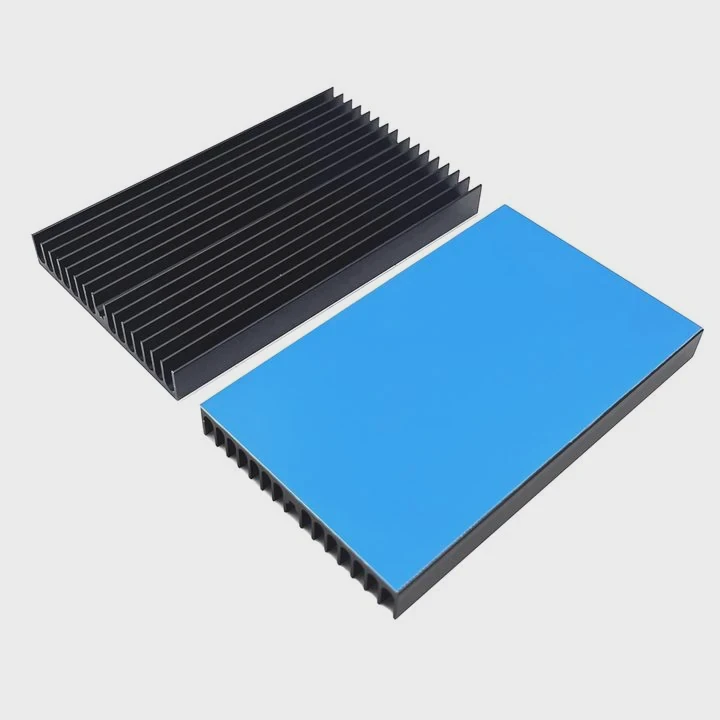
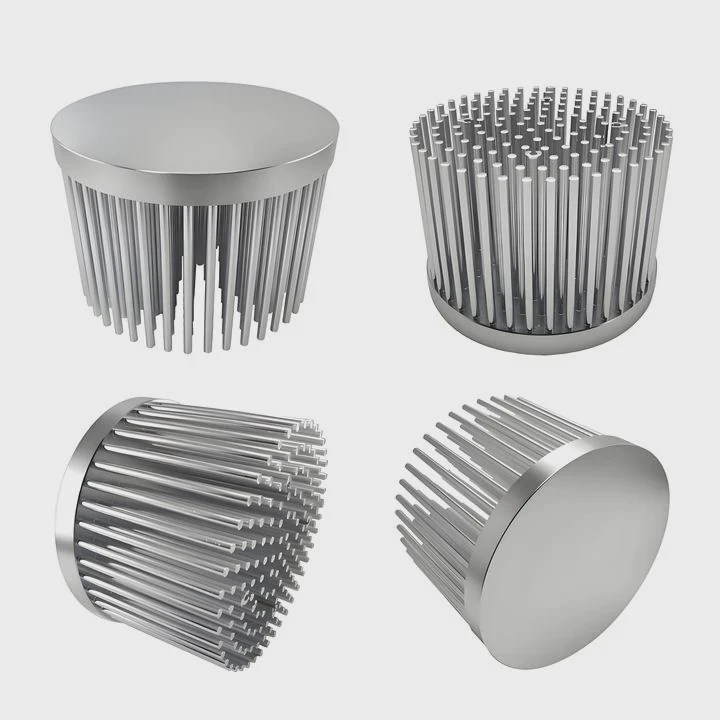
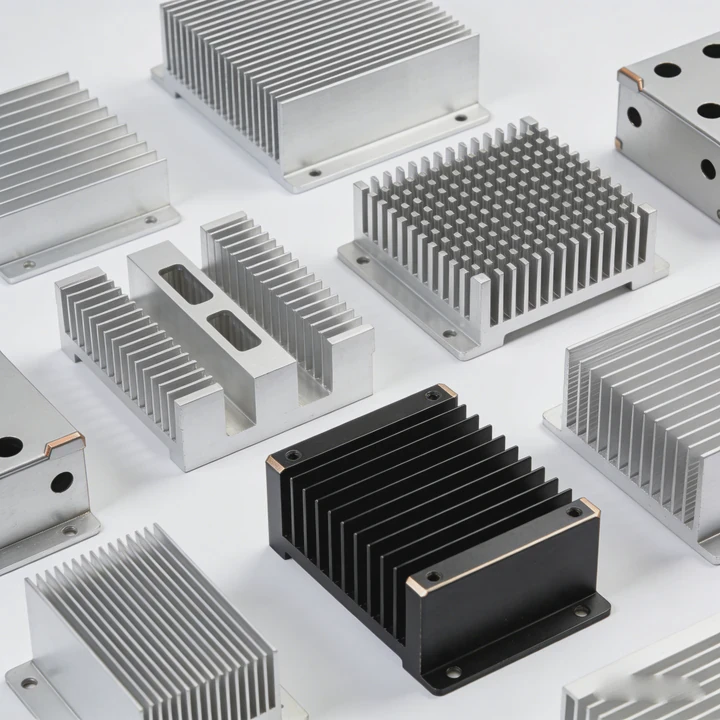
Yes, custom shaping is possible for heat sinks. Manufacturers can create unique heat sink forms through extrusion, CNC machining, skiving, brazing, forging, and other advanced manufacturing methods.
Custom-shaped heat sinks help engineers solve difficult thermal challenges. They allow better space usage, improved airflow control, and closer integration with electronic systems. The final design depends on thermal requirements, mechanical limits, material selection, and production volume.
Which Manufacturing Techniques Allow Custom Forms?
Heat sinks can be shaped in many ways because different manufacturing processes support different structures. Choosing the right method helps balance performance, cost, and production efficiency.
Manufacturing techniques such as aluminum extrusion, CNC machining, skiving, die casting, vacuum brazing, and friction stir welding allow manufacturers to create customized heat sink shapes for different applications.
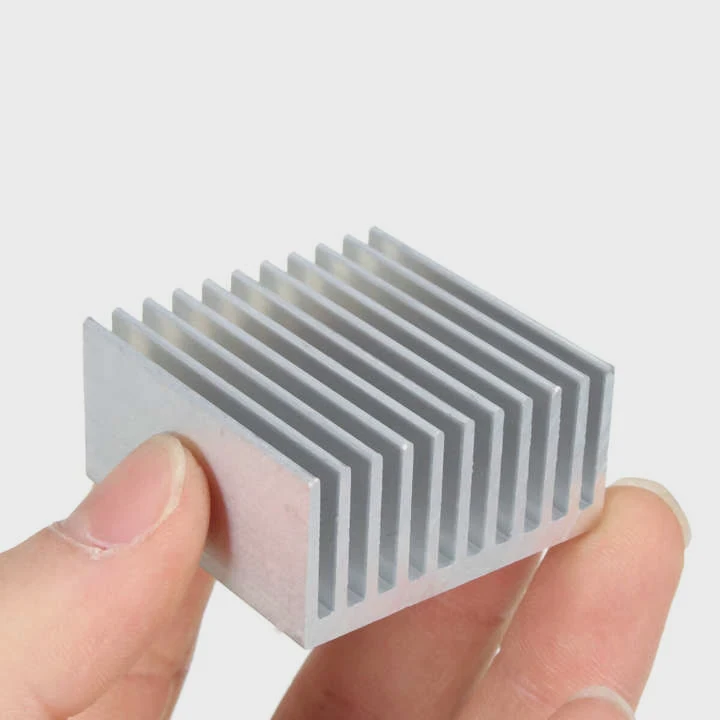
The manufacturing method usually depends on the heat sink design. Simple shapes can often use extrusion, while more complex structures may require several processes together.
Aluminum extrusion is one of the most common methods for custom heat sinks. It works well for designs that need long fin structures and lightweight aluminum profiles. Engineers can create custom extrusion dies to produce specific shapes.
CNC machining provides more flexibility. It allows manufacturers to create complex three-dimensional structures, precise mounting holes, and special cooling channels.
Common Custom Heat Sink Manufacturing Methods
| Manufacturing Method | Design Capability | Common Applications |
|---|---|---|
| Aluminum Extrusion | Long customized profiles | Industrial electronics |
| CNC Machining | High precision complex shapes | Medical and semiconductor equipment |
| Skiving | Thin high-density fins | High-performance cooling |
| Vacuum Brazing | Multi-part structures | Advanced thermal modules |
| Friction Stir Welding | Large integrated assemblies | Liquid cooling systems |
Skived heat sinks are another option for custom designs. This process creates thin fins directly from a metal base, allowing higher fin density and better heat dissipation performance.
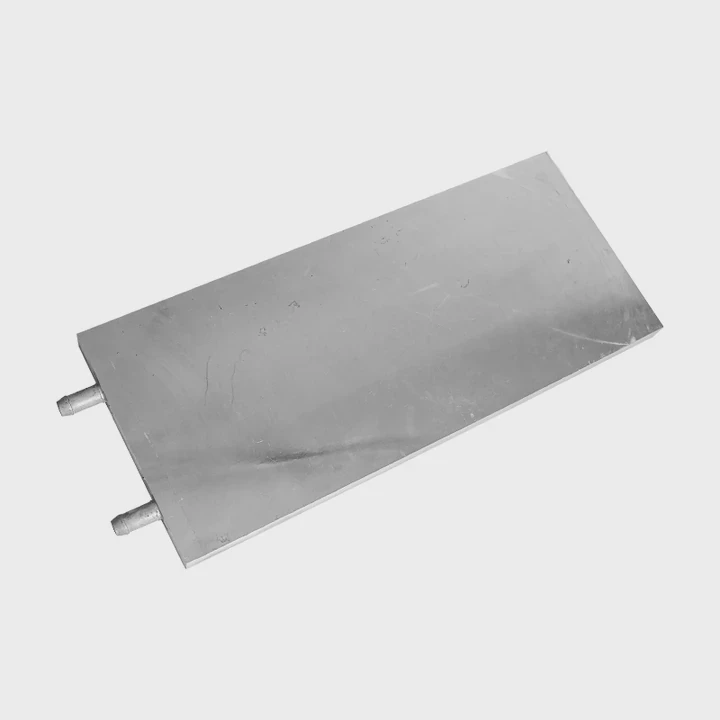
For advanced cooling systems, manufacturers may combine different technologies. For example, a liquid cooling plate may include CNC machining, welding, and leak testing. A high-power electronic module may combine copper and aluminum parts through special joining methods.
Factors That Influence Manufacturing Method Selection
- Required thermal performance
- Production quantity
- Material choice
- Dimensional accuracy
- Cost target
- Installation space
The right process is not always the most advanced process. A simple extrusion design may provide enough cooling performance at a lower cost. A complex manufacturing method should only be selected when the application requires additional performance.
Manufacturers with complete production capabilities can provide more options. When extrusion, machining, welding, brazing, and testing are available in one production system, design flexibility improves.
Custom shaping also allows better integration with equipment. Instead of changing the entire product structure to fit a standard heat sink, engineers can design the heat sink around the available space.
This approach is common in industries such as aerospace, rail transportation, renewable energy, 5G communication, and industrial automation.
Custom manufacturing provides more freedom, but successful results require early cooperation between designers and manufacturers. A good design considers both thermal requirements and manufacturing limitations from the beginning.
Do Complex Shapes Affect Thermal Performance?
Many customers believe that more complex heat sink shapes automatically provide better cooling. However, thermal performance depends on the complete design, not only the appearance.
Complex shapes can improve thermal performance when they increase surface area, improve airflow, or reduce thermal resistance. However, poor designs can also reduce cooling efficiency.
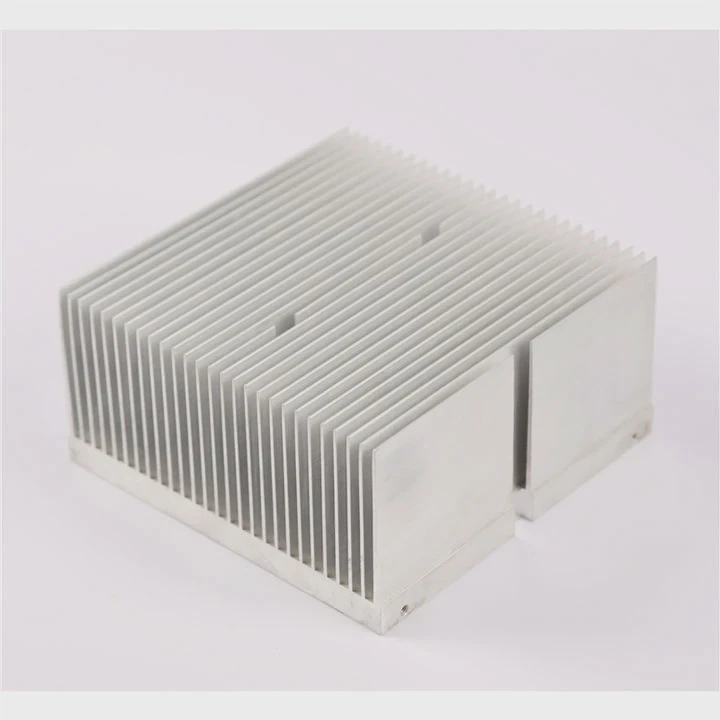
A heat sink works by moving heat from a source into the surrounding environment. The shape influences how quickly heat travels and how effectively air removes that heat.
A well-designed complex structure can create more cooling surface area. More fins allow more contact between the heat sink and air. Optimized airflow paths can also improve convection performance.
However, complexity alone does not guarantee better results.
Simple vs Complex Heat Sink Designs
| Design Type | Advantages | Possible Limitations |
|---|---|---|
| Simple Fin Structure | Lower cost and easy production | Limited optimization |
| Dense Fin Design | More surface area | Requires better airflow |
| Custom Channel Design | Improved heat control | Higher manufacturing cost |
| Integrated Thermal Module | High performance | More engineering effort |
Engineers usually use thermal simulation before final production. Simulation helps predict temperature distribution, airflow behavior, and potential hot spots.
Design Elements That Improve Thermal Performance
- Larger heat transfer area
- Optimized fin spacing
- Better airflow direction
- Reduced thermal resistance
- Improved contact surfaces
Fin spacing is especially important. If fins are too close, airflow may become restricted. If fins are too far apart, the available cooling area may not be fully used.
Material selection also affects the result. A complex aluminum design may perform better than a simple copper design in some situations because the structure creates better airflow.
The mounting interface is another key area. Heat must move efficiently from the electronic component into the heat sink. Poor contact design can reduce the benefit of an advanced shape.
Custom shapes are often created because standard products cannot solve specific thermal problems. For example, a heat sink may need to avoid nearby components, match a special enclosure, or guide airflow through a limited space.
In these cases, the shape is designed around the complete system rather than only the heat sink itself.
A successful custom heat sink combines geometry, material, manufacturing process, and operating conditions. The best design is not always the largest or most complicated one. It is the design that provides the required cooling performance in the available space.
Are Prototype Runs Necessary for Custom Shapes?
Custom heat sinks often involve new designs and manufacturing methods. Many customers ask if prototypes are required before starting full production.
Yes, prototype runs are usually recommended for custom heat sink shapes because they verify design accuracy, thermal performance, manufacturing feasibility, and assembly compatibility before mass production.
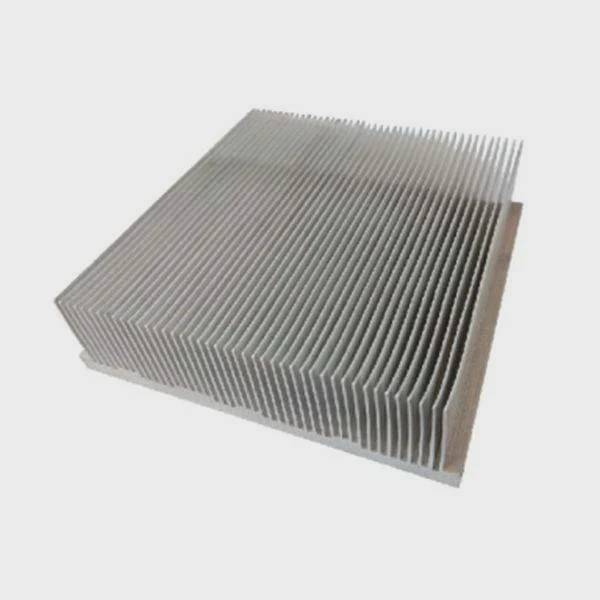
A prototype provides valuable information that cannot always be predicted through drawings alone. Even advanced simulations may not identify every production or installation issue.
During prototype development, engineers can check whether the heat sink fits correctly, performs as expected, and meets customer requirements.
Benefits of Prototype Testing
| Prototype Purpose | What It Confirms |
|---|---|
| Dimensional Check | Physical fit and accuracy |
| Thermal Testing | Cooling performance |
| Assembly Testing | Installation compatibility |
| Process Validation | Manufacturing stability |
Prototype production is especially important for complex designs. A custom liquid cooling plate, for example, may require pressure testing and leak verification before entering mass production.
Prototype Evaluation Process
- Review engineering drawings.
- Manufacture sample units.
- Perform dimensional inspection.
- Test thermal performance.
- Collect customer feedback.
- Adjust design if needed.
- Approve mass production.
Prototype quantity depends on project requirements. Some customers need only a few samples for testing. Others require multiple prototype versions before final approval.
Prototype runs also help reduce production risks. A design that looks suitable on paper may create unexpected machining difficulties or higher production costs.
Early testing allows engineers to solve problems before large investments are made in tooling and manufacturing.
For large-volume production, prototype validation is especially valuable. A small design issue can become a major problem when thousands of units are produced.
However, prototypes do not always require long development cycles. Experienced manufacturers can speed up the process through rapid machining, existing production knowledge, and efficient communication.
The goal of prototyping is not only to create a sample. It is to create confidence before production begins.
For companies investing in custom heat sinks, prototype testing is often a smart step. It improves product reliability, reduces manufacturing risk, and helps ensure the final design meets expectations.
How to Maintain Precision in Custom Designs?
Precision is one of the biggest challenges in custom heat sink manufacturing. Small dimensional errors can affect assembly, thermal contact, and overall system performance.
Manufacturers maintain precision in custom heat sink designs through accurate engineering drawings, advanced equipment, strict quality control, process monitoring, and detailed inspection procedures.
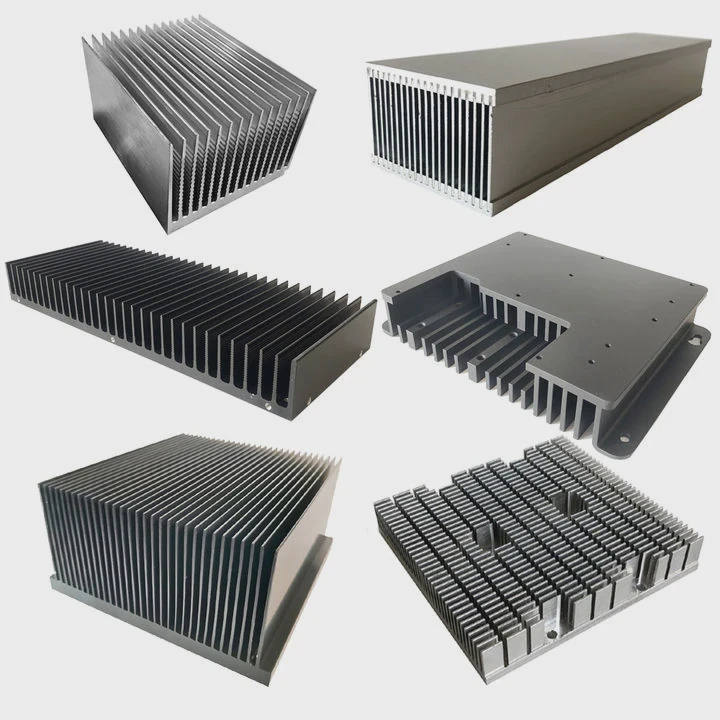
Custom heat sinks often need strict dimensional control. This is especially true for applications in semiconductor equipment, medical devices, aerospace systems, and high-power electronics.
Precision begins during the design stage. Engineers need clear specifications for dimensions, tolerances, materials, and surface requirements.
Precision Control Methods
| Control Method | Purpose |
|---|---|
| CNC Machining | Achieves accurate dimensions |
| 3D Measurement | Checks final geometry |
| Thermal Testing | Confirms performance |
| Process Monitoring | Maintains consistency |
Manufacturing equipment also affects accuracy. Modern CNC machines, inspection equipment, and automated production systems help maintain stable quality.
Important Precision Factors
- Accurate CAD models
- Proper tooling design
- Machine calibration
- Skilled operators
- Quality inspection systems
Surface flatness is especially important for heat sinks. A poor contact surface can increase thermal resistance between the heat source and the cooling component.
Manufacturers often use precision measurement tools to verify critical dimensions. These checks ensure the final product matches the original design.
Process control is also important during batch production. Even when the first sample meets requirements, production conditions must remain stable throughout the entire order.
Experienced manufacturers create inspection plans that define when and how products are tested. This prevents quality problems from reaching customers.
Material stability also affects precision. Different metals expand and contract differently under temperature changes. Engineers must consider these factors during design.
A good custom heat sink manufacturer does not only produce the shape requested by the customer. The manufacturer also helps improve the design for better performance, easier production, and stronger reliability.
Precision comes from combining good engineering, advanced manufacturing, and careful inspection. When these elements work together, custom heat sinks can achieve both complex shapes and consistent performance.
Conclusion
Custom shaping is possible for heat sinks through many advanced manufacturing methods. Complex designs can improve cooling when properly engineered, while prototypes and precision control help ensure reliable production. A well-designed custom heat sink provides better performance and stronger system integration.