What CNC Accuracy Is Possible for Heat Sinks?
- Yongxing
- 25 Jul ,2026
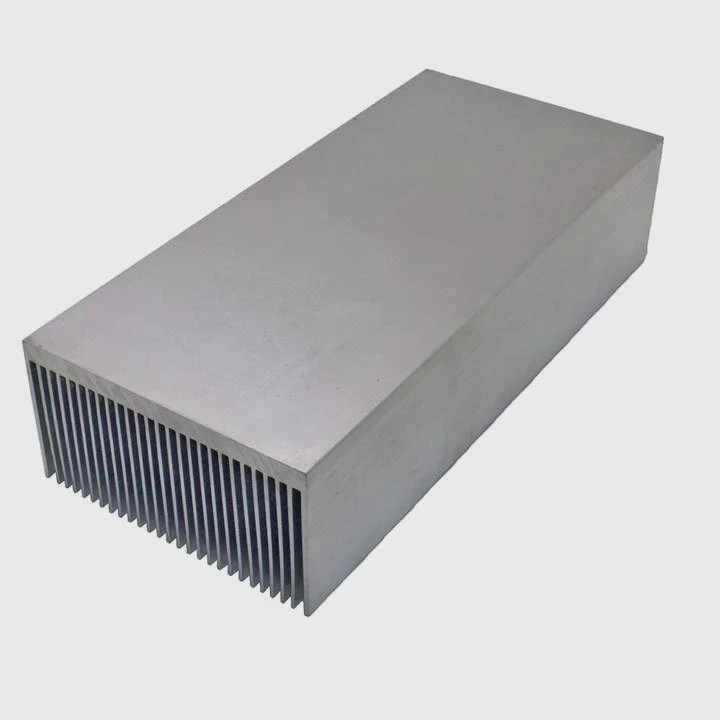
Heat sinks look like simple metal parts, but many designs require very high machining accuracy. Small dimensional errors can affect assembly, contact quality, and thermal performance.
CNC machining can achieve high accuracy for heat sinks, with common tolerances reaching around ±0.01 mm to ±0.05 mm depending on machine capability, material, design complexity, and production requirements.
When I evaluate precision heat sink projects, I see that accuracy is not only about making a part smaller or more detailed. The real goal is to create a stable thermal connection between the heat source and the cooling structure. A high-quality heat sink needs correct dimensions, smooth surfaces, and consistent production quality.
CNC machining is widely used for customized heat sinks, especially when customers require complex structures, small quantities, or strict dimensional control.
Do CNC Machines Achieve Tight Tolerances?
CNC machines are one of the most common manufacturing methods for precision heat sinks. They use computer-controlled movements to remove material with high repeatability.
Yes. CNC machines can achieve tight tolerances for heat sinks, especially when manufacturers use high-quality equipment, proper cutting tools, and controlled machining conditions.
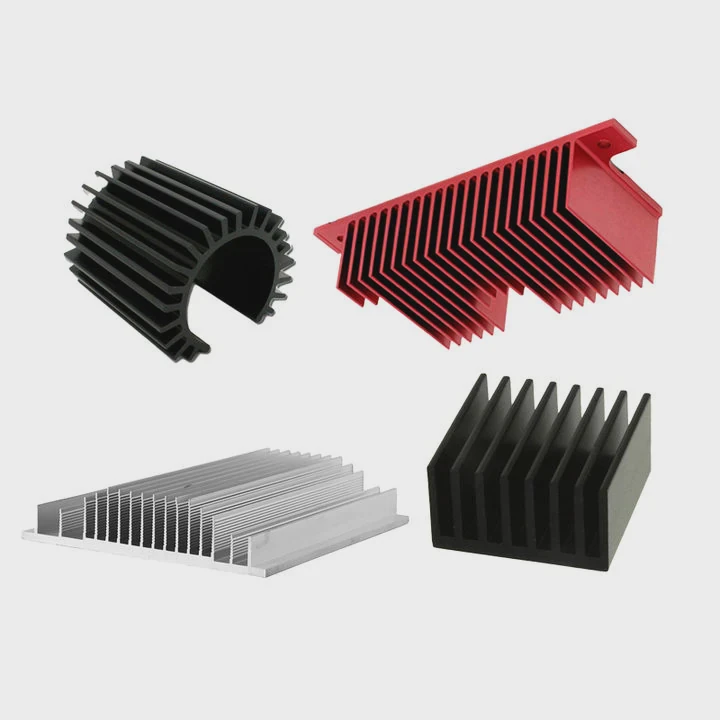
The accuracy level of a CNC-machined heat sink depends on many factors.
The machine itself is important, but it is not the only factor. Tool condition, material properties, temperature control, and machining methods also influence the final result.
Typical CNC Accuracy Levels
| CNC Machining Level | Typical Tolerance | Common Application |
|---|---|---|
| Standard CNC machining | ±0.05 mm | General industrial heat sinks |
| Precision CNC machining | ±0.02 mm | Electronic cooling components |
| High-precision machining | ±0.01 mm or better | Advanced thermal assemblies |
For many industrial heat sinks, ±0.05 mm is already enough.
However, some applications require tighter control.
Examples include:
- Semiconductor equipment
- Medical devices
- Aerospace electronics
- High-power modules
These industries often require more accurate thermal interfaces.
Factors Affecting CNC Heat Sink Accuracy
Several factors influence machining results.
Machine Stability
A rigid CNC machine reduces vibration during cutting.
Less vibration improves:
- Dimensional accuracy
- Surface quality
- Tool life
Cutting Tools
Heat sink designs often contain thin fins and narrow channels.
Worn tools may create:
- Uneven surfaces
- Incorrect dimensions
- Damaged edges
Using suitable tools improves consistency.
Material Characteristics
Different metals behave differently during machining.
| Material | Machining Feature |
|---|---|
| Aluminum | Easy cutting and high machining efficiency |
| Copper | Higher cutting difficulty due to softness and heat transfer |
| Copper-aluminum composite | Requires careful process control |
Aluminum is widely used for CNC heat sinks because it provides a good balance between thermal performance and manufacturing efficiency.
CNC Machining Process Control
Professional manufacturers usually control:
- Machine calibration
- Tool replacement cycles
- Inspection frequency
- Temperature conditions
These controls help maintain stable production quality.
Why CNC Is Popular for Custom Heat Sinks
CNC machining provides several advantages:
- Flexible design changes
- Fast prototype production
- High dimensional accuracy
- Complex structure capability
For customized heat sinks, CNC is often the best choice during development and low-volume production.
Are EDM or Other Methods More Precise?
CNC machining provides excellent accuracy, but some heat sink designs require even more specialized manufacturing methods.
Yes. EDM and other precision manufacturing methods can achieve higher accuracy than standard CNC machining in certain applications, especially when creating extremely small features or complex geometries.
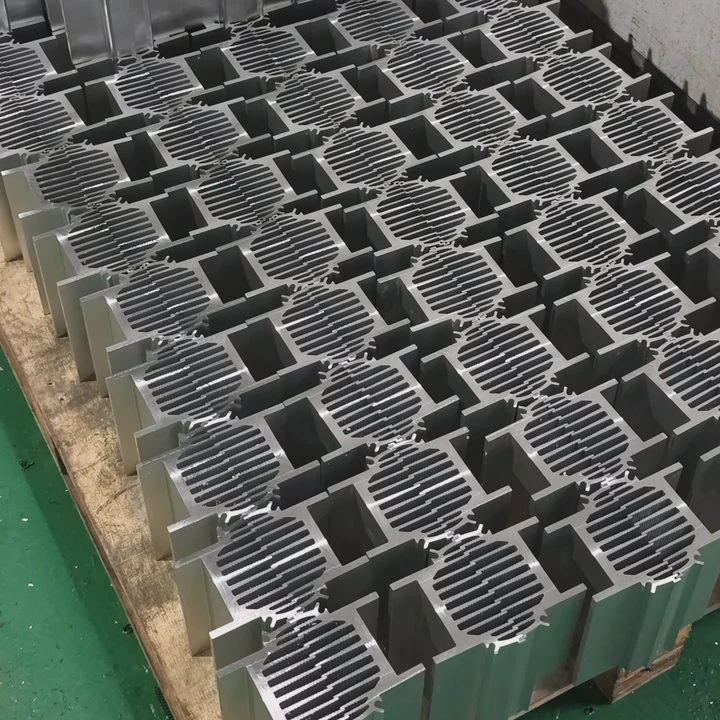
EDM stands for Electrical Discharge Machining. It removes material using controlled electrical sparks instead of traditional cutting tools.
This method is useful when normal cutting methods become difficult.
CNC vs EDM Comparison
| Manufacturing Method | Accuracy Capability | Best Use Case |
|---|---|---|
| CNC machining | High accuracy | General precision heat sinks |
| EDM | Very high precision | Small and complex features |
| Wire EDM | Excellent for thin structures | Precision slots and profiles |
| Laser machining | High speed | Fine cutting and surface processing |
When EDM Is Useful
EDM is commonly used when manufacturers need:
- Very narrow channels
- Complex internal structures
- Hard materials
- Sharp corners
For example, a heat sink with extremely small cooling channels may require EDM because traditional cutting tools cannot reach the required geometry.
Limitations of EDM
Although EDM provides excellent precision, it also has disadvantages.
It usually has:
- Higher processing cost
- Slower production speed
- More complex operation
Because of this, EDM is normally selected only when the design requires its special advantages.
Other Precision Manufacturing Methods
Heat sinks may also use other processes.
Laser Processing
Laser methods can create precise cuts and structures.
They are useful for:
- Thin metal parts
- Small openings
- Lightweight cooling structures
Vacuum Brazing
Vacuum brazing is often used for complex heat sink assemblies.
It can connect:
- Aluminum structures
- Copper plates
- Cooling channels
Friction Stir Welding
This method creates strong joints without melting the base material.
It is widely used for:
- Large liquid cooling plates
- Battery cooling systems
- Industrial thermal modules
Choosing the Right Manufacturing Method
The most precise process is not always the best choice.
Engineers usually consider:
- Required accuracy
- Production quantity
- Material type
- Cost target
- Thermal requirements
A good manufacturing solution balances precision and practical production needs.
Does Surface Finish Affect Thermal Performance?
Many people focus on dimensions but ignore surface quality. However, the surface condition of a heat sink can influence heat transfer efficiency.
Yes. Surface finish can affect thermal performance because contact surfaces with better flatness and lower roughness improve heat transfer between the heat source and the heat sink.
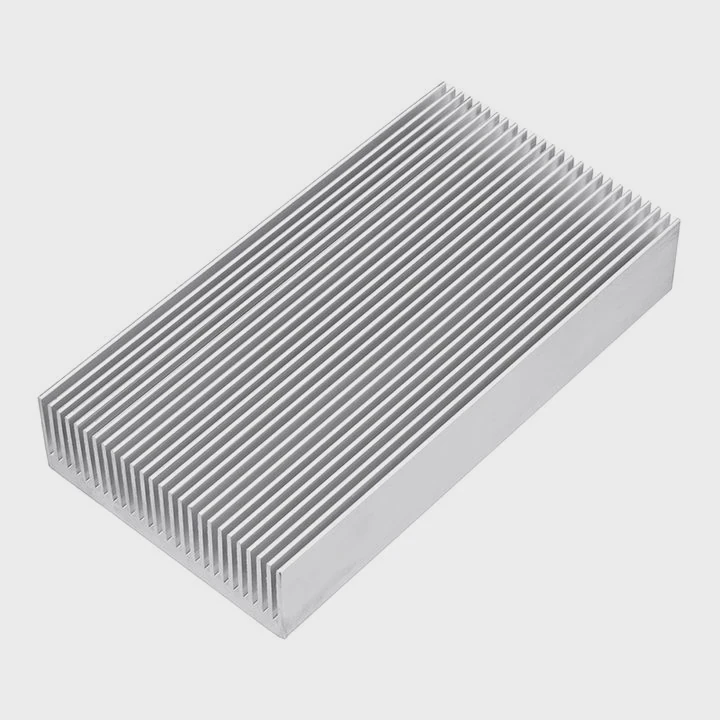
The contact area between a heat sink and an electronic component is extremely important.
Even when two surfaces look flat, microscopic gaps may exist between them.
These gaps can trap air, and air is a poor thermal conductor.
Important Surface Characteristics
Several surface factors affect thermal performance.
| Surface Factor | Thermal Effect |
|---|---|
| Flatness | Improves contact quality |
| Roughness | Influences thermal interface performance |
| Cleanliness | Prevents contamination barriers |
| Coating | May affect heat transfer ability |
Thermal Interface Materials
Many heat sinks use:
- Thermal grease
- Thermal pads
- Phase change materials
These materials fill small gaps between surfaces.
However, better machining accuracy reduces the amount of thermal resistance.
Surface Finish Requirements
Different applications require different surface conditions.
For example:
| Application | Surface Requirement |
|---|---|
| General electronics | Standard machined surface |
| Power modules | Better flatness control |
| Semiconductor equipment | Very high surface precision |
Surface Treatment Considerations
Heat sinks may receive surface treatments such as:
- Anodizing
- Nickel plating
- Chemical coating
These treatments can improve:
- Corrosion resistance
- Appearance
- Environmental durability
However, engineers must consider coating thickness because it can affect dimensional accuracy.
Thermal Testing Confirms Performance
Surface quality should be evaluated together with thermal testing.
A heat sink may have excellent surface finish but still perform poorly if:
- The fin design is weak
- Material selection is unsuitable
- Airflow is insufficient
Thermal performance depends on the complete design.
Which Features Require High Machining Accuracy?
Not every part of a heat sink needs the same level of precision. Some areas directly influence performance and require stricter machining control.
Features that usually require high machining accuracy include mounting surfaces, thermal contact areas, cooling channels, fin structures, and connection interfaces.
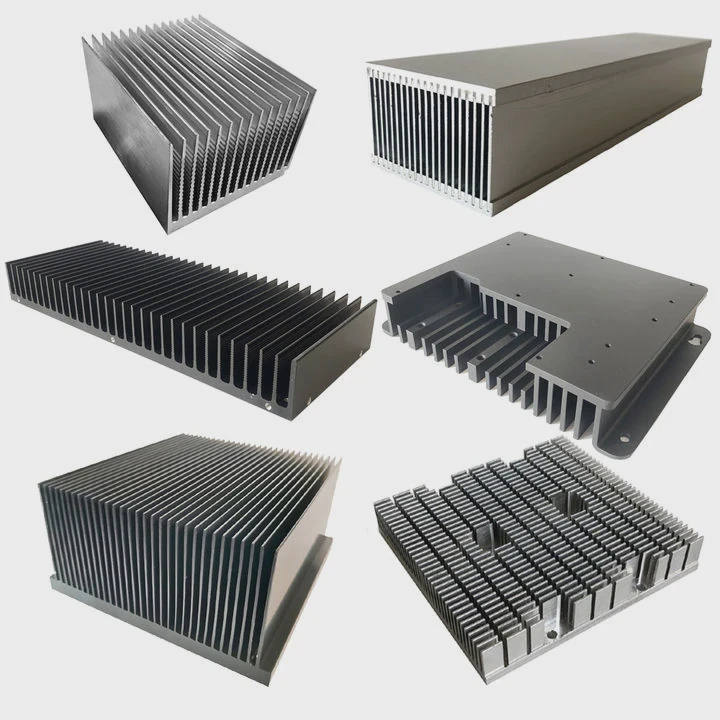
A smart machining strategy focuses precision where it creates the most value.
Making every surface extremely accurate increases cost without always improving performance.
Critical Heat Sink Features
| Heat Sink Feature | Why Accuracy Matters |
|---|---|
| Base plate surface | Ensures strong thermal contact |
| Mounting holes | Supports correct assembly |
| Cooling channels | Controls fluid flow |
| Fin spacing | Influences airflow performance |
| Interface dimensions | Ensures system compatibility |
Thermal Contact Surface
The base plate is usually one of the most important areas.
If the contact surface is uneven, heat transfer efficiency decreases.
High-precision machining helps achieve:
- Better contact
- Lower thermal resistance
- More stable performance
Mounting Features
Mounting holes and connection points must match the equipment structure.
Incorrect dimensions may cause:
- Installation problems
- Uneven pressure
- Mechanical stress
For industrial systems, these issues can create long-term reliability problems.
Cooling Channel Accuracy
Liquid cooling heat sinks require especially careful machining.
The internal channels control:
- Coolant flow speed
- Pressure drop
- Heat removal efficiency
Small changes in channel size may influence system performance.
Thin Fin Structures
Thin fins improve cooling efficiency by increasing surface area.
However, they are sensitive to machining errors.
Incorrect fin dimensions can affect:
- Airflow distribution
- Heat dissipation ability
- Mechanical strength
Precision Inspection Methods
Manufacturers often use:
- Coordinate measuring machines (CMM)
- Optical inspection systems
- Surface roughness testers
- Thermal testing equipment
These tools help verify that the final heat sink meets customer requirements.
High machining accuracy creates more reliable thermal performance. However, the best heat sink design combines accurate machining with correct material selection, thermal analysis, and manufacturing control.
Conclusion
CNC machining can provide excellent accuracy for heat sinks, while EDM and other advanced methods support even more complex designs. Precision is especially important for thermal contact surfaces, mounting structures, and cooling channels. The right manufacturing method improves heat transfer, reliability, and product performance.