
What Installation Tips Improve Heat Sink Performance?
- Yongxing
- 03 Aug ,2026
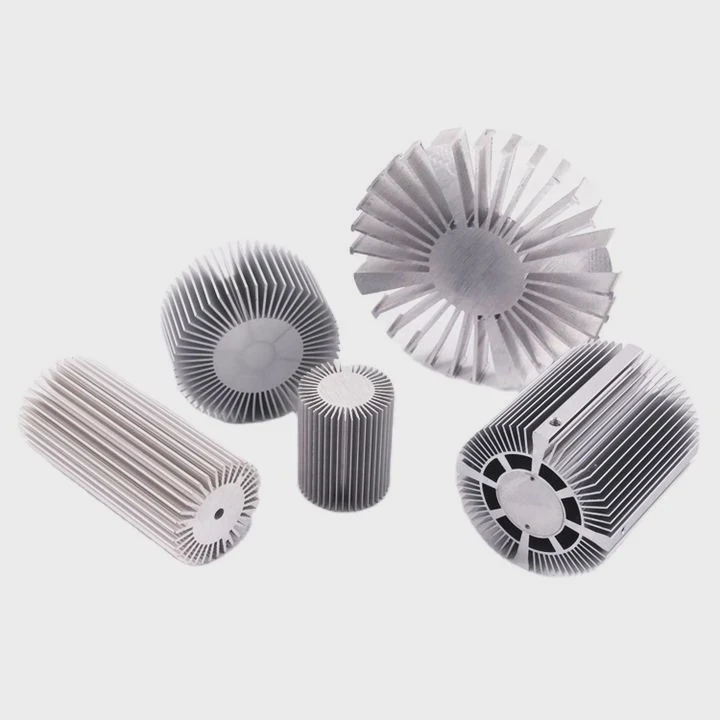
Many heat sinks have excellent designs but still fail to reach expected cooling results. Poor installation can create thermal resistance, reduce efficiency, and shorten the service life of electronic components.
Proper heat sink installation improves thermal performance by ensuring good contact, correct mounting pressure, suitable thermal materials, and stable operating conditions. Following professional installation practices helps heat sinks deliver reliable cooling over a longer period.
A heat sink is not only a metal component that removes heat. It is part of a complete thermal system. The connection between the heat source and the heat sink directly affects heat transfer efficiency. Small installation mistakes can create large temperature differences, especially in high-power applications.
Do Mounting Pressure and Orientation Matter?
Many engineers focus on heat sink design but underestimate the importance of installation position and mounting force.
Yes. Mounting pressure and orientation directly affect heat transfer efficiency. Correct pressure improves contact between surfaces, while proper orientation helps airflow move through the heat sink structure more effectively.
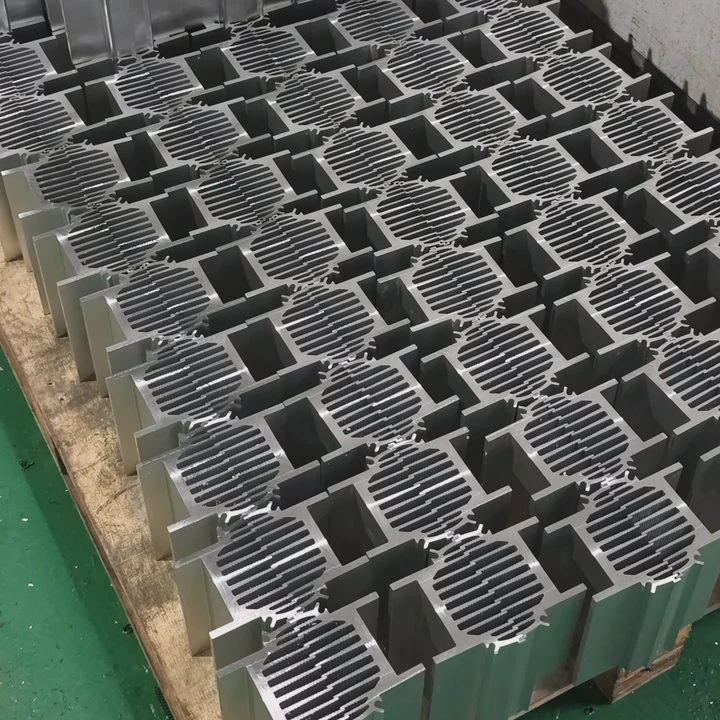
The connection between the heat source and heat sink must remain stable during operation.
Why Mounting Pressure Matters
The contact surfaces of a heat sink and electronic device may look flat, but microscopic gaps still exist.
These gaps can contain air, which has poor thermal conductivity.
Incorrect mounting pressure may cause:
- Increased thermal resistance
- Uneven contact area
- Higher component temperature
- Reduced cooling efficiency
However, excessive pressure can also create problems.
Too much pressure may:
- Damage semiconductor packages
- Deform mounting structures
- Create mechanical stress
- Reduce product reliability
The correct pressure depends on:
- Component type
- Mounting method
- Interface material
- Manufacturer specifications
Why Orientation Matters
Heat sinks rely on airflow to remove heat.
The installation direction affects:
- Natural convection
- Fan airflow
- Heat distribution
- Dust accumulation
For natural cooling systems, vertical fin orientation usually performs better because warm air can rise naturally through the channels.
For forced-air cooling systems, the heat sink should match the airflow direction created by the fan.
Common Installation Errors
Some frequent mistakes include:
| Installation Issue | Possible Result |
|---|---|
| Uneven mounting force | Poor thermal contact |
| Wrong airflow direction | Reduced cooling |
| Loose screws | Higher thermal resistance |
| Dirty contact surface | Heat transfer loss |
| Incorrect alignment | Mechanical stress |
Professional installation requires attention to both mechanical and thermal details.
Recommended Mounting Practices
A reliable installation process usually includes:
- Cleaning both contact surfaces.
- Checking surface flatness.
- Applying proper mounting pressure.
- Tightening screws evenly.
- Confirming airflow direction.
- Testing temperature performance.
These steps appear simple, but they have a major impact on final thermal results.
In many projects, installation problems are mistaken for heat sink design problems. A high-performance heat sink cannot compensate for poor mechanical contact or incorrect airflow. Proper installation allows the original thermal design to work as expected and reduces unnecessary troubleshooting during operation.
Can Thermal Interface Materials Enhance Efficiency?
The connection between the heat source and heat sink is one of the most important parts of a cooling system. Even small gaps can reduce heat transfer.
Yes. Thermal interface materials improve heat sink efficiency by filling microscopic surface gaps between the heat source and the heat sink. They reduce thermal resistance and create a more effective heat transfer path.
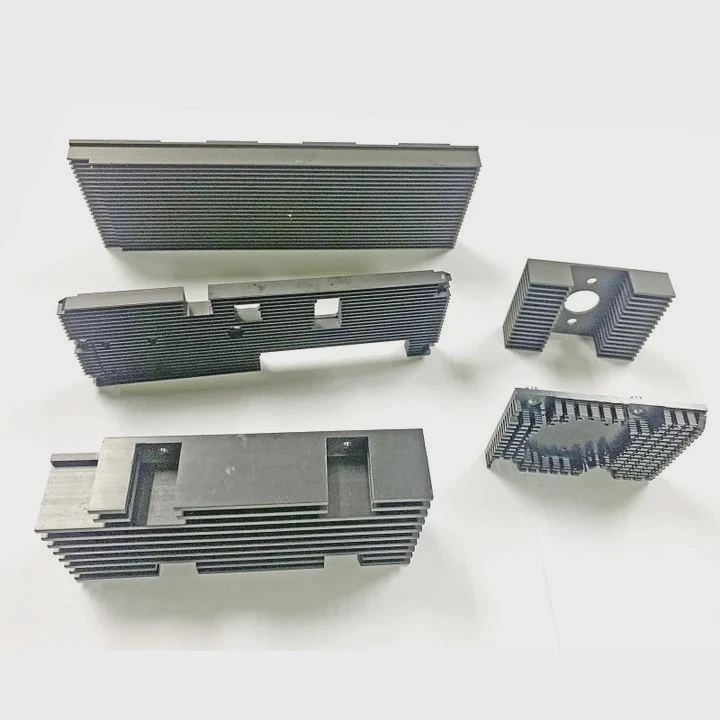
A thermal interface material, often called TIM, helps heat move from the electronic component into the heat sink.
Why TIM Is Important
Metal surfaces are never perfectly smooth.
Even precision-machined surfaces contain tiny uneven areas.
Without TIM:
- Air remains between surfaces.
- Heat transfer becomes weaker.
- Component temperature increases.
TIM replaces air gaps with materials that conduct heat more effectively.
Common Thermal Interface Materials
Different applications require different solutions.
| TIM Type | Advantages | Applications |
|---|---|---|
| Thermal paste | Easy application | General electronics |
| Thermal pads | Simple installation | Industrial equipment |
| Phase change material | Good reliability | Power electronics |
| Liquid metal | Very high conductivity | High-performance systems |
| Graphite sheets | Lightweight | Compact devices |
The best choice depends on temperature requirements, pressure conditions, and product design.
Correct TIM Application
Using too much or too little material can reduce performance.
Good practices include:
- Cleaning surfaces before application.
- Applying uniform thickness.
- Avoiding air bubbles.
- Using the correct material amount.
- Following supplier recommendations.
Too much thermal paste may create unnecessary thickness and reduce mechanical stability. Too little material may leave air gaps.
TIM and High-Power Applications
High-power systems require special attention.
Examples include:
- Electric vehicle power modules
- Industrial converters
- Semiconductor equipment
- Data center hardware
These systems generate large heat loads, so even small improvements in thermal contact can create meaningful temperature reductions.
Long-Term TIM Performance
Thermal interface materials also affect reliability over time.
Some materials may experience:
- Drying
- Pump-out effects
- Material aging
- Performance reduction
Therefore, engineers should consider both initial performance and long-term stability.
A complete thermal solution combines the right heat sink design with the correct interface material. Choosing only a high-performance heat sink is not enough. The entire thermal path, from the electronic device to the surrounding environment, must work together to achieve stable cooling performance.
Are Specialized Tools Recommended?
Professional installation often requires more than basic hand tools. Using the correct equipment improves accuracy and reduces the risk of damaging expensive components.
Yes. Specialized tools are recommended for precision heat sink installation, especially in high-power and industrial applications. Proper tools help control mounting force, improve alignment, and ensure consistent assembly quality.
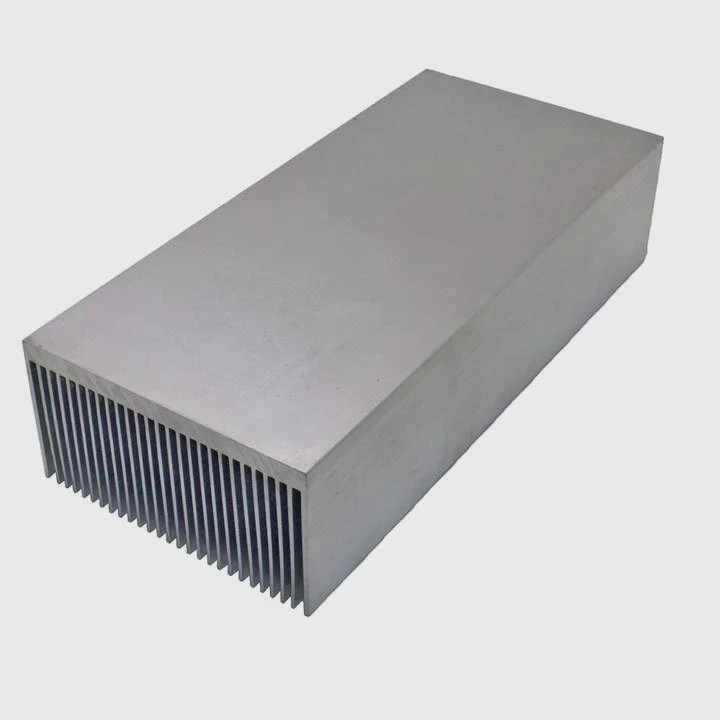
The required tools depend on the size and complexity of the thermal system.
Torque Tools
Torque-controlled tools are important because mounting pressure affects thermal performance.
They help ensure:
- Equal screw force
- Consistent pressure distribution
- Reduced mechanical stress
- Better repeatability
Manual tightening may create uneven pressure across the heat sink base.
Cleaning Equipment
Clean surfaces are essential for good thermal contact.
Useful tools include:
- Industrial cleaning wipes
- Approved solvents
- Dust-free materials
- Surface inspection equipment
Small particles between surfaces can create unwanted gaps.
Measurement Tools
Precision measurement helps verify installation quality.
Common tools include:
- Torque meters
- Height gauges
- Flatness measurement tools
- Temperature sensors
- Thermal testing equipment
These tools are especially useful during prototype validation and mass production inspection.
Specialized Assembly Equipment
Large cooling systems may require:
- Assembly fixtures
- Alignment tools
- Pressure control equipment
- Automated dispensing systems
These tools improve consistency when producing many units.
Why Tool Selection Matters
Incorrect tools may create hidden problems.
Examples include:
- Damaged mounting threads
- Uneven pressure
- Scratched contact surfaces
- Incorrect TIM thickness
Professional tools reduce these risks and improve product reliability.
For customized heat sinks, installation tools should be considered during the design stage. A design that is easy to assemble usually provides better production efficiency and fewer quality problems. Manufacturers often work with customers to develop mounting solutions that support both thermal performance and practical assembly requirements.
Which Practices Extend Heat Sink Lifespan?
A heat sink can operate for many years when it receives proper installation, maintenance, and environmental protection.
Heat sink lifespan improves through regular cleaning, correct operating conditions, proper material selection, stable mounting, and preventive maintenance. These practices help maintain cooling performance and prevent early failures.
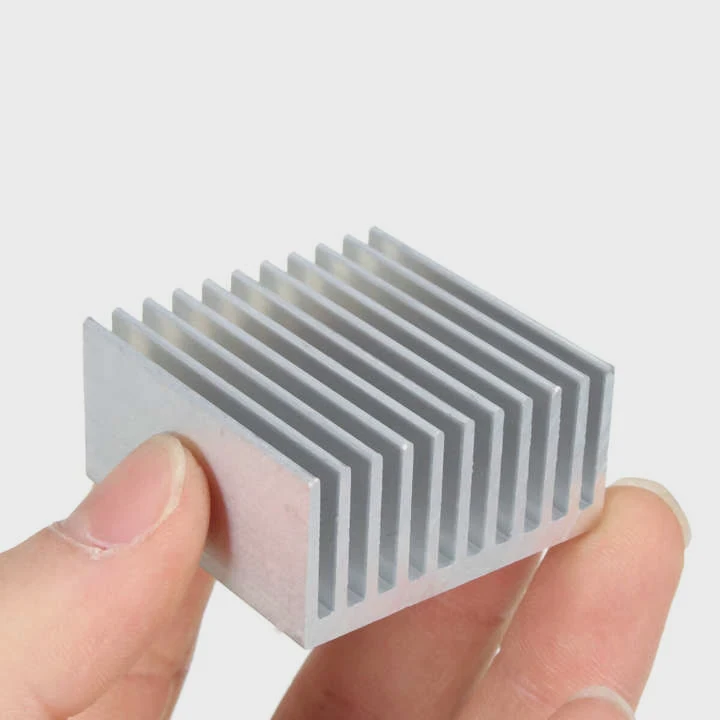
Heat sinks are usually reliable components, but environmental conditions can gradually affect performance.
Keep Cooling Surfaces Clean
Dust and contamination reduce airflow.
This is especially important for:
- Fan-cooled systems
- Industrial equipment
- Communication cabinets
- Outdoor electronics
Regular cleaning helps maintain heat dissipation ability.
Protect Against Corrosion
Environmental protection is important for long-term reliability.
Possible solutions include:
- Anodized aluminum surfaces
- Protective coatings
- Suitable material selection
- Environmental sealing
Corrosion may reduce thermal performance and weaken mechanical structures.
Monitor Operating Conditions
Engineers should check:
- Operating temperature
- Airflow performance
- Fan condition
- Mounting stability
Early detection prevents small issues from becoming major failures.
Avoid Thermal Overload
Operating beyond design limits reduces lifespan.
Important factors include:
- Maximum power level
- Ambient temperature
- Cooling capacity
- Continuous operation time
A heat sink should always be selected according to actual thermal requirements.
Maintenance Checklist
| Practice | Benefit |
|---|---|
| Clean surfaces regularly | Maintains airflow |
| Check mounting screws | Keeps stable contact |
| Inspect TIM condition | Maintains heat transfer |
| Monitor temperature | Detects problems early |
| Protect surfaces | Prevents corrosion |
Long-term heat sink performance depends on the complete system, not only the product itself. Good installation practices, regular inspection, and proper operating conditions allow heat sinks to maintain stable performance for many years.
A reliable thermal management system starts with good engineering decisions and continues with careful installation and maintenance. When each step is handled correctly, heat sinks can provide efficient cooling, protect sensitive electronics, and support long equipment life.
Conclusion
Heat sink performance depends heavily on installation quality. Proper mounting pressure, suitable thermal interface materials, correct tools, and regular maintenance help improve cooling efficiency. Following professional installation practices allows heat sinks to deliver stable performance and longer service life.




