What Is the Lead Time for Custom Heat Sink Orders?
- Yongxing
- 03 Aug ,2026
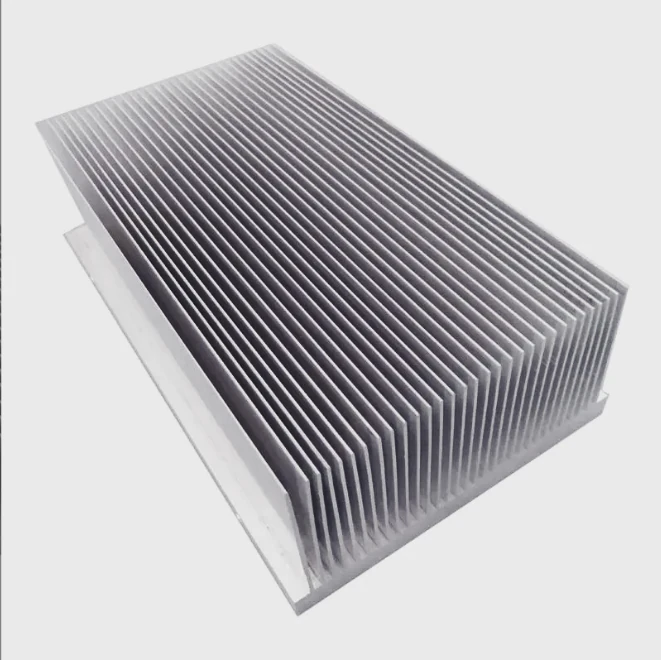
A delayed heat sink can slow down an entire project. Many buyers worry about long production cycles, missed deadlines, and unexpected changes after placing an order.
The lead time for custom heat sink orders usually ranges from 2 to 8 weeks, depending on design complexity, materials, manufacturing methods, tooling, testing, and order volume. Early design reviews and clear specifications help reduce delays and improve delivery accuracy.
Every custom project is different. A simple aluminum extrusion may move quickly, while a vacuum brazed liquid cooling plate may require several production steps. Knowing what affects lead time makes planning much easier and helps avoid costly surprises.
Do Complex Designs Extend Production Time?
A complex design often means more engineering work, more manufacturing steps, and more quality checks. Without proper planning, every added feature can increase production time.
Yes. Complex heat sink designs usually require longer lead times because they involve additional engineering, tooling, machining, testing, and inspection. The more manufacturing processes involved, the longer the production schedule is likely to become.
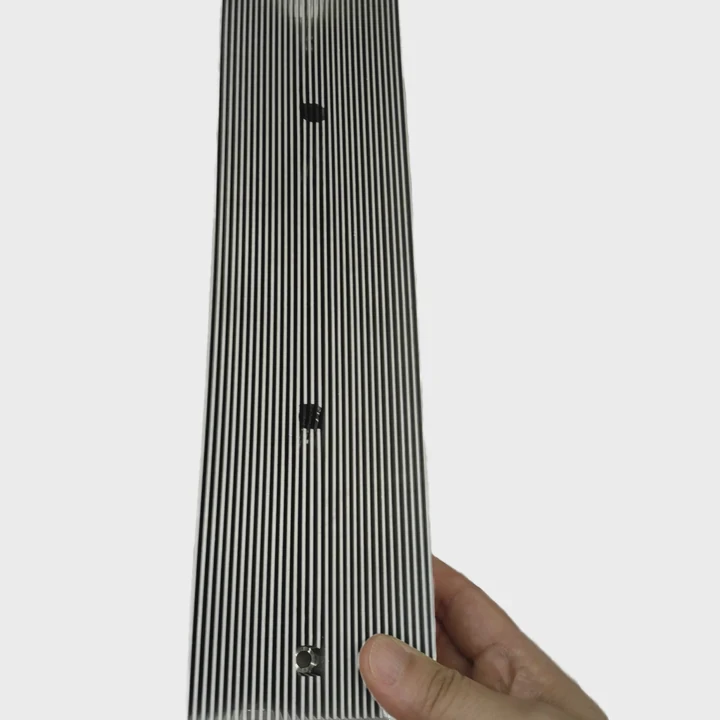
Every custom heat sink begins with engineering. Before production starts, the design team needs to confirm thermal requirements, mechanical dimensions, mounting locations, tolerance limits, and manufacturing feasibility. Even a small design change can require another engineering review.
Some products are naturally easier to manufacture. A standard aluminum extrusion with basic CNC machining often moves into production quickly. A vapor chamber assembly, friction stir welded liquid cold plate, or vacuum brazed heat sink involves several specialized production processes. Each process adds time.
Typical Design Complexity Comparison
| Design Type | Engineering Difficulty | Production Time | Typical Risk |
|---|---|---|---|
| Standard Extruded Heat Sink | Low | Short | Low |
| CNC Machined Heat Sink | Medium | Medium | Medium |
| Skived Fin Heat Sink | Medium | Medium | Medium |
| Vacuum Brazed Heat Sink | High | Long | Higher |
| Liquid Cooling Plate | High | Long | Higher |
Complex products also require more communication between engineering, production, and quality teams. Tool paths may need optimization. Fixtures may require custom development. Thermal simulation results may lead to design revisions before production begins.
Manufacturing Steps That Add Time
- Thermal simulation
- Design optimization
- Prototype approval
- Custom tooling
- Precision CNC machining
- Brazing or welding
- Leak testing
- Surface treatment
- Final inspection
- Packaging validation
Another important factor is dimensional tolerance. Customers in industries such as medical equipment, rail transportation, aerospace, and semiconductor manufacturing often request very tight tolerances. These parts usually require additional inspections throughout production.
Testing also becomes more demanding for complex products. Some customers request thermal resistance testing, airflow testing, vibration testing, salt spray testing, pressure testing, or reliability validation before shipment. Every test adds time but also improves confidence in product quality.
Experience also matters. A manufacturer with complete in-house capabilities can often shorten lead time because fewer production steps are outsourced. When machining, welding, brazing, surface finishing, and assembly are completed under one roof, scheduling becomes much easier.
Complexity does not automatically mean slow production. Good engineering preparation, early design communication, and experienced manufacturing teams can reduce unnecessary waiting and keep projects moving efficiently.
Can Rush Orders Be Accommodated?
Sometimes a project cannot wait. Production schedules change, prototypes fail, or customer deadlines suddenly move forward. Buyers often ask if custom heat sinks can be delivered faster.
Yes, many rush orders can be accommodated when production capacity, materials, and engineering resources are available. However, expedited manufacturing depends on project complexity, material availability, and current factory workload.
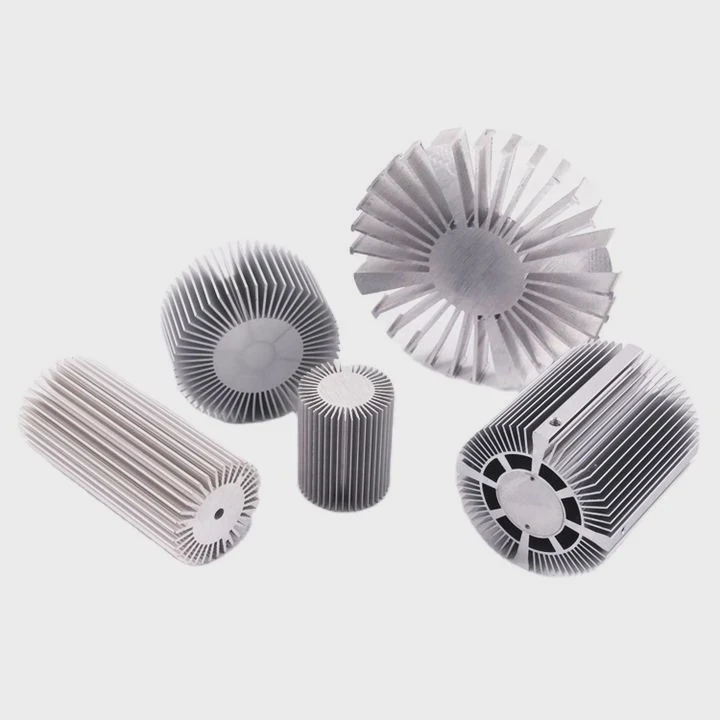
Rush production begins with a careful project review. The engineering team first checks whether the existing design is production-ready. If major revisions are still needed, expedited manufacturing becomes much more difficult.
Material inventory is another important factor. Standard aluminum alloys are usually easier to source than specialty copper materials or advanced thermal interface components. When raw materials are already in stock, production can begin much sooner.
Manufacturing capacity also plays a major role. Production schedules are planned weeks in advance. During busy seasons, machine availability may become limited. Flexible production planning allows urgent projects to move ahead without creating unnecessary delays for other customers.
Ways to Shorten Lead Time
- Confirm drawings before ordering.
- Freeze the design early.
- Approve prototypes quickly.
- Select commonly available materials.
- Reduce unnecessary design revisions.
- Respond to engineering questions promptly.
- Approve samples without delay.
Rush projects also benefit from close communication. Instead of waiting several days for design approvals, engineering teams can review files through online meetings, allowing production to continue without interruption.
Sometimes customers request partial shipments. Rather than waiting for the complete order, the first production batch can ship earlier while remaining quantities continue through manufacturing. This approach helps customers begin assembly sooner.
Expedited production should never reduce quality standards. Inspection procedures, thermal testing, dimensional verification, and packaging checks remain important regardless of delivery urgency. Skipping quality inspections often creates bigger delays later through product failures or customer returns.
Planning ahead remains the best strategy. Even when rush production is possible, providing engineering files early gives manufacturers more flexibility to reserve production capacity and organize material procurement before formal purchase orders arrive.
Does Material Selection Affect Timing?
Material choice affects much more than thermal performance. It also changes sourcing, machining, welding, finishing, and inspection schedules throughout production.
Yes. Material selection directly affects lead time because different metals require different sourcing periods, machining methods, finishing processes, and quality inspections. Standard aluminum generally offers the shortest production cycle.
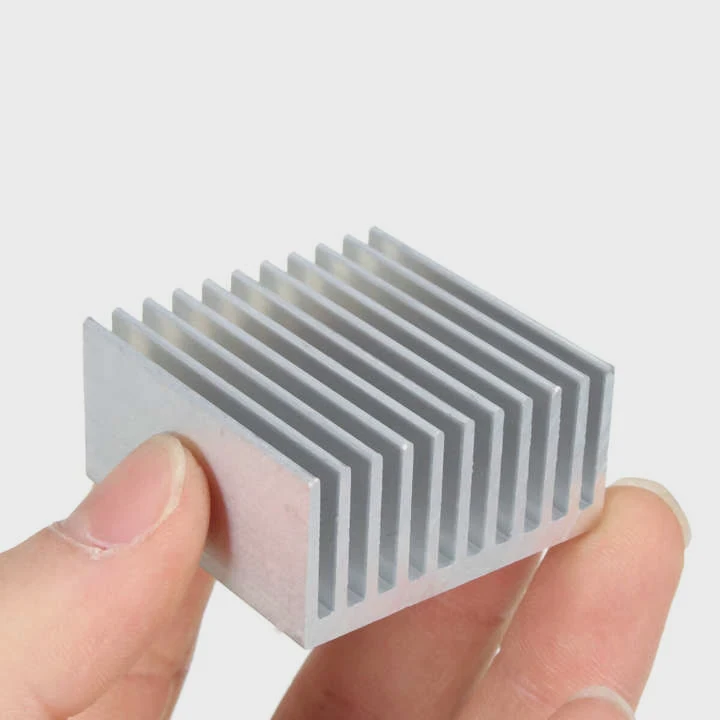
Many buyers focus only on thermal conductivity when selecting materials. While thermal performance is important, production availability deserves equal attention.
Aluminum remains the most common heat sink material. It is widely available, lightweight, cost-effective, and relatively easy to machine. Standard extrusion profiles can often begin production quickly.
Copper provides higher thermal conductivity but usually requires longer machining times. Copper is denser, harder on cutting tools, and often requires slower machining speeds. Material procurement may also take longer depending on market availability.
Material Comparison
| Material | Thermal Performance | Manufacturing Speed | Typical Lead Time |
|---|---|---|---|
| Aluminum | Very Good | Fast | Short |
| Copper | Excellent | Slower | Medium |
| Vapor Chamber Assembly | Excellent | Complex | Long |
| Liquid Cooling Module | Outstanding | Very Complex | Long |
Surface finishing also changes production schedules. Black anodizing, nickel plating, chromate conversion coating, powder coating, or special corrosion protection treatments each require different processing times.
Joining methods further influence production. Vacuum brazing, laser welding, diffusion bonding, and friction stir welding each require dedicated equipment and production planning. These specialized manufacturing methods naturally increase scheduling complexity.
Imported specialty materials can introduce additional uncertainty. If unique alloys must be sourced internationally, shipping time and customs clearance may affect the overall project schedule.
Many experienced buyers discuss material options with manufacturers during the early design stage. In some cases, a slightly different alloy delivers similar thermal performance while significantly reducing manufacturing time.
Balancing thermal requirements, cost, manufacturability, and delivery schedule often produces the best overall solution. The fastest material is not always the best thermal option, and the highest-performing material is not always necessary for every application.
Early material selection gives purchasing teams more accurate scheduling information and reduces unexpected delays after production begins.
Which Factors Influence Accurate Scheduling?
Many customers ask for an exact delivery date before production starts. While estimates are possible, accurate scheduling depends on many connected factors working together.
Accurate heat sink scheduling depends on design readiness, material availability, production capacity, tooling, testing requirements, customer approvals, and effective communication throughout the project lifecycle.
Accurate scheduling begins long before manufacturing starts. Complete engineering drawings, 3D models, performance requirements, and assembly details allow engineers to estimate production time with greater confidence.
One of the biggest causes of delay is incomplete information. Missing dimensions, unclear tolerances, or uncertain thermal requirements often lead to repeated engineering questions. Every revision pushes production further back.
Key Scheduling Factors
- Complete engineering documentation
- Stable product design
- Material inventory
- Tooling readiness
- Machine availability
- Production workload
- Surface treatment schedule
- Testing requirements
- Customer approval speed
- Shipping method
Prototype approval is another milestone. Many projects require first article inspection before mass production begins. Fast customer feedback helps production continue without interruption.
Production planning also depends on factory workload. Multiple production lines, flexible scheduling, and integrated manufacturing capabilities provide greater scheduling stability. Manufacturers with in-house machining, welding, assembly, and testing often have better control over delivery dates.
Supply chain reliability cannot be ignored. Even well-planned production can be affected if critical materials or purchased components arrive late. Strong supplier relationships help reduce these risks.
Shipping methods should also be considered during project planning. Air freight provides faster delivery but increases transportation cost. Ocean freight reduces shipping expenses but requires longer transit times. Buyers should include transportation when calculating total project lead time.
Communication often becomes the deciding factor. Projects move much faster when engineering teams, purchasing departments, and production planners respond quickly to questions and approvals. Small communication delays can accumulate over several weeks.
In my experience, the most successful projects are not always the simplest ones. They are the projects where expectations are clearly defined from the beginning. When engineering details, quality standards, production schedules, and delivery requirements are confirmed early, manufacturers can build realistic production plans with far fewer surprises.
Accurate scheduling is never based on a single number. It is the result of careful planning, experienced manufacturing, reliable suppliers, and continuous communication from quotation through final shipment.
Conclusion
Custom heat sink lead time depends on much more than manufacturing alone. Design complexity, materials, testing, approvals, and production planning all play important roles. Clear communication and early engineering collaboration remain the most effective ways to shorten lead time while maintaining consistent product quality. “`