What Is the Minimum Thickness for Heat Sinks?
- Yongxing
- 04 Aug ,2026
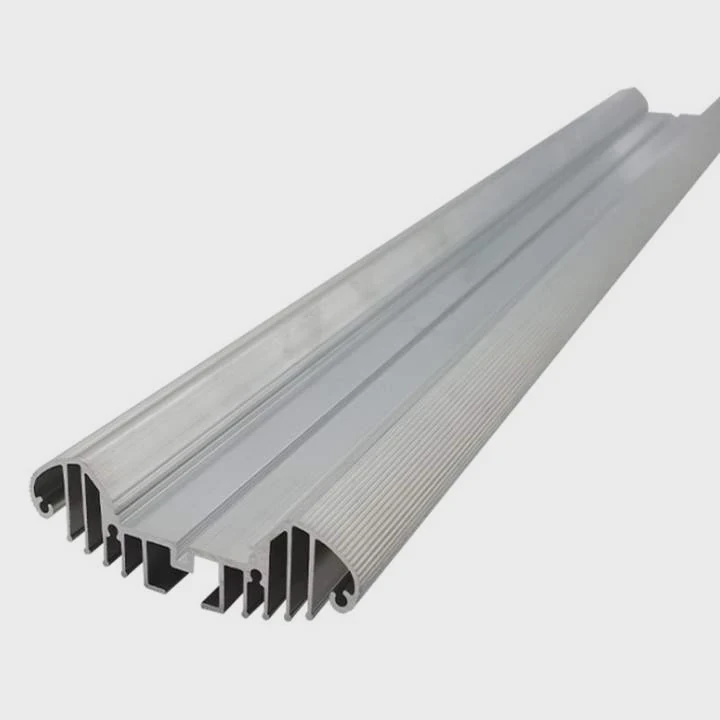
Many engineers want smaller and lighter heat sinks because modern equipment continues to become more compact. However, reducing thickness creates new challenges in strength, heat spreading, and manufacturing accuracy.
The minimum thickness for a heat sink depends on material, cooling method, manufacturing process, heat load, and mechanical requirements. In practical industrial designs, thin heat sinks can range from less than 1 mm fins to several millimeters in base thickness.
When I work with heat sink projects, I do not treat thickness as a simple size parameter. A thinner design is not always better. The heat sink must still provide enough thermal capacity, mechanical strength, and reliability for the application.
A successful thin heat sink design requires a balance between lightweight structure and effective heat transfer. Engineers must consider the complete thermal path from the heat source to the final cooling environment.
Do thin designs affect strength?
Reducing heat sink thickness can improve weight and space efficiency, but it can also create mechanical challenges. The structure must maintain enough strength to survive installation, vibration, and long-term operation.
Yes. Thin heat sink designs can affect strength because reduced material thickness may lower mechanical rigidity, increase deformation risk, and create challenges during manufacturing and assembly.
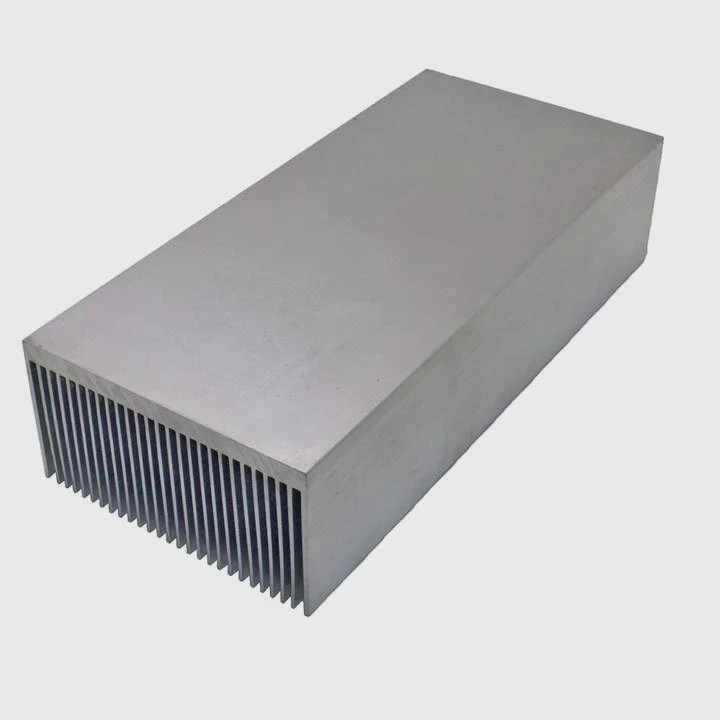
Thin heat sinks are becoming more common in industries where space is limited. Examples include communication equipment, electric vehicles, aerospace systems, medical devices, and portable electronic products.
However, a heat sink is not only a thermal component. It is also a mechanical structure that must support itself and sometimes other components.
Relationship Between Thickness and Mechanical Strength
A thicker heat sink usually provides:
- Higher structural rigidity
- Better vibration resistance
- Improved mounting stability
- Lower risk of deformation
A thinner heat sink provides:
- Lower weight
- Smaller installation space
- Reduced material usage
- Better product integration
The challenge is finding the right balance.
| Design Feature | Thin Heat Sink | Thick Heat Sink |
|---|---|---|
| Weight | Lower | Higher |
| Installation Space | Smaller | Larger |
| Mechanical Strength | Lower | Higher |
| Material Cost | Lower | Higher |
| Manufacturing Difficulty | Higher | Lower |
| Heat Capacity | Lower | Higher |
Base Thickness and Fin Thickness Are Different
When discussing heat sink thickness, engineers usually consider two different areas:
- Base thickness
- Fin thickness
The base connects the heat source to the cooling structure. It needs enough thickness to spread heat evenly.
The fins increase surface area and release heat into the surrounding air. They can often be much thinner than the base.
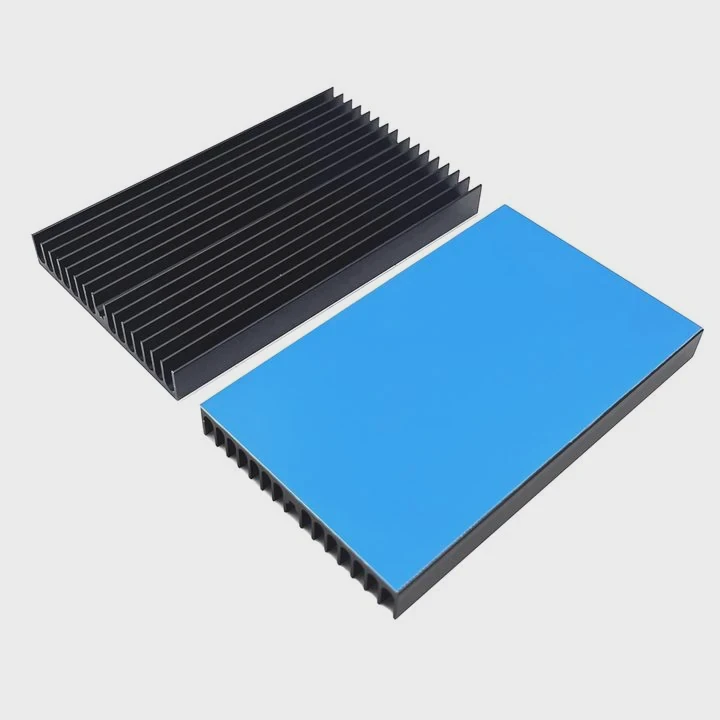
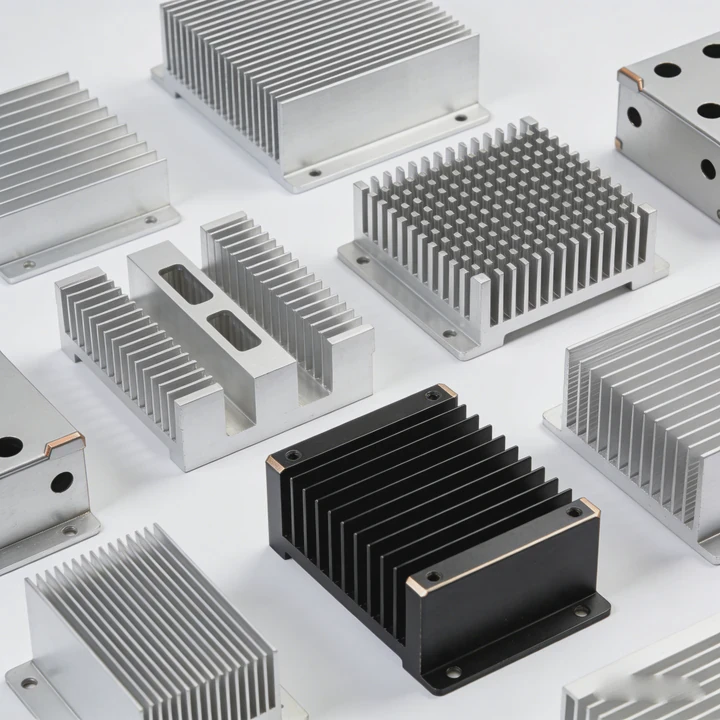
For example, an aluminum extrusion heat sink may have a base thickness of several millimeters while the fins may be around 1 mm or less.
Reducing fin thickness is often easier than reducing base thickness because the fins mainly provide surface area. The base has a direct influence on heat spreading.
Manufacturing Challenges of Thin Designs
Thin heat sinks require better manufacturing control.
During extrusion, very thin fins may create difficulties in metal flow. During machining, thin structures may vibrate or deform. During brazing, thermal expansion differences may create stress.
Manufacturers must control:
- Material quality
- Tool design
- Processing temperature
- Dimensional tolerance
- Surface treatment process
For industrial applications, a thin design should always be validated through thermal simulation and physical testing.
A heat sink that looks efficient on a drawing may not perform well if the structure cannot maintain good thermal contact or mechanical stability.
Thin designs are valuable, but they require stronger engineering support.
Can microfabrication enable smaller dimensions?
Modern electronics continue reducing size while increasing power density. Traditional manufacturing methods sometimes cannot create the small cooling structures required for these applications.
Yes. Microfabrication technologies can enable smaller heat sink dimensions by creating microchannels, micro fins, and advanced structures that improve cooling performance in limited spaces.
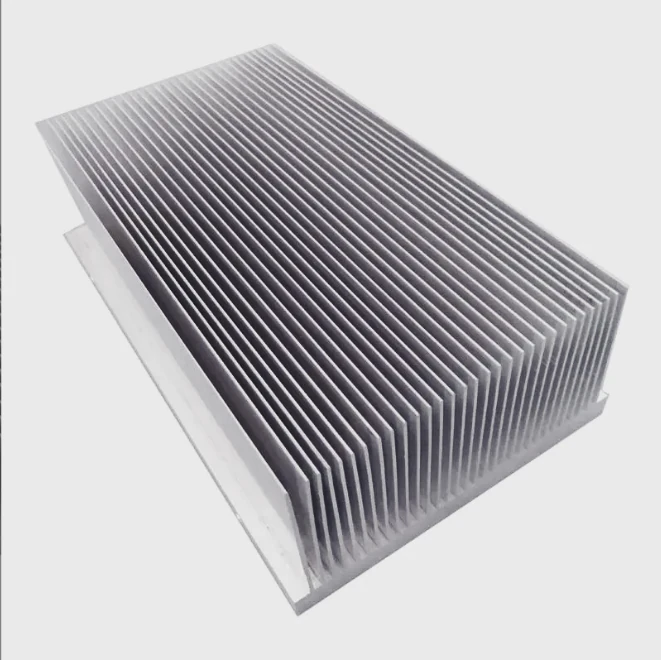
Microfabrication is especially important in industries such as semiconductor equipment, aerospace electronics, high-performance computing, and advanced communication systems.
What Is Microfabrication?
Microfabrication refers to manufacturing processes that create very small structures with high precision.
These methods can produce:
- Microchannels
- Fine cooling fins
- Small flow paths
- Complex internal structures
Unlike traditional machining, microfabrication allows engineers to design cooling structures at very small scales.
Micro Heat Sink Technologies
| Technology | Structure Size | Main Advantage |
|---|---|---|
| Microchannel Cooling | Micrometer level | Very high heat removal |
| Silicon Heat Sink Structures | Very small | Integration with chips |
| Laser Processed Fins | Fine structures | Design flexibility |
| Advanced Etching | Precise channels | Compact cooling |
Microchannel heat sinks are one of the most studied solutions for high-power electronics. They use very small channels where coolant flows directly near the heat source.
This reduces the distance heat needs to travel and improves cooling efficiency.
Limits of Microfabrication
Although microfabrication creates excellent cooling performance, it also introduces challenges.
The manufacturing process can be expensive. Equipment investment is high. Production speed may be slower compared with traditional aluminum extrusion.
For many industrial applications, microfabrication is not always the most practical solution.
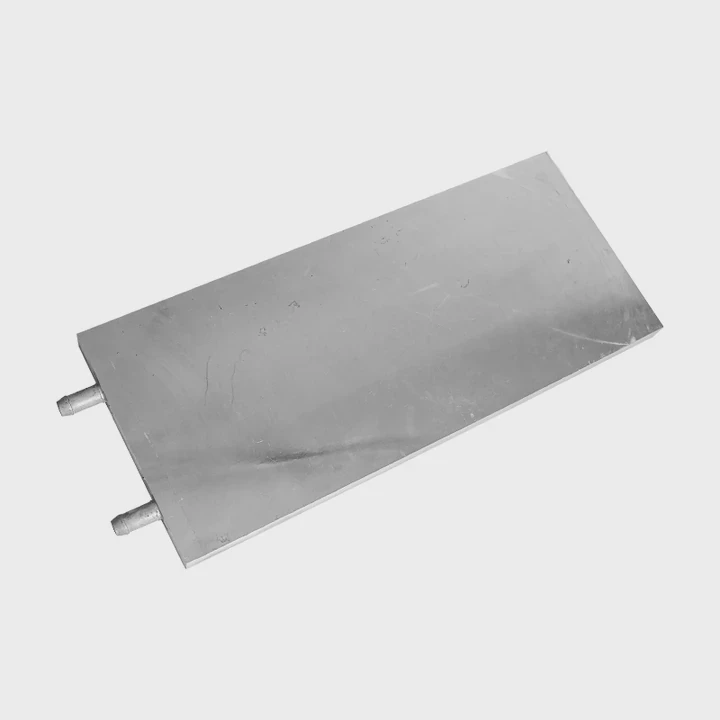
A large industrial power module may still benefit more from a conventional aluminum heat sink or liquid cooling plate because these solutions provide a better balance between cost and performance.
The correct approach depends on the application.
A semiconductor chip with extremely high heat density may require micro-scale cooling. A factory control cabinet may only need a reliable aluminum extrusion heat sink.
Combining Traditional and Advanced Methods
Many modern heat sink designs combine different technologies.
Examples include:
- Aluminum base with microchannels
- Copper spreader with aluminum fins
- Vapor chamber with external heat sink
- Liquid cooling plate with precision structures
This combination allows engineers to achieve better performance without making the entire product expensive.
Microfabrication expands the design possibilities, but it does not replace traditional manufacturing. The best solution depends on thermal requirements, production volume, and application environment.
How does thickness impact thermal performance?
Thickness directly affects how heat moves through a heat sink. A wrong thickness selection can create high thermal resistance and reduce cooling efficiency.
Heat sink thickness impacts thermal performance by affecting heat spreading, thermal resistance, heat capacity, and airflow interaction. A suitable thickness helps heat move quickly from the source to the cooling surface.
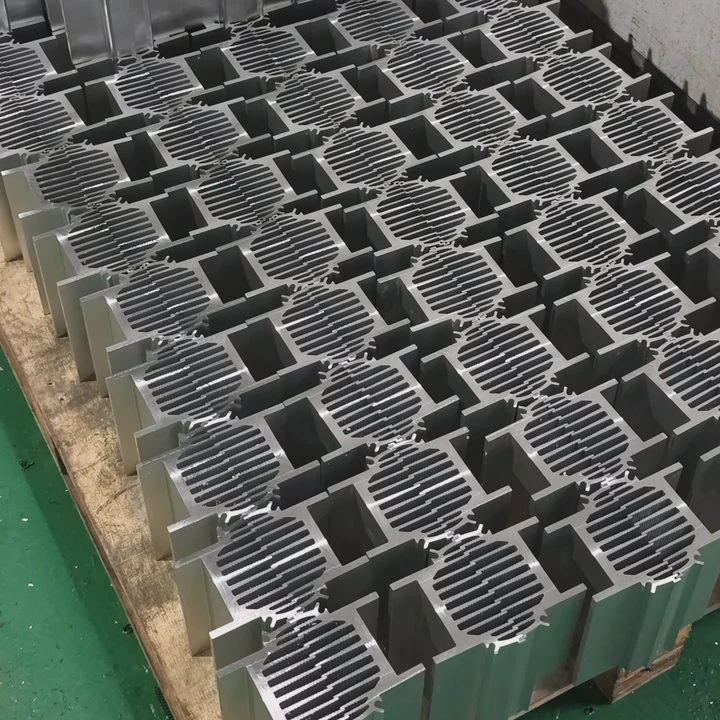
Heat does not move instantly through a metal structure. It travels from the heat source through the base and then spreads into the fins.
The base thickness plays an important role in this process.
Thermal Effects of Different Thickness Levels
| Thickness Condition | Thermal Effect |
|---|---|
| Too thin | Poor heat spreading and higher temperature difference |
| Optimized thickness | Balanced heat transfer and weight |
| Too thick | Extra weight with limited thermal improvement |
A thicker base can reduce thermal spreading resistance. However, increasing thickness beyond a certain point creates diminishing returns.
Adding more material does not always create better cooling. The heat still needs to leave the surface through airflow or liquid.
Important Thermal Parameters
Engineers usually evaluate:
- Thermal conductivity
- Thermal resistance
- Heat spreading distance
- Surface area
- Cooling medium
A copper heat sink can use a thinner structure because copper has higher thermal conductivity. Aluminum may require different geometry because its thermal performance is lower.
The cooling environment also matters.
A heat sink with strong airflow can use thinner fins because air removes heat effectively. A passive heat sink may require larger surface area and optimized thickness.
Thickness Optimization Process
A professional heat sink design usually follows several steps:
- Define heat generation
- Select material
- Create thermal model
- Optimize thickness
- Manufacture prototype
- Perform thermal testing
Computer simulation helps engineers understand temperature distribution before production.
However, physical testing remains important because real-world conditions include mounting pressure, manufacturing variation, and environmental changes.
The best thickness is not the smallest possible thickness. It is the thickness that provides reliable cooling with reasonable cost and manufacturing feasibility.
Are material choices critical for thin designs?
Material selection becomes even more important when designing thin heat sinks. A thin structure has less material volume, so the material must provide strong thermal and mechanical performance.
Yes. Material choices are critical for thin heat sink designs because materials determine thermal conductivity, strength, weight, corrosion resistance, and manufacturing capability.
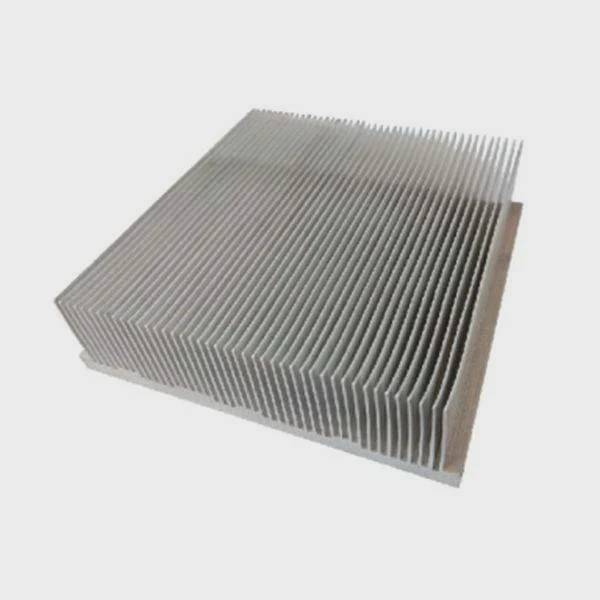
Different materials create different design possibilities.
Common Materials for Thin Heat Sinks
| Material | Thermal Conductivity | Thin Design Benefit |
|---|---|---|
| Aluminum | Good | Lightweight and easy manufacturing |
| Copper | Excellent | Strong heat spreading |
| Aluminum-Copper Composite | Very good | Balanced performance |
| Graphite Composite | High | Lightweight thermal spreading |
Aluminum remains the most common choice because it provides excellent value.
It is easy to extrude into thin fin structures. It has good corrosion resistance. It is also much lighter than copper.
Copper is useful when heat spreading is the main priority. However, its higher density increases weight.
Composite materials can provide better performance but usually require more advanced manufacturing.
Material Selection Should Match Application
A thin heat sink for a communication device may prioritize low weight.
A thin heat sink for a semiconductor module may prioritize maximum thermal conductivity.
A thin heat sink for aerospace equipment may require both low weight and high reliability.
Engineers must consider:
- Heat output
- Space limitations
- Weight restrictions
- Production cost
- Environmental conditions
Material choice and thickness design work together. A poor material choice cannot always be corrected by changing dimensions.
The future of heat sink development will continue moving toward lighter structures, better thermal materials, and more precise manufacturing technologies. Advanced designs will help industries create smaller products while maintaining reliable cooling performance.
Conclusion
The minimum thickness of a heat sink depends on many factors, including material, design, manufacturing process, and thermal requirements. Thin heat sinks can provide excellent performance when engineers balance size, strength, and heat transfer ability.