What Precautions Are Needed When Shipping Heat Sinks?
- Yongxing
- 04 Aug ,2026
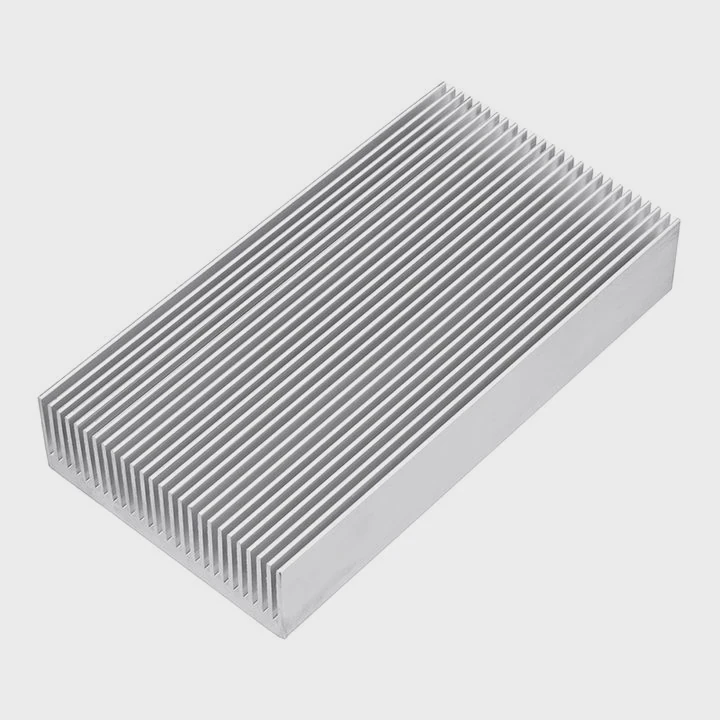
Shipping a heat sink looks simple. Yet one small mistake during packing or transport can lead to scratches, corrosion, or hidden damage that affects final performance.
Yes. Heat sinks need proper protection from temperature changes, moisture, dust, impact, and shipping regulations. Good packaging and clear labeling help ensure products arrive safely and maintain their thermal performance throughout the supply chain.
Many buyers focus on heat sink design and production quality. However, shipping is the final step before installation. A well-made heat sink can still become a costly problem if it arrives damaged. This guide explains the key precautions that help protect heat sinks during domestic and international transportation.
Do Temperature Extremes Affect Packaging?
Temperature changes may seem harmless during shipping. In fact, they can affect both the packaging and the heat sink itself if the right materials are not used.
Yes. Extreme heat or cold can weaken packaging materials, create condensation, and increase the risk of corrosion. Using stable packaging materials and moisture protection helps reduce these risks during transportation.
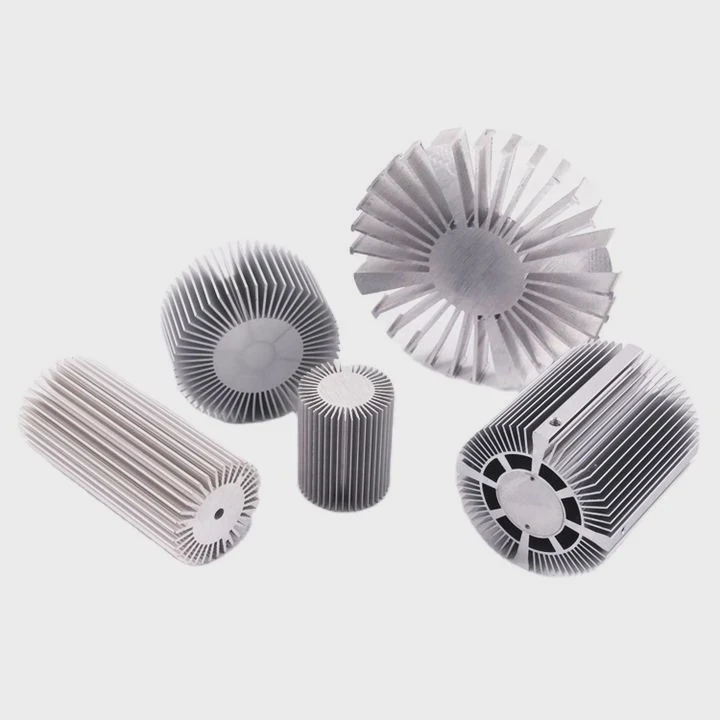
Heat sinks are usually made from aluminum, copper, or a combination of both. These metals handle high operating temperatures very well. However, shipping conditions are very different from working conditions.
A shipment may travel through hot ports, cold warehouses, humid coastal areas, and dry inland regions within only a few days. Every environment creates different challenges.
Common Temperature Risks
| Shipping Condition | Possible Effect | Recommended Protection |
|---|---|---|
| High temperature | Softened packaging, adhesive failure | Heat-resistant cartons and tape |
| Low temperature | Brittle plastic packaging | Cold-resistant protective film |
| Rapid temperature change | Condensation | Moisture barrier bags |
| Long warehouse storage | Surface oxidation | Protective coating and sealed packaging |
One major concern is condensation.
When a cold package enters a warm warehouse, water droplets may form on the metal surface. Aluminum naturally forms an oxide layer that offers some protection. Copper, however, can discolor or oxidize more quickly when moisture remains on the surface.
For machined heat sinks with very tight tolerances, moisture can also affect surface finish. Cosmetic appearance matters for many industrial customers, especially when products are used in medical devices, communication equipment, or premium electronics.
Packaging Materials Matter
The outer carton should remain strong even after long exposure to changing temperatures.
Many exporters use:
- Double-wall corrugated cartons
- High-density foam inserts
- EPE foam
- PE protective bags
- Anti-condensation liners
These materials keep the product stable while reducing the effect of environmental changes.
Long Ocean Shipments Need More Protection
Ocean freight usually lasts much longer than air freight. Containers may sit under direct sunlight during the day and cool rapidly at night. This repeated cycle creates ideal conditions for condensation.
For overseas shipments, it is helpful to include:
- Desiccant packs
- Moisture indicator cards
- Vacuum-sealed packaging when appropriate
- Waterproof inner liners
These extra steps add very little cost compared with replacing damaged products after delivery.
Temperature itself rarely damages the metal heat sink. The real problem comes from how temperature affects moisture, packaging strength, and storage conditions. A packaging design that considers these factors greatly improves product safety during transportation.
Can Moisture or Dust Cause Damage?
Heat sinks often travel through factories, ports, warehouses, and trucks before reaching the customer. Every stop increases the chance of exposure to moisture and airborne particles.
Yes. Moisture can lead to oxidation or corrosion, while dust may contaminate thermal surfaces and reduce assembly quality. Clean, sealed packaging helps prevent both problems.
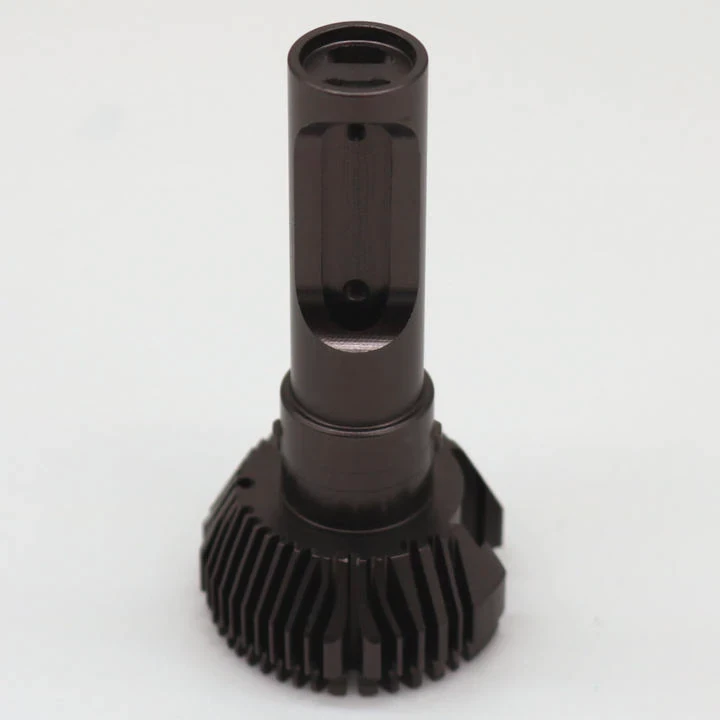
Many people think aluminum never corrodes. That is only partly true.
Aluminum forms a protective oxide layer naturally. This layer protects the metal under normal conditions. However, prolonged exposure to moisture, salt air, or chemical contamination can still affect the appearance and, in some cases, the surface quality.
Copper requires even more attention because it oxidizes much faster than aluminum.
Moisture Sources During Shipping
Moisture may come from many places.
- Sea air
- Rain during loading
- Humid warehouses
- Condensation inside containers
- Poor storage conditions
Even if the cartons stay dry, humidity inside the package can remain high for several weeks.
Why Dust Is Also Important
Dust may appear harmless, but it creates several problems.
For example, fine particles can collect between thin cooling fins. Cleaning them later is time-consuming and may even damage delicate fin structures.
Dust also becomes a problem when heat sinks are installed together with:
- Thermal grease
- Thermal pads
- Phase change materials
- Vapor chamber assemblies
Contaminated contact surfaces reduce thermal contact quality.
Recommended Protection Methods
| Risk | Protection Method | Benefit |
|---|---|---|
| Humidity | Desiccant bags | Lower internal humidity |
| Water exposure | PE moisture barrier bags | Prevent water contact |
| Dust | Sealed plastic bags | Keep surfaces clean |
| Long storage | Vacuum packaging | Better long-term protection |
Some high-end customers also request VCI packaging.
VCI stands for Vapor Corrosion Inhibitor. These special packaging materials release protective molecules that reduce corrosion on metal surfaces during storage and transportation.
Clean Packaging Supports Better Manufacturing
Many customers install heat sinks directly into automated production lines.
If the packaging keeps every part clean, operators can install components immediately without additional cleaning. This saves labor, reduces production time, and improves product consistency.
Simple packaging improvements often prevent expensive quality problems later in the manufacturing process.
Are Shock-Absorbing Methods Recommended?
Transportation involves vibration, stacking, loading, unloading, and accidental drops. Even a solid aluminum heat sink can suffer damage without proper cushioning.
Yes. Shock-absorbing packaging is strongly recommended because it prevents bent fins, scratched surfaces, loose assemblies, and deformation during transportation.
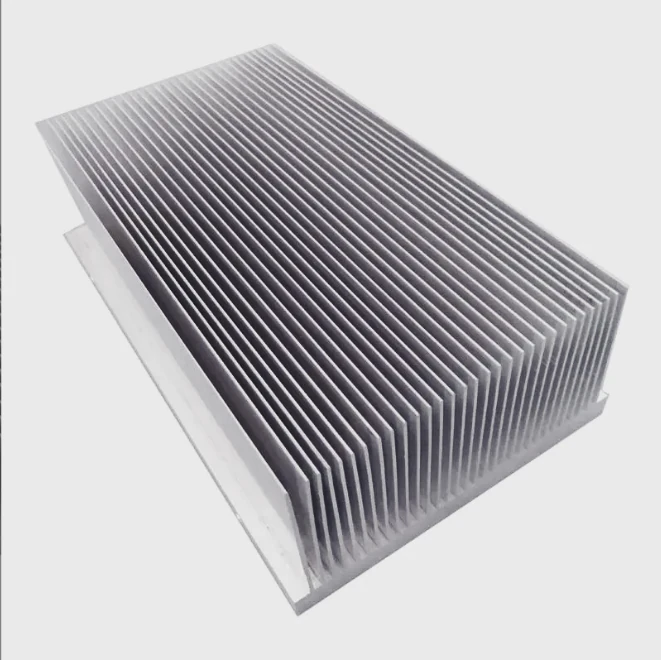
Heat sinks are often stronger than many electronic components. However, certain structures remain vulnerable.
Thin fins, bonded assemblies, vapor chambers, heat pipes, and welded joints can all be damaged by excessive impact.
A small bend in several cooling fins may seem unimportant. Yet airflow performance can decrease if enough fins become distorted.
Typical Shipping Hazards
Every shipping method creates vibration.
Truck transportation creates continuous vibration over long distances.
Air freight introduces repeated handling at airports.
Ocean freight exposes cargo to container movement and stacking pressure.
Without proper protection, repeated small impacts can become large quality issues.
Common Cushioning Materials
Several materials work well for heat sink packaging.
EPE Foam
EPE foam is lightweight and provides excellent cushioning.
It also absorbs repeated vibration well.
EVA Foam
EVA foam is stronger than EPE.
It is often used for premium or heavy heat sinks.
Molded Foam Inserts
Custom foam inserts keep every product in a fixed position.
This prevents products from colliding with each other during transport.
Packaging Design Is Just as Important
The best cushioning material cannot protect products if the package design is poor.
A good design should:
- Prevent internal movement
- Support heavy products evenly
- Separate individual parts
- Protect sharp fin structures
- Maintain box strength under stacking pressure
Drop Testing Improves Confidence
Many industrial suppliers perform packaging validation before mass shipment.
Typical tests include:
- Drop testing
- Compression testing
- Vibration testing
- Transportation simulation
These tests identify weak packaging points before products enter large-scale shipping.
For custom heat sinks with high manufacturing value, packaging validation usually costs far less than replacing damaged shipments.
A strong packaging system protects not only the product but also customer confidence.
How to Handle Customs and Labeling?
Many shipping delays happen because of paperwork instead of transportation problems. Proper customs documentation and accurate labeling make international delivery much smoother.
Correct customs documents, accurate product descriptions, clear shipping labels, and proper country-of-origin marking help reduce customs delays and improve delivery efficiency.
International shipments require much more than a shipping carton.
Customs authorities review product information carefully. Missing or inconsistent information can delay clearance for days or even weeks.
Basic Shipping Documents
Most international shipments include:
- Commercial invoice
- Packing list
- Bill of lading or air waybill
- Certificate of origin when required
- Material declarations if requested
- Product specifications when needed
Every document should describe the product consistently.
For example, if one document says “aluminum parts” while another says “electronic cooling module,” customs officers may request additional verification.
Product Labels Should Be Clear
Each carton should display important information such as:
- Product name
- Part number
- Quantity
- Gross weight
- Net weight
- Country of origin
- Carton number
- Handling instructions
Clear labels also improve warehouse efficiency after delivery.
Special Marks Help Logistics Teams
Many industrial shipments include handling symbols such as:
- Fragile
- Keep Dry
- This Side Up
- Do Not Stack
- Handle With Care
Although these symbols cannot prevent rough handling completely, they provide useful guidance throughout the logistics process.
Follow Local Import Requirements
Different countries may request additional information.
Examples include:
- HS codes
- Import licenses
- Material declarations
- RoHS statements
- REACH compliance
- Packaging material declarations
Preparing these documents before shipment reduces customs questions and avoids unnecessary storage fees at ports.
Communication Matters
Before shipping, both supplier and customer should confirm:
- Shipping method
- Delivery address
- Contact information
- Customs broker details
- Packaging requirements
- Label format
Simple communication often prevents expensive mistakes.
Good documentation supports smooth customs clearance, faster delivery, and a better purchasing experience. For many international buyers, reliable shipping documentation is just as important as the product itself.
Conclusion
Proper heat sink shipping requires much more than a strong carton. Protection from temperature changes, moisture, dust, impact, and customs delays helps preserve product quality from the factory to the final installation site. Careful packaging and accurate documentation reduce risk, lower costs, and build long-term customer trust.