What Shipping Options Exist for Heat Sinks?
- Yongxing
- 05 Aug ,2026
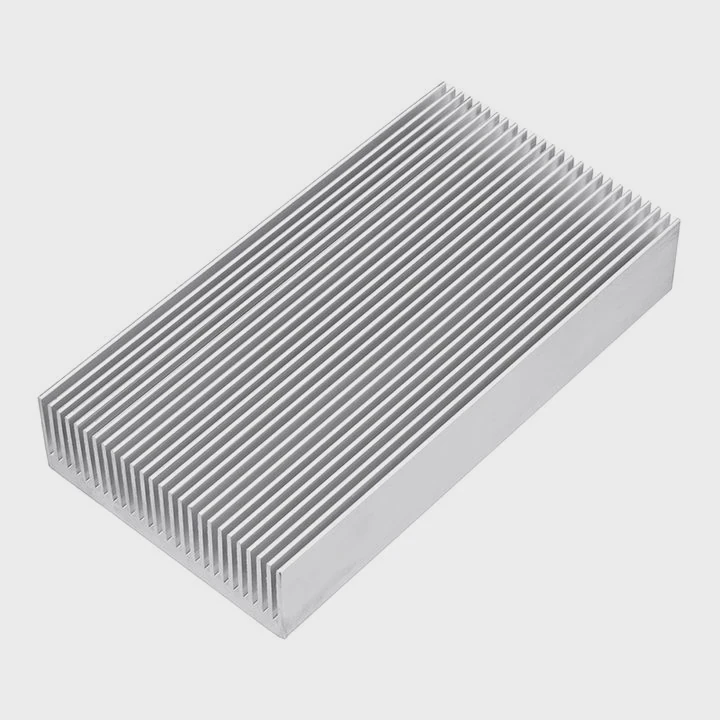
Many companies focus on heat sink design and manufacturing but underestimate the importance of transportation. Poor shipping choices can increase costs, delay projects, and damage precision cooling components.
Heat sink shipping options include air freight, sea freight, express delivery, and specialized packaging solutions. The best method depends on order volume, delivery time, product size, destination, and customer requirements.
Heat sinks are often made from aluminum, copper, or complex thermal assemblies. Although these materials are strong, finished products can still be damaged by impact, moisture, or improper handling. A reliable shipping plan protects product quality from the factory to the final application site.
Do Air or Sea Freight Suit Different Orders?
Different heat sink orders require different transportation methods. A small urgent shipment has completely different needs compared with a large production order.
Air freight and sea freight serve different purposes. Air freight is suitable for urgent, smaller orders that need fast delivery, while sea freight is better for large-volume shipments that prioritize lower transportation costs.
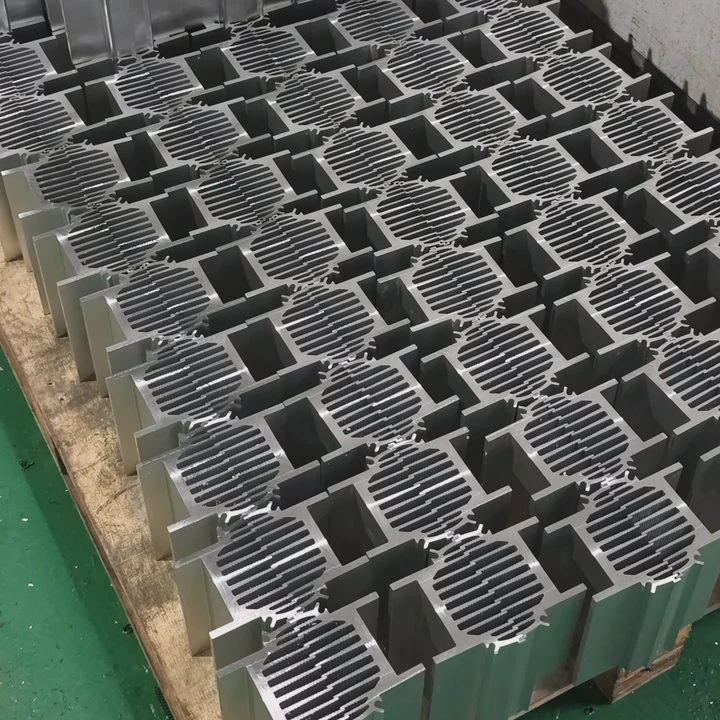
Choosing the right shipping method helps companies balance speed, cost, and supply chain stability.
Air Freight Advantages
Air freight is commonly selected for:
- Prototype shipments
- Urgent replacement parts
- Small production batches
- High-value heat sink modules
- Customer testing samples
The main advantage is speed.
Air transportation can reduce delivery time significantly compared with ocean shipping. This makes it useful when customers need to validate samples quickly or avoid production delays.
However, air freight usually has higher costs.
Factors that increase air shipping costs include:
- Product weight
- Package size
- Destination distance
- Fuel prices
- Special handling requirements
Sea Freight Advantages
Sea freight is often the preferred option for large orders.
It works well for:
- Mass-produced aluminum heat sinks
- Large cooling assemblies
- Regular monthly shipments
- Long-term supply programs
The main advantages include:
- Lower transportation cost
- Higher cargo capacity
- Better suitability for heavy products
For example, a customer ordering thousands of heat sinks may save significant money by selecting ocean transportation.
Shipping Method Comparison
| Shipping Method | Best For | Main Advantage |
|---|---|---|
| Air freight | Samples and urgent orders | Fast delivery |
| Sea freight | Large production orders | Lower cost |
| Express shipping | Small urgent packages | Door-to-door service |
| Rail freight | Some international routes | Balanced speed and cost |
Choosing the Right Method
The correct shipping method depends on several factors:
- Order quantity
- Delivery deadline
- Product value
- Customer inventory level
- Transportation budget
Many companies use a mixed strategy. They may send prototypes by air and ship mass production orders by sea.
This approach improves project speed while controlling long-term logistics costs.
A professional heat sink supplier usually helps customers select the most suitable shipping solution. By understanding production schedules and customer requirements, suppliers can create a delivery plan that supports both technical goals and business needs.
Can Express Shipping Reduce Lead Time?
In many projects, waiting for heat sink samples or replacement parts can delay product development. Express shipping provides a faster option when time is critical.
Yes. Express shipping can significantly reduce lead time for small heat sink shipments, prototypes, and urgent components. It provides faster transportation and usually includes door-to-door delivery services.
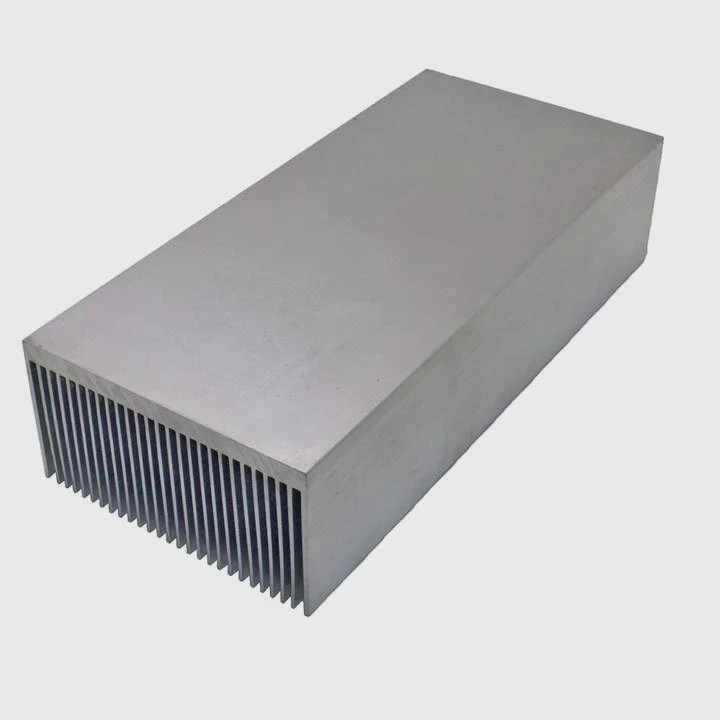
Express shipping is especially valuable during the development stage.
Prototype Development
During product development, engineers often need samples quickly.
Express shipping helps teams:
- Test designs faster
- Complete thermal validation sooner
- Review assembly compatibility
- Reduce development delays
A fast sample delivery can shorten the entire product development cycle.
Emergency Replacement
Production lines cannot always wait for standard transportation.
Express shipping can support:
- Urgent replacement parts
- Failed component replacement
- Customer repair projects
- Temporary inventory shortages
Fast delivery helps reduce downtime.
Express Shipping Limitations
Although express shipping is fast, it is not suitable for every order.
Possible disadvantages include:
- Higher transportation costs
- Weight limitations
- Size restrictions
Large copper heat sinks or liquid cooling assemblies may become expensive to ship through express services.
Express vs Standard Shipping
| Shipping Type | Delivery Speed | Cost Level | Suitable Orders |
|---|---|---|---|
| Express | Fastest | High | Samples and urgent parts |
| Air freight | Fast | Medium to high | Small production orders |
| Sea freight | Slow | Low | Large volume orders |
Reducing Total Lead Time
Shipping is only one part of delivery speed.
Manufacturers can also reduce lead time through:
- Faster prototype production
- Better inventory planning
- Advanced production scheduling
- Clear customer communication
A fast shipping method cannot solve production delays. The best results come from combining efficient manufacturing with suitable transportation.
For international heat sink projects, express shipping creates flexibility. Customers can quickly receive samples, approve designs, and move into production with fewer delays. This makes express delivery an important option during early project stages.
Are Specialized Packaging Methods Needed?
Heat sinks are durable products, but customized thermal components often require careful protection during transportation.
Yes. Specialized packaging methods are recommended for heat sinks, especially for precision machined parts, liquid cooling components, and large thermal assemblies. Proper packaging prevents damage from impact, moisture, and surface scratches.
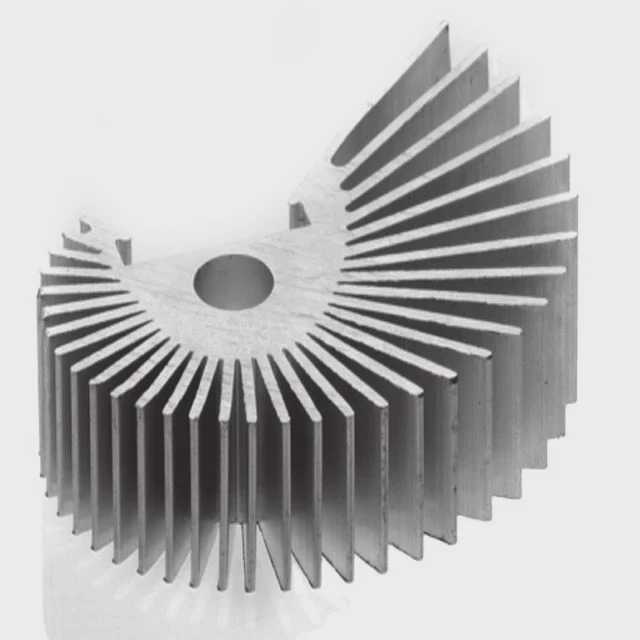
Packaging quality directly affects the condition of products when they arrive.
Protecting Precision Surfaces
Many heat sinks include important surfaces that require protection.
Examples include:
- Machined contact areas
- Mounting surfaces
- Welding areas
- Coated surfaces
Small scratches or deformation may affect assembly performance.
Manufacturers often use:
- Protective films
- Foam inserts
- Custom separators
- Anti-scratch materials
Preventing Moisture Damage
Long-distance transportation may expose products to humidity.
Protection methods include:
- Moisture barriers
- Desiccant materials
- Vacuum packaging
- Sealed containers
This is especially important for copper components and products shipped through ocean transportation.
Packaging for Different Products
Different heat sink designs require different packaging solutions.
| Product Type | Recommended Packaging |
|---|---|
| Aluminum extrusion heat sink | Protective separators |
| CNC machined heat sink | Foam protection |
| Liquid cooling plate | Leak protection packaging |
| Copper heat sink | Moisture protection |
| Large thermal module | Reinforced wooden cases |
Avoiding Transportation Damage
Common shipping risks include:
- Impact damage
- Surface scratches
- Product movement inside boxes
- Corrosion
- Packaging deformation
Good packaging reduces these risks.
Customized Packaging Solutions
Large customers often require specific packaging standards.
Requirements may include:
- Returnable packaging
- Barcode labels
- Batch identification
- Special handling instructions
- Environmental protection requirements
Customized packaging improves supply chain efficiency and makes receiving inspections easier.
Packaging should be considered during product development, not only after production. When engineers understand transportation requirements early, they can design products and packaging systems together. This reduces damage risks and improves the overall customer experience.
How to Calculate Shipping Costs?
Shipping cost calculation involves more than product weight. Heat sink transportation prices depend on several logistics factors.
Heat sink shipping costs are calculated based on product weight, package volume, transportation method, destination, handling requirements, and current freight rates. Accurate calculation requires considering both physical product information and delivery conditions.
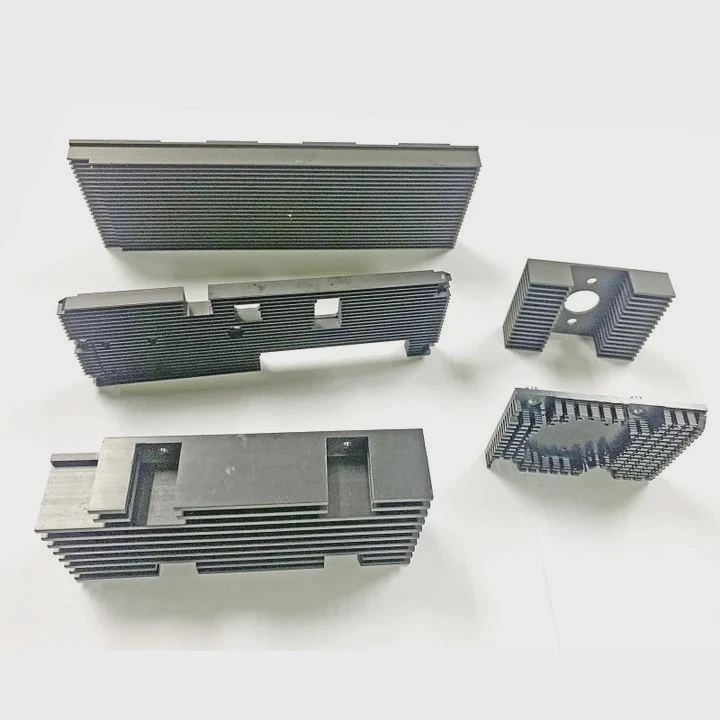
Understanding cost factors helps companies create better purchasing plans.
Weight and Volume
Shipping companies usually consider:
- Actual weight
- Dimensional weight
- Package size
Large but lightweight heat sinks may still have high shipping costs because they occupy significant transportation space.
Transportation Distance
The destination directly affects cost.
Important factors include:
- Origin location
- Destination country
- Shipping route
- Customs requirements
- Local delivery distance
International shipments usually require more logistics planning.
Product Characteristics
Some heat sinks need special handling.
Examples include:
- Large cooling modules
- Fragile assemblies
- Liquid cooling systems
- High-value thermal components
Special requirements may increase transportation costs.
Shipping Cost Example Factors
| Cost Factor | Effect on Price |
|---|---|
| Product weight | Higher weight increases cost |
| Package size | Larger volume increases cost |
| Shipping method | Faster methods cost more |
| Destination | Longer distance increases cost |
| Special handling | Adds additional fees |
Reducing Shipping Costs
Companies can reduce costs through:
- Better packaging design
- Consolidated shipments
- Regular shipping schedules
- Choosing suitable transportation methods
- Working with experienced logistics partners
For example, combining several small shipments into one sea freight order may reduce total logistics expenses.
Working With Suppliers
Experienced heat sink suppliers often support customers with logistics planning.
They can help with:
- Export documentation
- Packaging design
- Freight coordination
- Delivery scheduling
- Customs preparation
This support is valuable for international B2B customers.
Shipping is an important part of the complete heat sink supply chain. A good transportation strategy protects product quality while controlling cost and delivery time. When manufacturers and customers plan logistics together, heat sinks can move smoothly from production facilities to final applications worldwide.
Conclusion
Heat sink shipping options include air freight, sea freight, express delivery, and customized packaging solutions. The best choice depends on order size, urgency, product type, and budget. Proper logistics planning protects heat sink quality while improving delivery efficiency and customer satisfaction.