Which Building Systems Benefit Most From Heat Sinks?
- Yongxing
- 05 Aug ,2026
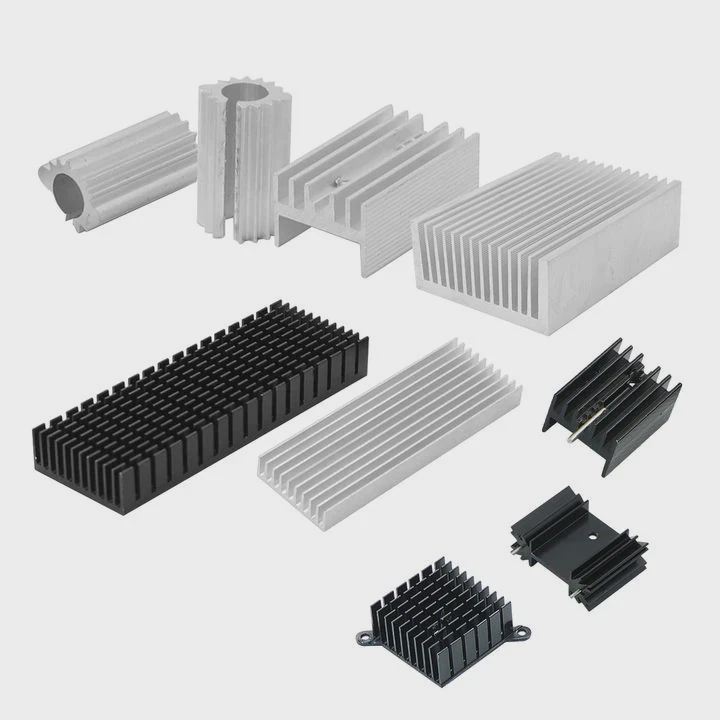
Modern buildings use more electronic equipment than ever before. Smart controls, communication systems, energy storage, and automation devices all create heat during operation. Without proper thermal management, these systems can lose efficiency and experience early failures.
Building systems that benefit most from heat sinks include data centers, smart HVAC controls, renewable energy systems, automation equipment, lighting systems, and other energy-efficient technologies that require stable temperature control.
When I look at building thermal management projects, I see that heat sinks are no longer limited to industrial machines. They are becoming an important part of modern buildings because electronic components are becoming smaller, more powerful, and more heat-sensitive.
A building may have excellent air conditioning, but local heat sources still need direct cooling solutions. Heat sinks help remove heat from specific components before larger cooling systems handle the overall environment.
Do data centers rely on heat sinks?
Data centers are among the most heat-intensive building systems today. Servers, power supplies, networking devices, and computing hardware operate continuously and generate large amounts of heat.
Yes. Data centers rely heavily on heat sinks because high-performance computing equipment requires efficient thermal management to maintain performance, prevent overheating, and extend hardware lifespan.
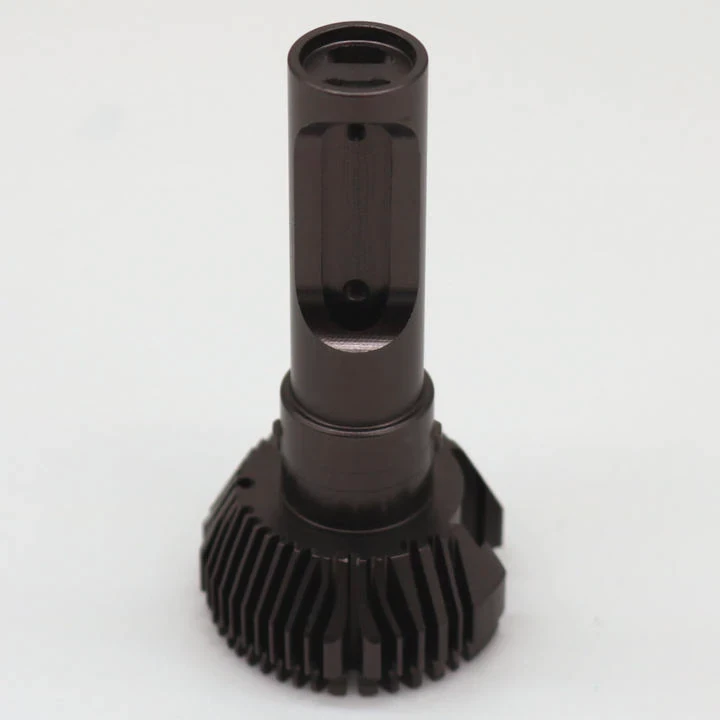
A modern data center is not only a room full of servers. It is a complex thermal environment where every component affects energy efficiency.
Why Data Centers Need Advanced Heat Sinks
Electronic chips inside servers can generate significant heat in very small areas. This creates high thermal density.
Traditional room cooling alone cannot effectively remove heat from every component. The heat must first move away from the chip surface.
Heat sinks provide this first step.
The thermal path usually includes:
- Semiconductor chip
- Thermal interface material
- Heat sink base
- Cooling fins
- Air or liquid cooling system
Each part affects the final temperature.
Common Heat Sink Solutions in Data Centers
| Data Center Component | Heat Sink Solution | Main Benefit |
|---|---|---|
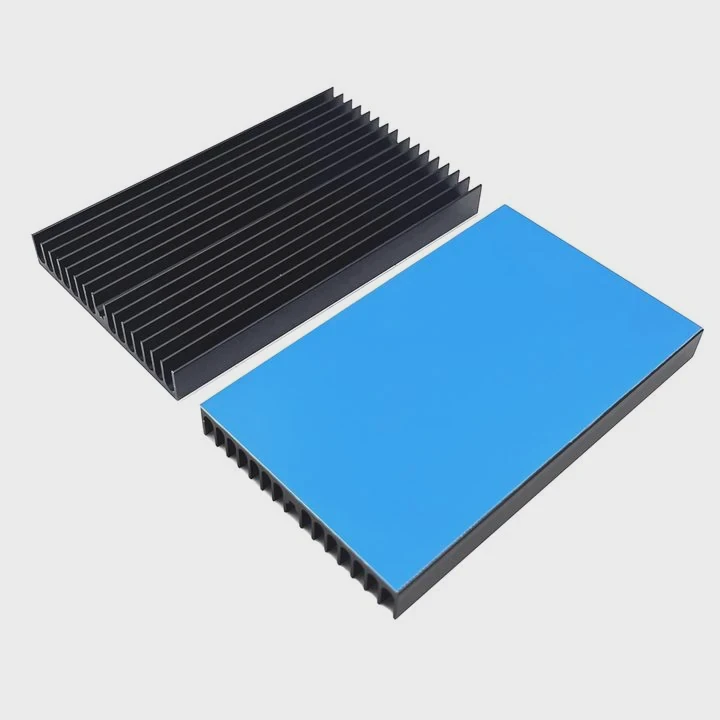
| CPU and GPU modules | Copper heat sinks | Fast heat spreading |
| Server power supplies | Aluminum heat sinks | Lightweight cooling |
| Network equipment | Extruded heat sinks | Reliable operation |
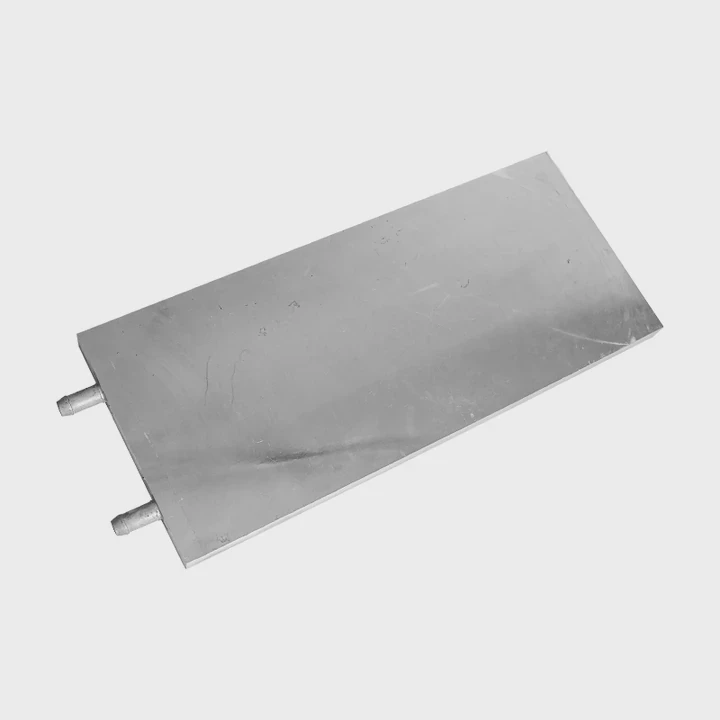
| High-performance computing | Liquid cooling plates | High heat removal |
Data centers increasingly use hybrid cooling systems. Air cooling remains common, but liquid cooling is becoming more important for high-density computing.
A heat sink may work together with liquid cooling rather than replace it. For example, a cold plate can remove heat from a processor while additional heat sinks manage surrounding components.
Energy Efficiency and Heat Sink Design
Data centers consume large amounts of electricity. Cooling can represent a significant part of total energy usage.
A better heat sink design can reduce thermal resistance and allow cooling systems to work more efficiently.
Engineers often optimize:
- Fin structure
- Material selection
- Airflow direction
- Contact surface quality
- Cooling interface design
A small improvement in thermal efficiency can create meaningful energy savings across thousands of servers.
For this reason, data centers continue investing in advanced heat sink technologies, including vapor chambers, liquid cooling modules, and high-conductivity materials.
Can office HVAC systems integrate them?
Office buildings depend on HVAC systems to maintain comfortable indoor temperatures. However, HVAC systems alone cannot solve every thermal challenge because many building components create localized heat.
Yes. Office HVAC systems can integrate with heat sink solutions because heat sinks provide targeted cooling for electronic equipment while HVAC systems control overall indoor temperature.
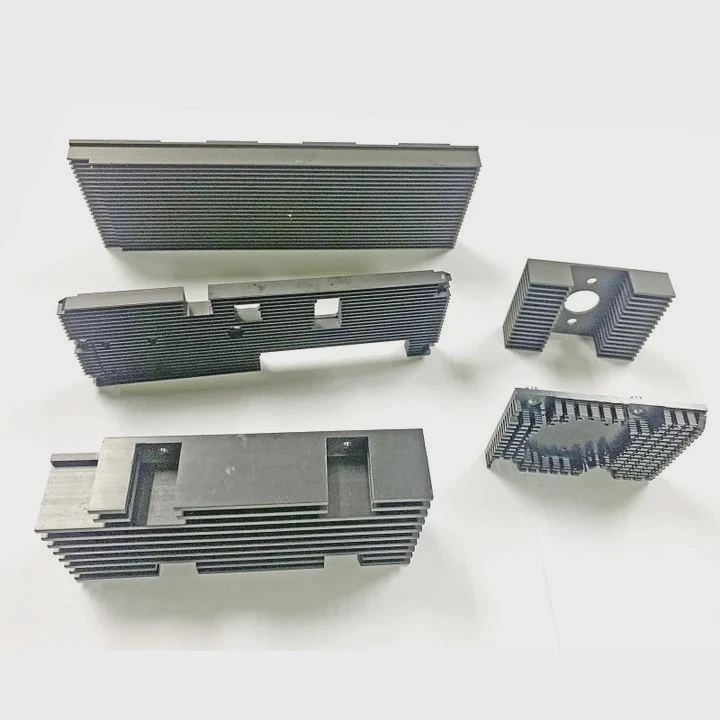
Traditional HVAC systems are designed to cool spaces, not individual electronic components.
Modern offices contain many heat-generating devices:
- Building control systems
- Smart lighting controllers
- Network cabinets
- Security equipment
- Digital displays
- Communication devices
These systems often need additional thermal management.
Heat Sink Applications in Smart Offices
| Office System | Heat Source | Heat Sink Role |
|---|---|---|
| Building automation | Control modules | Prevent overheating |
| LED lighting | Power drivers | Extend lifespan |
| Network equipment | Communication chips | Maintain performance |
| Smart sensors | Electronic circuits | Improve reliability |
A building management system may control thousands of devices. If the control hardware becomes too hot, the entire automation system may become unstable.
Heat sinks help maintain reliable operation by removing heat directly from sensitive components.
HVAC and Heat Sink Cooperation
HVAC systems manage the building environment.
Heat sinks manage component-level temperatures.
These two solutions work together.
For example, a smart building controller may operate inside an electrical cabinet. The office HVAC system keeps the room temperature comfortable, while a heat sink prevents the internal electronics from overheating.
This approach improves system reliability without requiring excessive room cooling.
Benefits for Modern Office Buildings
Heat sink integration can provide:
- Longer equipment life
- Lower maintenance frequency
- Better system stability
- Reduced risk of electronic failure
As offices become smarter, the demand for compact thermal solutions will continue increasing.
Are passive building designs compatible?
Passive building designs focus on reducing energy consumption through natural ventilation, insulation, solar control, and efficient building materials. At first, heat sinks may seem unrelated to passive design.
Yes. Passive building designs are compatible with heat sinks because heat sinks can support low-energy cooling strategies by improving natural heat transfer and reducing dependence on active cooling systems.
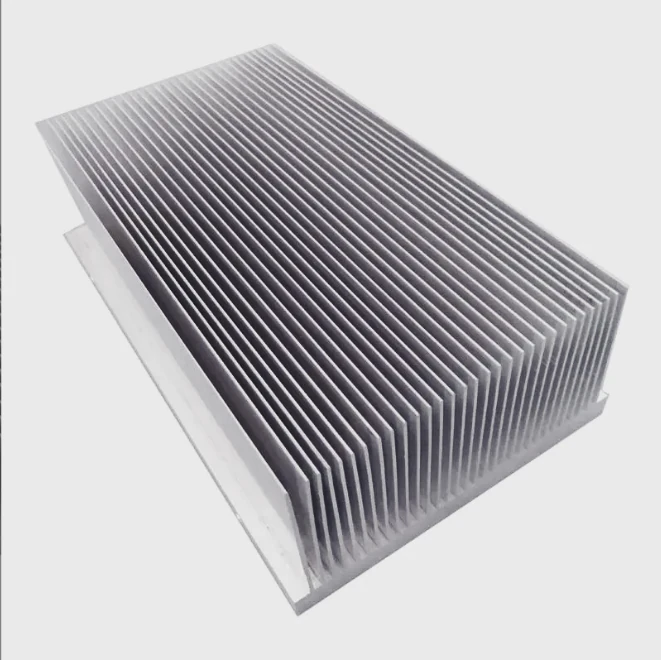
Passive design does not mean removing all technology. It means using energy more efficiently.
Heat sinks can support passive strategies in several ways.
Passive Cooling Applications
Heat sinks can help:
- Spread heat more evenly
- Improve natural convection
- Reduce local temperature increases
- Protect electronic components without fans
A passive heat sink uses natural airflow and radiation to remove heat. It does not require motors, pumps, or additional energy.
Examples of Passive Building Integration
| Building Application | Heat Sink Use | Passive Benefit |
|---|---|---|
| Solar energy systems | Cooling power electronics | Improves efficiency |
| Smart sensors | Temperature control | Reduces maintenance |
| LED lighting | Heat dissipation | Extends product life |
| Building automation | Component protection | Improves reliability |
Passive heat sinks are especially useful in systems where low maintenance is important.
For example, outdoor building sensors may need to operate for many years without frequent service. A passive cooling design can provide reliable temperature control without additional energy consumption.
Limitations of Passive Heat Sinks
Passive solutions are not suitable for every application.
High-power systems may generate more heat than natural airflow can remove.
Large data centers, advanced computing systems, and high-capacity energy storage usually require active cooling.
The key is matching the cooling method with the heat load.
A well-designed passive system can provide excellent efficiency when the thermal requirements are reasonable.
Which energy-efficient systems gain most?
Energy-efficient building technologies often create new thermal challenges. As systems become more advanced, electronic components become more important.
Energy-efficient systems that gain the most from heat sinks include solar power systems, battery storage, LED lighting, smart building controls, and advanced automation equipment because these systems depend on reliable electronic operation.
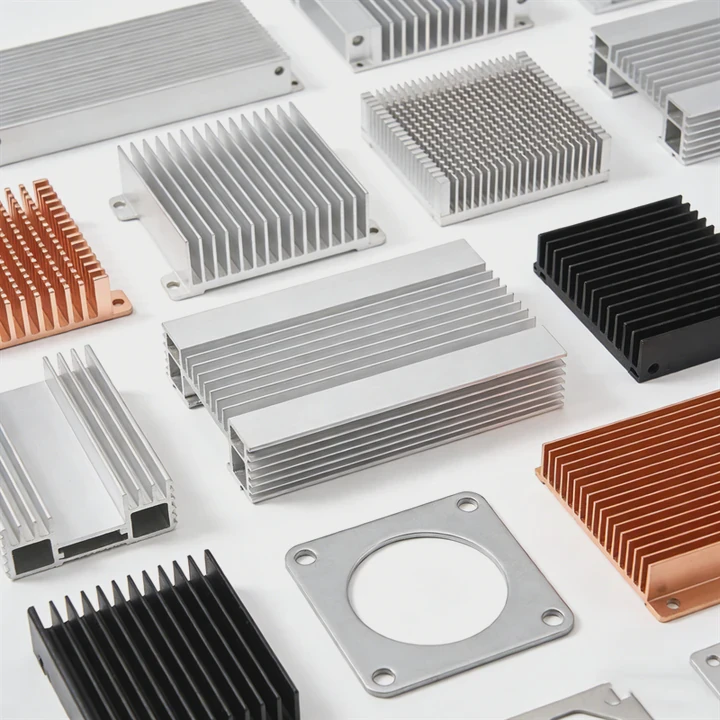
Energy efficiency is not only about reducing power consumption. It is also about maintaining stable operation.
Systems That Benefit From Heat Sink Integration
| System | Heat Generation Source | Heat Sink Advantage |
|---|---|---|
| Solar inverter | Power electronics | Maintains conversion efficiency |
| Battery storage | Control modules | Improves safety |
| LED lighting | Driver circuits | Extends lifespan |
| Smart controls | Electronic processors | Improves reliability |
| Building automation | Communication modules | Prevents failures |
Solar Energy Systems
Solar panels produce electricity through photovoltaic cells, but the supporting electronics also create heat.
Inverters convert electrical energy and often operate under demanding outdoor conditions.
Heat sinks help maintain stable inverter temperatures, improving efficiency and reliability.
Battery Energy Storage
Energy storage systems are becoming common in modern buildings.
Battery systems require careful temperature control because excessive heat can reduce performance and shorten service life.
Heat sinks are often used with battery management systems, power converters, and control electronics.
LED Lighting Systems
LED lighting is widely used because it saves energy. However, LED performance depends strongly on temperature.
Higher temperatures reduce LED lifespan and brightness stability.
Heat sinks help transfer heat away from LED modules, allowing them to operate efficiently for longer periods.
Smart Building Automation
Smart buildings use sensors, controllers, and communication systems everywhere.
These devices usually consume little energy, but they require reliable operation.
Compact heat sinks help protect electronics in small spaces where airflow is limited.
Future Building Thermal Management
Buildings are becoming more connected and intelligent. More sensors, processors, and power electronics will appear in future designs.
This trend will increase demand for efficient thermal solutions.
Heat sinks will continue supporting energy-efficient buildings by improving reliability, reducing maintenance needs, and helping advanced technologies operate safely.
Conclusion
Heat sinks benefit many building systems, especially data centers, smart HVAC controls, passive designs, and energy-efficient technologies. They provide targeted cooling, improve reliability, and support the development of smarter and more sustainable buildings.