Which Electronics Are Compatible With Heat Sinks?
- Yongxing
- 06 Aug ,2026
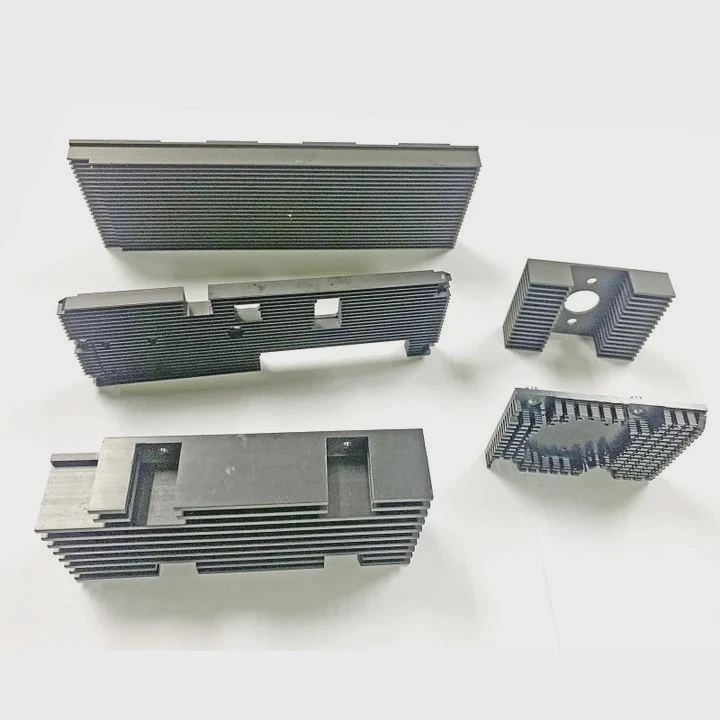
Modern electronics keep becoming smaller and more powerful. However, higher performance also creates more heat, and poor thermal control can reduce product life and reliability.
Heat sinks are compatible with many electronics, including laptops, gaming PCs, industrial controllers, and IoT devices. They help remove heat from high-temperature components and improve system stability.
When I look at electronic products that need better thermal performance, I see one common challenge: every device has different heat levels, space limits, and operating conditions. A small portable device needs a different heat sink from a large industrial machine. The right thermal solution depends on power consumption, airflow, installation space, and reliability requirements.
Do Laptops Require Low-Profile Heat Sinks?
Laptop designs focus on portability. Every millimeter of internal space matters, so traditional large heat sinks are usually not suitable for notebook computers.
Yes. Most laptops require low-profile heat sinks because they provide effective cooling while fitting into thin and compact internal structures. They are commonly used with CPUs, GPUs, and other high-power chips.
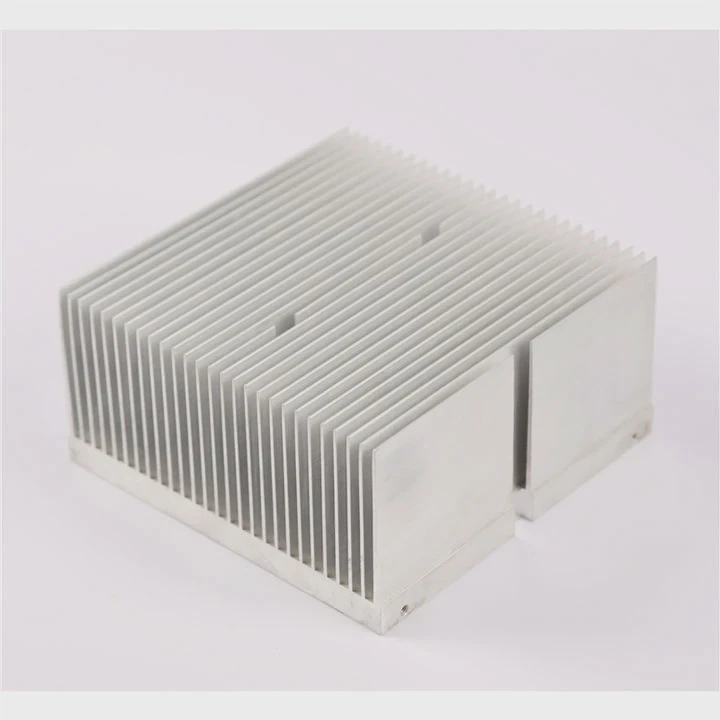
Laptop manufacturers face a difficult balance. They need powerful processors, thin designs, quiet operation, and long battery life at the same time.
A standard desktop heat sink cannot fit inside a laptop because the available height is very limited. Instead, laptop cooling systems often use customized aluminum heat sinks, copper heat pipes, vapor chambers, and thin cooling modules.
Why Low-Profile Designs Are Important
A low-profile heat sink has a smaller height but still provides enough surface area to transfer heat away from electronic components.
Laptop thermal systems often include:
| Laptop Component | Thermal Requirement | Common Cooling Solution |
|---|---|---|
| CPU | High heat density | Copper heat pipe and fin heat sink |
| GPU | High performance cooling | Vapor chamber and aluminum fins |
| Power components | Stable temperature control | Compact aluminum heat sink |
| SSD controller | Moderate cooling | Small passive heat sink |
The CPU and GPU create the largest amount of heat in many laptops. When users run demanding applications, such as video editing software or 3D games, these components may quickly increase in temperature.
A well-designed heat sink helps maintain stable performance. Without enough cooling capacity, the processor may reduce its speed to protect itself. This process is called thermal throttling.
Material Selection Matters
Copper and aluminum are common materials for laptop cooling solutions.
Copper provides excellent thermal conductivity. It quickly moves heat away from hot components.
Aluminum offers lower weight and good manufacturing flexibility. It is often used for fin structures because it provides a good balance between performance and cost.
Many laptop systems combine both materials. A copper heat pipe transfers heat, while an aluminum fin structure releases heat into the airflow.
Custom Design Improves Laptop Cooling
Laptop brands often need special heat sink designs because each model has unique internal layouts.
A custom heat sink may consider:
- Motherboard position
- Fan location
- Battery size
- Processor power level
- Weight limitations
A simple replacement with a larger heat sink is usually impossible because laptop space is fixed. Engineers must optimize every part of the thermal structure.
Are Gaming PCs Dependent on High-Capacity Designs?
Gaming computers produce much more heat than basic office computers. High-performance processors and graphics cards require stronger cooling systems to maintain speed during long gaming sessions.
Yes. Gaming PCs often depend on high-capacity heat sinks because powerful CPUs and GPUs generate large amounts of heat that require advanced thermal management.
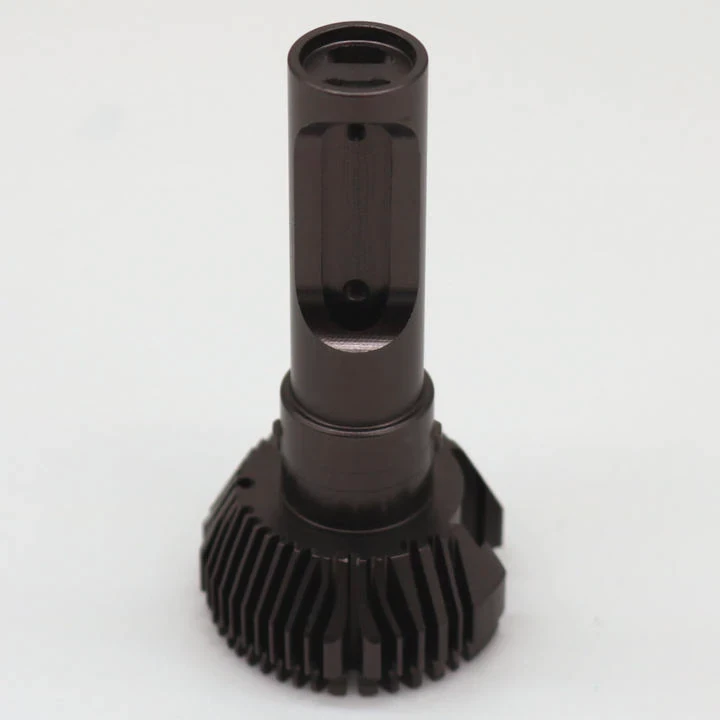
Gaming users expect smooth performance even when systems operate under heavy loads for many hours. This requirement creates higher demands for heat dissipation.
A gaming PC usually has more internal space than a laptop. This allows engineers to install larger heat sinks with bigger fin areas.
High Power Means Higher Cooling Demand
Modern gaming hardware can consume hundreds of watts of power. Most of this electrical energy eventually becomes heat.
The heat sink must quickly move this heat away from semiconductor components.
A typical gaming cooling structure may include:
- Large aluminum fin arrays
- Copper base plates
- Multiple heat pipes
- Liquid cooling plates
- High-speed fans
Air Cooling and Liquid Cooling Comparison
| Cooling Type | Main Advantage | Common Application |
|---|---|---|
| Large air heat sink | Reliable and easy maintenance | Gaming CPUs |
| Liquid cooling plate | High heat transfer ability | High-end gaming systems |
| Vapor chamber module | Fast heat spreading | Premium graphics cards |
Air cooling remains popular because it is simple and reliable. A large heat sink with multiple heat pipes can provide strong performance without pumps or liquid systems.
Liquid cooling provides higher thermal capacity for extreme systems. It is often used when users want lower temperatures, quieter operation, or overclocking capability.
Heat Sink Design Affects Gaming Experience
A gaming computer does not only need maximum cooling power. It also needs balanced thermal performance.
A poorly designed heat sink may create:
- High fan noise
- Unstable performance
- Shorter component life
- Higher energy consumption
A good design keeps temperatures stable while maintaining acceptable noise levels.
Why Custom Heat Sinks Are Common in Gaming Hardware
Graphics card manufacturers often create unique cooling modules because different GPUs have different layouts.
The heat sink must match:
- Chip position
- Memory placement
- Power module location
- Airflow direction
- Mechanical size
This is why thermal design is a key part of gaming hardware development.
Can Industrial Controllers Use Heat Sinks?
Industrial equipment often operates continuously in demanding environments. Temperature stability becomes a major factor for system reliability.
Yes. Industrial controllers commonly use heat sinks to control heat from processors, power modules, drivers, and other electronic components used in automation systems.
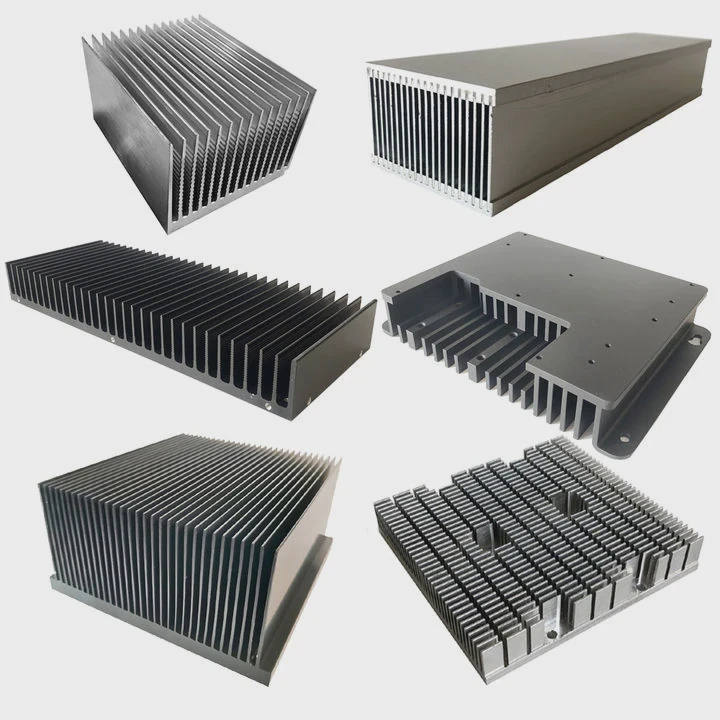
Industrial controllers are different from consumer electronics. They usually need longer service life, stronger reliability, and stable operation under difficult conditions.
Factories may have high temperatures, dust, vibration, and continuous operation. Thermal solutions must work reliably for years.
Common Industrial Applications
Industrial heat sinks are widely used in:
- PLC systems
- Motor controllers
- Power converters
- Automation equipment
- Robotics systems
- Energy management systems
These applications often contain power electronics that generate significant heat.
Thermal Requirements in Industrial Systems
Industrial customers usually focus on:
- Long operating life
- Stable thermal resistance
- Mechanical strength
- Environmental protection
- Easy maintenance
A heat sink for industrial equipment may require special designs.
For example, a controller installed inside a factory cabinet may have limited airflow. In this case, passive cooling with a large aluminum structure may be preferred.
A system installed outdoors may require additional protection against dust and moisture.
Industrial Heat Sink Design Considerations
| Design Factor | Why It Matters |
|---|---|
| Material choice | Determines heat transfer efficiency |
| Surface treatment | Improves corrosion resistance |
| Mechanical structure | Supports long-term reliability |
| Thermal simulation | Predicts real operating temperature |
Industrial systems often require customized heat sinks instead of standard products. Engineers need to understand the complete working environment before selecting a thermal solution.
The heat sink is not only a cooling part. It becomes part of the complete equipment reliability system.
Which IoT Devices Need Thermal Solutions?
IoT devices are usually small, but small size does not always mean low heat generation. Many smart devices now include powerful processors, wireless communication modules, and AI functions.
Yes. Many IoT devices need thermal solutions when they contain high-performance processors, communication modules, cameras, or edge computing systems that generate continuous heat.
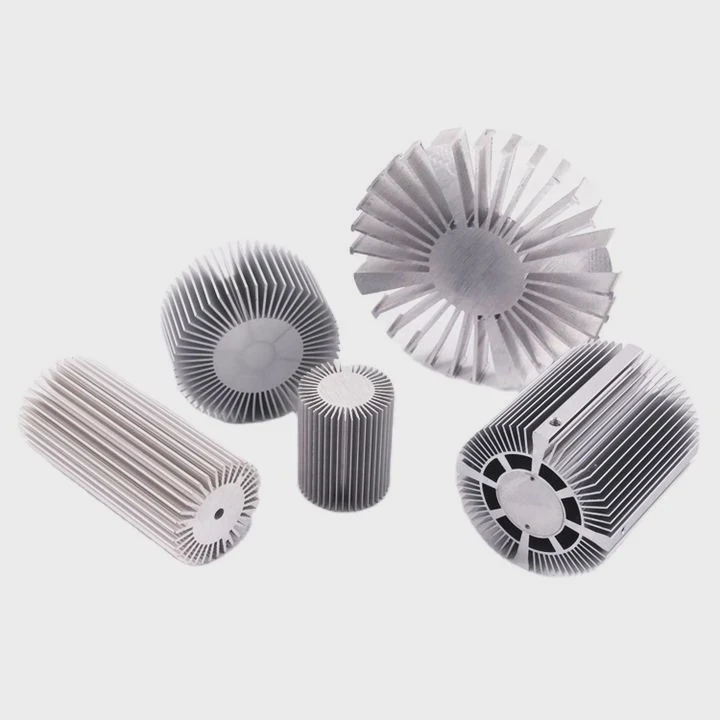
Traditional IoT products, such as simple sensors, may produce very little heat. However, modern IoT devices are becoming more advanced.
Many systems now process data locally instead of sending everything to the cloud. This trend increases the need for efficient thermal management.
IoT Devices That May Need Heat Sinks
Examples include:
- Smart cameras
- Edge AI devices
- Industrial IoT gateways
- Smart displays
- Network equipment
- Autonomous monitoring systems
These devices often operate 24 hours a day. Even moderate heat generation can become a problem over long periods.
Small Size Creates Thermal Challenges
IoT designers usually want compact products with low power consumption. However, smaller enclosures reduce airflow and heat release space.
Engineers may use:
- Small aluminum heat sinks
- Copper thermal plates
- Heat spreaders
- Thermal pads
- Miniature liquid cooling solutions
The correct solution depends on the device function.
Passive Cooling Is Often Preferred
Many IoT products cannot use fans because fans increase noise, power consumption, and maintenance requirements.
Passive heat sinks are often a better choice.
A passive design can provide:
- Silent operation
- Lower energy use
- Longer service life
- Less maintenance
Future IoT Systems Need Better Thermal Design
As IoT devices become smarter, thermal management becomes more important.
AI processing, advanced sensors, and faster communication systems all increase heat generation.
A well-designed heat sink helps IoT products maintain stable operation while keeping the device compact and efficient.
Conclusion
Heat sinks support many types of electronics, from thin laptops to powerful gaming PCs, industrial controllers, and smart IoT devices. Each application requires a different thermal design. Choosing the right heat sink improves performance, reliability, and product life.