Which Heat Sinks Are Best for Heat Exchange Systems?
- Yongxing
- 06 Aug ,2026
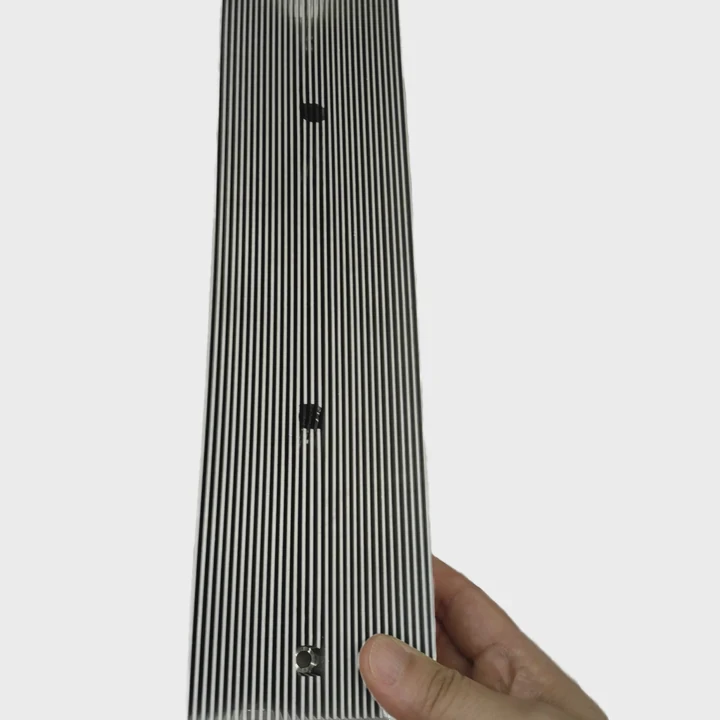
Heat exchange systems depend on efficient thermal transfer. When heat cannot move away quickly, equipment performance drops and operating costs increase.
The best heat sinks for heat exchange systems are designs that provide high surface area, strong thermal conductivity, reliable airflow, and suitable cooling performance for the application.
When I evaluate heat exchange projects, I find that the right heat sink is not always the largest one. A good thermal solution must match the system requirements. Factors such as space, operating temperature, airflow conditions, maintenance needs, and energy consumption all affect the final design choice.
Heat sinks are widely used in industrial equipment, HVAC systems, power electronics, renewable energy systems, and many other thermal applications. Choosing the correct structure helps improve efficiency and extend equipment life.
Do Fin Design and Surface Area Matter?
The fin structure is one of the most important parts of a heat sink. It directly affects how much heat can move from the heat source into the surrounding environment.
Yes. Fin design and surface area strongly affect heat exchange performance because fins increase contact area and improve heat dissipation efficiency.
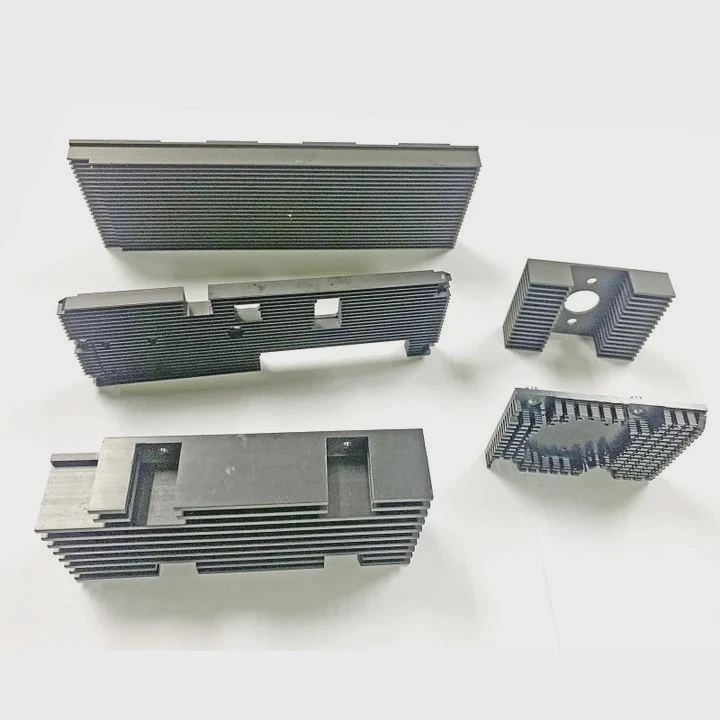
A heat sink without fins has limited ability to release heat because the exposed surface area is small. Fins solve this problem by creating more contact between the heat sink and air or another cooling medium.
The basic idea is simple. More surface area allows more heat to transfer away from the heat source.
However, adding more fins does not always create better performance.
The Balance Between Fin Density and Airflow
Engineers must balance fin quantity and airflow resistance.
If fins are too close together, air cannot move freely between them. This reduces cooling performance.
If fins are too far apart, the available surface area decreases.
A good design finds the best balance.
| Fin Design Factor | Effect on Thermal Performance |
|---|---|
| Fin height | Higher fins provide more surface area |
| Fin thickness | Stronger fins but may reduce airflow space |
| Fin spacing | Controls airflow movement |
| Fin shape | Influences heat transfer efficiency |
Common Heat Sink Fin Structures
Different applications use different fin designs.
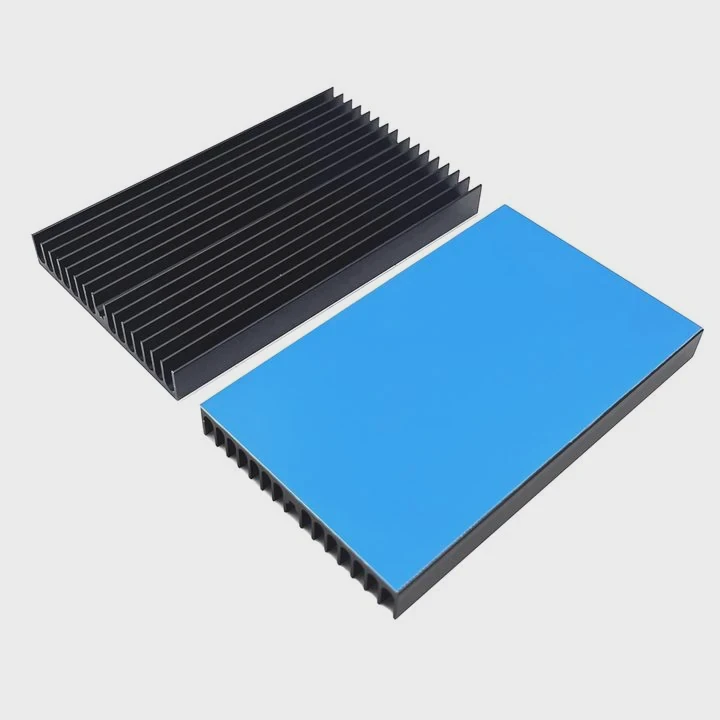
Plate Fin Heat Sinks
Plate fins are simple and reliable.
They are commonly used in:
- Industrial electronics
- Power modules
- Control systems
They work well when airflow direction is predictable.
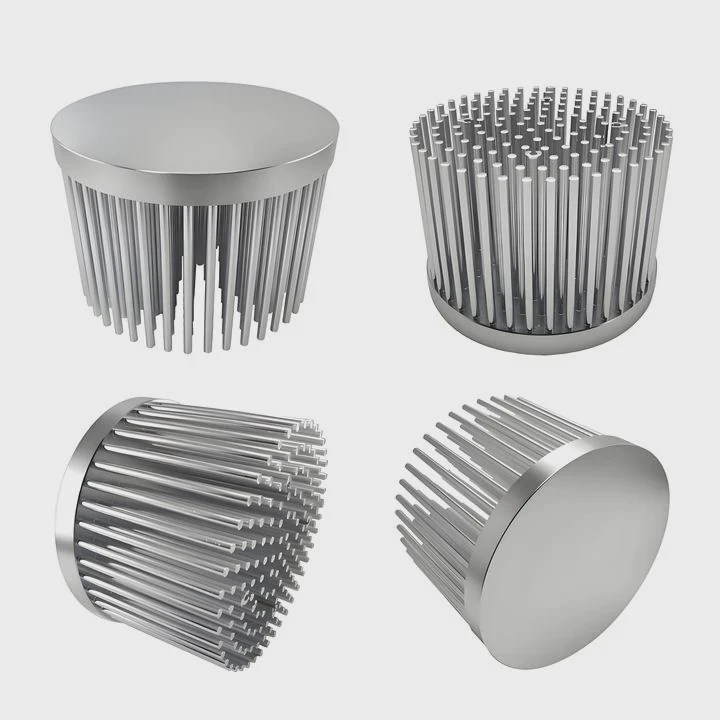
Pin Fin Heat Sinks
Pin fins use many small vertical structures.
They provide good airflow flexibility because air can move around the pins from different directions.
They are often used in:
- Compact electronics
- LED lighting systems
- High-performance devices
Folded Fin Heat Sinks
Folded fins create large surface areas while keeping weight low.
They are useful when designers need:
- Lightweight structures
- High cooling capacity
- Thin profiles
Material Also Influences Heat Exchange
The fin design works together with material selection.
Aluminum is widely used because it offers:
- Low weight
- Good thermal conductivity
- Easy manufacturing
- Cost efficiency
Copper provides higher thermal conductivity but has more weight and higher material cost.
Many advanced systems combine both materials to achieve better performance.
Thermal Simulation Improves Design
Before production, engineers often use thermal simulation to evaluate:
- Temperature distribution
- Airflow behavior
- Heat spreading ability
- Thermal resistance
Simulation helps avoid unnecessary redesign and improves final product reliability.
A well-designed fin structure can significantly improve heat exchange efficiency without increasing system size.
Can Passive Solutions Compete With Active Cooling?
Active cooling systems use additional energy to move heat. Fans, pumps, and liquid cooling systems are common examples. Passive cooling uses natural heat transfer without extra power.
Yes. Passive heat sinks can compete with active cooling in many applications when the heat load is moderate and the design provides enough surface area and thermal efficiency.
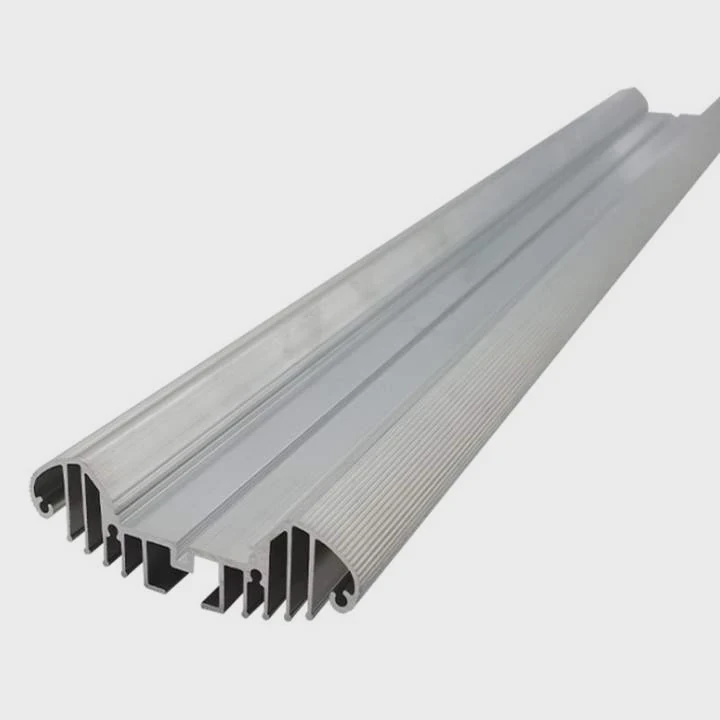
Passive cooling has become more popular because many industries want lower energy consumption and higher reliability.
A passive heat sink has fewer moving parts compared with active systems. This creates several advantages.
Advantages of Passive Heat Sinks
Passive thermal solutions provide:
- No fan noise
- Lower maintenance requirements
- Longer service life
- Lower energy consumption
- Higher system reliability
For equipment that operates continuously, these benefits are important.
Passive and Active Cooling Comparison
| Cooling Method | Advantages | Limitations |
|---|---|---|
| Passive heat sink | Reliable and energy efficient | Limited by natural airflow |
| Fan cooling | Higher heat removal ability | Requires power and maintenance |
| Liquid cooling | Excellent thermal performance | More complex structure |
When Passive Cooling Works Best
Passive solutions are suitable for:
- Industrial controllers
- Communication equipment
- LED systems
- Low-power electronics
- Outdoor monitoring devices
These systems often need continuous operation with minimal maintenance.
When Active Cooling Is Necessary
Some high-power systems generate too much heat for passive solutions.
Examples include:
- High-performance computing
- Large battery systems
- Electric vehicle power modules
- Heavy industrial equipment
In these applications, active cooling may provide better temperature control.
Hybrid Cooling Systems
Some advanced systems combine passive and active methods.
For example:
- A large aluminum heat sink handles normal operation.
- A fan starts only during high-temperature conditions.
This approach improves efficiency because the active system works only when needed.
Choosing Between Passive and Active Designs
Engineers usually consider:
- Heat generation level
- Available space
- Noise requirements
- Maintenance conditions
- Energy goals
A passive heat sink is not always better. An active system is not always necessary. The correct choice depends on the complete thermal environment.
Are Industrial HVAC Systems Compatible?
HVAC systems require efficient heat transfer to control temperature in buildings, factories, and specialized environments.
Yes. Industrial HVAC systems can use heat sinks and heat exchanger structures to improve thermal transfer, especially in systems that manage large heat loads and continuous operation.
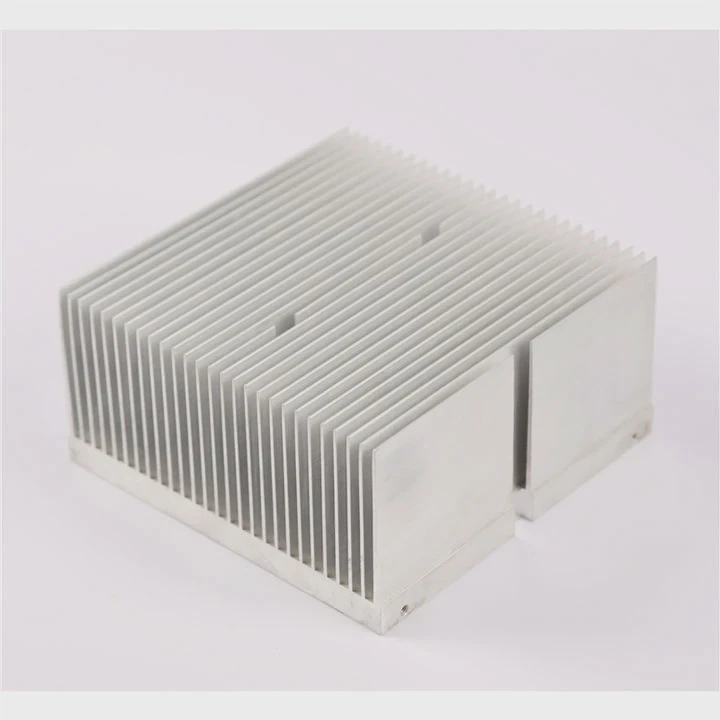
Industrial HVAC equipment often operates under difficult conditions. Factories, warehouses, and production facilities require stable temperature control.
Thermal components must handle:
- Long operating hours
- High temperature differences
- Dust exposure
- Mechanical stress
Heat Sink Applications in HVAC Systems
Heat sinks can support HVAC-related systems such as:
- Electronic control units
- Power conversion modules
- Motor drives
- Smart control systems
- Energy management equipment
Modern HVAC systems include more electronic controls than traditional systems. These electronics create additional thermal management needs.
Thermal Challenges in Industrial HVAC
Industrial environments create several challenges.
High ambient temperatures reduce cooling efficiency.
Dust can block airflow paths.
Continuous operation increases component stress.
A properly designed heat sink helps maintain stable temperatures.
Important Design Factors
| Factor | Importance |
|---|---|
| Corrosion resistance | Protects equipment in harsh environments |
| Large surface area | Improves heat transfer |
| Strong structure | Supports long-term operation |
| Easy maintenance | Reduces downtime |
Aluminum Heat Sinks in HVAC Applications
Aluminum is commonly selected for industrial thermal components because it offers a good combination of:
- Thermal performance
- Lightweight structure
- Corrosion resistance
- Manufacturing flexibility
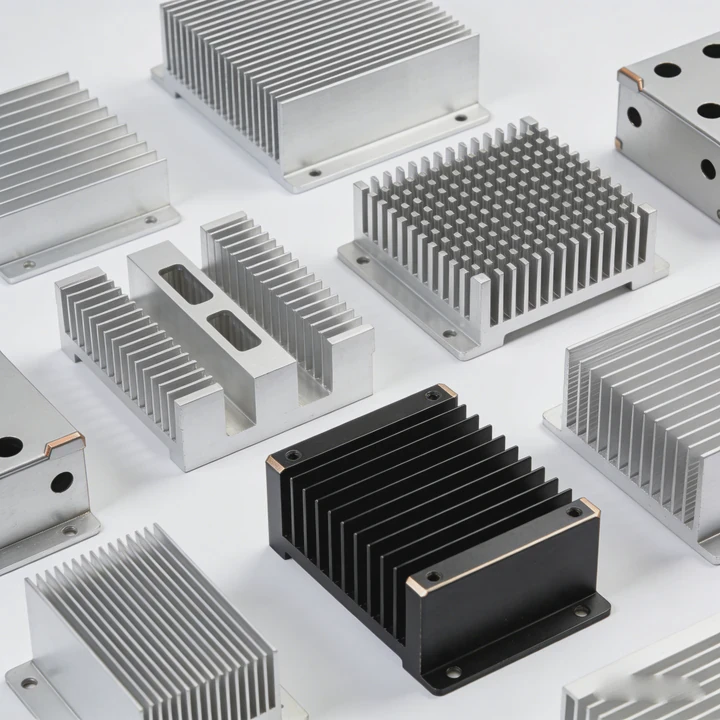
Extruded aluminum heat sinks are especially popular because they can be produced in many shapes and sizes.
Custom Thermal Solutions for HVAC
Industrial HVAC systems often require customized designs.
Standard heat sinks may not fit because each system has different:
- Installation spaces
- Heat loads
- Airflow conditions
- Environmental requirements
A custom heat sink allows engineers to improve efficiency without increasing unnecessary size.
Which Applications Maximize Thermal Efficiency?
Different industries have different thermal challenges. The most efficient heat sink depends on the application and operating conditions.
Applications that maximize heat sink efficiency include power electronics, renewable energy systems, communication equipment, industrial automation, and high-performance computing where thermal control directly affects performance.
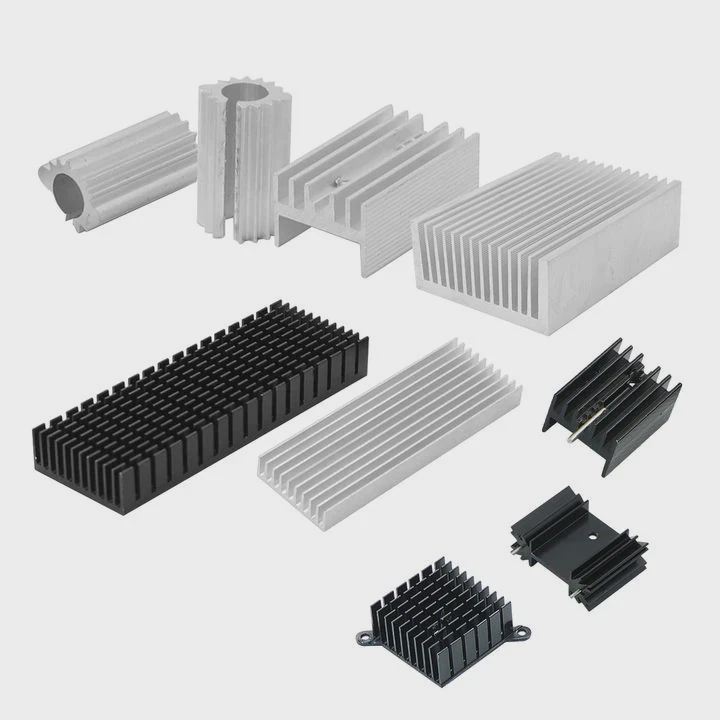
A heat sink reaches maximum efficiency when its design matches the heat source and working environment.
A large heat sink does not automatically create better results. The complete thermal system must work together.
High-Efficiency Heat Sink Applications
| Industry | Heat Source | Common Thermal Solution |
|---|---|---|
| Renewable energy | Power converters | Large aluminum heat sinks |
| 5G communication | RF modules | Compact high-density cooling |
| Industrial automation | Control systems | Passive fin structures |
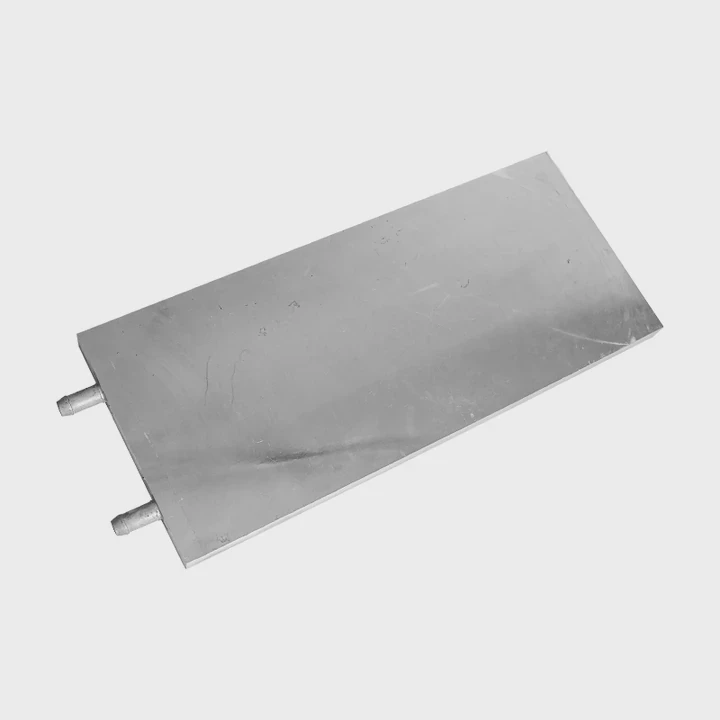
| Electric vehicles | Power modules | Liquid cooling plates |
| Semiconductor equipment | Precision electronics | Advanced thermal modules |
Power Electronics
Power electronics create high heat density.
Examples include:
- Inverters
- Motor controllers
- Energy storage systems
These systems require heat sinks with excellent thermal performance and long-term reliability.
Communication Equipment
5G systems require compact thermal solutions because communication modules operate continuously.
Engineers often use:
- Aluminum extrusion heat sinks
- Vapor chambers
- Compact thermal plates
Semiconductor Equipment
Semiconductor manufacturing requires precise temperature control.
Thermal solutions must provide:
- Stable temperature management
- Low thermal resistance
- High reliability
Small temperature changes can affect equipment accuracy.
Renewable Energy Systems
Solar inverters and energy storage systems operate for many years.
Reliable heat sinks help reduce:
- Component aging
- Unexpected failures
- Maintenance costs
The Future of Heat Exchange Systems
Future systems will require better thermal performance with smaller sizes.
New technologies such as:
- Liquid cooling plates
- Phase change materials
- Vapor chamber heat sinks
- Advanced aluminum structures
will continue improving heat exchange efficiency.
The best thermal solution will combine high performance, low energy consumption, and long service life.
Conclusion
The best heat sinks for heat exchange systems depend on application needs. Fin design, surface area, cooling method, and operating environment all influence performance. A properly designed heat sink improves efficiency, reliability, and long-term system stability.