Which Heat Sinks Work in High-Temperature Environments?
- Yongxing
- 07 Aug ,2026
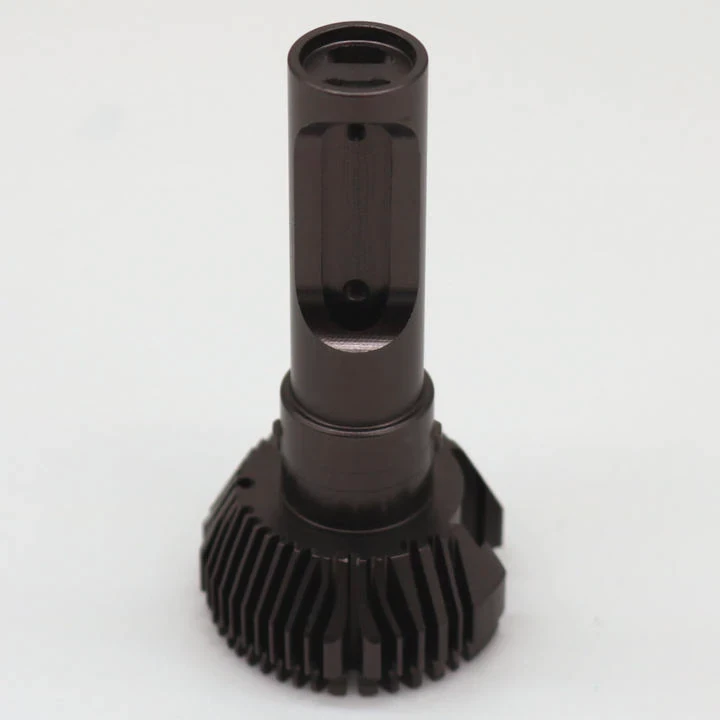
High-temperature environments create serious challenges for thermal management. Normal heat sinks may lose efficiency when equipment works under extreme heat conditions.
Heat sinks made from high-conductivity materials, protected with suitable coatings, and designed with optimized structures can perform well in high-temperature environments. Copper alloys, advanced fin designs, and hybrid materials are common solutions.
Industrial equipment, power electronics, aerospace systems, semiconductor machines, and energy systems often generate large amounts of heat. In these applications, choosing the correct heat sink material and structure is important for maintaining stable performance.
A high-temperature heat sink must do more than transfer heat. It must also maintain mechanical strength, resist corrosion, and provide reliable operation over a long service period.
Do Copper Alloys Perform Better Under Heat?
Copper is one of the most popular materials for high-performance thermal management. Its excellent thermal conductivity makes it suitable for applications where heat removal is difficult.
Yes, copper alloys usually perform better under high heat because copper has higher thermal conductivity than aluminum. Copper heat sinks can transfer heat faster and support high-power applications with demanding thermal requirements.
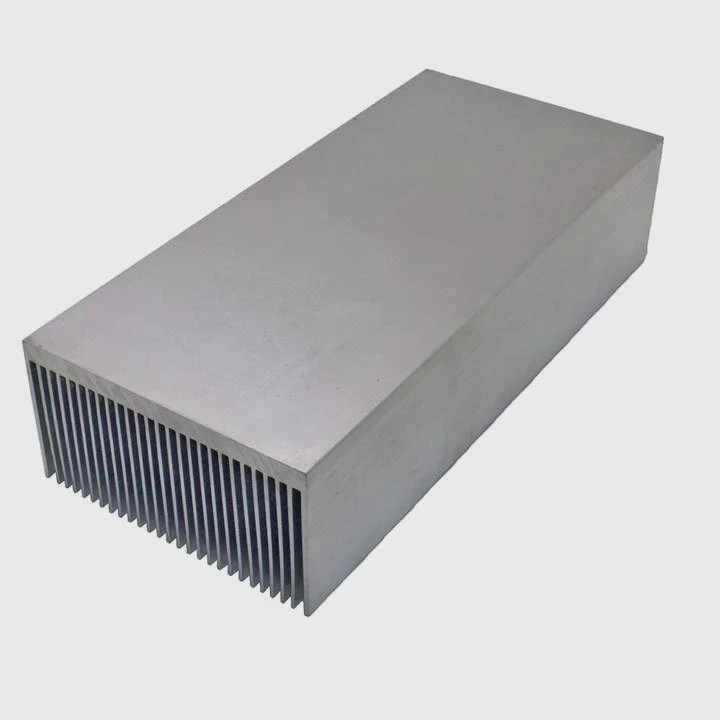
Copper has a thermal conductivity of about 400 W/m·K, which is significantly higher than most aluminum alloys. This advantage allows copper heat sinks to quickly move heat away from hot components.
However, thermal performance is not the only factor engineers consider.
Advantages of Copper Heat Sinks
| Feature | Benefit |
|---|---|
| High thermal conductivity | Faster heat transfer |
| Good heat spreading ability | Reduces hot spots |
| Strong temperature resistance | Suitable for extreme environments |
| Stable material properties | Reliable long-term performance |
Copper heat sinks are often used in applications where heat density is very high.
Examples include:
- Semiconductor equipment
- Laser systems
- Power electronics
- Aerospace devices
- High-performance servers
Copper Alloy Options
Pure copper provides excellent thermal performance, but some applications require improved mechanical properties.
Copper alloys can provide:
- Higher strength
- Better corrosion resistance
- Improved manufacturing performance
Different copper alloys are selected depending on the working environment.
For example, equipment exposed to vibration may need stronger materials. Systems operating in corrosive environments may require additional surface protection.
Copper vs Aluminum Heat Sinks
| Material | Main Advantage | Common Application |
|---|---|---|
| Aluminum | Lightweight and cost-effective | Industrial electronics |
| Copper | Superior heat transfer | High-power systems |
| Copper-aluminum hybrid | Balance of weight and performance | Advanced thermal modules |
Although copper performs better thermally, it is heavier and more expensive than aluminum.
For large industrial machines, the extra weight of copper may create design challenges.
Therefore, engineers usually select copper when thermal performance is the priority and choose aluminum when weight and cost are more important.
Manufacturing Considerations
Copper is more difficult to process than aluminum.
Manufacturers need advanced production capabilities for:
- CNC machining
- Brazing
- Precision forming
- Surface treatment
A professional heat sink supplier evaluates both thermal requirements and manufacturing conditions before recommending copper solutions.
Copper is not always the best choice. The correct material depends on heat load, space limitations, budget, and operating environment.
Are Coated Heat Sinks More Resistant?
Surface protection becomes important when heat sinks operate in harsh environments. High temperatures, moisture, and chemicals can damage untreated metal surfaces.
Yes, coated heat sinks are usually more resistant because protective coatings improve corrosion resistance, surface durability, and long-term reliability in demanding environments.
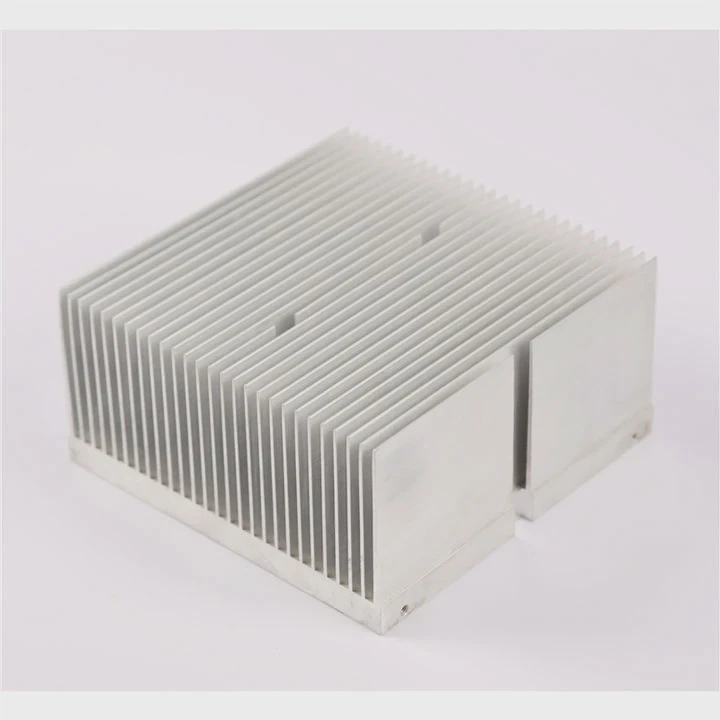
A heat sink surface is constantly exposed to the surrounding environment. In industrial applications, this environment may include:
- Humidity
- Dust
- Chemicals
- Salt exposure
- Temperature changes
Without protection, metal surfaces may oxidize or corrode over time.
Common Heat Sink Coatings
| Coating Type | Main Function |
|---|---|
| Anodizing | Improves aluminum protection |
| Black anodizing | Enhances radiation performance |
| Nickel plating | Protects copper surfaces |
| Protective coatings | Improves environmental resistance |
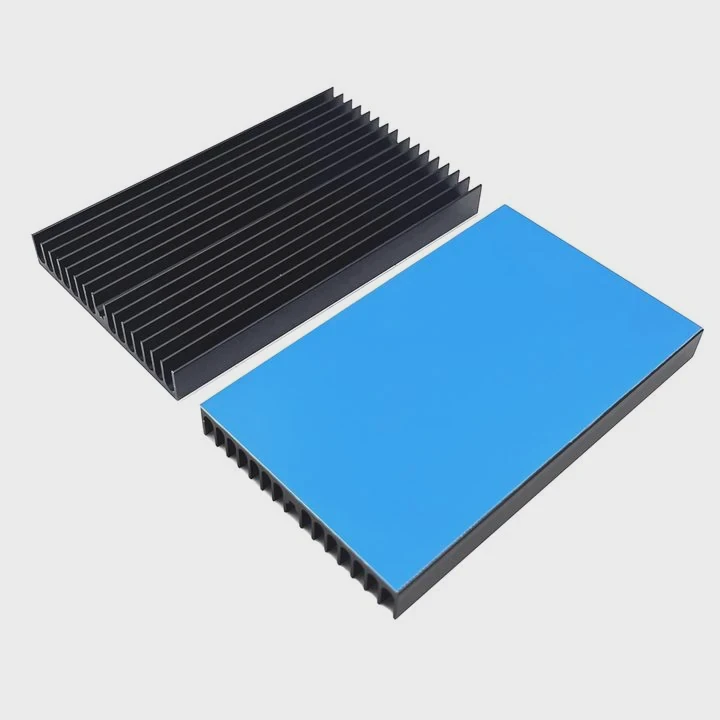
Black Anodized Heat Sinks
Black anodizing is a common treatment for aluminum heat sinks.
It provides:
- Better corrosion resistance
- Improved surface hardness
- Enhanced radiation capability
Radiation heat transfer depends partly on surface characteristics. A black surface can release heat more effectively through radiation compared with a bright metal surface.
This advantage is especially useful in natural convection applications.
Coating Selection for High Temperatures
Not every coating works well under extreme heat.
Engineers must consider:
- Maximum operating temperature
- Chemical exposure
- Thermal expansion
- Required service life
A coating that performs well at normal temperatures may fail in a much hotter environment.
Coating and Thermal Contact Areas
Heat sink coatings require careful design.
The area between the heat source and heat sink often needs excellent thermal contact.
A thick coating may increase thermal resistance if applied incorrectly.
Manufacturers may use special processes such as:
- Masking contact surfaces
- Controlling coating thickness
- Performing flatness inspections
High-Temperature Reliability
A good coating system helps heat sinks maintain performance over time.
This is especially important in industries such as:
- Automotive electronics
- Railway systems
- Renewable energy
- Industrial automation
A protected heat sink provides better durability and reduces maintenance requirements.
Surface treatment is not only an appearance improvement. It is part of the complete thermal management strategy.
Which Fin Designs Handle Extreme Loads?
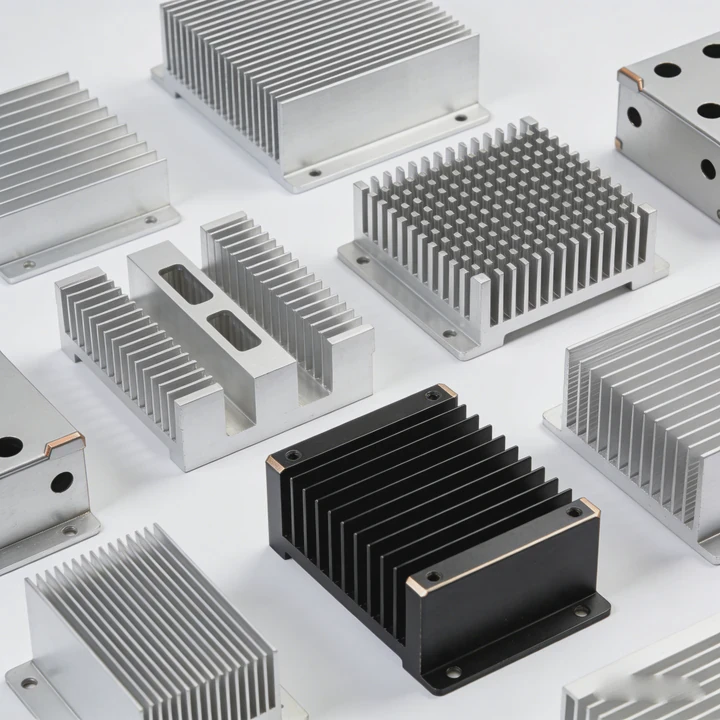
Fin design has a direct impact on heat sink performance. Under extreme thermal loads, the structure must provide enough surface area while maintaining effective airflow.
Fin designs with optimized spacing, strong structures, and efficient airflow paths can handle extreme thermal loads. Deep fins, wide channels, and advanced fin patterns are often used for demanding applications.
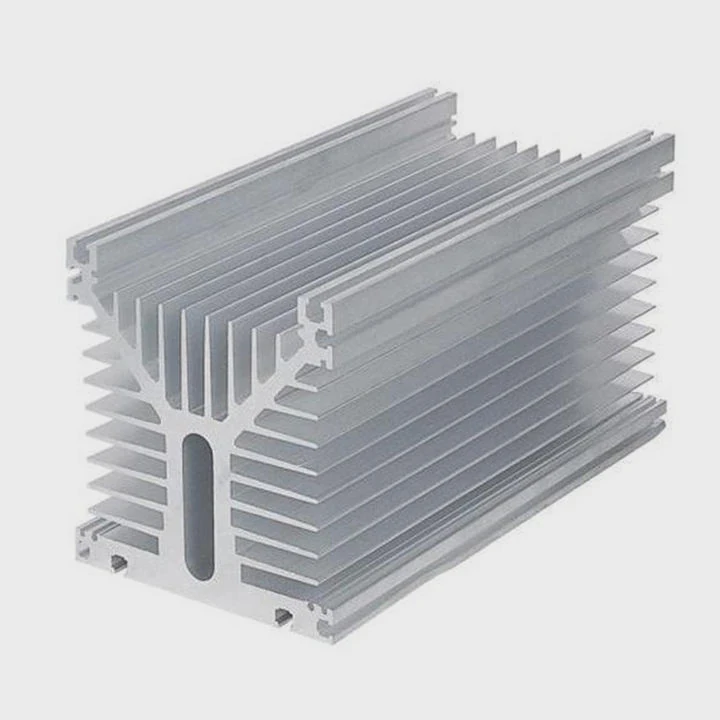
The fin structure determines how effectively heat can move from the base into the surrounding air.
A poor fin design may create airflow problems even when the material has excellent thermal conductivity.
Important Fin Design Factors
| Design Factor | Thermal Effect |
|---|---|
| Fin height | Increases cooling area |
| Fin spacing | Controls airflow resistance |
| Fin thickness | Improves mechanical strength |
| Fin shape | Changes heat transfer efficiency |
Deep Fin Designs
Deep fins increase surface area.
They are useful when:
- Space is limited
- Cooling demand is high
- Airflow is available
However, extremely deep fins can create manufacturing difficulties.
The extrusion process has limits. Very tall and thin fins require precise tooling and production control.
Wide Channel Designs
Wide channels improve airflow movement.
They are often used in natural cooling applications because air can move more easily through the structure.
This design reduces airflow resistance and supports passive cooling.
Advanced Fin Structures
Some high-performance heat sinks use special structures:
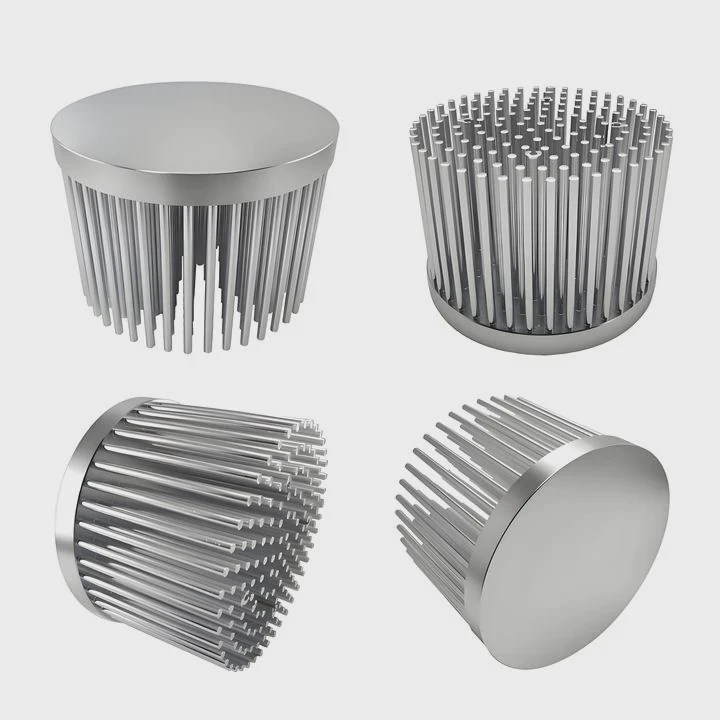
- Pin fins
- Wave fins
- Skived fins
- Folded fins
Each design provides different advantages.
For example:
Pin fins can improve airflow turbulence.
Skived fins allow very thin fins with high surface area.
Folded fins provide lightweight structures with strong cooling performance.
Extreme Load Applications
High-load applications often include:
- Power converters
- Industrial lasers
- Electric vehicle systems
- Semiconductor equipment
These systems require heat sinks that can handle continuous high thermal output.
Engineers usually combine fin optimization with material selection and active cooling methods.
A larger heat sink is not always better. The best design balances:
- Thermal performance
- Airflow conditions
- Weight
- Manufacturing feasibility
A professional thermal design considers the entire system instead of only increasing fin size.
Can Hybrid Materials Improve Heat Tolerance?
Hybrid materials combine different metals or cooling technologies to achieve better thermal performance. They are becoming increasingly important for advanced heat management systems.
Yes, hybrid materials can improve heat tolerance because they combine the advantages of different materials, such as copper conductivity and aluminum lightweight properties.
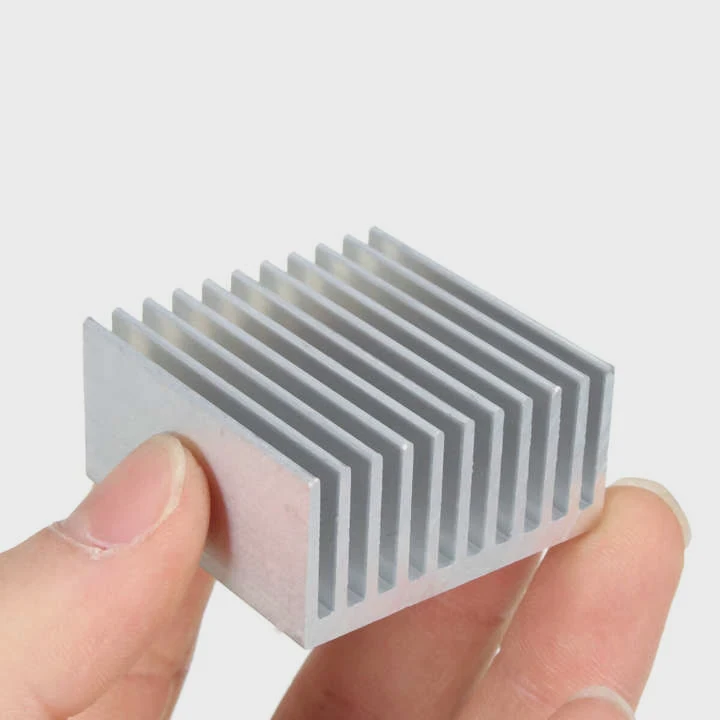
A single material often cannot meet every requirement.
For example:
- Copper provides excellent heat transfer but adds weight.
- Aluminum provides lightweight performance but lower conductivity.
Hybrid solutions help balance these differences.
Common Hybrid Heat Sink Structures
| Hybrid Solution | Main Benefit |
|---|---|
| Copper-aluminum structure | Combines conductivity and low weight |
| Vapor chamber + aluminum frame | Improves heat spreading |
| Heat pipe + aluminum fins | Transfers heat efficiently |
| Liquid cooling + metal structure | Handles extreme loads |
Copper-Aluminum Hybrid Designs
Copper-aluminum heat sinks are widely used in advanced thermal systems.
The copper section quickly absorbs heat from the source.
The aluminum section spreads heat while reducing overall weight.
This structure is useful for:
- Power modules
- Electric vehicles
- Communication equipment
Vapor Chamber and Heat Pipe Integration
Heat pipes and vapor chambers improve heat distribution.
They move heat from high-temperature areas to larger cooling surfaces.
This helps reduce:
- Hot spots
- Temperature differences
- Component stress
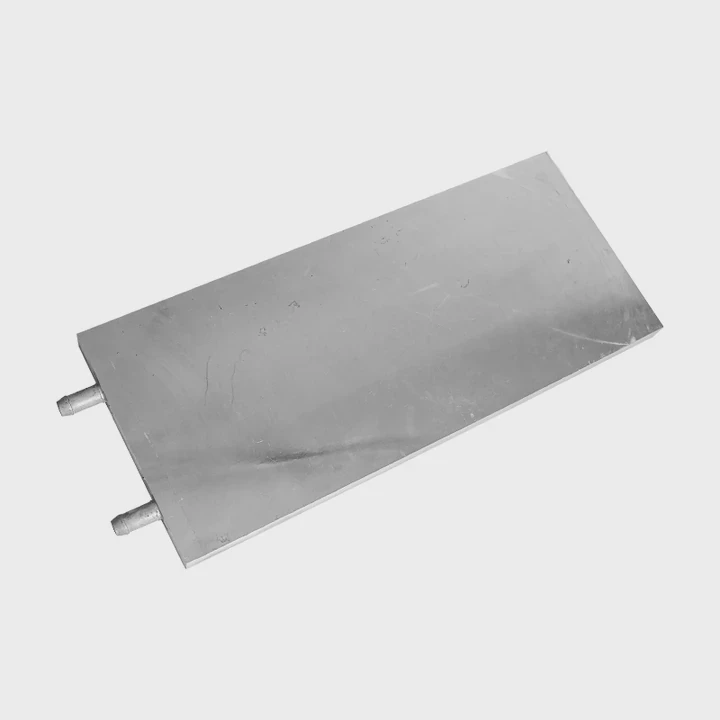
Liquid Cooling Hybrid Solutions
For extremely high heat loads, heat sinks may combine with liquid cooling.
Liquid cooling systems provide:
- Higher heat removal capacity
- Stable temperature control
- Compact design possibilities
These solutions are common in:
- Data centers
- Industrial power systems
- Battery equipment
Selecting the Right Hybrid Solution
Engineers need to consider:
- Heat generation level
- Available space
- Weight limits
- Operating temperature
- Cost requirements
Hybrid materials are powerful tools, but they must be designed correctly.
A professional thermal management solution combines material science, mechanical design, and manufacturing experience.
Conclusion
High-temperature heat sinks require the right combination of materials, coatings, and structures. Copper alloys provide excellent heat transfer, coated surfaces improve durability, optimized fins support heavy loads, and hybrid materials create advanced cooling solutions. Proper thermal design helps industrial equipment maintain stable and reliable operation.