How to cut 1/8 inch aluminum sheet?
- Yongxing
- 28 Mar ,2026
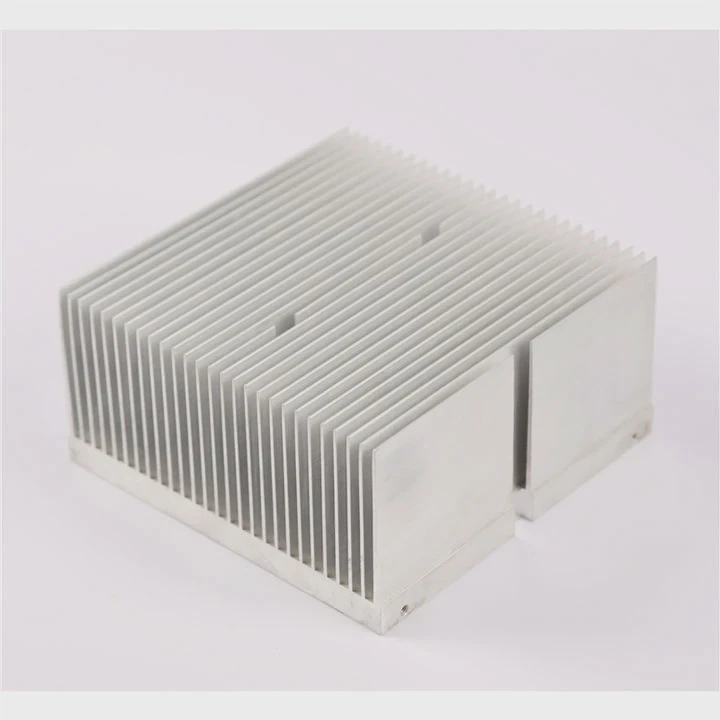
Cutting 1⁄8 inch aluminum can feel tricky. Many people worry about rough edges, tool damage, or wasted material. The wrong method causes frustration fast.
The best way to cut 1⁄8 inch aluminum sheet is to use tools like a circular saw with carbide blade, jigsaw, or shear, depending on precision and volume. Proper setup and technique ensure clean cuts and minimal burrs.
This topic often comes up when working with heat sinks, enclosures, or custom parts. A clear method saves time, cost, and material.
What tools cut 1⁄8 inch aluminum best?
Cutting aluminum with the wrong tool leads to jagged edges, overheating, and wasted sheets. Many people try wood tools without proper blades and get poor results.
The best tools for cutting 1⁄8 inch aluminum include circular saws with carbide-tipped blades, jigsaws with metal blades, band saws, and CNC machines for precision work.
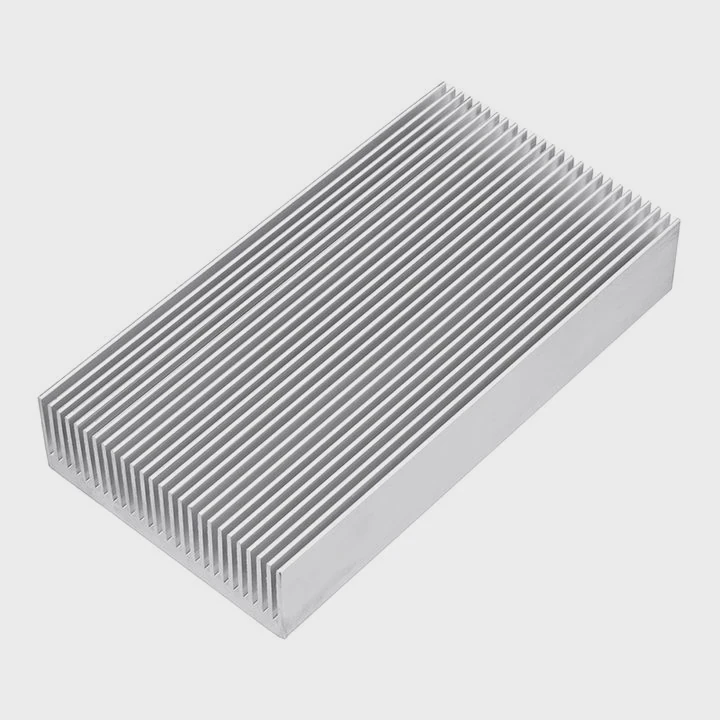
When choosing a tool, the key is matching the tool to the job size, accuracy need, and production volume.
Common tools and their performance
| Tool Type | Best For | Cut Quality | Speed | Cost Level |
|---|---|---|---|---|
| Circular Saw | Straight cuts | High | Fast | Low |
| Jigsaw | Curves and small work | Medium | Medium | Low |
| Band Saw | Precision cuts | High | Medium | Medium |
| Shear Machine | Bulk straight cuts | Very High | Very Fast | High |
| CNC Router/Mill | Complex shapes | Excellent | Slow | High |
Circular saw: the most practical choice
In many workshops, the circular saw is the first choice. It is simple and fast. The key is using a carbide-tipped blade designed for non-ferrous metals. A fine tooth count (60–100 teeth) gives a smoother edge.
I have seen projects fail because the blade was too coarse. The result was vibration and rough edges. So blade choice matters more than the saw itself.
Jigsaw: flexible but slower
A jigsaw works well for curved cuts or small parts. It is easy to control. However, it may leave more burrs compared to a circular saw.
Use a metal-cutting blade with high TPI (teeth per inch). Keep the speed moderate. Too fast creates heat and melts the edge slightly.
Shearing: best for production
In mass production, shearing is very efficient. It produces clean, straight edges with almost no burrs. It is widely used in sheet metal factories.
But it has limits. It cannot cut curves. Also, the machine cost is high.
CNC machining: precision solution
For complex heat sink structures or tight tolerances, CNC cutting is the best choice. It ensures repeatability and high precision.
However, it is not ideal for quick or low-cost jobs.
Key takeaway
Each tool has a role. For most users, a circular saw with the right blade gives the best balance of speed, cost, and quality.
Can you cut aluminum sheet by hand?
Many people think aluminum is soft and easy to cut manually. But 1⁄8 inch thickness is not as simple as it looks.
Yes, you can cut 1⁄8 inch aluminum by hand using tools like hacksaws or hand shears, but it requires effort, proper technique, and is best for small or simple cuts.
Manual cutting is useful when power tools are not available. It also works for quick adjustments.
Hand tools you can use
| Tool | Suitable Use | Difficulty | Precision |
|---|---|---|---|
| Hacksaw | Straight cuts | Medium | Medium |
| Tin snips | Thin sheets only | Hard | Low |
| Hand shear | Small straight cuts | Medium | Medium |
| File + scoring | Very thin sheets | High | Low |
Hacksaw: the most reliable hand tool
A hacksaw is the most common manual option. Use a blade with 18–24 TPI for aluminum. Clamp the sheet firmly before cutting.
I once worked on a prototype where no power tools were allowed. The hacksaw saved the day, but it took time and patience.
Why tin snips are not ideal
Tin snips are often used for very thin aluminum. But for 1⁄8 inch thickness, they struggle. The cut becomes uneven. The material may bend.
So it is better to avoid them for this thickness.
Effort vs efficiency
Manual cutting requires more time and physical effort. It is not suitable for large projects. It also increases the chance of uneven cuts.
When hand cutting makes sense
- Small repairs
- One-time projects
- No access to power tools
- Low precision requirements
Key takeaway
Hand cutting is possible but not efficient. For better results, power tools are strongly recommended.
How to avoid burrs when cutting aluminum?
Burrs are one of the most common problems when cutting aluminum. They affect both appearance and function.
To avoid burrs when cutting aluminum, use sharp blades, proper cutting speed, lubrication, and finish with deburring tools like files or sandpaper.
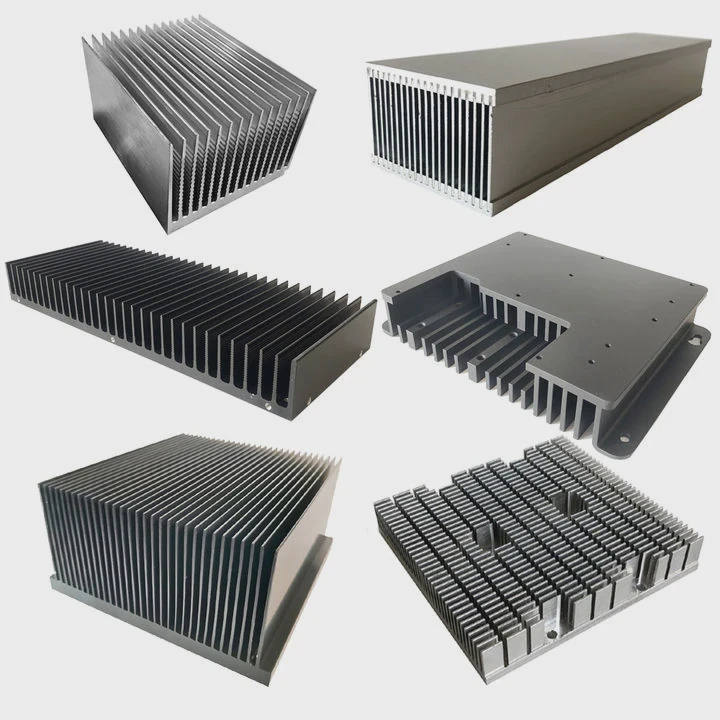
Clean edges are critical, especially in thermal management products. Burrs can affect assembly and heat transfer.
Why burrs happen
Burrs form due to:
- Dull blades
- Excessive heat
- Incorrect cutting speed
- Poor material support
Practical ways to reduce burrs
1. Use the right blade
A fine-tooth carbide blade reduces tearing. It cuts cleanly instead of ripping the metal.
2. Control cutting speed
Too fast creates heat. Too slow causes rough edges. A steady speed works best.
3. Apply lubrication
Use cutting oil or wax. It reduces friction and heat.
4. Secure the material
Clamp the sheet firmly. Movement during cutting creates jagged edges.
Deburring methods
Even with good cutting, some burrs may remain. These can be removed easily.
| Method | Best Use | Result Quality |
|---|---|---|
| Hand file | Small burrs | Good |
| Sandpaper | Surface smoothing | Medium |
| Deburring tool | Edge finishing | Excellent |
| CNC finishing | High precision parts | Perfect |
A practical note from experience
In heat sink production, burr control is critical. Even small burrs can affect assembly fit. Many projects include a dedicated deburring step after cutting.
Key takeaway
Burr prevention starts before cutting. Tool choice, speed, and setup matter more than fixing the problem later.
What safety tips for cutting aluminum sheet?
Cutting aluminum may seem safe, but it carries real risks. Sharp edges and flying chips can cause injury.
Key safety tips include wearing protective gear, securing the material, using the correct blade, and keeping hands away from the cutting path.
Safety should always come first, whether in a factory or a small workshop.
Essential safety equipment
- Safety glasses
- Gloves (cut-resistant)
- Hearing protection
- Dust mask (for fine particles)
Safe cutting practices
1. Secure the workpiece
Loose material can shift suddenly. This causes uneven cuts and accidents.
2. Keep hands clear
Always maintain a safe distance from the blade. Use clamps instead of holding the material.
3. Check the tool condition
A damaged or dull blade increases risk. Inspect tools before use.
4. Control metal chips
Aluminum chips are sharp. Clean them regularly. Avoid touching them directly.
Common mistakes to avoid
- Cutting without eye protection
- Using wood blades for metal
- Applying too much force
- Ignoring heat buildup
Workshop vs industrial safety
In industrial settings, safety rules are strict. Machines include guards and emergency stops.
In small workshops, safety depends more on personal habits. So awareness becomes even more important.
Key takeaway
Safety is not optional. Simple steps prevent serious injuries and improve cutting results.
Conclusion
Cutting 1⁄8 inch aluminum sheet is simple with the right tools and method. Focus on blade choice, proper technique, and safety. Clean cuts and good habits lead to better results every time.