How to Prevent Radiator Corrosion: Practical Daily Maintenance Tips
- Yongxing
- 15 Apr ,2026
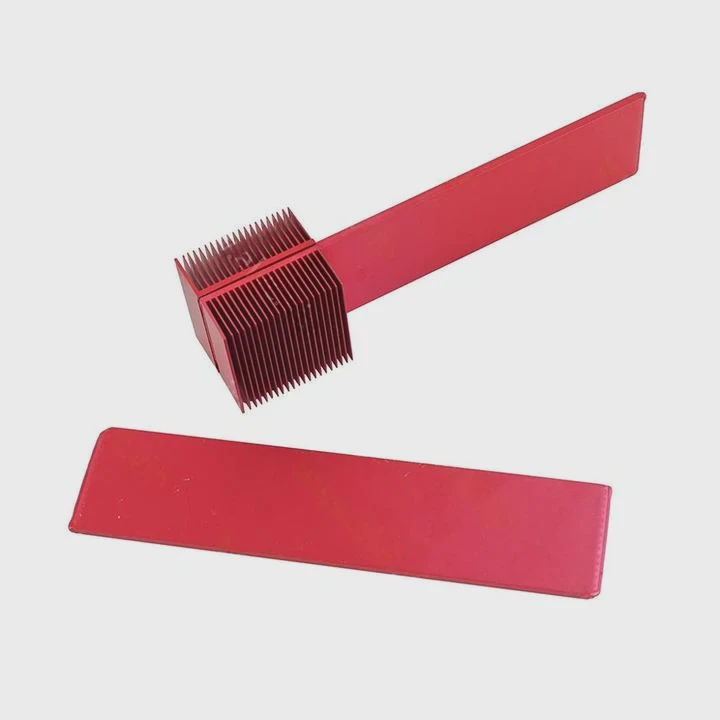
Corrosion is one of the most common issues affecting the lifespan and performance of radiators. Understanding how to properly maintain radiators in daily use can significantly reduce corrosion risks and extend their service life.
Material Matters: Corrosion Resistance Differences
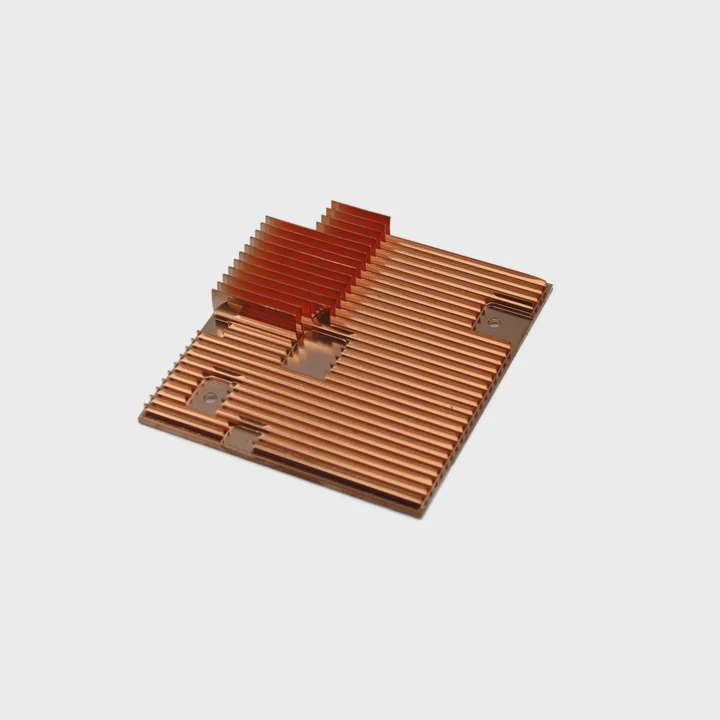
Among the mainstream radiators currently available, steel radiators are the most vulnerable to corrosion if no internal anti-corrosion treatment is applied. Since the inherent properties of the material cannot be changed, manufacturers often enhance durability by incorporating internal anti-corrosion technologies.
Surface Protection and Timely Repairs
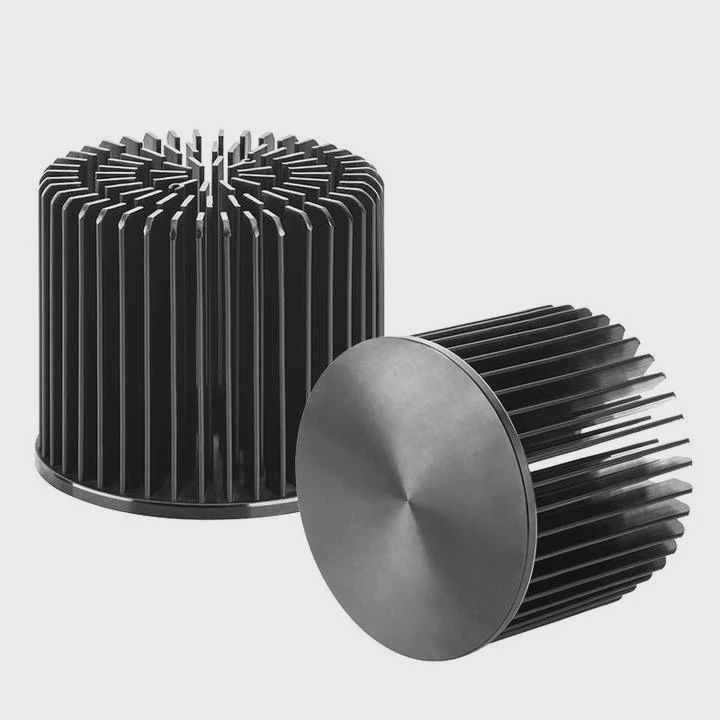
During long-term use, the surface coating (such as powder spraying) of radiators may peel off or become damaged. Once any surface damage is detected, it should be repaired promptly to prevent further corrosion.
Steel radiators are particularly prone to oxidation. When not in use, it is recommended to keep them filled with water to minimize exposure to air and reduce the risk of internal corrosion.
The Impact of Water Quality
 Water quality varies significantly across different regions, and this has a direct impact on the lifespan of radiators. In areas with complex or poor water quality, heating systems may experience reduced corrosion resistance.
To address this issue, many modern heating systems add chemical agents to improve water quality, thereby creating a more stable internal environment and enhancing the radiator’s resistance to corrosion.
Key Takeaways
- Use radiators with internal anti-corrosion treatment when possible
- Repair any surface coating damage immediately
- Keep steel radiators filled with water during idle periods
- Pay attention to local water quality conditions
- Consider systems that include water treatment solutions
By following these practical maintenance steps, you can effectively reduce corrosion and ensure your radiator operates efficiently for years to come.