What is a Heat Spreader? Principles Behind Heat Spreaders
- Yongxing
- 15 Apr ,2026
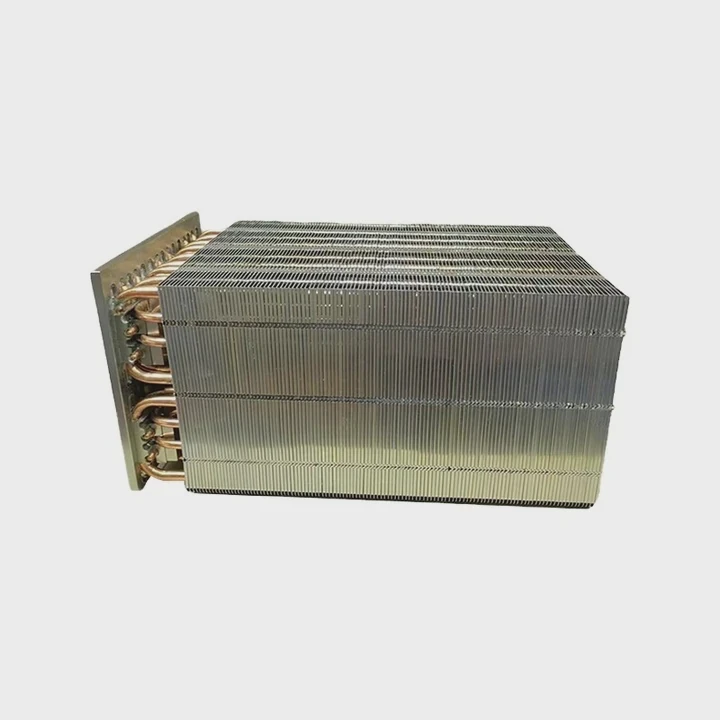
Heat spreaders, also known as vapor chambers or uniform temperature plates, are devices designed to rapidly distribute heat across a surface to achieve a nearly uniform temperature.
Structure and Composition
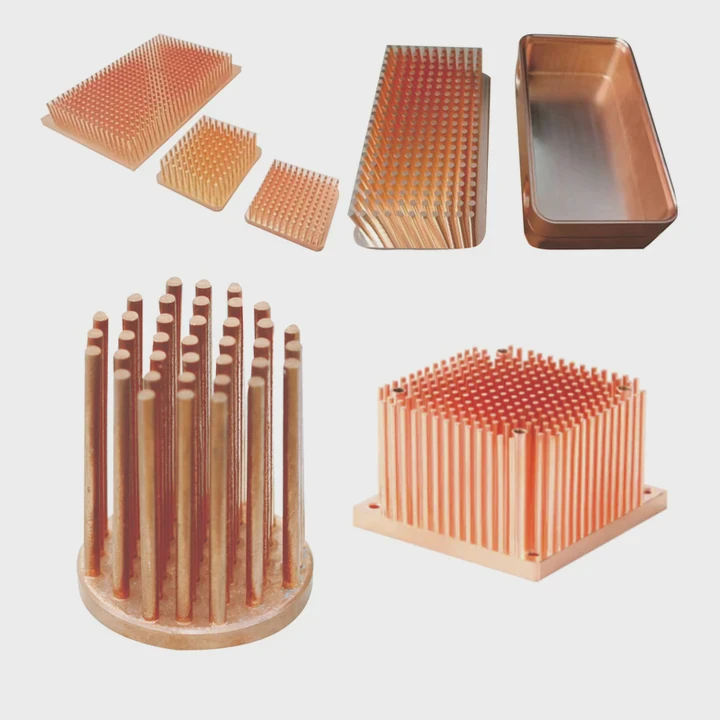
A typical heat spreader appears as a flat plate and contains a sealed internal cavity filled with a working fluid. Depending on its design and application, the interior may include:
- Capillary structures – to facilitate fluid movement
- Open cavities without capillaries – relying on vapor dynamics
The choice of working fluid depends on the operating environment. Common materials used for heat spreaders include:
- Copper
- Aluminum
- Titanium
- Stainless steel
Structurally, heat spreaders can be classified as:
With capillary structures:
- Sintered capillary
- Grooved
- Woven mesh
- Fiber-based
- Sintered capillary
Without capillary structures:
- Gravity-assisted
- Oscillating
- Gravity-assisted
Working Principle
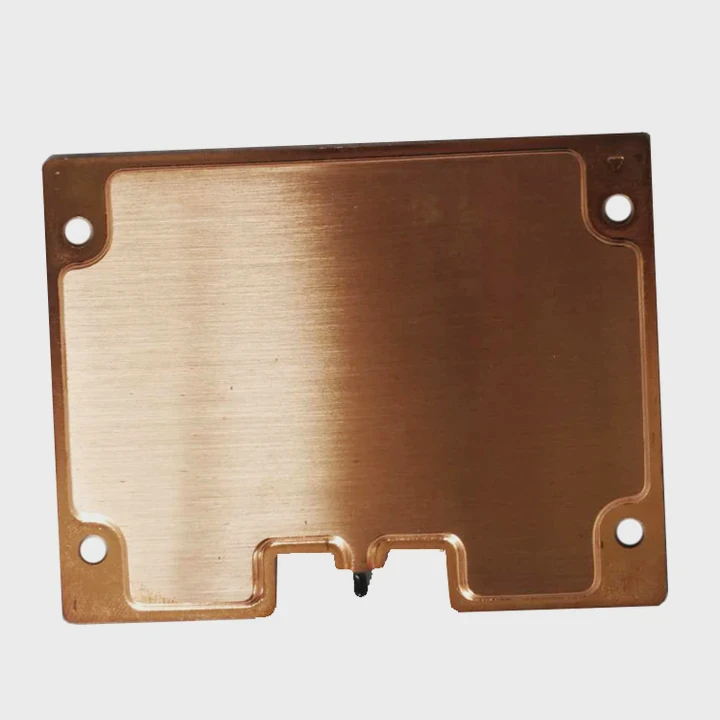
The primary function of a heat spreader is to conduct heat efficiently, minimizing temperature differences within the device. Heat spreaders diffuse heat in two dimensions, offering better uniformity than one-dimensional heat pipes, and can handle higher thermal loads.
Capillary Structure Heat Spreaders
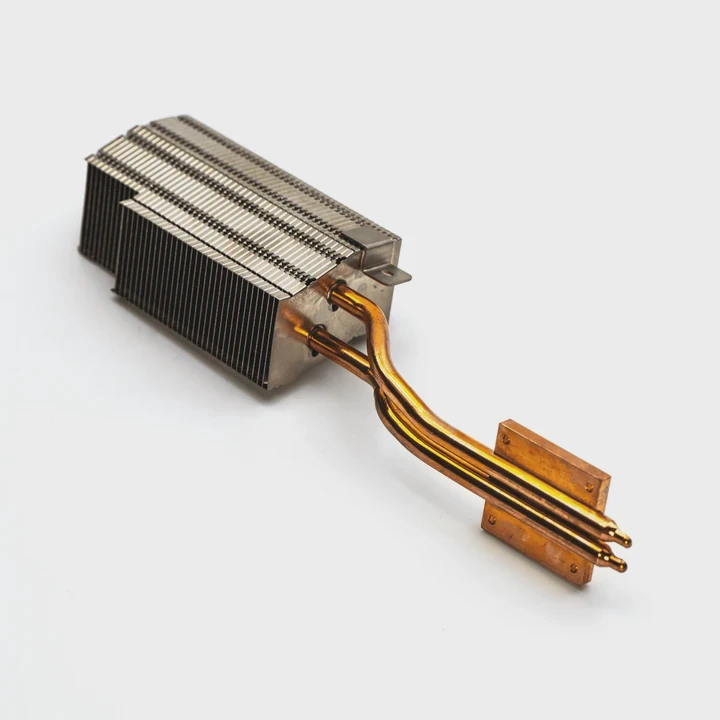
In capillary heat spreaders, the internal capillary structures line the inner surfaces of the cavity. The working fluid is retained in these capillaries. When heat enters the evaporator area:
- The fluid vaporizes under low-pressure conditions, absorbing heat and expanding rapidly.
- The vapor spreads quickly throughout the cavity.
- When the vapor reaches a cooler area, it condenses, releasing the absorbed heat.
- The condensed fluid returns to the evaporator through capillary channels to repeat the cycle.
Non-Capillary Heat Spreaders
Heat spreaders without capillaries rely on a vapor-filled cavity, using gravity or oscillation to circulate the working fluid between hot and cold areas.
Applications
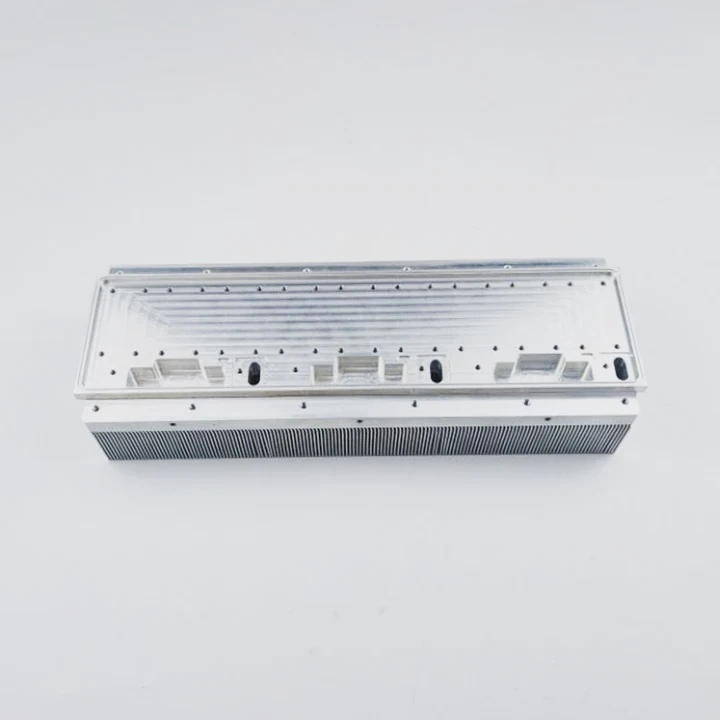
- Electronics cooling: Copper heat spreaders for high thermal conductivity
- Aerospace: Aluminum or titanium for lightweight applications
- High-power IGBT systems: Aluminum heat spreaders or composite aluminum-copper designs for cost efficiency
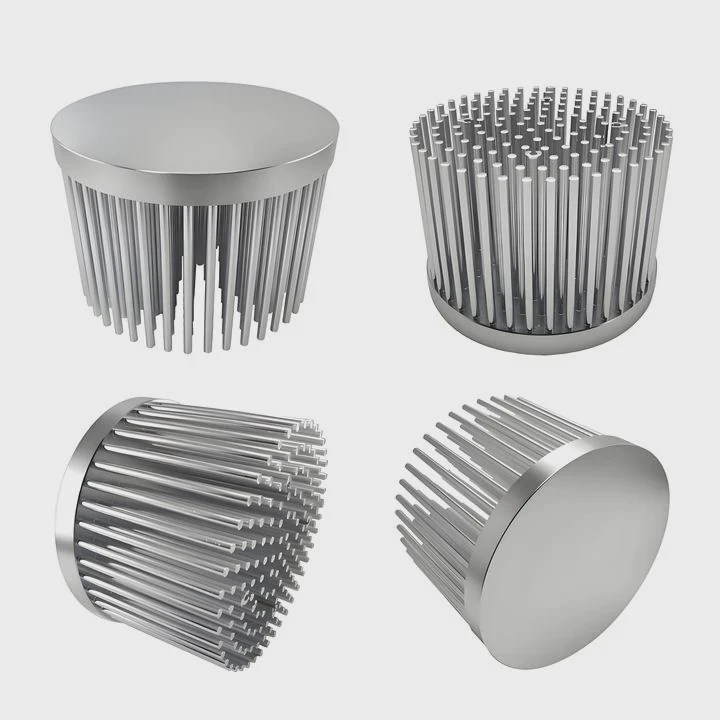
- LED lighting: Aluminum heat spreaders or thermal columns for economical heat management
- Low-temperature applications: Aluminum or stainless steel for balanced thermal and mechanical performance
- High-temperature applications: Copper or stainless steel for superior heat conduction and strength
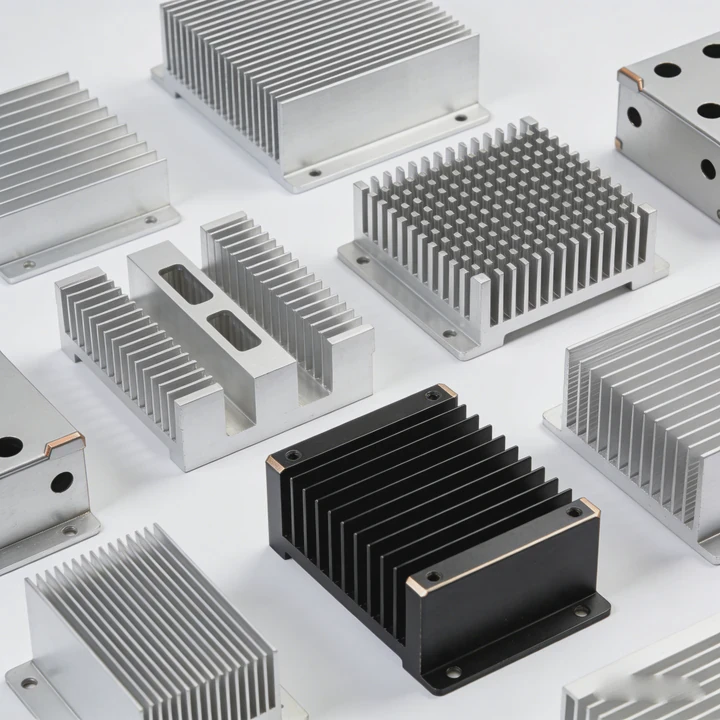
Heat spreaders come in various designs to suit specific thermal management needs. Selecting the right material and structure is crucial for optimal performance in your application.