Is aluminum a metal or nonmetal?
- Yongxing
- 03 Apr ,2026
Many buyers and engineers still mix up basic material types. This confusion can lead to wrong choices in design, cost, and performance.
Aluminum is a metal. It belongs to the group of metallic elements because it conducts heat and electricity, has a shiny surface, and can be shaped without breaking.
This clear answer helps at the start, but deeper understanding brings better decisions. When working with thermal systems or structural parts, knowing why aluminum is a metal helps avoid costly mistakes and improves design outcomes.
Why is aluminum classified as metal?
Some people hear “lightweight” and assume aluminum might not behave like a typical metal. That idea causes confusion in early design stages.
Aluminum is classified as a metal because it shows key metallic traits like electrical conductivity, thermal conductivity, malleability, and metallic bonding.
To understand this classification, it helps to look at how scientists group elements. Metals share a set of common behaviors. Aluminum matches those behaviors very well.
Key reason 1: It conducts electricity
Metals allow electrons to move freely. Aluminum does this very well. That is why it is used in power lines, electronic parts, and many industrial systems. This free movement of electrons is one of the strongest signs that a material is a metal.
Key reason 2: It conducts heat
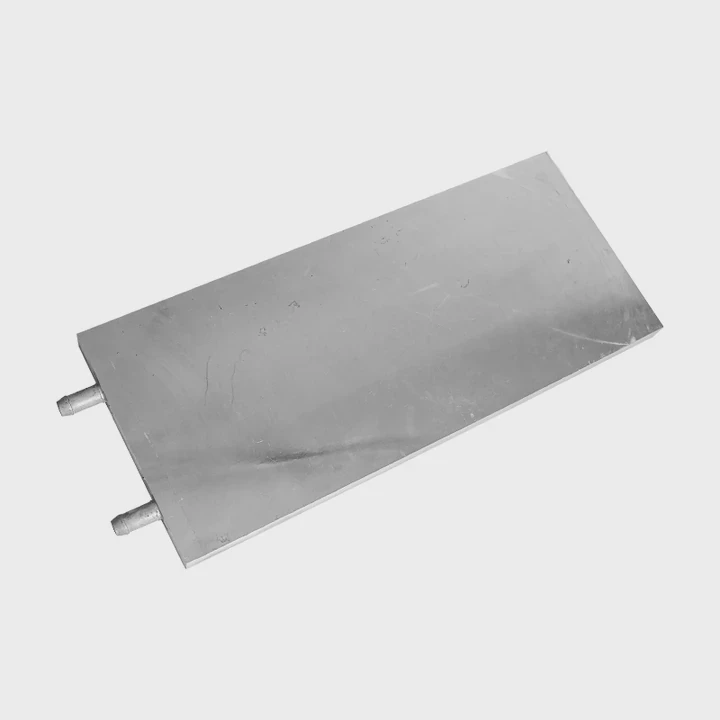
Aluminum transfers heat quickly. This makes it useful in heat sinks, cooling plates, and many thermal modules. In real projects, this property is often one of the main reasons aluminum is selected over other materials.
Key reason 3: It can be shaped easily
Aluminum is malleable and ductile. That means it can be bent, pressed, extruded, or machined into many shapes without cracking. This is a core property of metals and a big advantage in manufacturing.
Key reason 4: It has metallic bonding
At the atomic level, aluminum atoms share a “sea of electrons.” This type of bonding is called metallic bonding. It gives aluminum its strength, conductivity, and flexibility.
Practical meaning in engineering
When working on thermal management systems, these traits are not just theory. They affect real design outcomes:
Heat sinks
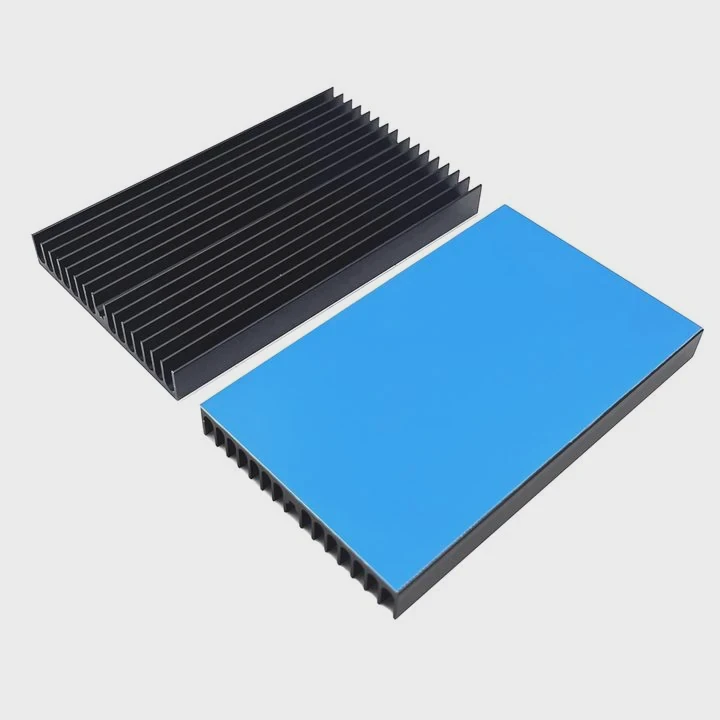
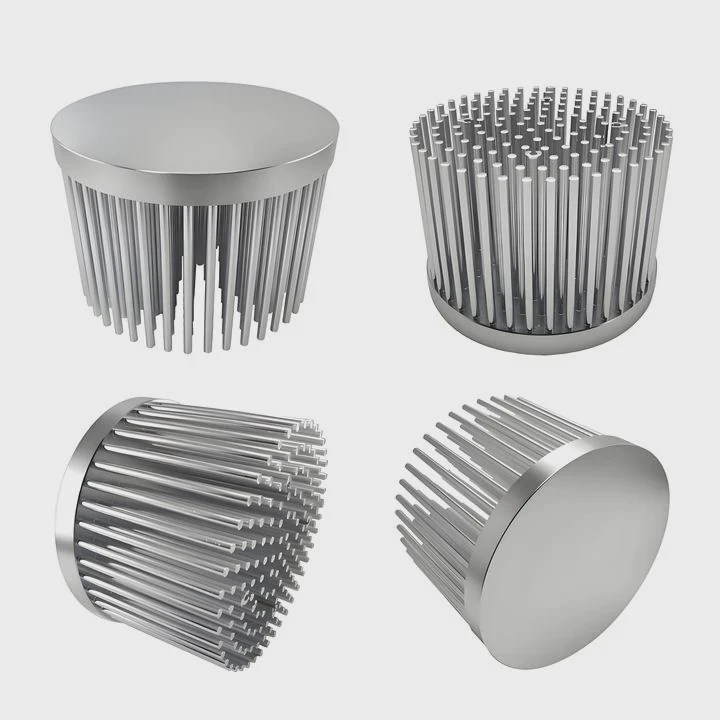
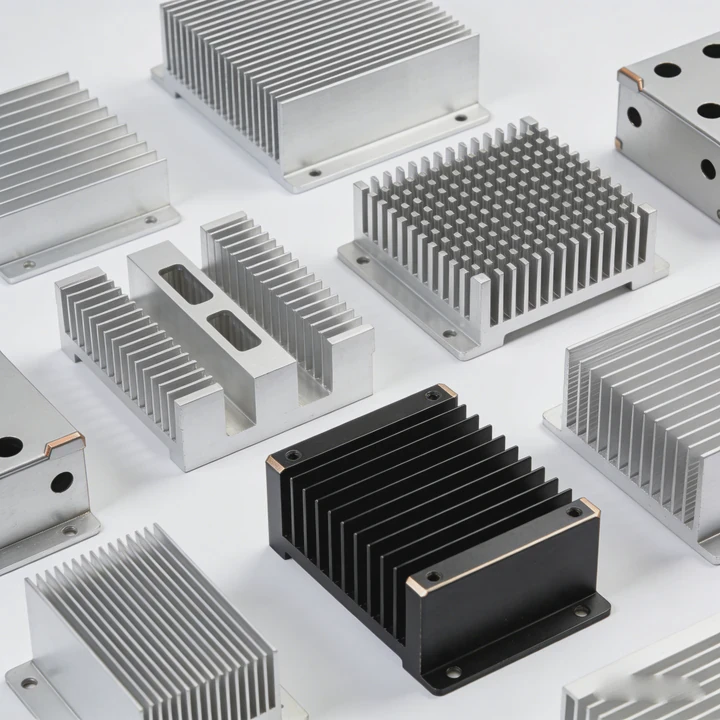
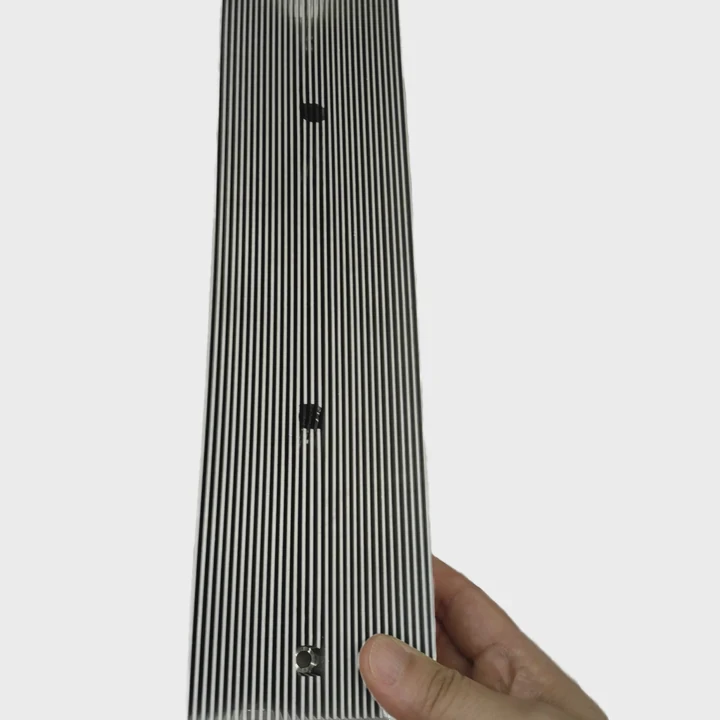
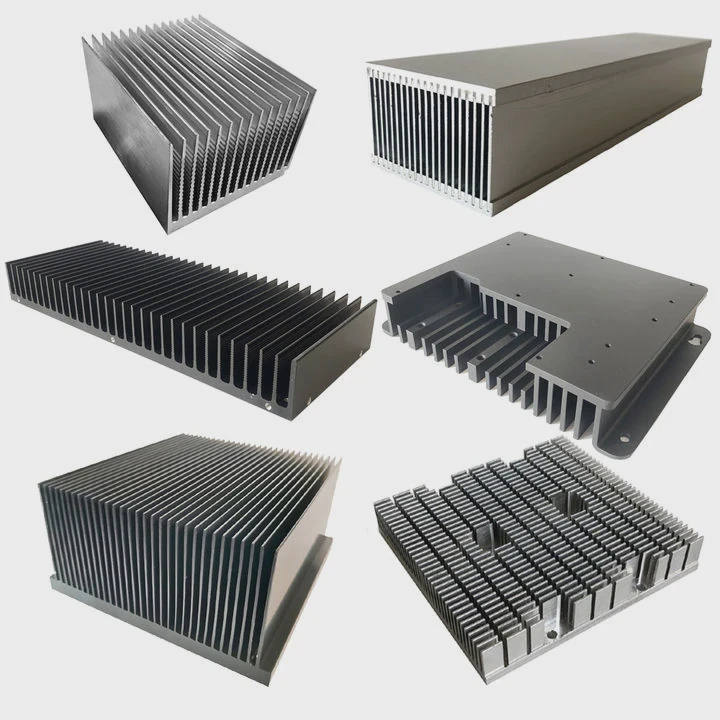
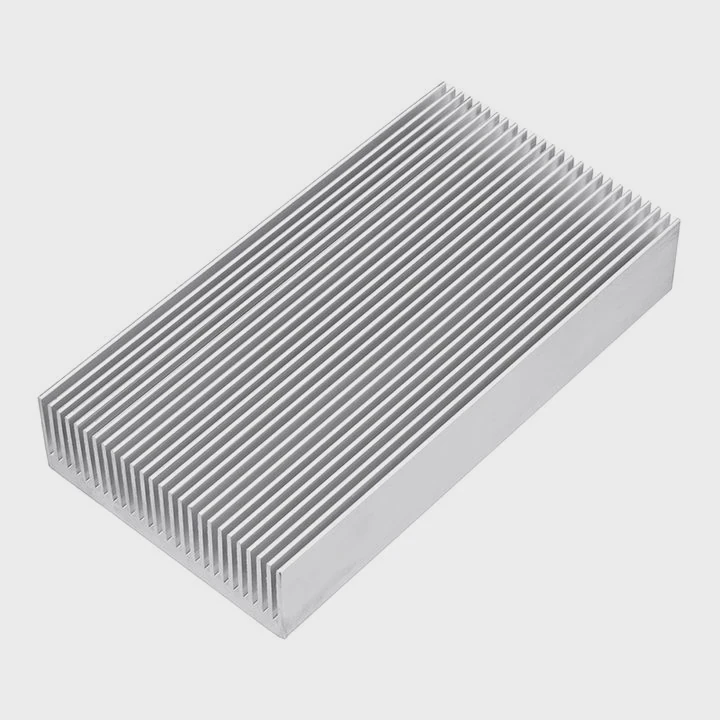
Aluminum can be extruded into thin fins. Those fins increase surface area and improve cooling performance.
Structural frames
Aluminum offers a good balance between strength and weight. It supports loads while keeping the system light.
Manufacturing efficiency
Aluminum supports many processes. These include extrusion, CNC machining, die casting, and welding. This flexibility lowers cost and shortens lead time.
Common misunderstanding
Some people think aluminum might be a “semi-metal” because it is lighter than steel or copper. That is not correct. Aluminum is a full metal. It belongs to a group often called “post-transition metals,” but it still keeps all main metallic properties.
Simple comparison
| Property | Aluminum | Typical Nonmetal |
|---|---|---|
| Conducts electricity | Yes | No |
| Conducts heat | Yes | Poor |
| Malleable | Yes | No |
| Shiny surface | Yes | Often dull |
| Electron movement | Free | Limited |
This classification is not just academic. It directly affects how aluminum performs in real products. Once this is clear, the next step is to look at what specific properties give aluminum its metallic behavior.
What properties make aluminum metallic?
Many design errors happen when teams focus only on weight and ignore deeper material properties. That leads to weak performance in real applications.
Aluminum is metallic because it has free-moving electrons, high conductivity, a crystalline structure, and the ability to deform without breaking.
To understand this better, it helps to break the idea into clear parts. Each property plays a role in how aluminum behaves in both thermal and structural systems.
Electrical conductivity
Aluminum allows electric current to flow with low resistance. This happens because its outer electrons are not tightly bound. They can move through the material easily.
In real products, this is why aluminum is used in:
- Power transmission lines
- Electronic enclosures
- Grounding systems
Thermal conductivity
Heat moves fast through aluminum. This is critical in systems where temperature control matters.
Typical thermal values
| Material | Thermal Conductivity (W/m·K) |
|---|---|
| Aluminum | ~200-235 |
| Titanium | ~15-25 |
| Plastic (nonmetal) | ~0.2-0.5 |
This table shows a clear gap. Aluminum transfers heat far better than most nonmetals and even many metals like titanium.
Malleability and ductility
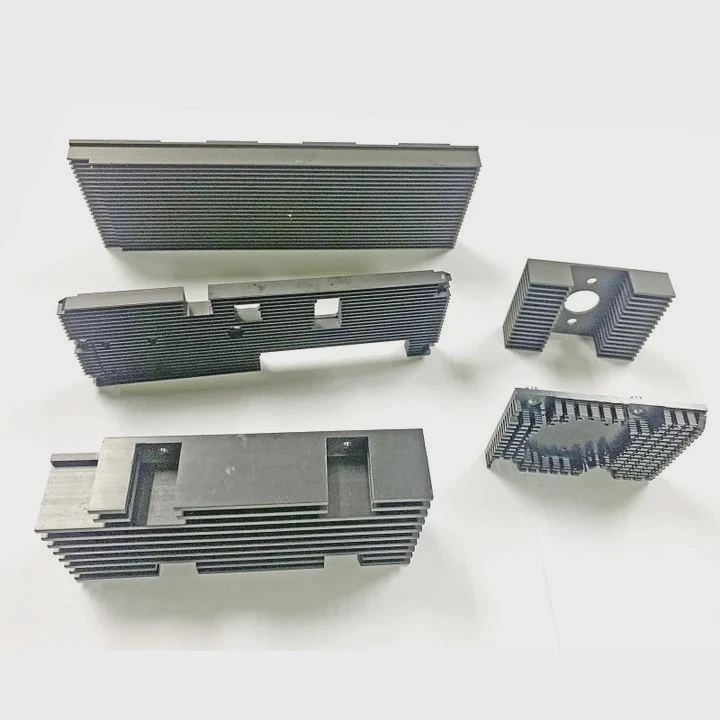
Aluminum can be shaped into sheets, fins, and complex profiles. It does not crack easily during forming.
This matters in:
- Extruded heat sinks
- Thin-wall enclosures
- Custom structural parts
Metallic luster
Aluminum has a shiny surface when polished. This is due to how it reflects light. While this may seem like a small point, it is still a classic metallic property.
Crystal structure
Aluminum forms a face-centered cubic (FCC) structure. This structure supports both strength and flexibility. It allows atoms to slide past each other without breaking the material.
Corrosion resistance
Aluminum forms a thin oxide layer on its surface. This layer protects it from further damage. Many nonmetals do not have this type of self-protection.
Why these properties matter in real work
In thermal system design, these properties are not optional. They directly control performance.
Heat dissipation
A heat sink must move heat away from a source. Aluminum does this efficiently.
Weight control
Aluminum keeps systems light while still offering strength.
Cost balance
Aluminum is easier to process than many metals. This helps control production cost.
A practical lesson
In one project, a team once tried to replace aluminum with a nonmetal composite to reduce cost. The result was poor heat transfer and higher system temperature. The design had to be changed back to aluminum. That experience showed how critical metallic properties are in thermal design.
Understanding these properties helps avoid such mistakes. It also helps explain where aluminum sits in the periodic table, which gives more insight into its behavior.
Where is aluminum on periodic table?
Some engineers skip the periodic table after school. But it still provides useful clues about how a material behaves.
Aluminum is located in Group 13 and Period 3 of the periodic table. It is classified as a post-transition metal.
The periodic table is not just a chart. It is a map of element behavior. The position of aluminum helps explain why it acts like a metal and how it compares to others.
Basic position
- Group: 13
- Period: 3
- Atomic number: 13
This position places aluminum on the left side of the table, where metals are found. Nonmetals are mostly on the right side.
What Group 13 means
Group 13 elements share some traits. They have three electrons in their outer shell. This affects how they bond with other elements.
For aluminum, this means:
- It tends to lose electrons and form positive ions
- It participates in metallic bonding
- It shows stable behavior in many compounds
Period 3 significance
Elements in Period 3 have three electron shells. As you move across this row, properties change from metallic to nonmetallic.
Aluminum sits on the metallic side of this transition. This explains why it still behaves like a metal but also shows some unique traits compared to heavier metals.
Visual comparison idea
If you look across Period 3:
- Sodium → strong metal
- Magnesium → metal
- Aluminum → metal
- Silicon → semi-metal
- Phosphorus → nonmetal
This shows a clear shift from metal to nonmetal. Aluminum is firmly on the metal side of that shift.
Why this matters in engineering
The position on the periodic table explains several practical points:
Bonding behavior
Aluminum forms stable metallic bonds. This supports strength and conductivity.
Reactivity
Aluminum reacts with oxygen to form a protective oxide layer. This improves corrosion resistance.
Compatibility
Understanding its group helps predict how aluminum interacts with other materials in alloys or coatings.
Common confusion
Some people see aluminum near elements like silicon and think it might be a semi-metal. That is not correct. Aluminum is fully metallic in behavior, even if it sits near the transition zone.
Practical takeaway
The periodic table is not just for theory. It helps explain why aluminum:
- Conducts heat and electricity
- Forms strong but lightweight structures
- Works well in many industrial environments
With this position clear, the final step is to compare aluminum directly with nonmetals to highlight the differences.
How does aluminum compare to nonmetals?
Material selection often fails when teams do not clearly separate metals from nonmetals. This leads to poor performance and unexpected problems.
Aluminum differs from nonmetals in conductivity, strength, structure, and heat transfer. Metals like aluminum allow free electron flow, while nonmetals do not.
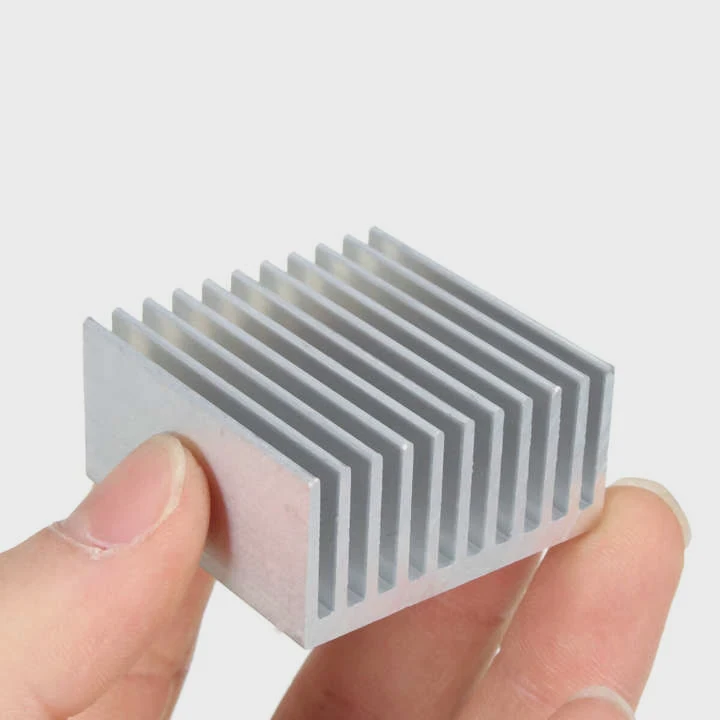
This comparison is important in real projects. It shows why aluminum is often chosen over plastics, ceramics, or other nonmetal materials in thermal and structural systems.
Key differences at a glance
| Feature | Aluminum (Metal) | Nonmetals |
|---|---|---|
| Electrical conductivity | High | Low |
| Thermal conductivity | High | Very low |
| Mechanical strength | Moderate to high | Often brittle or weak |
| Formability | Easy to shape | Limited |
| Surface | Shiny | Often dull |
| Electron behavior | Free movement | Restricted |
Heat transfer difference
This is one of the biggest gaps. Aluminum moves heat quickly. Nonmetals usually act as insulators.
Real-world impact
- Heat sinks require fast heat flow → aluminum works
- Insulation requires blocking heat → nonmetals work
Mechanical behavior
Aluminum can bend without breaking. Many nonmetals crack under stress.
Example
A thin aluminum fin can flex slightly during handling. A similar plastic or ceramic part may break.
Electrical behavior
Aluminum supports current flow. Nonmetals usually block it.
This matters in:
- Electrical systems
- Grounding designs
- Shielding structures
Manufacturing differences
Aluminum supports:
- Extrusion
- Machining
- Welding
- Surface treatment
Nonmetals often need different processes, such as molding or sintering. These processes may limit design flexibility.
Cost and performance trade-off
Nonmetals can be cheaper in some cases. But they may fail in high-heat or high-load conditions.
A practical design story
In one cooling project, a team tried to use a plastic housing to reduce cost. The result was poor heat dissipation and overheating. Switching back to aluminum solved the problem. This kind of issue is common when the metal vs nonmetal difference is not fully understood.
When nonmetals still make sense
Nonmetals are not useless. They are ideal when:
- Electrical insulation is needed
- Weight must be extremely low and load is small
- Heat transfer should be minimized
Final comparison idea
Think of aluminum as a “flow material.” It allows heat and electricity to move. Nonmetals are often “blocking materials.” They resist flow.
This difference is simple but powerful. It explains why aluminum is widely used in thermal management, electronics, and structural systems, while nonmetals serve different roles.
Conclusion
Aluminum is clearly a metal based on its structure and properties. It conducts heat and electricity, forms easily, and supports strong designs. Compared to nonmetals, it offers better performance in thermal and structural applications.