Is aluminum a transition metal?
- Yongxing
- 07 Apr ,2026
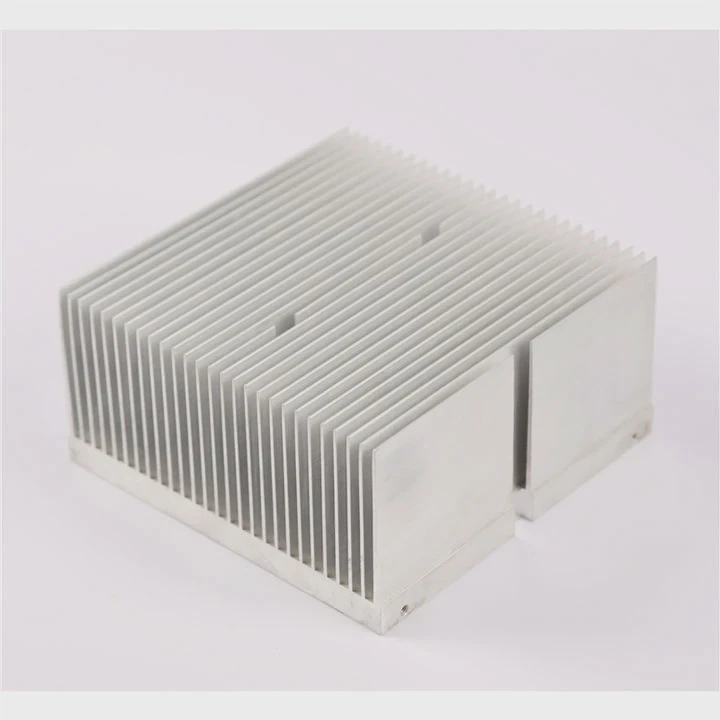
Many people confuse aluminum with transition metals. This mistake leads to wrong material choices in engineering and thermal design.
Aluminum is not a transition metal. It belongs to the main group metals (Group 13) because it does not have partially filled d orbitals in its elemental or common ionic states.
This distinction may sound academic, but it directly affects conductivity, strength, corrosion behavior, and thermal performance in real applications.
Why is aluminum not a transition metal?
People often think all metals behave similarly. This assumption hides key differences that impact performance in real-world systems.
Aluminum is not a transition metal because it lacks partially filled d orbitals, which are the defining feature of transition elements.
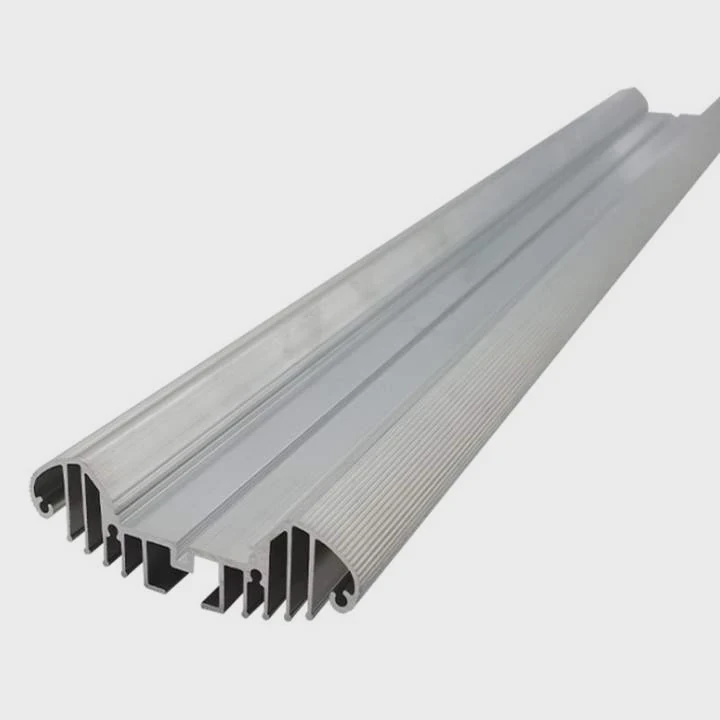
To understand this clearly, we need to look at electron structure. This is where the classification comes from, not just appearance or usage.
Electron Configuration Matters
Aluminum has the electron configuration:
- 1s2 2s2 2p? 3s2 3p1
This means its outer electrons are in the p orbital, not the d orbital.
Transition metals, on the other hand, always involve d orbitals. Their general structure includes partially filled d subshells.
What Makes Transition Metals Different?
A transition metal must meet this condition:
- It forms at least one ion with an incomplete d subshell
Aluminum does not meet this requirement. When aluminum forms ions (usually Al3?), it loses its outer electrons and does not involve d orbitals at all.
Simple Comparison
| Feature | Aluminum | Transition Metals |
|---|---|---|
| Outer electrons | p orbital | d orbital |
| Variable oxidation states | No | Yes |
| Colored compounds | Rare | Common |
| Magnetic behavior | Weak | Often strong |
Why This Matters in Engineering
This electronic difference affects real performance:
1. Conductivity Behavior
Aluminum shows stable and predictable conductivity. Transition metals often vary more depending on conditions.
2. Chemical Reactivity
Aluminum forms a stable oxide layer quickly. Transition metals may react differently and form multiple oxides.
3. Thermal Applications
Aluminum’s simple structure allows efficient heat transfer. This is one reason it is widely used in heat sinks and cooling systems.
Understanding this difference helps avoid wrong assumptions when selecting materials for thermal management systems.
What defines transition metals group?
Some classifications seem confusing because they depend on atomic behavior, not just position on a chart.
Transition metals are defined as elements that have partially filled d orbitals in their atoms or commonly formed ions, leading to unique chemical and physical properties.
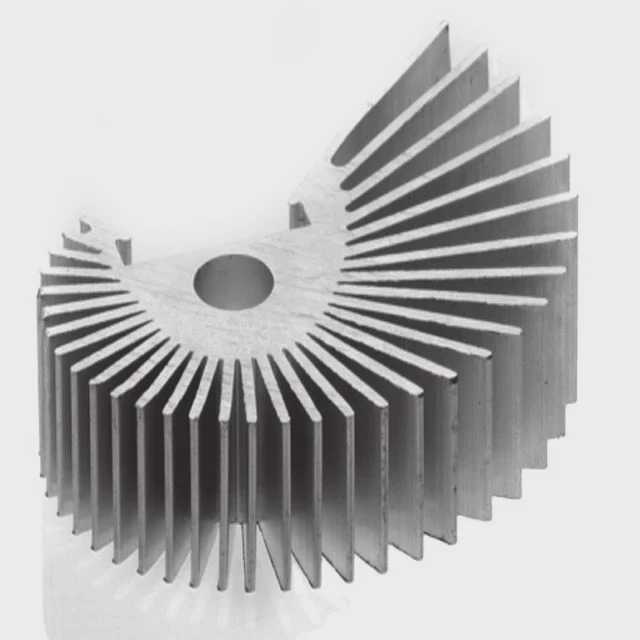
The definition is strict. It is not based on appearance, strength, or industrial use. It is based on atomic structure.
Key Characteristics of Transition Metals
1. Partially Filled d Orbitals
This is the core rule. Without it, an element cannot be classified as a transition metal.
2. Multiple Oxidation States
Transition metals can lose different numbers of electrons. This leads to multiple stable ions.
Examples include:
- Fe2? and Fe3?
- Cu? and Cu2?
3. Formation of Colored Compounds
Many transition metals form colored compounds due to d-d electron transitions.
4. Catalytic Properties
They often act as catalysts in chemical reactions. This is important in industrial processes.
Periodic Table Position
Transition metals are located in:
- Groups 3 to 12
They occupy the center of the periodic table.
Transition Metals Overview
| Property | Description |
|---|---|
| Orbital type | d orbitals |
| Location | Middle of periodic table |
| Reactivity | Variable |
| Bonding | Complex |
Why Engineers Care
Transition metals behave differently in thermal systems:
Heat Behavior
Some transition metals have lower thermal conductivity than aluminum. This limits their use in heat sinks.
Mechanical Strength
They often have higher strength and hardness. This makes them suitable for structural parts.
Corrosion Patterns
They may rust or corrode differently. Protective coatings are often required.
In practice, aluminum is chosen when heat transfer is critical. Transition metals are chosen when strength or catalytic behavior is needed.
Which group does aluminum belong to?
It is easy to misplace aluminum because it behaves like a typical metal in daily use.
Aluminum belongs to Group 13 (also called the boron group) in the periodic table, which is part of the main group elements.
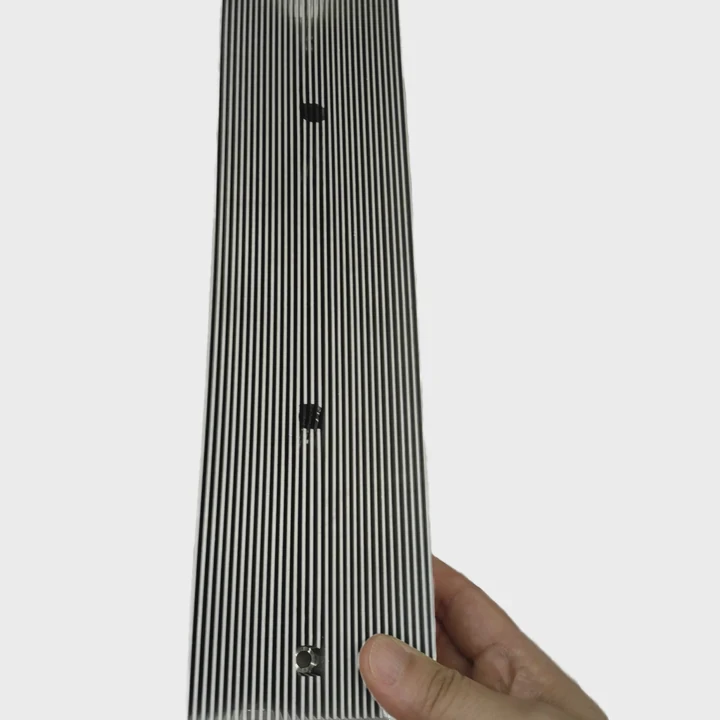
This group has its own identity and properties. It is different from transition metals in both structure and behavior.
Group 13 Elements
The group includes:
- Boron (B)
- Aluminum (Al)
- Gallium (Ga)
- Indium (In)
- Thallium (Tl)
Shared Characteristics
1. Three Valence Electrons
All Group 13 elements have three electrons in their outer shell.
2. Common Oxidation State
They typically form +3 ions.
3. Metallic Trend
As we move down the group, elements become more metallic.
Group Comparison Table
| Group | Type | Example Elements |
|---|---|---|
| Group 13 | Main group | Aluminum, Gallium |
| Groups 3-12 | Transition metals | Iron, Copper |
Why Aluminum Stands Out
Even within Group 13, aluminum has unique importance:
Lightweight Structure
It has a low density compared to most metals.
High Thermal Conductivity
This makes it ideal for heat dissipation.
Strong Oxide Layer
It naturally resists corrosion.
Industrial Relevance
In thermal management systems, aluminum is often the first choice because:
- It balances weight and strength
- It is easy to machine and extrude
- It supports complex cooling designs
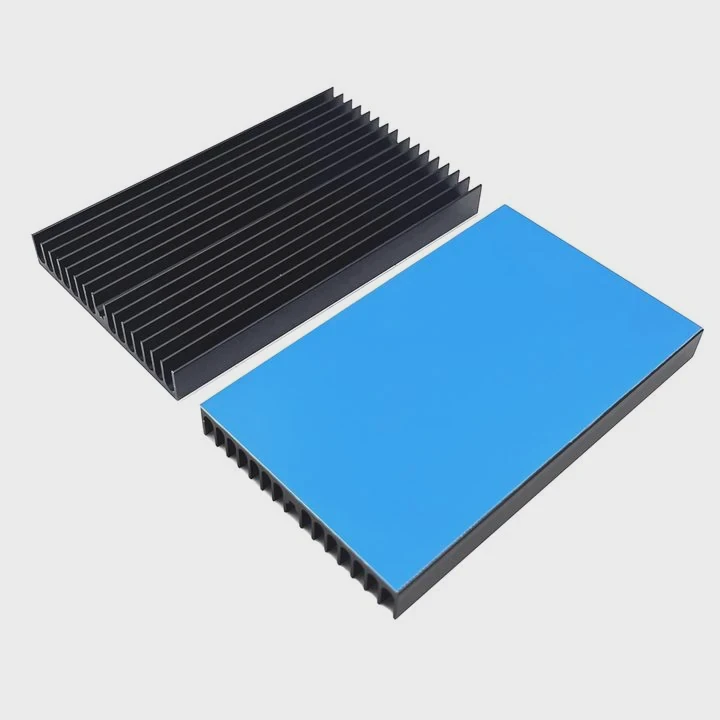
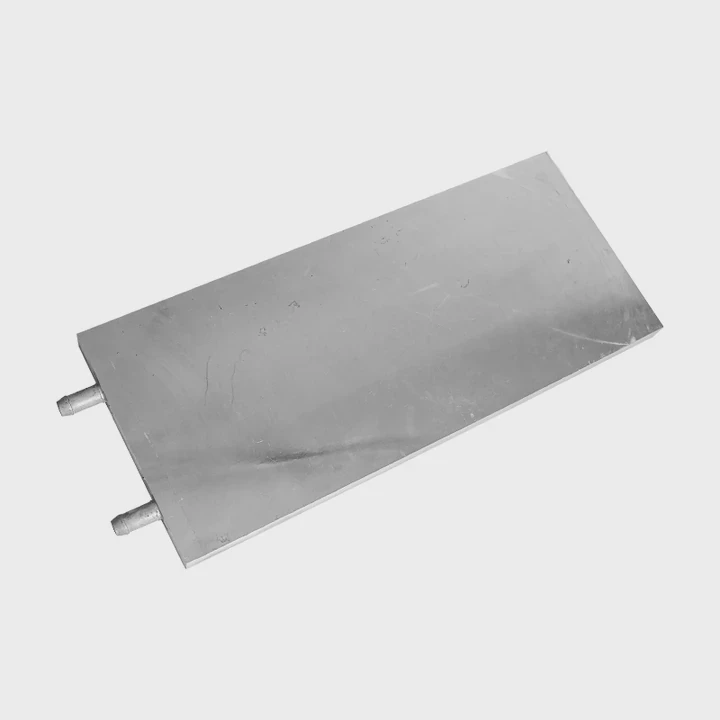
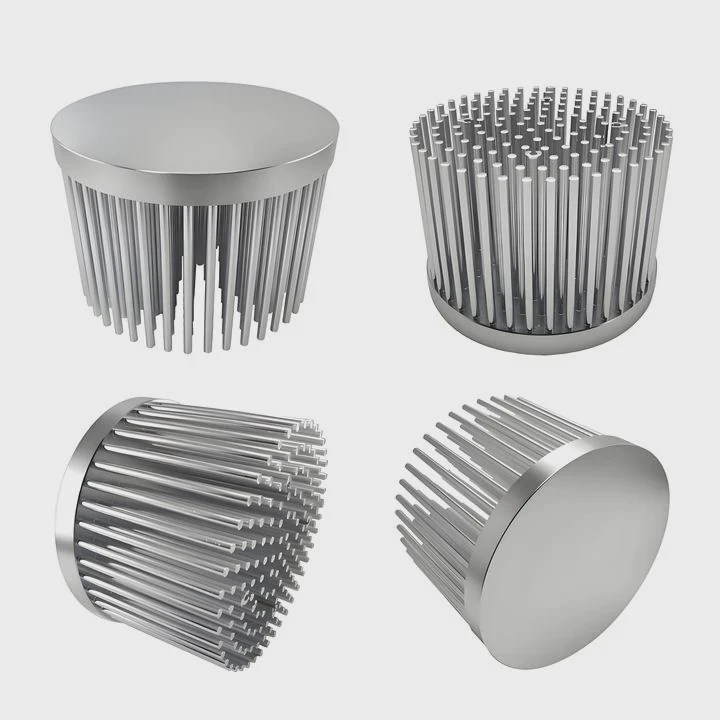
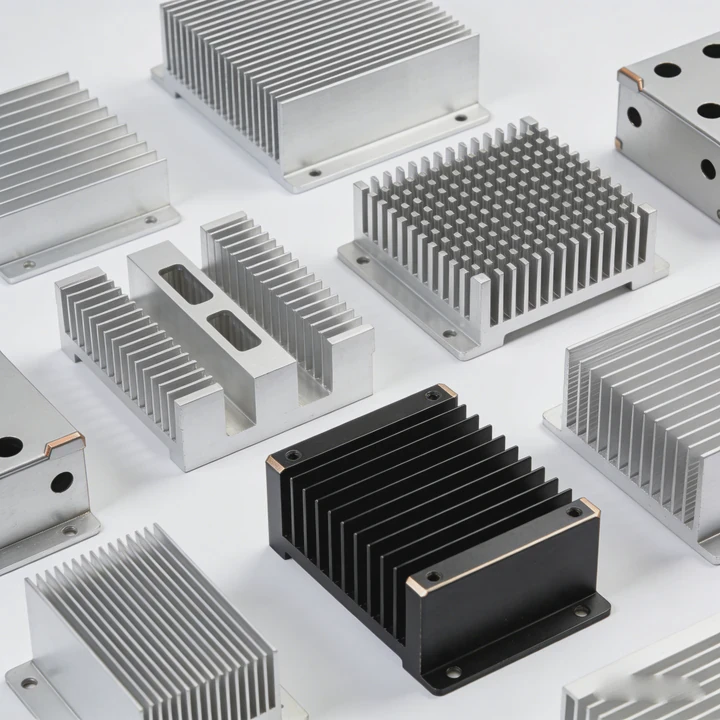
This is why aluminum dominates in heat sinks, cooling plates, and structural thermal components.
How do properties differ from transition metals?
Many design mistakes happen because people assume all metals behave similarly under heat and stress.
Aluminum differs from transition metals in conductivity, weight, oxidation behavior, strength, and chemical flexibility due to its simpler electron structure.
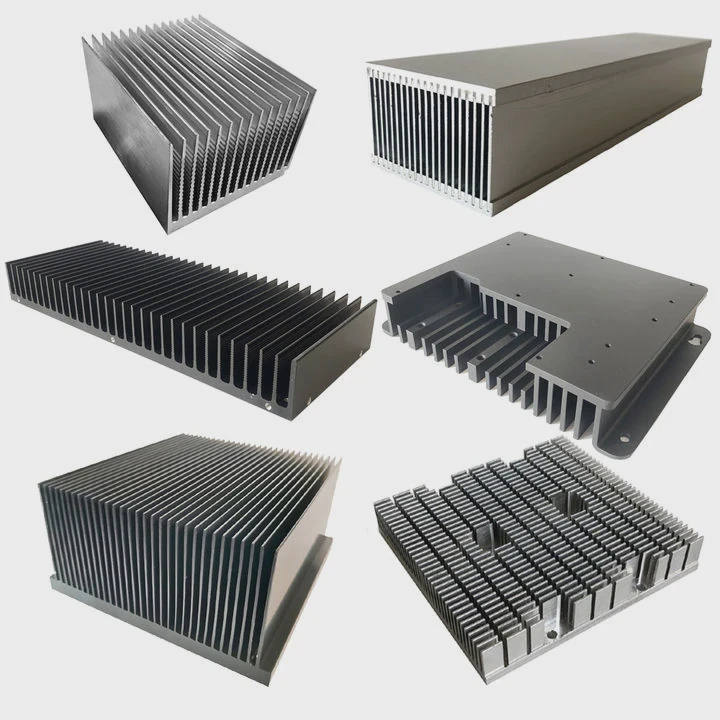
These differences are not small. They directly influence material selection in engineering and manufacturing.
Key Property Differences
1. Thermal Conductivity
Aluminum has high thermal conductivity. This makes it excellent for heat dissipation.
Transition metals:
- Often have lower conductivity
- May not perform as well in cooling systems
2. Density and Weight
Aluminum is lightweight. Transition metals are usually heavier.
This matters in:
- Aerospace
- Electric vehicles
- Portable systems
Property Comparison Table
| Property | Aluminum | Transition Metals |
|---|---|---|
| Density | Low | High |
| Thermal Conductivity | High | Medium to Low |
| Strength | Moderate | High |
| Oxidation Behavior | Forms protective layer | May rust or corrode |
3. Corrosion Resistance
Aluminum forms a thin oxide layer that protects it from further corrosion.
Transition metals like iron can:
- Rust
- Require coatings
4. Mechanical Properties
Transition metals are generally:
- Harder
- Stronger
Aluminum is:
- Easier to shape
- More flexible
Practical Engineering Trade-Off
When to Use Aluminum
- Heat sinks
- Cooling systems
- Lightweight structures
When to Use Transition Metals
- High-strength components
- Wear-resistant parts
- Catalytic systems
Real Design Insight
In real projects, materials are often combined:
- Aluminum for heat transfer
- Steel or copper alloys for strength
This hybrid approach balances performance.
In thermal management, aluminum remains a core material because of its efficiency, cost balance, and manufacturability.
Conclusion
Aluminum is not a transition metal. Its Group 13 classification explains its unique behavior. This difference helps engineers choose the right material for heat, weight, and durability requirements.