What was aluminum used for?
- Yongxing
- 09 Apr ,2026
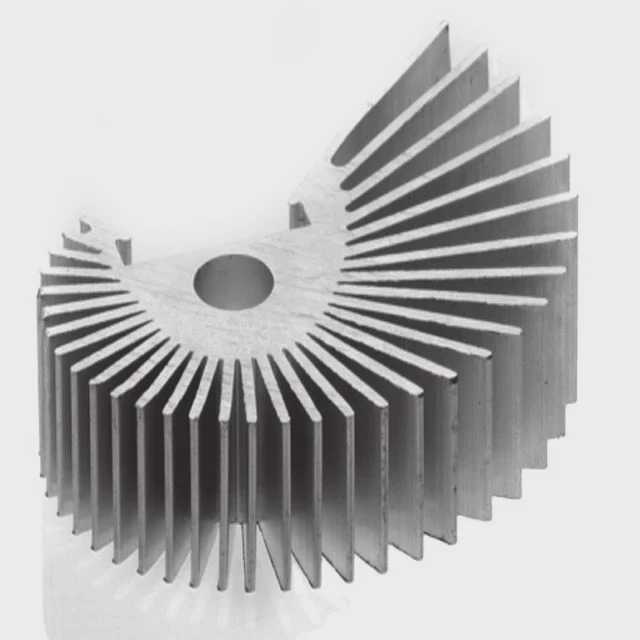
Many people think aluminum has always been cheap and common. This idea is wrong. In the past, aluminum was rare and expensive. This creates confusion about its real value and uses.
Aluminum was first used for luxury items and special tools because it was rare and hard to produce. Over time, new technology made it cheap, and now it is used in almost every industry.
Aluminum has a long journey from a precious metal to an everyday material. This story shows how technology can change the value and role of a material.
How was aluminum used in history?
Many people do not know that aluminum was once more valuable than gold. This makes it hard to understand its early uses.
In history, aluminum was mainly used for decorative items, luxury goods, and special scientific tools because it was rare and difficult to extract.
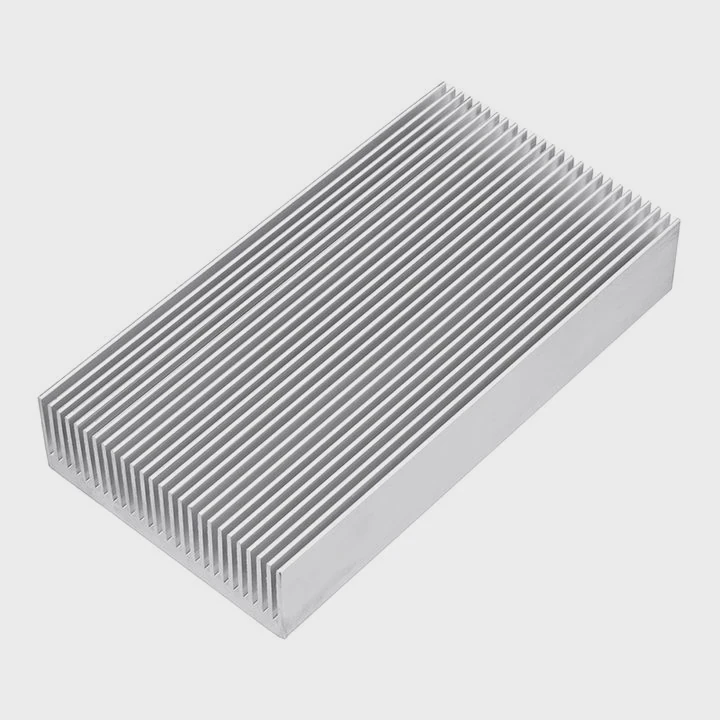
Aluminum history starts in the early 19th century. At that time, people could not easily extract aluminum from its ore. The process required complex chemical methods. These methods were expensive and slow. So, aluminum became a symbol of wealth and power.
Early luxury uses
In Europe, aluminum was used for royal items. For example, Napoleon III of France used aluminum cutlery for special guests. Other guests had to use gold utensils. This shows how rare aluminum was at that time.
Scientific and decorative use
Scientists also used aluminum for experiments. It was light and did not rust easily. This made it useful in laboratories.
Below is a simple table of early aluminum uses:
| Period | Use Type | Example |
|---|---|---|
| Early 1800s | Scientific tools | Lab equipment |
| Mid 1800s | Luxury goods | Jewelry, cutlery |
| Late 1800s | Decorative items | Statues, ornaments |
Why extraction was difficult
Aluminum does not exist in pure form in nature. It is found in bauxite ore. Early methods used chemical reduction. These methods required large energy and rare chemicals.
Because of this, production was very limited. Only small amounts were available each year.
Shift toward industrial use
By the late 1800s, the Hall-Héroult process was invented. This changed everything. It allowed aluminum to be produced in large quantities using electricity.
This marked the transition from luxury metal to industrial material. It also opened the door for modern applications.
Why was aluminum once valuable metal?
Many people find it strange that aluminum was once more expensive than gold. This idea seems impossible today.
Aluminum was valuable because it was extremely difficult to extract, required high energy, and had limited supply before modern production methods were invented.
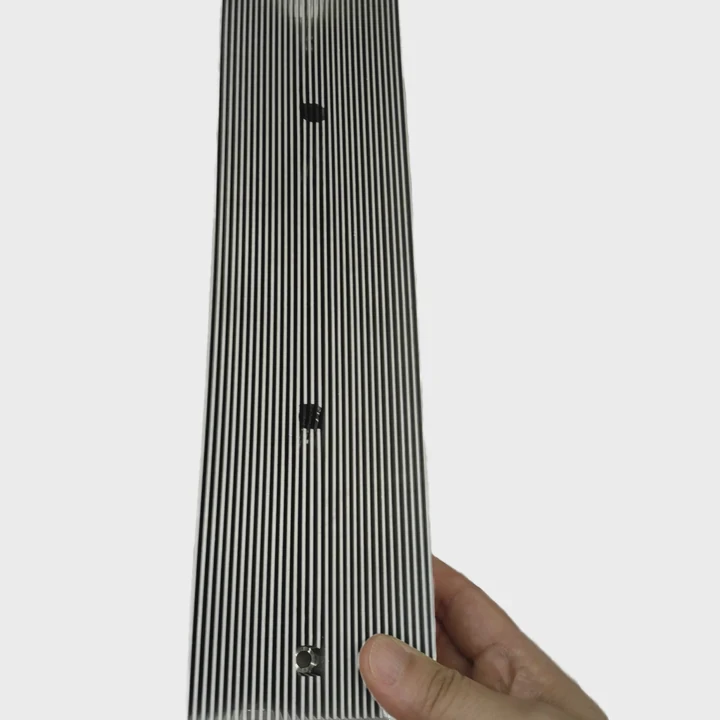
The value of aluminum came from its rarity. Unlike gold, aluminum is abundant in the earth’s crust. However, it is chemically bonded with other elements. This makes it hard to isolate.
High production cost
Before modern electrolysis, aluminum production involved chemical reduction with potassium or sodium. These materials were expensive and dangerous.
The process had several problems:
- High cost of raw materials
- Low production efficiency
- Complex procedures
Limited supply
Because of the difficult process, only small quantities of aluminum were produced each year. This limited supply increased its value.
Below is a comparison table:
| Metal | Availability (19th century) | Production difficulty | Market value |
|---|---|---|---|
| Gold | Rare but extractable | Moderate | High |
| Aluminum | Abundant but locked in ore | Very high | Very high |
Unique properties
Aluminum also had attractive features:
- Lightweight
- Corrosion resistant
- Shiny appearance
These properties made it desirable for special uses.
Turning point: electrolysis
The Hall-Héroult process changed aluminum production. It used electricity to separate aluminum from alumina. This reduced cost dramatically.
After this, aluminum lost its status as a precious metal. It became a practical engineering material.
What early products used aluminum?
Many people assume aluminum was always used in cans and airplanes. This is not true. Early products were very different.
Early aluminum products included jewelry, utensils, scientific instruments, and decorative items due to its rarity and unique appearance.
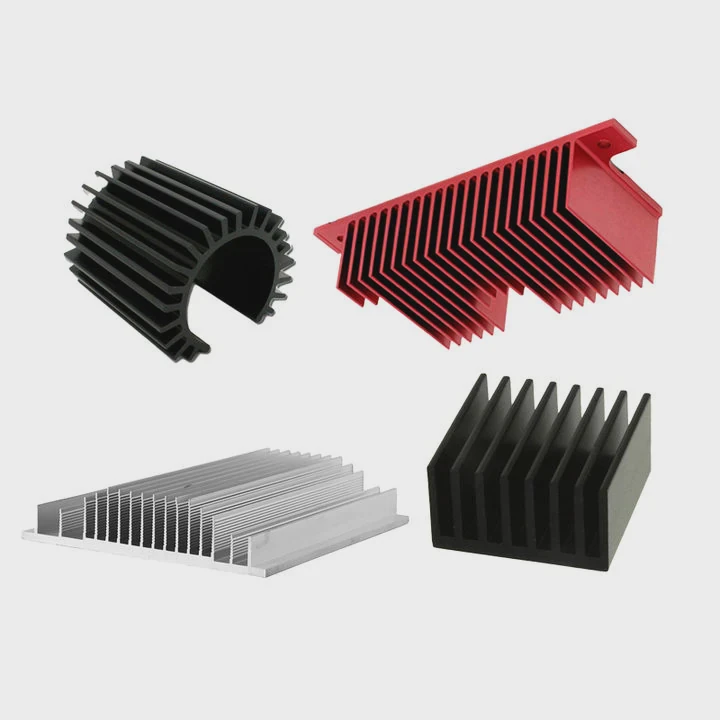
When aluminum first became available, manufacturers focused on high-value products. These products did not require large amounts of material.
Jewelry and ornaments
Aluminum was used to make:
- Rings
- Brooches
- Decorative art pieces
Its silver-like shine made it attractive. It also did not tarnish easily.
Tableware and utensils
High-end households used aluminum utensils. These included:
- Forks and spoons
- Plates
- Serving trays
These items showed wealth and modern taste.
Scientific instruments
Because aluminum is light and stable, it was used in:
- Optical devices
- Measuring tools
- Laboratory equipment
Early engineering parts
As production improved, aluminum started to appear in engineering.
Examples include:
- Telegraph wires
- Lightweight frames
- Early transportation parts
Expansion into industry
Once costs dropped, aluminum entered more industries. It became useful in:
- Construction
- Electrical systems
- Transportation
This shift marked the beginning of mass adoption.
How has aluminum use changed over time?
Many people see aluminum as a basic material today. They may not realize how much its role has changed.
Aluminum has evolved from a rare luxury metal into a critical material used in transportation, electronics, energy systems, and thermal management applications.
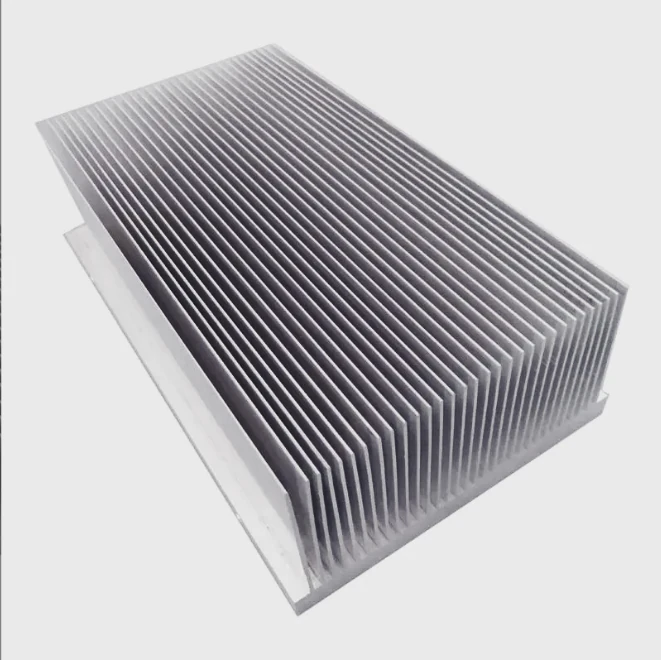
The change in aluminum use is closely linked to technology and industry growth.
From luxury to mass production
At first, aluminum was used only in small, high-value items. After industrial production improved, it became widely available.
This allowed industries to explore new uses.
Growth in transportation
Aluminum became important in transportation because it is light and strong.
It is now used in:
- Aircraft structures
- Automotive parts
- Rail systems
This helps reduce weight and improve efficiency.
Role in electronics and heat management
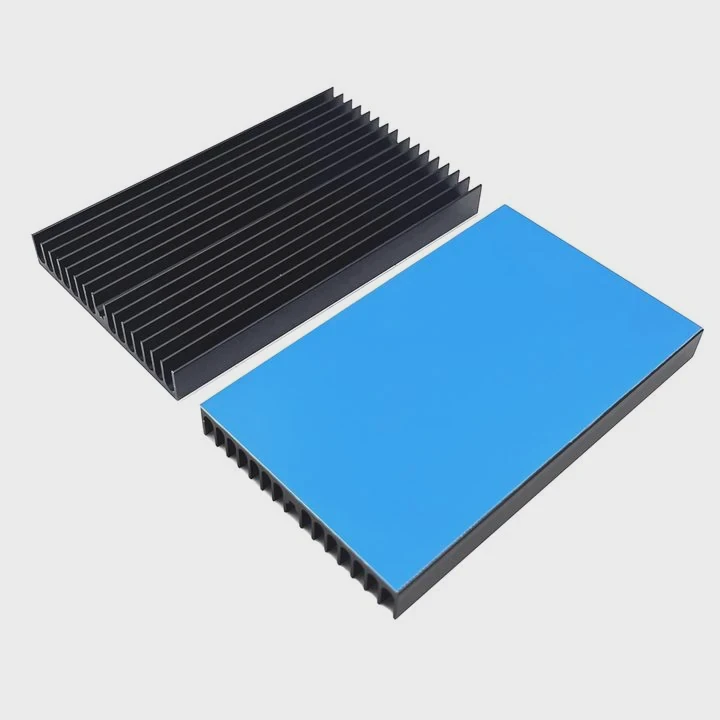
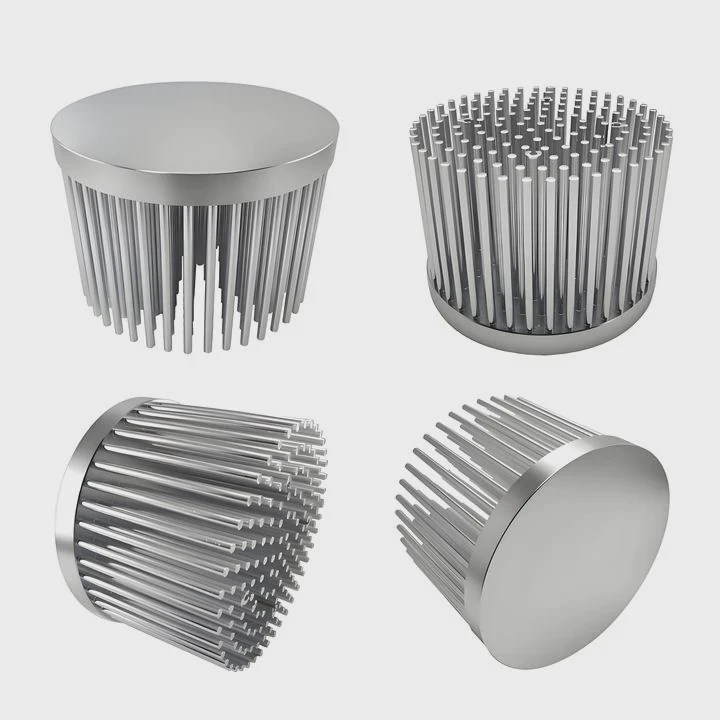
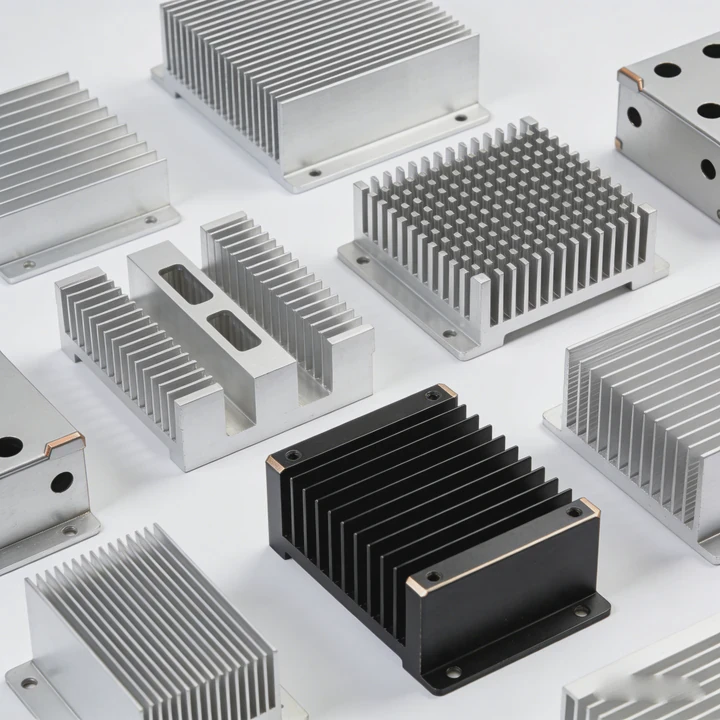
With the rise of electronics, aluminum found a new role. It became a key material for heat dissipation.
Why aluminum works well for heat sinks
- Good thermal conductivity
- Lightweight
- Easy to shape
Comparison of modern uses
| Industry | Aluminum Application | Key Benefit |
|---|---|---|
| Electronics | Heat sinks, enclosures | Heat dissipation |
| Automotive | Engine parts, frames | Weight reduction |
| Energy | Solar panels, storage systems | Efficiency |
| Aerospace | Structural components | Strength-to-weight ratio |
Advanced thermal solutions
Today, aluminum is not just a simple material. It is part of complex thermal systems.
Modern applications include:
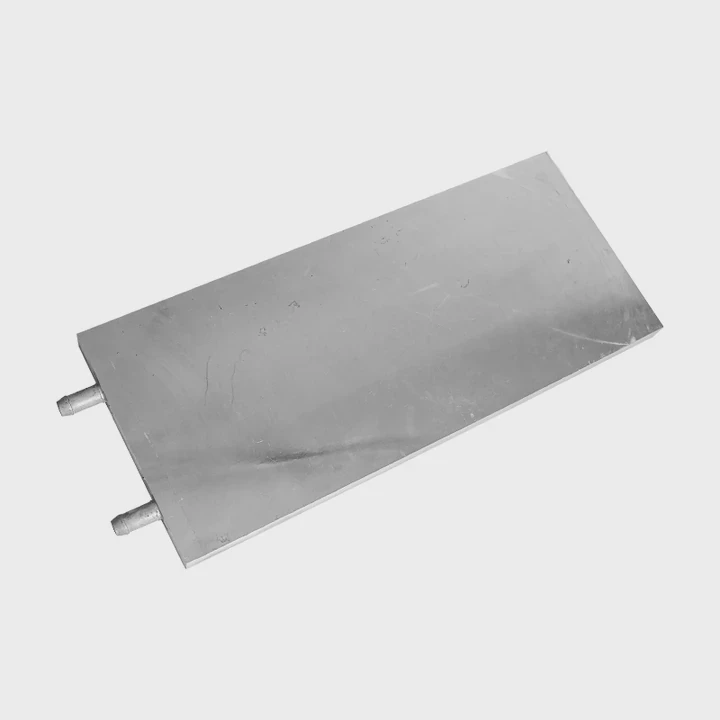
- Liquid cooling plates
- Vapor chamber heat spreaders
- Integrated thermal modules
These systems are used in:
- 5G equipment
- Electric vehicles
- Industrial power systems
Continuous innovation
The role of aluminum keeps evolving. Engineers now combine aluminum with:
- Copper
- Phase change materials
- Advanced coatings
This improves performance in high-power environments.
Conclusion
Aluminum moved from a rare luxury metal to a core industrial material. Its journey shows how technology can reshape value and unlock new applications across many industries.