Where is aluminum found?
- Yongxing
- 10 Apr ,2026
Many people use aluminum daily, yet few know where it actually comes from. This gap creates confusion, especially when sourcing materials for industrial applications.
Aluminum is not found as pure metal in nature. It exists mainly in ores like bauxite and is widely distributed across Earth’s crust in various minerals.
Understanding aluminum sources helps engineers, buyers, and manufacturers make better decisions about cost, supply, and performance.
What natural sources contain aluminum?
Many people assume aluminum exists in metal form in nature. That assumption leads to misunderstanding about sourcing and production complexity.
Aluminum is found in natural minerals such as bauxite, feldspar, clay, and mica, but never as pure metal due to its high reactivity.
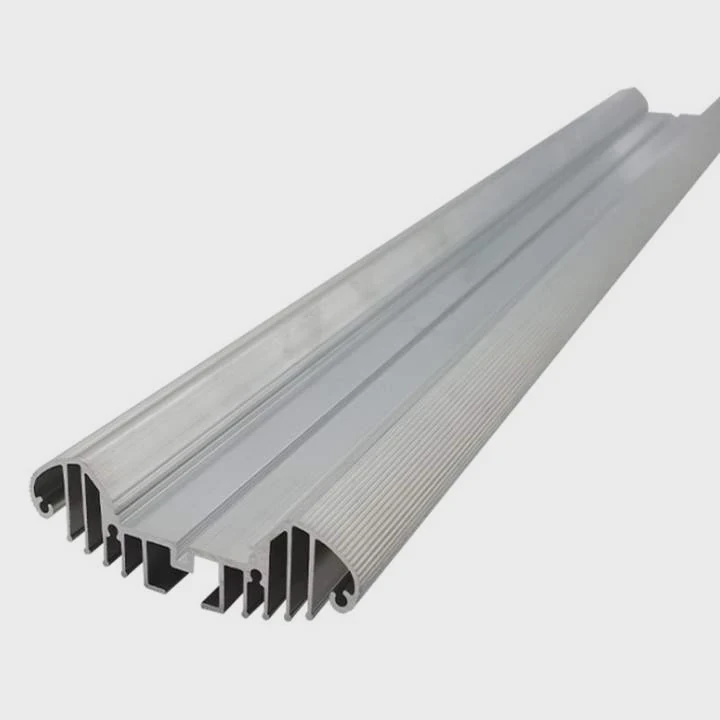
Aluminum is one of the most reactive metals. This property prevents it from existing freely in nature. Instead, it forms compounds with oxygen and silicon. These compounds create a wide range of minerals found in soil and rocks.
Common natural aluminum sources
The most important aluminum-containing materials include:
| Mineral Type | Aluminum Content | Common Use |
|---|---|---|
| Bauxite | 30-60% | Primary aluminum production |
| Feldspar | 10-20% | Ceramics and glass |
| Clay (Kaolin) | 20-40% | Paper, ceramics |
| Mica | 10-30% | Electronics insulation |
Why aluminum is never found pure
Aluminum bonds strongly with oxygen. This creates aluminum oxide (Al?O?), which is very stable. Breaking this bond requires high energy, usually through electrolysis.
Real-world implication for engineers
When working in heat sink manufacturing, this matters a lot. The purity and source of aluminum affect:
- Thermal conductivity
- Structural strength
- Cost consistency
For example, aluminum derived from high-quality bauxite leads to better extrusion performance. This directly impacts heat dissipation efficiency.
A deeper look at mineral distribution
Aluminum minerals are found almost everywhere:
- In soil (clay-rich areas)
- In mountain rocks (feldspar-rich granite)
- In tropical regions (bauxite deposits)
However, not all sources are economically viable. Extraction cost and concentration determine whether a source is useful.
Key takeaway
Not all aluminum sources are equal. Industrial production depends mainly on high-grade bauxite, while other minerals serve secondary roles.
Is aluminum found in bauxite ore?
Many buyers hear about bauxite but do not fully understand its importance. This creates confusion when discussing raw material sourcing.
Yes, aluminum is primarily extracted from bauxite ore, which is the most important and economical source of aluminum worldwide.
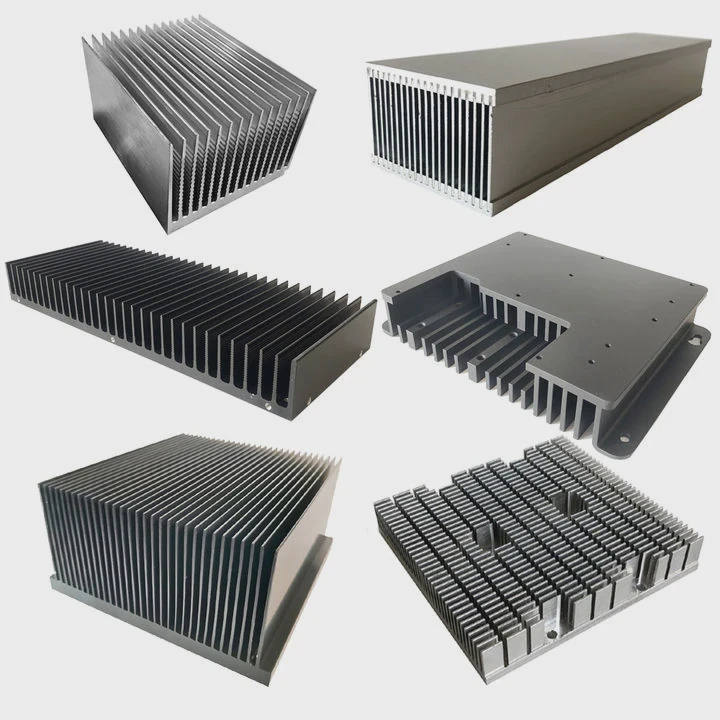
Bauxite is the backbone of the aluminum industry. It contains high concentrations of aluminum hydroxides, making it ideal for large-scale production.
What makes bauxite special?
Bauxite stands out because of:
- High aluminum content
- Easy processing compared to other minerals
- Large global reserves
Composition of bauxite
| Component | Percentage |
|---|---|
| Aluminum hydroxide | 40-60% |
| Iron oxide | 10-30% |
| Silica | 1-10% |
| Titanium dioxide | 2-5% |
How aluminum is extracted from bauxite
The process involves two main steps:
1. Bayer Process
- Bauxite is refined into alumina (Al?O?)
- Impurities are removed
2. Hall-Héroult Process
- Alumina is converted into pure aluminum
- Electrolysis is used at high temperature
Why bauxite dominates the industry
Other aluminum minerals exist, but they are not widely used. The reason is simple:
- Higher cost
- Lower efficiency
- More complex processing
Bauxite offers the best balance between cost and yield.
Industrial perspective
In thermal management industries, stable material supply is critical. Most high-performance aluminum heat sinks rely on aluminum sourced from bauxite-derived alumina.
This ensures:
- Consistent thermal conductivity
- Reliable mechanical properties
- Stable production cycles
Key insight
Without bauxite, modern aluminum production would not be economically viable. It is the foundation of the entire aluminum supply chain.
Which countries have most aluminum resources?
Global supply stability is a major concern for manufacturers. Many people underestimate how geography affects aluminum availability.
Countries like Australia, Guinea, China, and Brazil hold the largest bauxite reserves, making them key players in global aluminum production.
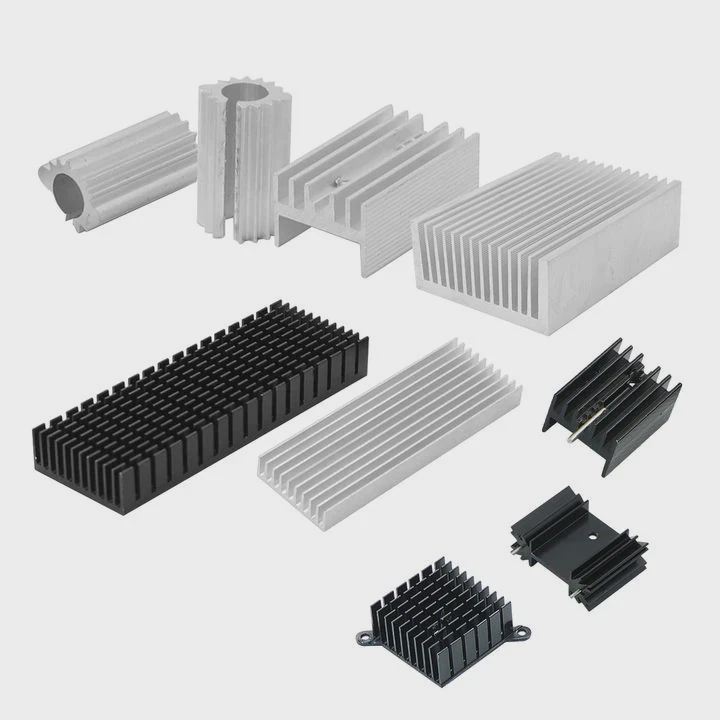
Aluminum resources are not evenly distributed. Some regions dominate the market due to geological advantages.
Top countries with bauxite reserves
| Country | Share of Global Reserves | Key Advantage |
|---|---|---|
| Australia | ~30% | High-quality ore, stable supply |
| Guinea | ~25% | Massive untapped reserves |
| China | ~10% | Strong processing capacity |
| Brazil | ~9% | Large-scale mining operations |
| India | ~7% | Growing production capacity |
Why these countries lead
Several factors explain this concentration:
- Tropical climate supports bauxite formation
- Long-term geological weathering
- Strong mining infrastructure
Supply chain impact
From a manufacturing perspective, sourcing aluminum depends heavily on these regions. Any disruption can affect:
- Raw material pricing
- Lead times
- Project planning
For example, fluctuations in Guinea’s exports can impact global aluminum prices quickly.
Processing vs resource ownership
Some countries have large reserves but limited refining capacity. Others import raw materials and dominate processing.
Example:
- Australia: strong in mining
- China: strong in refining and production
Strategic considerations for buyers
When selecting aluminum suppliers, it is important to consider:
- Source of raw materials
- Supply chain stability
- Political and economic risks
This becomes critical in industries like:
- New energy systems
- Rail transportation
- Electronics cooling systems
Key takeaway
Aluminum resources are global, but control is concentrated. Understanding this helps reduce supply risk and improve sourcing strategy.
How abundant is aluminum in Earth crust?
Many people assume aluminum is rare because it requires complex processing. That assumption is misleading.
Aluminum is the third most abundant element in Earth’s crust, making up about 8% by weight, but it is rarely found in pure form.
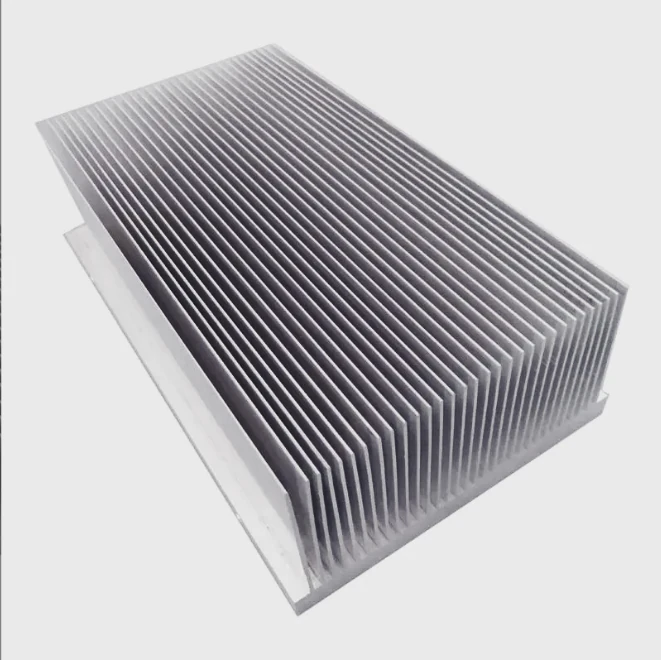
This abundance explains why aluminum is widely used across industries, from aerospace to electronics.
Comparison with other elements
| Element | Abundance (%) |
|---|---|
| Oxygen | ~46% |
| Silicon | ~28% |
| Aluminum | ~8% |
| Iron | ~5% |
Why abundant does not mean easy
Even though aluminum is everywhere, extraction is not simple.
Key challenges:
- Strong chemical bonds with oxygen
- Energy-intensive extraction process
- Need for high-grade ore
Energy factor in aluminum production
Producing aluminum requires large amounts of electricity. This is why aluminum plants are often located near:
- Hydropower sources
- Low-cost energy regions
Industrial implication
In heat sink design and manufacturing, aluminum’s abundance offers key advantages:
- Stable supply
- Competitive pricing
- Scalability for mass production
However, the energy cost of refining still affects pricing.
Real-world example
In one project, material cost fluctuated due to energy price spikes, not because of raw aluminum scarcity. This highlights the difference between resource abundance and production cost.
Why aluminum is still dominant
Despite challenges, aluminum remains a top choice because it offers:
- Excellent thermal conductivity
- Lightweight structure
- Corrosion resistance
These properties make it ideal for:
- Heat sinks
- Liquid cooling plates
- Electronic enclosures
Key insight
Aluminum is abundant but not easily accessible. Its value comes from the balance between availability and processing technology.
Conclusion
Aluminum is everywhere in nature but never in pure form. It mainly comes from bauxite, with global supply led by a few key countries. Its abundance supports large-scale industrial use, yet extraction complexity still shapes cost and availability.