Products Details
| Core Keywords | 5axis cnc machining |
| Equipment | CNC 3/4/5-axis machining centers, CNC lathes |
| Processing Techniques | CNC milling, turning |
| Surface Treatment | Per customer requirements |
| OEM/ODM | OEM/ODM CNC milling and turning services |
| Dimensions | Custom sizes accepted |
| Quality Control | 100% inspection before shipment |
 +
+
FAQ
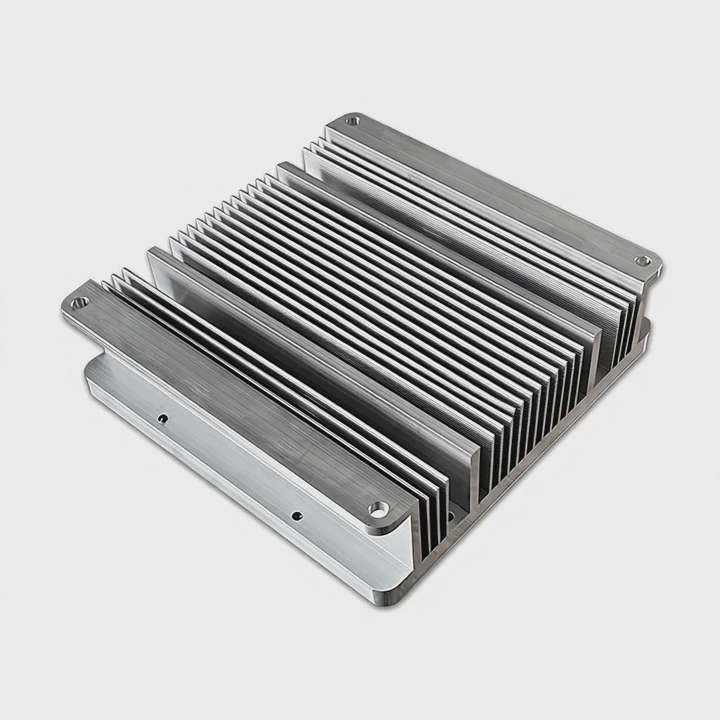
1. What are CNC aluminum comb and sunflower heat sinks?
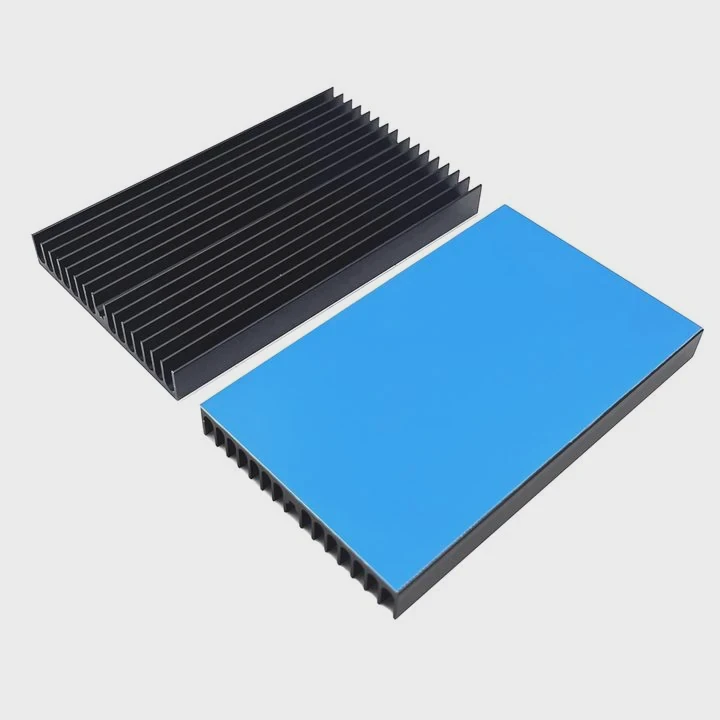
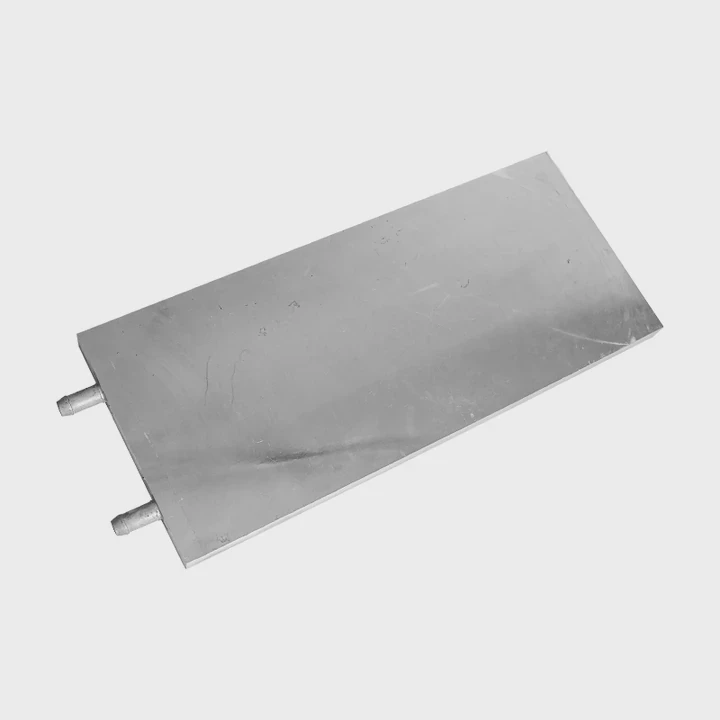
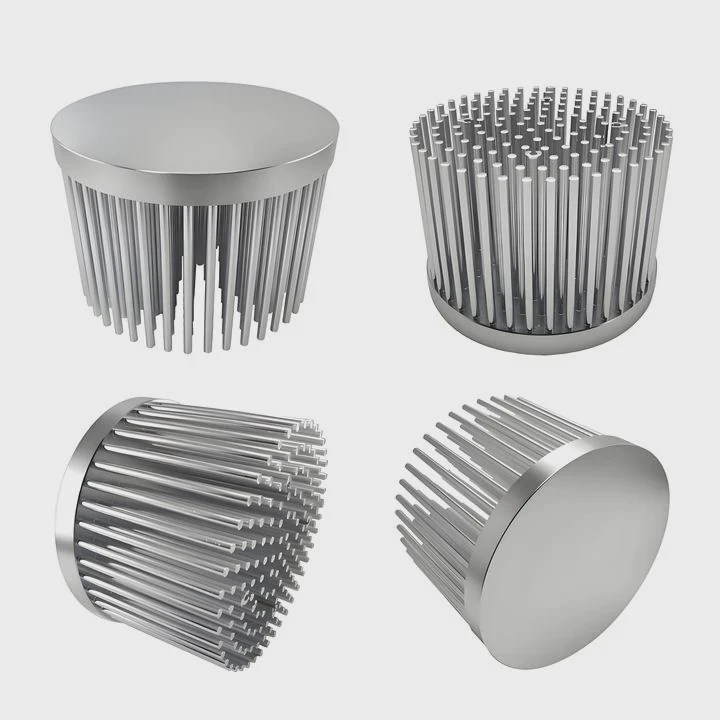
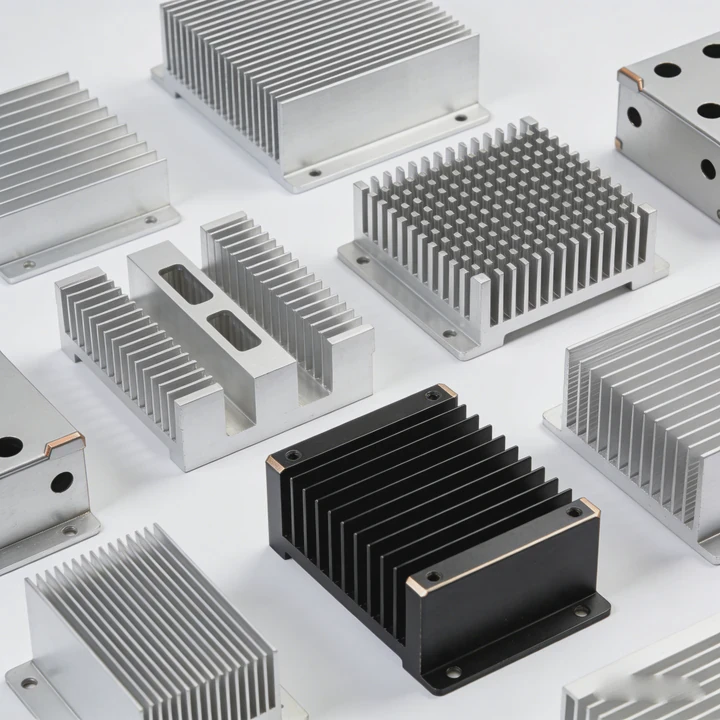
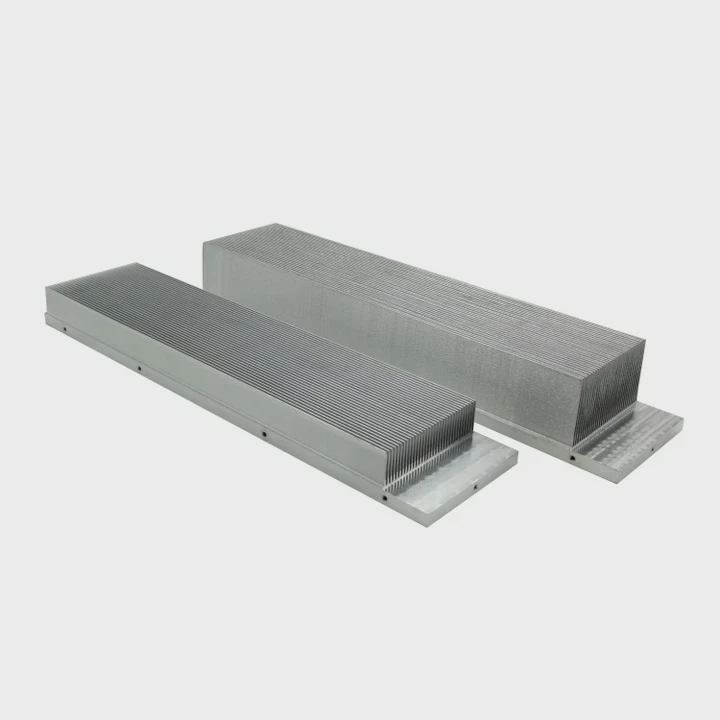
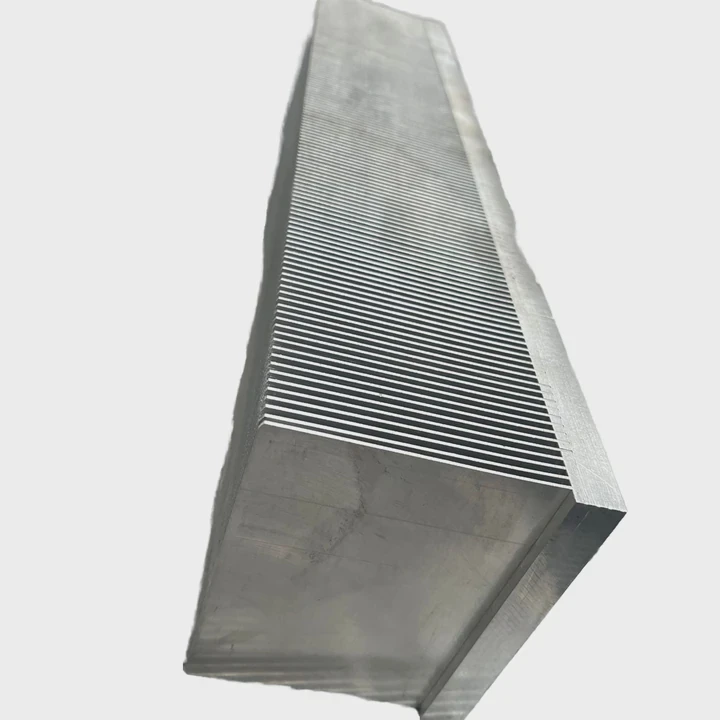
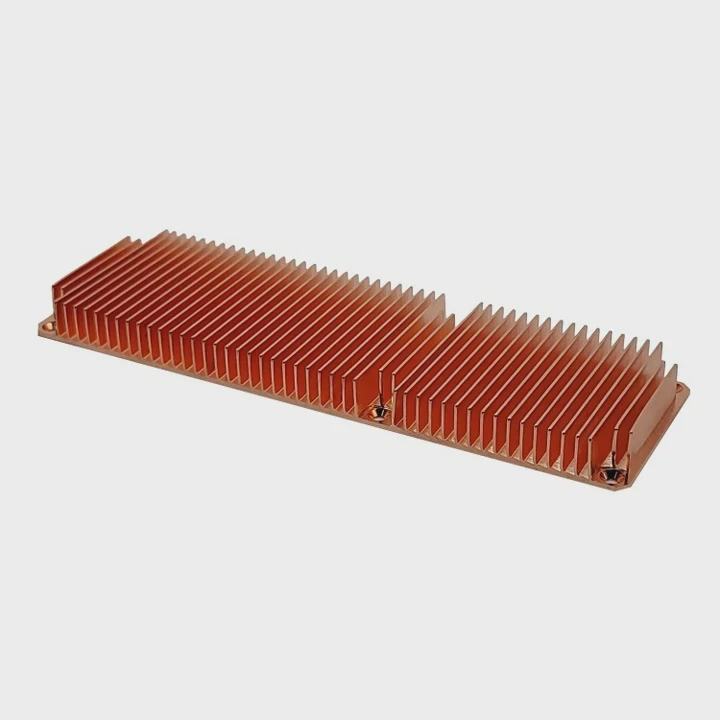
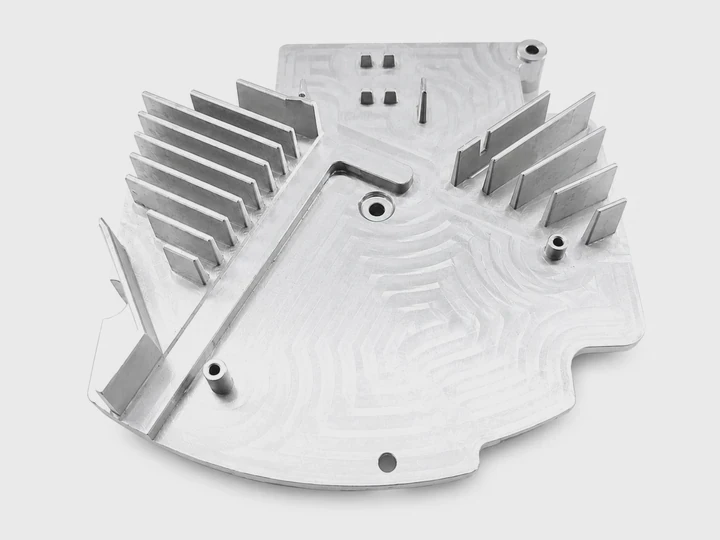
CNC aluminum comb and sunflower heat sinks are precision-machined aluminum heat sinks designed for efficient heat dissipation in electronics and industrial devices.
2. Why choose aluminum heat sinks for thermal management?
Aluminum heat sinks offer high thermal conductivity, lightweight performance, and cost-effective thermal management for many OEM applications.
3. What is the difference between comb and sunflower heat sinks?
Comb heat sinks use parallel fin structures, while sunflower heat sinks use radial fin designs for broader airflow and heat dissipation.
4. Are custom CNC aluminum heat sinks available?
Yes, custom CNC aluminum heat sinks can be made in different sizes, fin shapes, mounting styles, and surface finishes.
5. What industries use CNC aluminum heat sinks?
CNC aluminum heat sinks are widely used in electronics, LED lighting, power supplies, automotive parts, telecom equipment, and industrial machinery.
6. Do CNC machined heat sinks improve cooling performance?
Yes, CNC machined heat sinks improve cooling performance by providing accurate fin geometry and reliable contact surfaces for better heat transfer.
7. Can aluminum heat sinks be anodized?
Yes, anodized aluminum heat sinks are available to enhance corrosion resistance, durability, and product appearance.
8. Are these heat sinks suitable for OEM projects?
Yes, CNC aluminum comb and sunflower heat sinks are ideal for OEM and custom manufacturing projects that require precise thermal solutions.
9. How do I choose the right heat sink design?
Choose the right heat sink design based on heat load, airflow, mounting space, material requirements, and your specific thermal management needs.