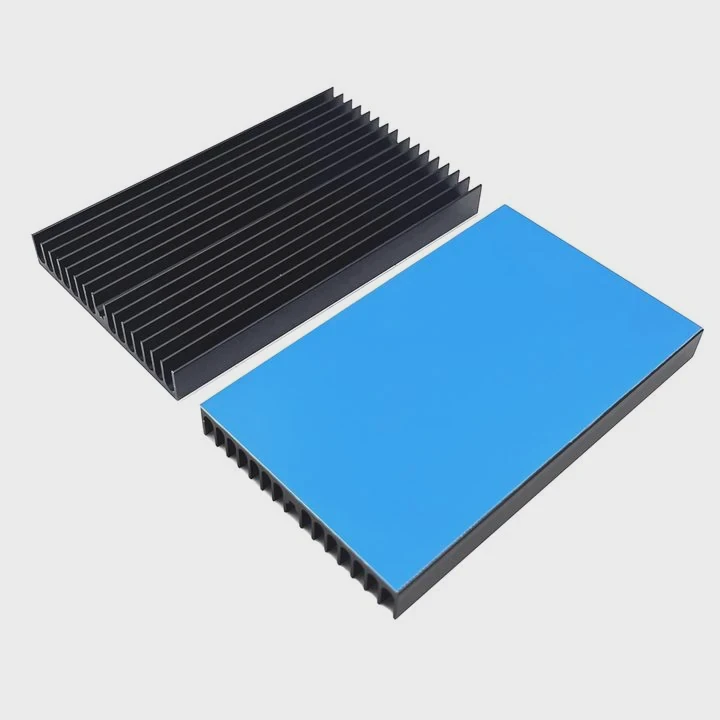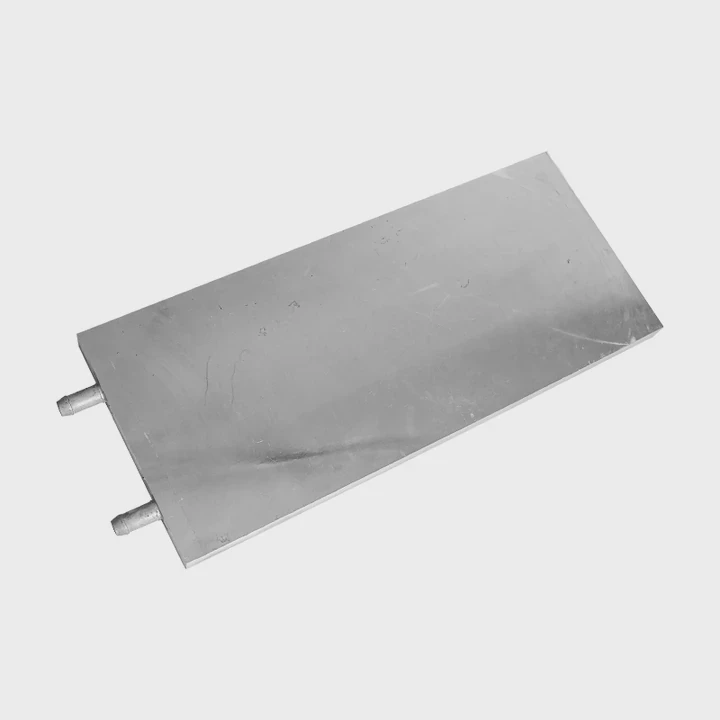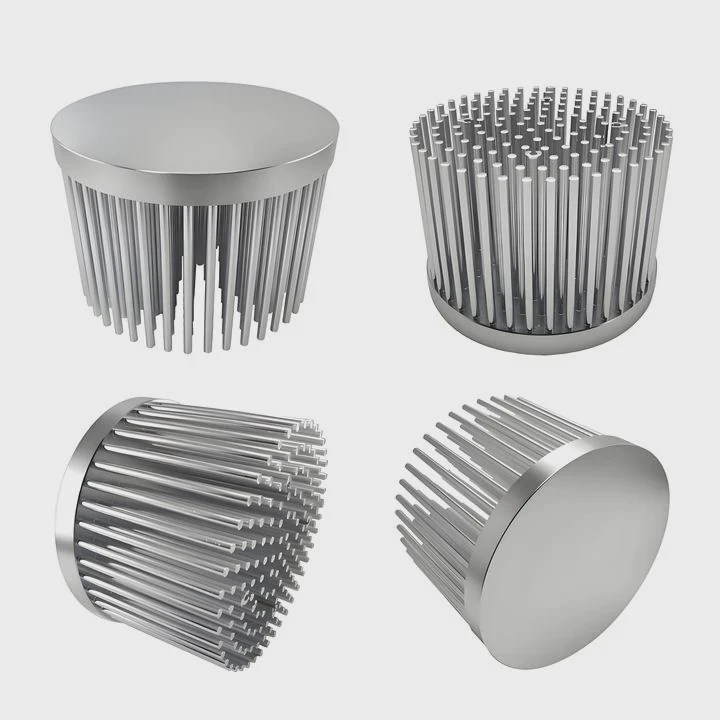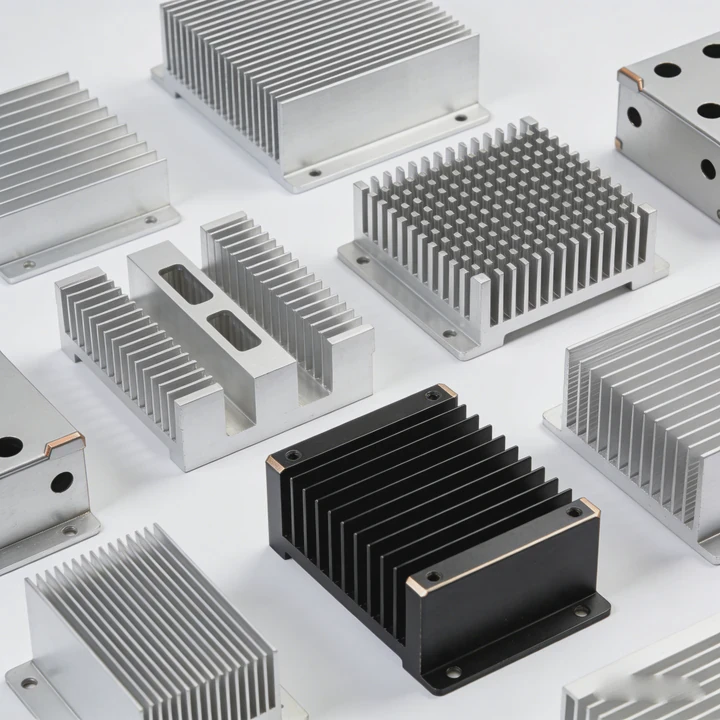
Products Details
| Grade | 6000 Series |
| Shape | Square |
| Temper | T3~T8 |
| Tolerance | ±1% |
| Application | Heat Sink |
| Processing Service | Bending, Decoiling, Welding, Punching, Cutting, Skiving fin, Roll fin |
| Delivery Time | 15-21 days |
| Alloy Or Not | Is Alloy |
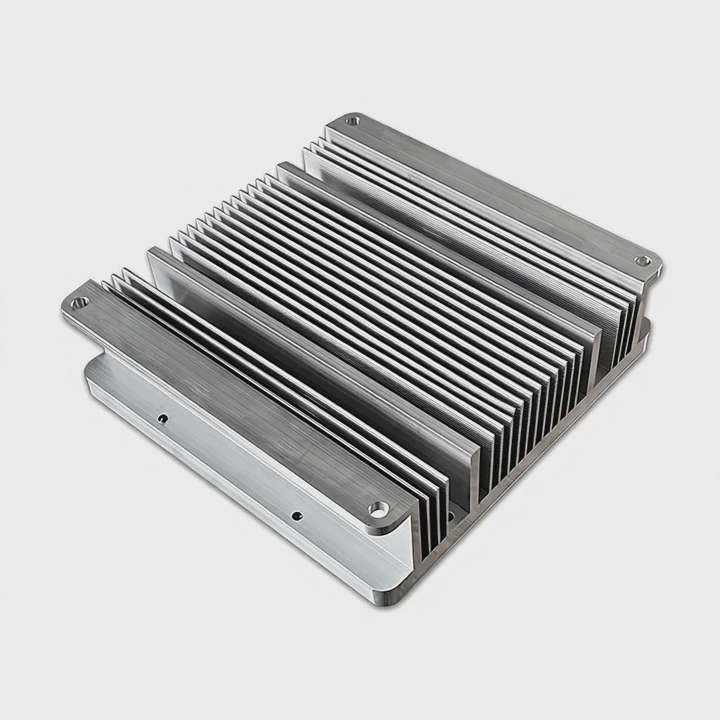
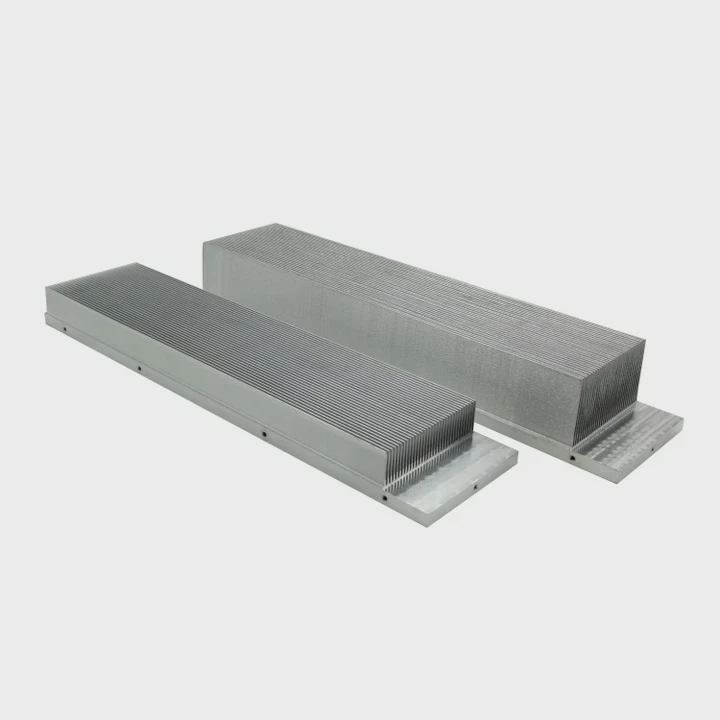
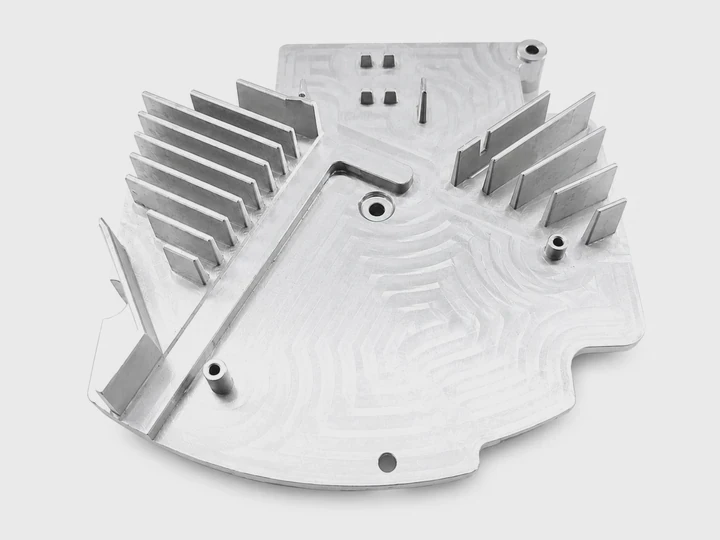
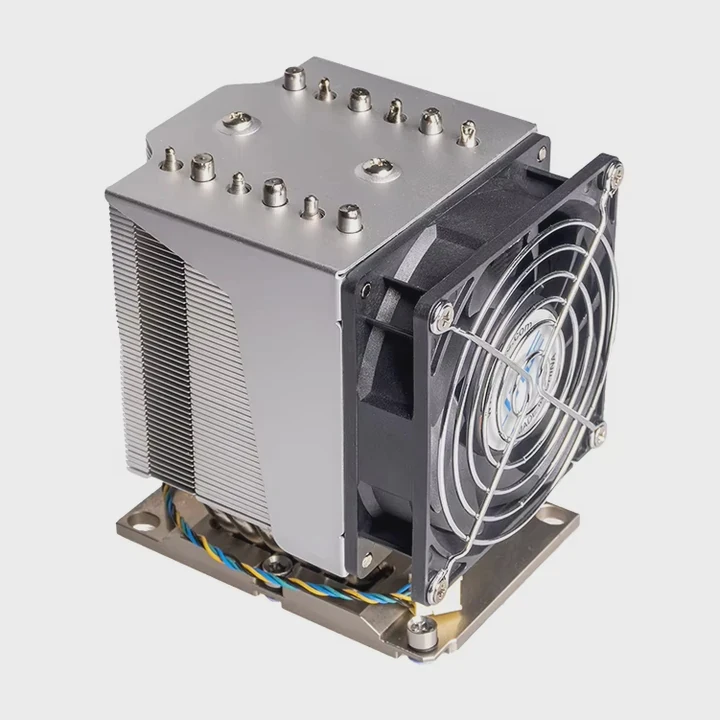
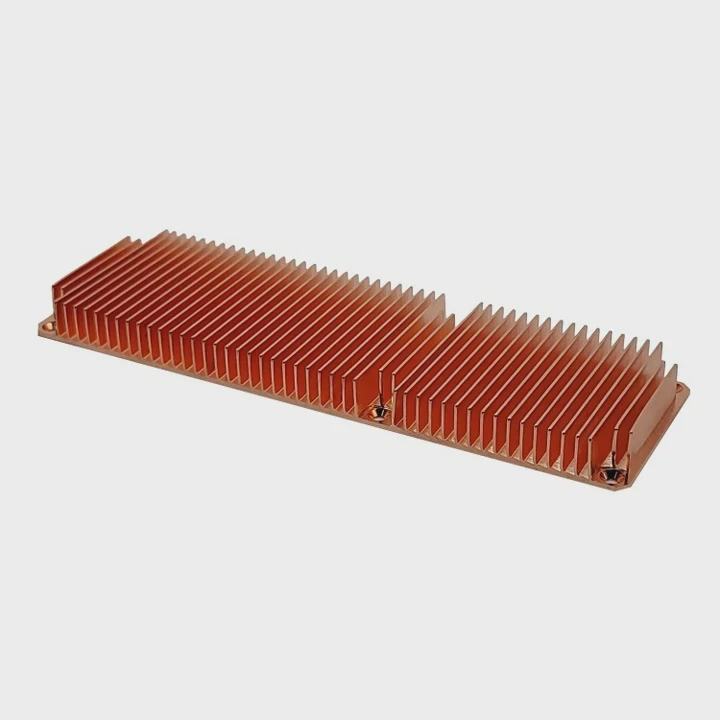
| Product Name | CNC Machining Parts |
| Process | Skiving fin+CNC Machining |
| Usage | Assembly |
| Color | Silver |
| Surface Treatment | Anodize |
| MOQ | 2pcs |
| Material | Alloy/Copper |
| Package | Foam + Carton |
| Dimension | Customized |
| Tolerance | 0.01-0.05mm |
 +
+
FAQ
1. What is a CNC aluminum heat sink for laser equipment?
A CNC aluminum heat sink for laser equipment is a precision-machined thermal component that removes excess heat from laser systems and helps maintain stable performance.
2. Why use aluminum for a laser heat sink?
Aluminum offers strong thermal conductivity, low weight, and cost-effective machining, making it ideal for a CNC aluminum heat sink in laser equipment.
3. Can this laser heat sink be customized?
Yes, the CNC aluminum heat sink can be customized in size, shape, fin structure, hole placement, and surface finish to match OEM requirements.
4. What applications can use this heat sink?
This aluminum heat sink is suitable for laser equipment, laser modules, industrial lasers, power supplies, and other heat-sensitive electronic assemblies.
5. How does CNC machining improve heat sink quality?
CNC machining improves the accuracy, consistency, and repeatability of the aluminum heat sink, ensuring a precise fit and reliable thermal performance.
6. Does the heat sink support surface treatment options?
Yes, the CNC aluminum heat sink can include anodizing, sandblasting, or other finishes to improve corrosion resistance and appearance.
7. Can you provide OEM and ODM support?
Yes, OEM and ODM support is available for custom CNC aluminum heat sink manufacturing for laser equipment.
8. How does a laser equipment heat sink help system performance?
A laser equipment heat sink helps dissipate heat efficiently, reducing overheating, improving stability, and extending component life.