Are Heat Sink Material Properties Stable?
- Yongxing
- 30 Jun ,2026
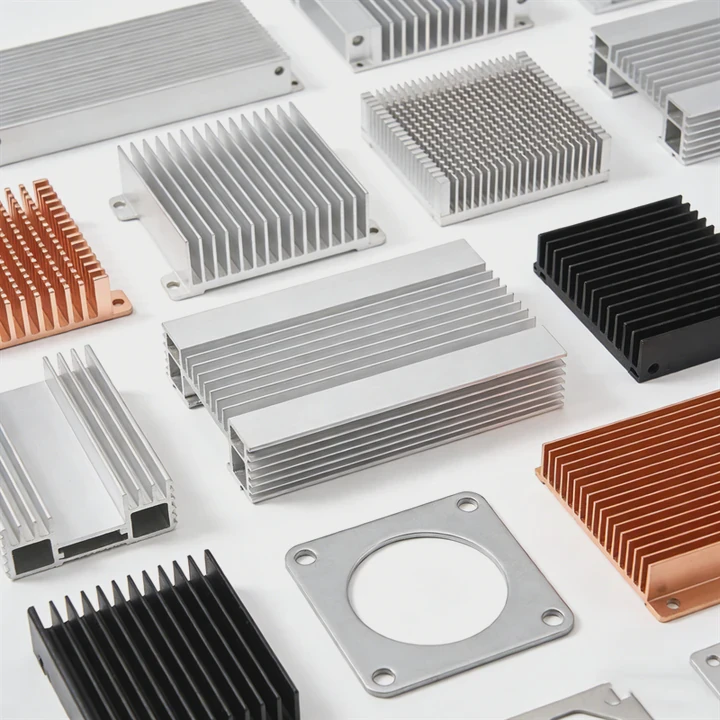
Many engineers worry that a heat sink may perform well at first but lose efficiency after years of service. This concern becomes more serious in high-power and harsh environments.
Heat sink material properties are generally stable when the correct material, manufacturing process, and surface treatment are selected. However, high temperatures, corrosion, oxidation, coatings, and thermal cycling can gradually affect performance if the design is not optimized.
Heat management systems often operate under demanding conditions. Electronic devices generate more heat than ever before. At the same time, customers expect longer product life and higher reliability. Because of this, understanding the long-term stability of heat sink materials is an important part of thermal design. Material stability is not only about thermal conductivity. It also includes mechanical strength, corrosion resistance, dimensional stability, and surface condition over time.
Do Alloys Change Under High Temperatures?
Heat can slowly alter material properties. Many engineers focus only on thermal conductivity, but long-term exposure to elevated temperatures can influence several characteristics of an alloy.
Most aluminum and copper heat sink alloys remain stable within their designed operating temperature range. Significant material changes usually occur only when temperatures exceed the alloy’s intended limits for long periods.
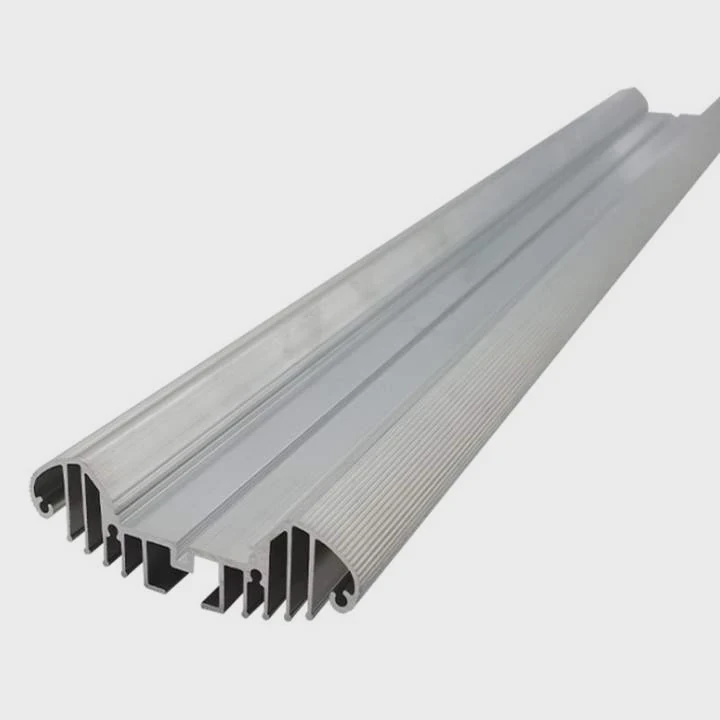
When discussing heat sink stability, temperature is often the first factor to examine. Aluminum and copper are the most common materials used in thermal management systems. Both materials offer excellent thermal conductivity and maintain stable performance under normal operating conditions.
What Happens Inside the Material?
At elevated temperatures, the atomic structure of a metal does not suddenly change. Instead, gradual processes may occur. These processes include grain growth, stress relaxation, and changes in mechanical strength.
For example, some aluminum alloys may experience reduced hardness when exposed to high temperatures for extended periods. Copper generally maintains its thermal conductivity very well, but prolonged heat exposure can affect mechanical properties.
Typical Stability Comparison
| Material | Thermal Conductivity Stability | Mechanical Stability | High-Temperature Resistance |
|---|---|---|---|
| Aluminum Alloy | Very Good | Good | Good |
| Copper | Excellent | Very Good | Very Good |
| Vapor Chamber Materials | Excellent | Very Good | Excellent |
| Brazed Assemblies | Excellent | Depends on joint quality | Excellent |
Why Design Temperature Matters
A heat sink designed for a communication base station may operate continuously for ten years. If the operating temperature remains below the material’s limit, the thermal performance typically remains highly stable.
In many real projects, thermal simulations and laboratory testing confirm that properly selected alloys maintain consistent thermal conductivity throughout the product lifecycle.
Manufacturing Quality Also Matters
Material stability depends on more than the alloy itself. Manufacturing processes play a major role.
For example:
- Vacuum brazing creates strong and stable joints.
- Friction stir welding reduces thermal resistance at interfaces.
- Laser welding minimizes distortion.
- Diffusion bonding improves structural integrity.
A well-manufactured heat sink can maintain stable performance even under demanding industrial conditions.
When evaluating long-term reliability, engineers should always review both the alloy specifications and the manufacturing method. The combination of material selection and process control often determines the actual lifespan of the thermal management system.
Are Coatings Durable Over Time?
Many buyers assume coatings are only cosmetic. In reality, coatings often play an important role in protecting heat sink materials and preserving long-term performance.
High-quality coatings can remain effective for many years when properly applied. Their durability depends on coating type, environmental conditions, and manufacturing quality.
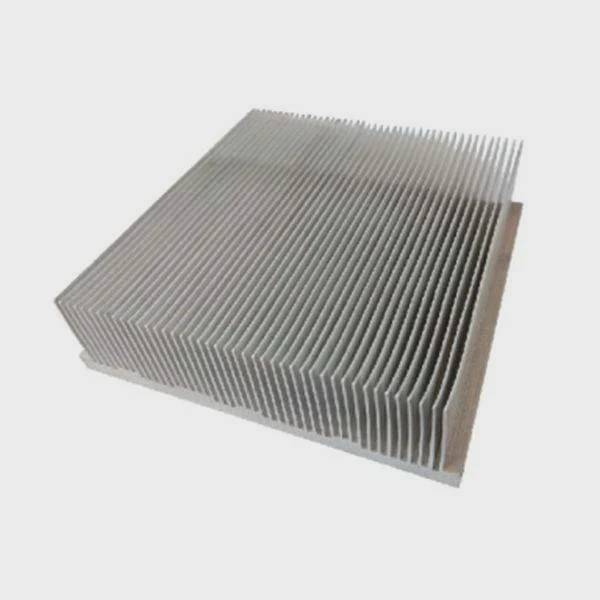
Surface treatments are common in heat sink manufacturing. Aluminum heat sinks often receive anodizing, while copper components may use nickel plating or other protective finishes.
Why Coatings Matter
A coating serves several purposes:
- Corrosion protection
- Oxidation resistance
- Improved appearance
- Electrical insulation
- Increased environmental durability
Without proper protection, moisture and contaminants may gradually damage exposed metal surfaces.
Common Heat Sink Coatings
| Coating Type | Main Benefit | Typical Durability |
|---|---|---|
| Anodizing | Corrosion resistance | Excellent |
| Nickel Plating | Oxidation protection | Excellent |
| Powder Coating | Environmental protection | Very Good |
| Chromate Conversion | Corrosion resistance | Good |
| Electrophoretic Coating | Uniform coverage | Very Good |
Environmental Conditions Affect Durability
Coating life depends heavily on the operating environment.
A heat sink inside a clean medical device faces very different conditions from one installed near the ocean. Salt spray, humidity, industrial pollutants, and temperature fluctuations can all accelerate coating degradation.
For this reason, many manufacturers conduct environmental testing before production.
Important Testing Methods
Common reliability tests include:
Salt Spray Testing
This test evaluates corrosion resistance in harsh environments.
Thermal Shock Testing
This test examines coating adhesion under rapid temperature changes.
Humidity Testing
This test verifies long-term moisture resistance.
Adhesion Testing
This test confirms the coating remains bonded to the substrate.
A properly designed coating system can provide reliable protection for many years. In many industrial applications, coating performance remains stable throughout the operational life of the equipment.
The key factor is not simply choosing a coating. The preparation process, coating thickness, curing procedure, and quality control standards all influence long-term durability.
How to Prevent Corrosion or Oxidation?
Corrosion is one of the most common threats to long-term heat sink stability. Even materials with excellent thermal performance can experience problems if environmental protection is inadequate.
Corrosion and oxidation can be minimized through proper material selection, protective coatings, environmental control, and careful system design.
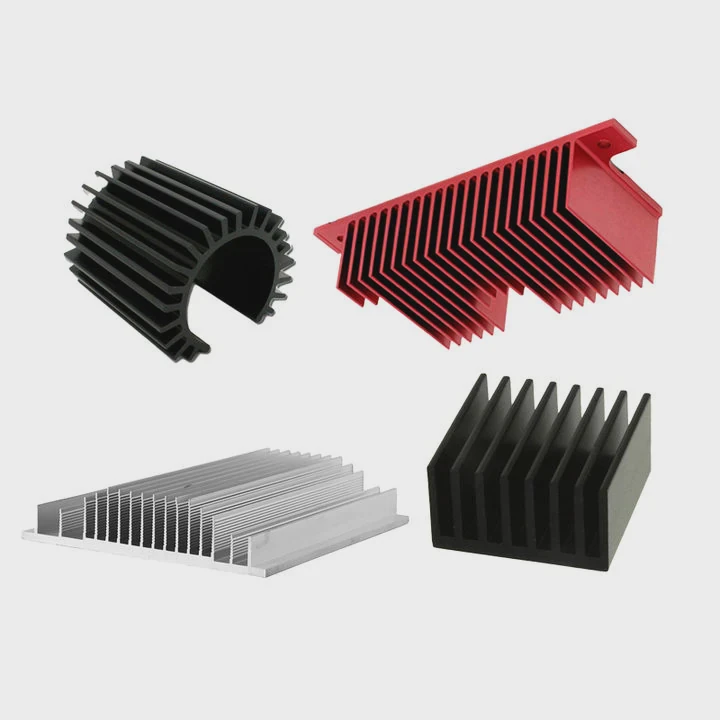
Corrosion is a natural process. Metals react with oxygen, moisture, and contaminants over time. While some oxidation layers are protective, excessive corrosion can affect both appearance and performance.
Understanding Oxidation
Aluminum naturally forms a thin oxide layer. This layer actually helps protect the material from further corrosion.
Copper behaves differently. Copper oxide develops over time and may continue growing under certain conditions. This can affect surface appearance and contact resistance.
Key Prevention Strategies
Select the Right Material
Different environments require different materials.
For example:
- Aluminum works well in most industrial applications.
- Copper provides excellent conductivity but may require additional protection.
- Composite solutions may combine both materials.
Use Protective Surface Treatments
Anodizing and plating create protective barriers between the metal and the environment.
These treatments help prevent moisture and contaminants from reaching the base material.
Avoid Galvanic Corrosion
Galvanic corrosion occurs when dissimilar metals contact each other in the presence of an electrolyte.
A common example is aluminum connected directly to certain steel components in humid environments.
Engineers can reduce this risk by:
- Using insulating materials
- Applying protective coatings
- Selecting compatible materials
Improve Environmental Protection
The operating environment strongly affects corrosion rates.
Important factors include:
- Humidity
- Salt exposure
- Chemical contamination
- Industrial pollutants
Sealed enclosures and proper ventilation can significantly improve long-term reliability.
Regular Inspection Helps
Many industrial systems operate continuously for years. Periodic inspection allows maintenance teams to identify early signs of corrosion before serious damage develops.
In large transportation, energy storage, and communication systems, preventive maintenance often extends equipment life significantly.
Corrosion prevention should be considered from the beginning of the design process. Material selection, surface treatment, assembly methods, and environmental conditions all work together to determine long-term stability.
Can Repeated Thermal Cycling Affect Stability?
Many electronic systems do not operate at a constant temperature. They repeatedly heat up and cool down throughout their service life. This process is known as thermal cycling.
Repeated thermal cycling can affect material stability over time by creating mechanical stress, fatigue, and expansion mismatch. Proper design greatly reduces these risks.
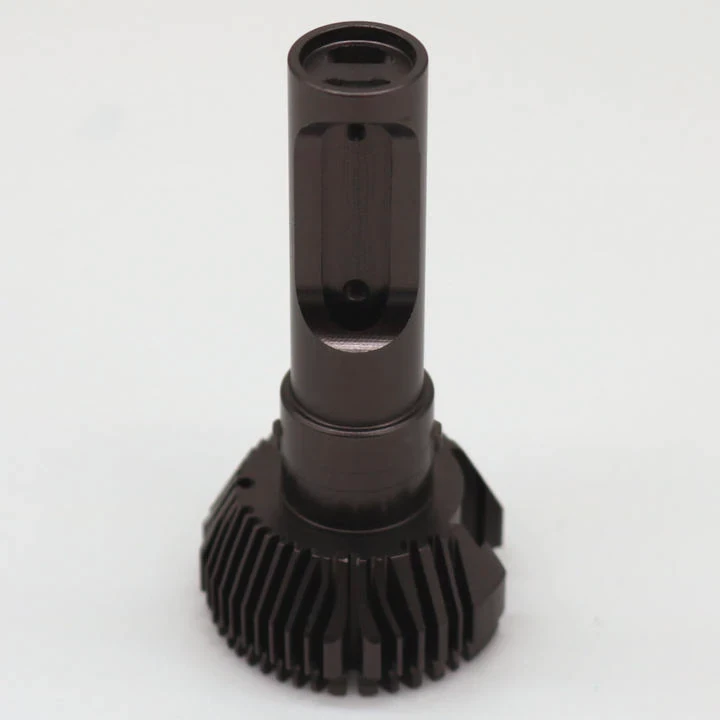
Thermal cycling is one of the most important reliability challenges in modern electronics. Every power-on and power-off cycle creates temperature changes inside the thermal management system.
Why Thermal Cycling Creates Stress
All materials expand when heated and contract when cooled.
The problem arises because different materials expand at different rates.
For example:
- Aluminum expands differently than copper.
- Metals expand differently than ceramics.
- Heat sinks expand differently than semiconductor packages.
These differences create mechanical stress at interfaces.
Long-Term Effects
After thousands or even millions of cycles, several issues may appear:
Joint Fatigue
Welded, brazed, or bonded connections may experience fatigue over time.
Interface Degradation
Thermal interface materials can gradually deteriorate.
Fastener Loosening
Mechanical connections may loosen due to repeated expansion and contraction.
Microcrack Formation
In extreme cases, microscopic cracks may develop.
Design Approaches That Improve Stability
Engineers use several methods to reduce thermal cycling risks.
Material Matching
Selecting materials with similar coefficients of thermal expansion helps reduce stress.
Flexible Interface Design
Thermal interface materials can absorb small movements between components.
Advanced Joining Technologies
Processes such as vacuum brazing and friction stir welding often provide stronger long-term performance than traditional assembly methods.
Reliability Testing
Manufacturers frequently perform accelerated life testing to evaluate thermal cycling resistance.
A typical test may involve thousands of cycles between low and high temperatures.
Real-World Example
In rail transportation, renewable energy systems, and communication infrastructure, thermal management systems may experience daily temperature fluctuations for more than a decade.
Well-designed heat sinks often pass extensive thermal cycling tests before deployment. Engineers evaluate not only thermal performance but also structural integrity after repeated cycling.
The goal is not simply to survive a few cycles. The goal is to maintain consistent performance across the entire operational lifespan.
When thermal cycling is considered during the design stage, the resulting system can remain highly stable even in demanding environments.
Conclusion
Heat sink material properties are generally very stable when materials, coatings, manufacturing processes, and thermal designs are properly selected. High temperatures, corrosion, oxidation, and thermal cycling can influence long-term performance, but careful engineering and quality control greatly reduce these risks and help ensure reliable operation for many years.