Do Installation Tips Affect Heat Sink Lifespan?
- Yongxing
- 29 Jun ,2026
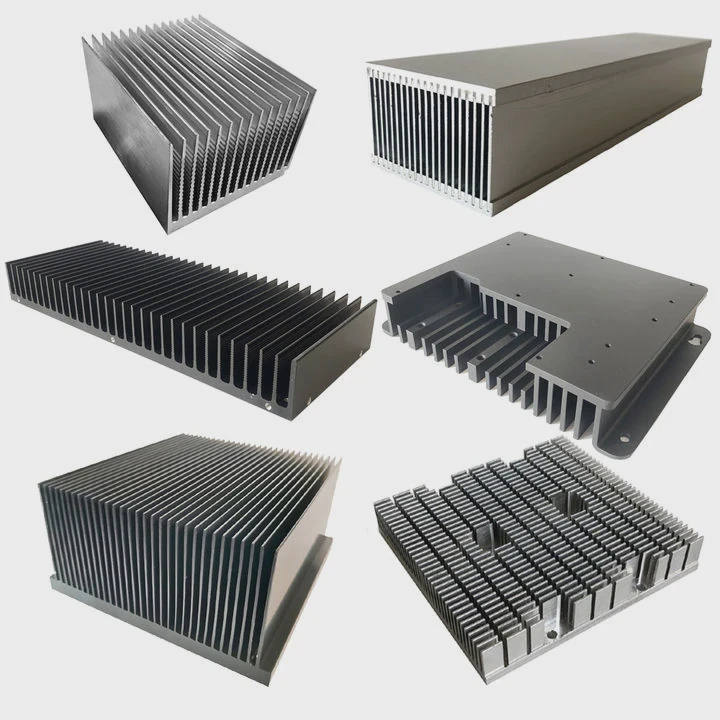
Many heat sinks fail earlier than expected. In many cases, the problem is not the material or design. The issue starts during installation and grows over time.
Yes, installation practices directly affect heat sink lifespan. Proper mounting pressure, suitable thermal interface materials, correct orientation, and good maintenance habits help maintain thermal performance and reduce long-term mechanical stress.
Many engineers focus on heat sink design, thermal resistance, and material selection. Those factors matter. Still, installation details often decide whether a cooling solution performs well for years or begins losing efficiency after only a short period of operation.
Can Mounting Pressure Impact Performance?
Poor mounting pressure creates a hidden problem. A heat sink may look properly installed, yet uneven force can reduce heat transfer and increase operating temperatures.
Mounting pressure has a major impact on heat sink performance. Correct pressure improves contact between the heat source and heat sink, lowers thermal resistance, and helps maintain stable cooling over time.
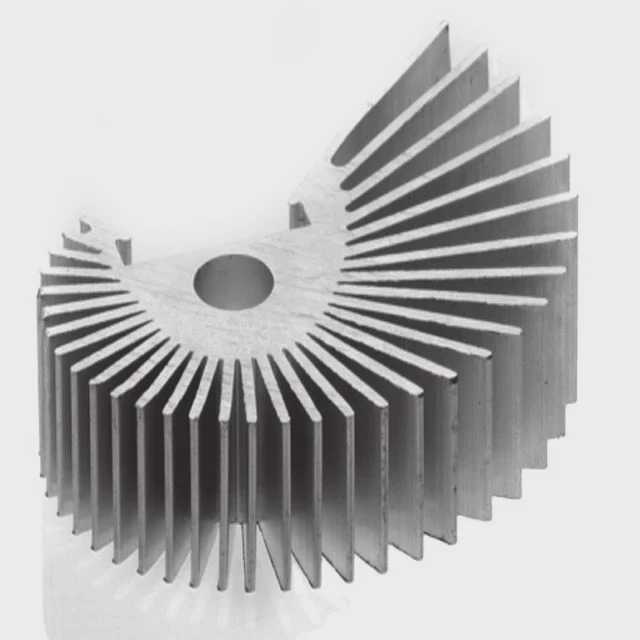
Heat moves from a semiconductor device into a heat sink through the contact surface between them. This contact area may appear flat to the naked eye. In reality, every metal surface contains tiny peaks and valleys. Proper mounting pressure reduces these gaps and increases real contact area.
Why Pressure Matters
When pressure is too low, several issues appear:
- Air gaps remain between surfaces
- Thermal resistance increases
- Device temperature rises
- Thermal cycling becomes more severe
When pressure is too high, another set of problems can occur:
- PCB deformation
- Semiconductor package damage
- Fastener fatigue
- Long-term mechanical stress
The goal is not maximum pressure. The goal is uniform pressure.
Typical Effects of Different Pressure Levels
| Pressure Condition | Thermal Performance | Mechanical Risk |
|---|---|---|
| Too Low | Poor heat transfer | Low |
| Optimal | Best heat transfer | Low |
| Too High | Small thermal gain | High |
| Uneven | Unstable performance | Medium to High |
Long-Term Reliability Considerations
A heat sink often experiences thousands of thermal cycles during its service life. As equipment heats and cools, materials expand and contract. Uneven mounting force creates stress concentrations in certain areas.
Over time, this can lead to:
- Screw loosening
- Interface degradation
- Package warping
- Reduced thermal efficiency
Many reliability failures start with a small installation error that remains unnoticed for years.
Best Practices for Mounting
A controlled fastening process helps maintain performance. Cross-pattern tightening methods distribute force more evenly. Torque-controlled tools also reduce installation variation between operators.
For large custom heat sinks, especially those used in rail transit, energy storage systems, and power electronics, mounting pressure becomes even more important because larger contact surfaces require better force distribution.
A well-designed mounting system should provide stable pressure throughout the product’s life. Springs, compliant fasteners, and properly selected hardware help compensate for thermal expansion and material movement.
Are Thermal Pastes Recommended?
Many people assume metal-to-metal contact is enough. In reality, even a perfectly machined surface contains microscopic gaps that reduce thermal transfer.
Thermal paste is generally recommended because it fills microscopic surface gaps, reduces thermal resistance, and improves heat transfer between the heat source and heat sink.
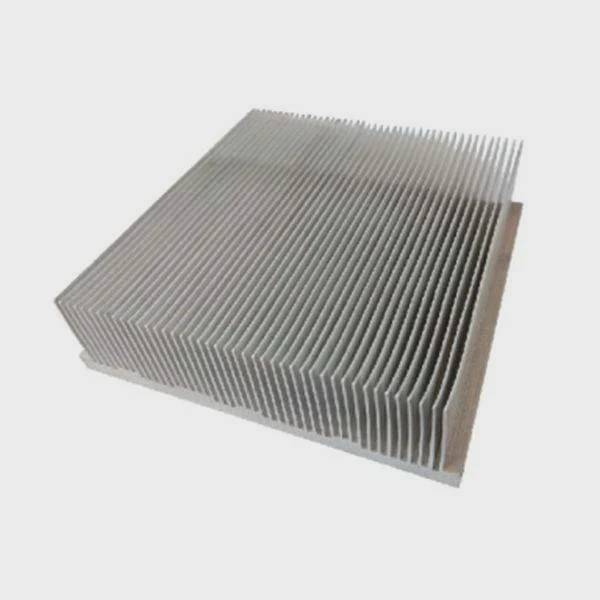
Thermal paste serves as a thermal interface material, often called TIM. Its purpose is simple. It replaces air pockets with a material that conducts heat much better than air.
Why Air Is a Problem
Air has very poor thermal conductivity. Even tiny air gaps can significantly reduce cooling efficiency.
A thermal paste layer helps:
- Improve heat transfer
- Lower junction temperature
- Increase thermal stability
- Reduce temperature fluctuations
Common Thermal Interface Options
| Interface Material | Performance | Longevity | Cost |
|---|---|---|---|
| Thermal Paste | High | Medium | Low |
| Thermal Pad | Medium | High | Medium |
| Phase Change Material | High | High | Medium |
| Graphite Sheet | Medium to High | High | Medium to High |
Choosing the Right Paste
Not every application requires the same thermal interface material.
Several factors affect selection:
Operating Temperature
High-temperature environments may require specialized formulations that resist drying and pumping effects.
Vibration Conditions
Equipment used in transportation systems often experiences vibration. Some pastes maintain stability better under these conditions.
Maintenance Access
If a system is difficult to service, a longer-lasting interface material may provide better value than a standard thermal compound.
Common Installation Mistakes
Excessive paste application is one of the most common errors. More paste does not mean better cooling.
Too much paste can:
- Increase interface thickness
- Trap contaminants
- Create uneven pressure zones
Too little paste creates uncovered regions that reduce thermal transfer.
The best result usually comes from a thin, uniform layer that fills microscopic imperfections without creating unnecessary thickness.
Aging and Lifespan
Thermal pastes age over time. Repeated heating cycles may cause drying, migration, or separation of ingredients. This process depends on operating temperature, material quality, and environmental conditions.
For mission-critical applications, periodic inspection and thermal monitoring help identify interface degradation before it affects system reliability.
A properly selected thermal interface material can contribute significantly to extending heat sink lifespan by reducing thermal stress throughout the entire cooling system.
How Does Orientation Affect Cooling Efficiency?
Many users install heat sinks wherever space is available. Yet orientation can strongly influence airflow behavior and overall cooling effectiveness.
Heat sink orientation affects cooling efficiency because airflow patterns and natural convection depend on fin direction. Proper orientation can improve heat dissipation and reduce operating temperatures.
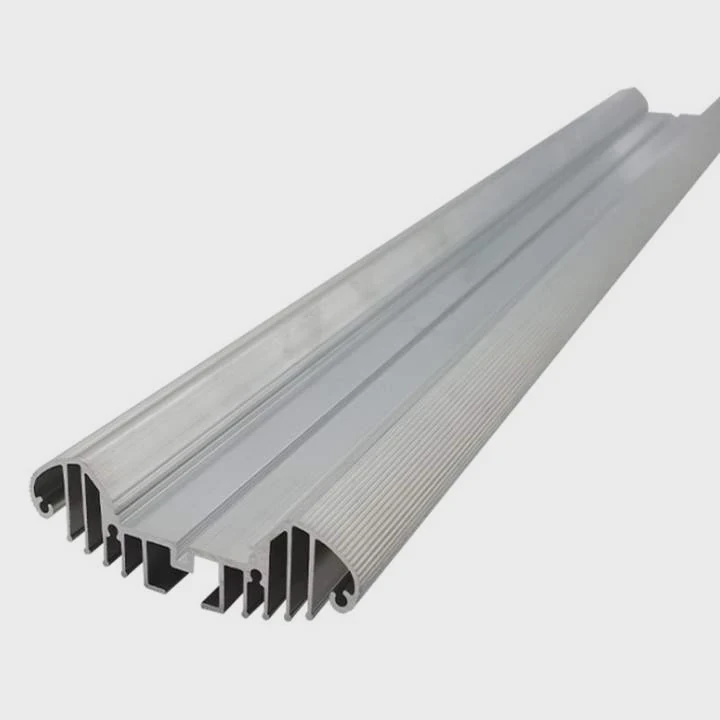
Orientation matters most in passive cooling systems where natural convection drives airflow.
As air heats up, it becomes less dense and rises naturally. A heat sink should support this movement whenever possible.
Natural Convection Basics
When fins are aligned vertically, warm air can move upward through channels more easily.
This creates:
- Better airflow
- Higher heat transfer rates
- Lower surface temperatures
Horizontal fin arrangements may trap warm air and reduce convection efficiency.
Typical Orientation Effects
| Orientation | Natural Convection Efficiency |
|---|---|
| Vertical Fins | Excellent |
| Slightly Angled | Good |
| Horizontal Fins | Moderate |
| Obstructed Air Path | Poor |
Passive Cooling Systems
In passive cooling designs, orientation can create temperature differences of several degrees Celsius.
For high-power electronics, even a small temperature reduction can improve reliability.
Benefits include:
- Lower thermal cycling stress
- Reduced component aging
- Improved system stability
Forced-Air Systems
The impact changes when fans are used.
In forced-air systems, airflow direction becomes more important than gravity-driven convection.
Engineers should consider:
Air Entry Location
Cool air should reach the hottest components first whenever possible.
Air Exit Path
Hot air must leave the enclosure efficiently.
Obstructions
Cables, structural supports, and nearby components may disrupt airflow patterns.
Real-World Installation Challenges
Many projects involve space limitations. Orientation is often a compromise between thermal performance, structural requirements, and manufacturing constraints.
When ideal orientation is impossible, designers may compensate through:
- Larger fin area
- Additional airflow
- Vapor chamber integration
- Liquid cooling assistance
Thermal simulation often helps evaluate these trade-offs before production.
The key point is simple. Orientation does not change the heat sink itself, but it changes how effectively the surrounding air removes heat. That difference directly influences operating temperature and long-term lifespan.
Which Practices Minimize Wear Over Time?
Many cooling systems begin with excellent performance. Years later, thermal efficiency declines because small maintenance issues accumulate.
The best way to minimize wear is to control temperature, maintain clean airflow paths, use proper installation methods, and prevent excessive mechanical stress throughout the system’s operating life.
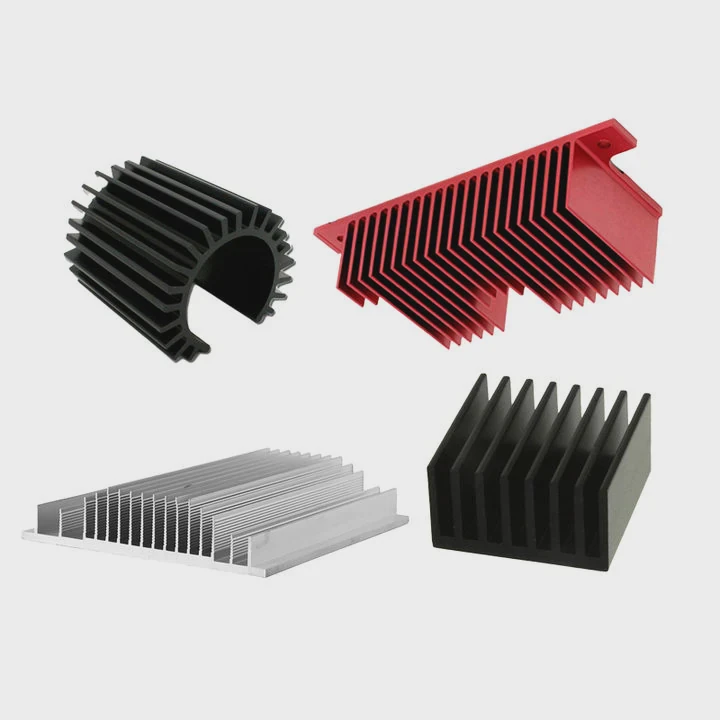
Heat sinks rarely fail suddenly. Most degradation occurs slowly.
Understanding the main causes of wear helps prevent premature performance loss.
Thermal Cycling Control
Repeated expansion and contraction create fatigue in both mechanical and thermal interfaces.
Lower operating temperatures generally reduce:
- Material stress
- Joint fatigue
- Interface degradation
- Fastener loosening
A cooling system that consistently runs cooler often lasts longer.
Dust Management
Dust is one of the most overlooked reliability threats.
Dust accumulation can:
- Block airflow
- Insulate fin surfaces
- Increase fan workload
- Raise operating temperatures
Regular cleaning schedules help preserve original cooling performance.
Corrosion Prevention
Environmental conditions strongly affect heat sink durability.
High humidity environments may increase corrosion risk.
Protective measures include:
- Surface treatments
- Anodized aluminum
- Protective coatings
- Controlled operating environments
Mechanical Protection
Physical damage often occurs during servicing or transportation.
Common examples include:
- Bent fins
- Loose fasteners
- Impact damage
- Connector strain
Routine inspections help identify these issues before they become serious.
Recommended Long-Term Maintenance Practices
| Practice | Benefit |
|---|---|
| Clean fins regularly | Maintains airflow |
| Check fastener torque | Preserves contact pressure |
| Monitor temperatures | Detects degradation early |
| Inspect thermal interface | Maintains heat transfer |
| Remove dust buildup | Improves efficiency |
| Prevent corrosion exposure | Extends service life |
Monitoring Performance Trends
Temperature monitoring provides valuable information about system health.
A gradual increase in operating temperature may indicate:
- Dust accumulation
- Thermal paste aging
- Fan degradation
- Reduced airflow
Tracking trends allows maintenance teams to act before failures occur.
Designing for Longevity
Long-lasting thermal systems often share several characteristics:
Conservative Thermal Design
Extra cooling capacity reduces stress during peak loads.
Quality Manufacturing
Consistent machining and assembly improve reliability.
Reliable Thermal Interfaces
Stable thermal materials maintain performance over time.
Proper Installation Procedures
Correct installation creates a strong foundation for long-term operation.
The combination of these practices reduces wear across the entire thermal management system. Instead of treating maintenance as an afterthought, successful organizations make thermal reliability part of the original design strategy.
Conclusion
Installation details have a direct impact on heat sink lifespan. Proper mounting pressure, suitable thermal interface materials, effective orientation, and regular maintenance work together to maintain cooling efficiency, reduce thermal stress, and support long-term reliability.