Are Heat Sinks Easily Damaged During Transport?
- Yongxing
- 29 Jun ,2026
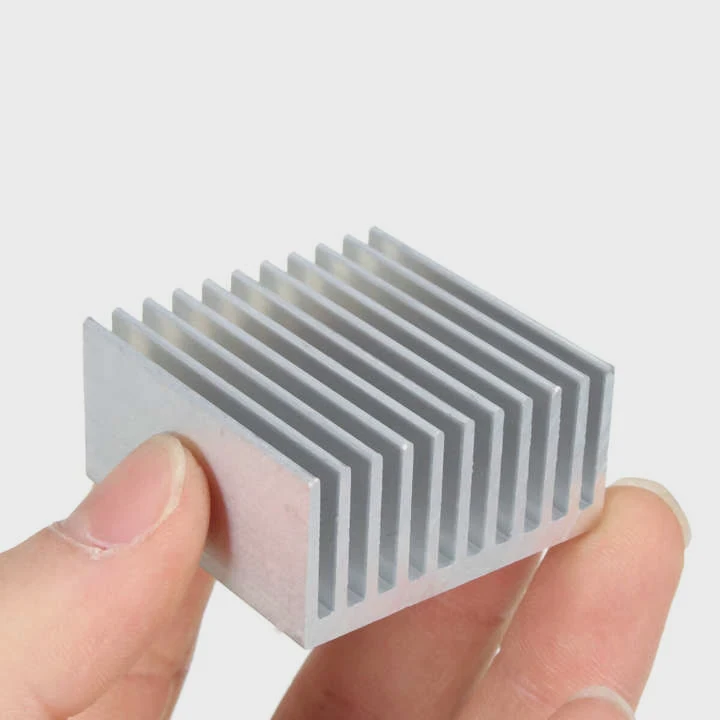
A heat sink may leave the factory in perfect condition but arrive with bent fins, scratches, or hidden damage. That risk worries many buyers.
Yes, heat sinks can be damaged during transport, especially finned aluminum and copper designs. Proper packaging, shock protection, handling methods, and transport planning greatly reduce the risk and help products arrive safely.
Many buyers focus on thermal performance and production quality. Yet transport protection is just as important. A well-made heat sink can lose value if it reaches the customer in poor condition. Understanding common transport risks helps prevent costly delays, replacements, and project interruptions.
How to Prevent Fin Bending or Scratches?
A single bent fin may seem minor. Still, repeated damage across a shipment can create quality concerns and extra inspection work.
Fin bending and surface scratches can be prevented through protective packaging, fin spacing optimization, custom trays, corner protection, and careful handling throughout the logistics process.
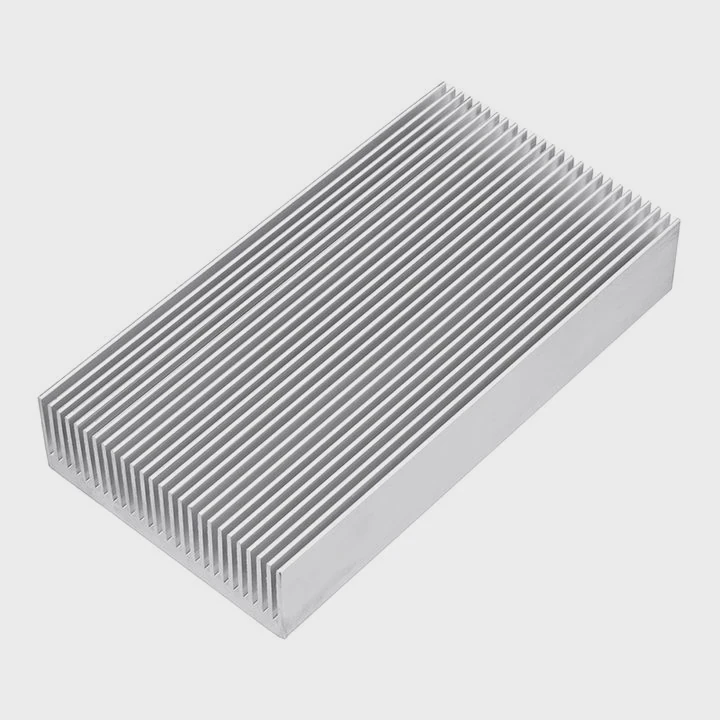
Heat sink fins are often the most vulnerable part of the product. Thin aluminum fins provide excellent heat dissipation, but they can deform when exposed to pressure during loading, stacking, or vibration in transit.
Why Fin Damage Happens
Several factors can cause fin damage:
- Excessive stacking pressure
- Poor carton strength
- Product movement inside packaging
- Rough handling during loading
- Long-distance vibration
Many customers first notice damage when unpacking. In some cases, the damage is cosmetic. In other cases, bent fins can affect airflow and thermal performance.
Packaging Methods That Reduce Damage
The best approach starts with preventing direct contact between heat sinks.
Common solutions include:
| Protection Method | Main Purpose | Benefit |
|---|---|---|
| Custom foam inserts | Hold product position | Reduces movement |
| Plastic trays | Separate individual units | Prevents fin contact |
| Bubble wrapping | Surface protection | Reduces scratches |
| Corner protectors | Protect edges | Prevents impact damage |
| Double-wall cartons | Increase strength | Better stacking resistance |
When working on large industrial heat sinks, custom packaging often provides the best results. The packaging is designed around the product instead of forcing the product into a standard box.
Product Design Can Also Help
Transport protection does not begin at the warehouse. It often starts during design.
Engineers can reduce transport risk by:
- Increasing fin thickness
- Adjusting fin spacing
- Adding structural support ribs
- Using reinforced mounting areas
These changes improve durability without significantly reducing thermal performance.
Inspection Before Shipment
A simple inspection process can prevent many problems.
The process may include:
- Visual inspection
- Packaging verification
- Carton compression checks
- Drop-test sampling
- Shipment photography
Shipment photos are especially useful. They create a clear record of product condition before dispatch.
In many projects, buyers ask for packaging photos before final shipment. This extra step improves confidence and reduces disputes later. From experience, customers appreciate seeing how products are protected before they begin a long international journey. A few minutes spent on packaging verification can save weeks of replacement discussions after delivery.
Do Packaging Materials Affect Safety?
Many companies focus on the box itself. Yet the material inside the box often determines whether a heat sink arrives safely.
Yes, packaging materials have a major impact on transport safety. The right materials absorb shock, reduce vibration, prevent scratches, and protect heat sinks from environmental conditions during shipping.
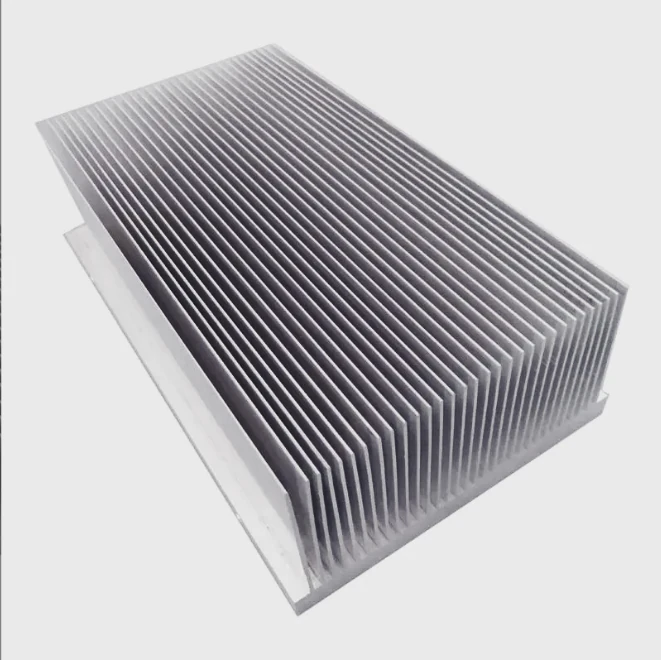
Not all packaging materials provide the same level of protection. A strong carton alone cannot stop damage if the product moves freely inside.
The Role of Internal Packaging
Internal packaging performs several important functions:
- Shock absorption
- Vibration reduction
- Surface protection
- Moisture resistance
- Position control
Each function becomes more important as shipping distance increases.
For example, a domestic shipment may experience limited handling. An international shipment can pass through multiple warehouses, ports, customs facilities, and trucks.
Common Packaging Materials
Several materials are widely used for heat sink transportation.
Foam Inserts
Foam provides excellent cushioning.
Advantages:
- High shock absorption
- Lightweight
- Customizable shapes
Limitations:
- Higher cost for custom designs
EPE Foam
Expanded polyethylene foam is common in industrial packaging.
Advantages:
- Flexible
- Durable
- Moisture resistant
Limitations:
- Lower rigidity than molded solutions
Blister Trays
Blister trays hold products in fixed positions.
Advantages:
- Prevent product contact
- Good for high-volume production
Limitations:
- Tooling cost
Corrugated Dividers
Dividers separate multiple units.
Advantages:
- Cost-effective
- Easy to recycle
Limitations:
- Limited shock absorption
Environmental Protection Matters Too
Heat sinks often travel across different climates.
Possible risks include:
- High humidity
- Salt air exposure
- Condensation
- Temperature fluctuations
Protective bags and anti-corrosion materials help reduce these risks.
Copper heat sinks deserve special attention because copper surfaces can oxidize during long transport periods.
Choosing the Right Material
The ideal packaging depends on several factors:
Product Weight
Heavy products need stronger cushioning.
Product Geometry
Complex fin structures need more support.
Shipping Method
Air freight and sea freight create different risks.
Customer Requirements
Some industries require specific packaging standards.
Medical, railway, aerospace, and defense projects often have strict transport requirements. In those cases, packaging becomes part of the overall quality control process rather than a simple shipping task.
A packaging system should be viewed as an extension of the product itself. When packaging is selected carefully, transport damage rates can drop significantly even during long international shipments.
Are Shock-Resistant Designs Available?
Transport damage does not always come from packaging problems. Sometimes the product design itself can improve resistance to shocks and vibration.
Yes, shock-resistant heat sink designs are available. Engineers can strengthen structures, reinforce mounting areas, optimize fin geometry, and improve overall durability for demanding transport conditions.
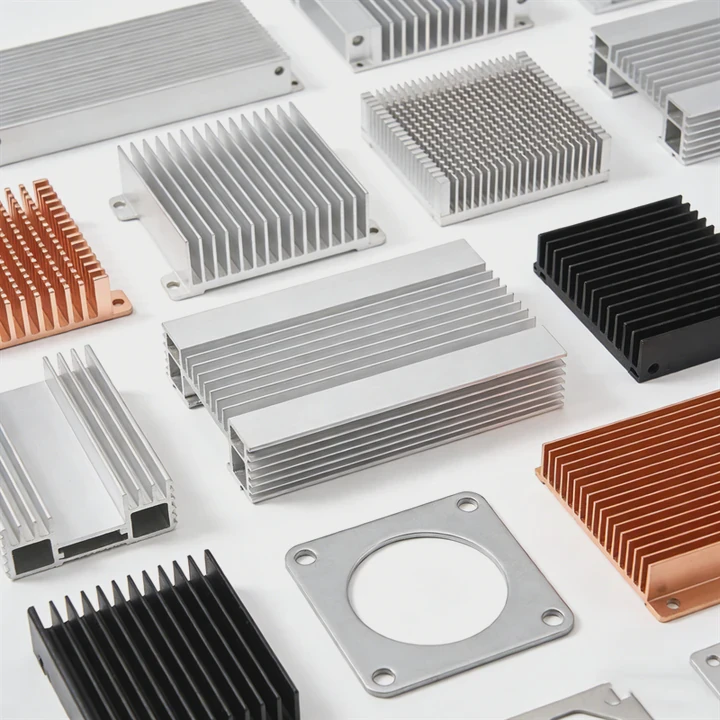
Many industries operate in harsh environments. Railway systems, energy storage equipment, industrial machinery, and military applications often require heat sinks that can withstand both transport shocks and operational vibration.
What Makes a Heat Sink Shock Resistant?
A shock-resistant design focuses on structural strength.
Important factors include:
- Material selection
- Fin design
- Base thickness
- Joint strength
- Mounting configuration
A strong thermal design is not always a strong mechanical design. Both must work together.
Structural Improvements
Engineers often make several modifications.
Thicker Base Plates
A thicker base increases rigidity.
Benefits include:
- Better impact resistance
- Reduced deformation
- Improved mounting stability
Reinforced Fins
Very thin fins maximize surface area but may bend easily.
A balanced design often performs better overall.
Integrated Construction
One-piece designs eliminate weak joints.
Benefits include:
- Higher reliability
- Better durability
- Fewer failure points
Manufacturing Methods That Improve Strength
Different manufacturing processes create different mechanical properties.
| Manufacturing Method | Structural Strength | Typical Application |
|---|---|---|
| Aluminum extrusion | High | Industrial heat sinks |
| Skived fin | Medium | Electronics cooling |
| Vacuum brazing | High | High-power systems |
| Friction stir welding | Very high | Liquid cooling solutions |
| Laser welding | High | Precision assemblies |
The manufacturing process can significantly influence transport durability.
Testing for Transport Reliability
Many customers request reliability testing before production approval.
Common tests include:
- Vibration testing
- Drop testing
- Mechanical shock testing
- Thermal cycling
- Environmental testing
These tests help identify weak points before products enter mass production.
Industry Examples
Railway applications often require compliance with strict vibration standards.
Energy storage systems may face:
- Long transport routes
- Heavy equipment movement
- Repeated loading cycles
Medical equipment manufacturers also prefer mechanically stable cooling solutions because appearance and reliability both matter.
In several projects, customers initially focused only on thermal performance. After discussing transport conditions, they recognized that durability was equally important. A slightly stronger design often reduces damage rates, warranty claims, and replacement costs. The additional engineering effort can provide value throughout the entire product life cycle.
Can Transport Insurance Reduce Risk?
Even with excellent packaging and robust design, transport risks never disappear completely.
Transport insurance reduces financial exposure when shipments are lost, damaged, or delayed. While it cannot prevent damage, it helps protect buyers and suppliers from unexpected costs.
Every shipment involves some level of uncertainty. Weather conditions, handling errors, accidents, and logistics disruptions can occur at any stage.
What Transport Insurance Covers
Coverage depends on the policy.
Common protection areas include:
- Physical damage
- Cargo loss
- Theft
- Water damage
- Handling accidents
Some policies also cover partial losses.
Why Insurance Matters for Heat Sinks
Heat sinks may represent:
- High material value
- Long manufacturing lead times
- Custom engineering investment
- Project-critical components
A damaged shipment can affect production schedules and customer commitments.
The financial impact often extends beyond the product cost itself.
Insurance Versus Prevention
Insurance should not replace proper protection.
The strongest strategy combines:
- Product durability
- Strong packaging
- Quality inspections
- Reliable logistics partners
- Insurance coverage
Each layer reduces overall risk.
Documentation Is Essential
Insurance claims typically require evidence.
Important records include:
- Commercial invoices
- Packing lists
- Shipment photos
- Inspection reports
- Delivery records
Without documentation, claims can become difficult.
Understanding Responsibility
Responsibility may depend on shipping terms.
For example:
- EXW places more responsibility on the buyer.
- FOB shifts responsibility after loading.
- CIF includes insurance arrangements during transport.
Buyers and suppliers should clearly understand these terms before shipment.
Insurance for International Projects
International shipments often justify insurance because they involve:
- Longer transit times
- Multiple transfer points
- Customs procedures
- Higher uncertainty
Large custom heat sink projects may represent months of engineering and production work. In such cases, insurance becomes a practical risk-management tool.
Insurance cannot eliminate delays or repair damaged products. Yet it provides financial protection when unexpected events occur. Many experienced procurement teams view insurance as part of a complete supply chain strategy. Combined with strong packaging and shock-resistant design, it creates a more secure path from factory to final destination.
Conclusion
Heat sinks can be damaged during transport, but the risk is manageable. Strong packaging, suitable materials, shock-resistant designs, careful inspections, and transport insurance work together to protect valuable thermal solutions throughout the shipping process.