Are Heat Sinks Corrosion-Resistant?
- Yongxing
- 30 Jun ,2026
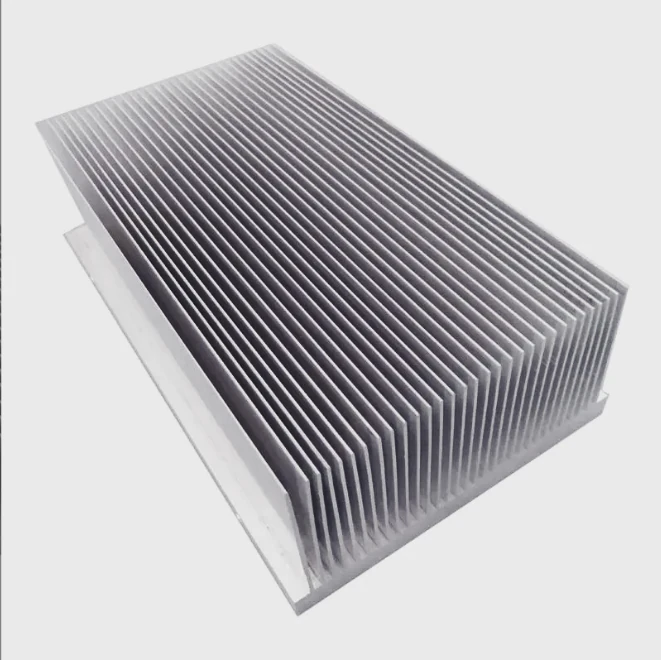
Corrosion can quietly reduce heat sink performance. Many engineers focus on thermal design but overlook how oxidation and surface damage affect long-term reliability.
Most heat sinks offer some level of corrosion resistance, but the actual performance depends on the material, coating, environment, and maintenance conditions. Aluminum naturally forms a protective oxide layer, while coatings and proper alloy selection can greatly improve long-term durability.
Heat sinks operate in many demanding environments. Some work inside clean electronic devices. Others face humidity, salt spray, chemicals, and outdoor exposure. Because of this, corrosion resistance is not a simple yes-or-no question. The answer depends on how the heat sink is designed, manufactured, and used.
Which Coatings Prevent Oxidation?
Surface oxidation often begins long before visible damage appears. Many companies discover corrosion problems only after equipment performance starts to decline.
Several coatings help prevent oxidation on heat sinks. Common choices include anodizing, powder coating, electrophoretic coating, nickel plating, and chemical conversion coatings. Each option provides different levels of protection, appearance, and cost.
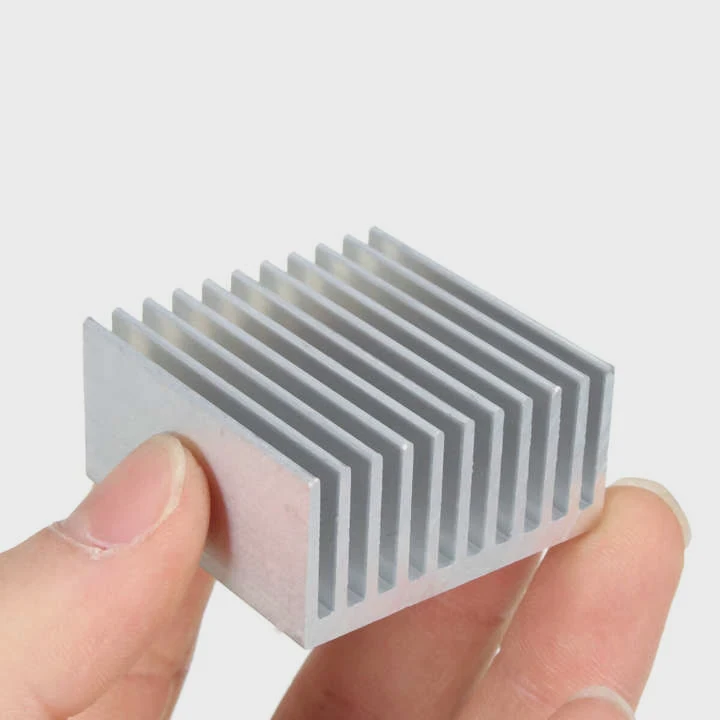
Surface treatment is one of the most important factors in corrosion protection. Many buyers focus only on the base material. However, the coating often determines how well a heat sink survives in harsh environments.
Why Oxidation Occurs
Oxidation happens when metal reacts with oxygen and moisture. This reaction forms a surface layer that can either protect the material or slowly damage it.
Aluminum naturally creates a thin oxide layer. This layer protects the metal underneath from further attack. Copper behaves differently. It forms darker oxides and may eventually develop a green surface patina under certain environmental conditions.
The speed of oxidation depends on temperature, humidity, airborne contaminants, and material quality.
Common Heat Sink Coatings
| Coating Type | Corrosion Protection | Appearance | Typical Applications |
|---|---|---|---|
| Anodizing | High | Matte finish | Aluminum heat sinks |
| Powder Coating | High | Various colors | Outdoor equipment |
| Nickel Plating | High | Metallic finish | Copper heat sinks |
| Chromate Conversion | Medium | Thin protective layer | Industrial products |
| Electrophoretic Coating | High | Uniform finish | Electronic systems |
Anodizing Remains the Industry Standard
Anodizing is one of the most widely used treatments for aluminum heat sinks. The process thickens the natural oxide layer and creates a hard protective surface.
Unlike paint, anodizing becomes part of the aluminum itself. This makes the coating highly resistant to peeling and cracking.
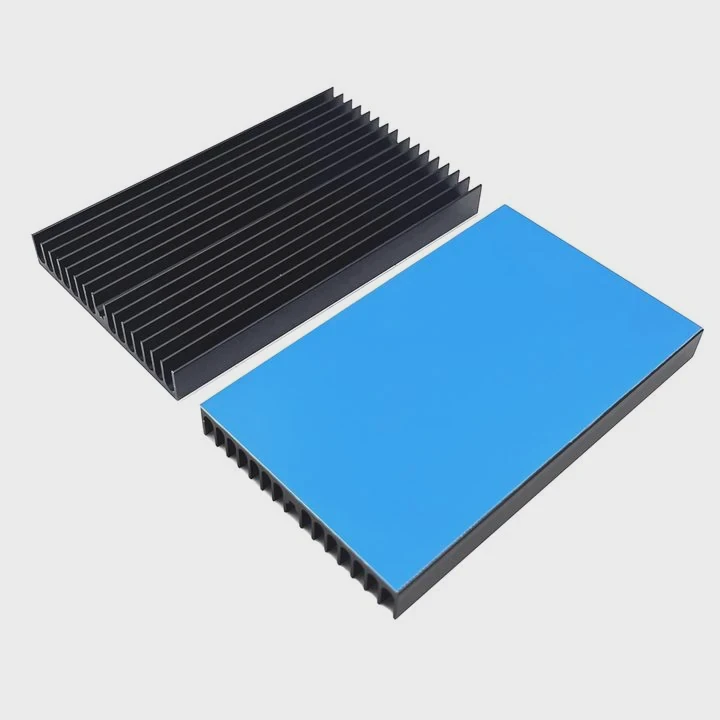
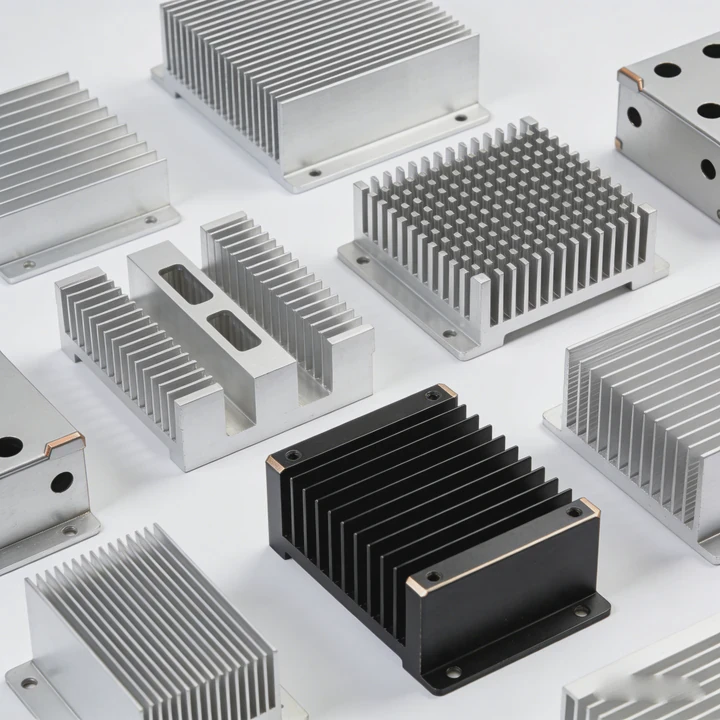
Black anodized heat sinks are especially common in electronics and industrial equipment. Besides corrosion protection, the darker surface can improve thermal radiation performance in some applications.
Nickel Plating for Copper Components
Copper offers excellent thermal conductivity. However, untreated copper oxidizes relatively quickly.
Nickel plating creates a protective barrier between copper and the environment. The coating also helps maintain a clean appearance over time.
Many high-power electronic assemblies use nickel-plated copper bases because they combine strong thermal performance with improved durability.
Selecting the Right Coating
Different environments require different protection levels.
Indoor electronics may only require anodizing. Outdoor communication systems may need thicker protective coatings. Marine equipment often requires multiple protection measures.
The best coating depends on operating conditions, budget, appearance requirements, and expected service life.
Do Alloy Types Affect Corrosion Resistance?
Some buyers assume all aluminum heat sinks provide the same corrosion resistance. In reality, alloy selection can significantly influence long-term durability.
Yes, alloy composition directly affects corrosion resistance. Different aluminum and copper alloys contain varying amounts of magnesium, silicon, zinc, and copper. These elements influence strength, thermal conductivity, and resistance to environmental attack.
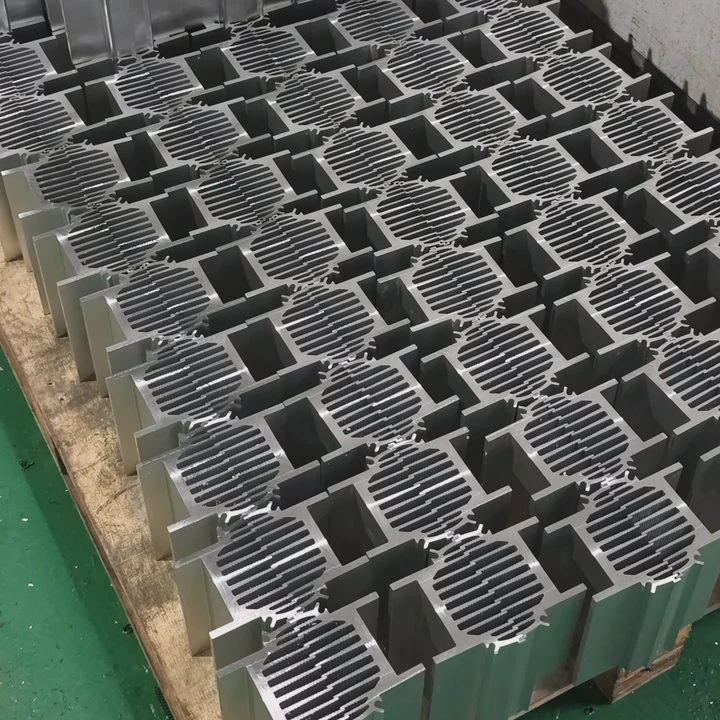
Material selection is often the first step in designing a reliable thermal management system. Engineers must balance thermal performance, mechanical strength, manufacturing cost, and corrosion resistance.
Understanding Aluminum Alloys
Aluminum heat sinks are available in several alloy families.
Common examples include:
- 1050 Aluminum
- 1060 Aluminum
- 6061 Aluminum
- 6063 Aluminum
- 6082 Aluminum
Each alloy has unique characteristics.
For example, 6063 aluminum is widely used for extruded heat sinks because it provides an excellent balance between corrosion resistance, thermal conductivity, and manufacturing efficiency.
The Role of Alloying Elements
The corrosion behavior of an alloy depends heavily on its chemical composition.
Magnesium often improves corrosion resistance. Silicon supports extrusion quality and dimensional stability. Copper can increase strength but may reduce corrosion resistance when present in larger amounts.
Engineers must evaluate these trade-offs during material selection.
Comparison of Common Heat Sink Materials
| Material | Thermal Conductivity | Corrosion Resistance | Relative Cost |
|---|---|---|---|
| 1060 Aluminum | Very High | Good | Low |
| 6063 Aluminum | High | Very Good | Moderate |
| 6061 Aluminum | High | Good | Moderate |
| Pure Copper | Excellent | Moderate | High |
| Nickel-Plated Copper | Excellent | High | Higher |
Galvanic Corrosion Risks
Corrosion is not always caused by a single material.
When two dissimilar metals come into contact in the presence of moisture, galvanic corrosion can occur.
For example, aluminum heat sinks mounted directly with stainless steel hardware may experience accelerated corrosion under humid conditions.
Proper insulation materials, compatible fasteners, and careful design can reduce this risk.
Long-Term Material Strategy
The highest thermal conductivity does not always produce the best long-term result.
A material that performs slightly worse thermally but resists corrosion more effectively may provide lower total ownership costs over many years.
This is especially true in transportation, energy storage, telecommunications, and outdoor infrastructure applications.
Material selection should always consider both thermal and environmental requirements.
Can Environmental Factors Cause Degradation?
Even the best heat sink material can deteriorate when exposed to aggressive operating conditions. Environmental factors often determine actual product lifespan.
Environmental conditions such as humidity, salt spray, industrial pollution, chemicals, temperature cycling, and airborne contaminants can accelerate corrosion and surface degradation. Proper design and protection methods help reduce these effects.
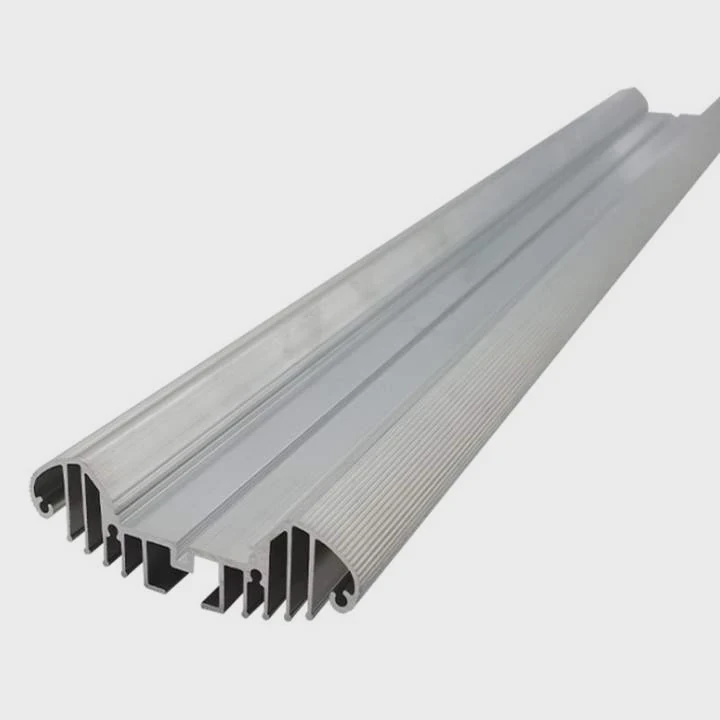
Many corrosion failures occur because the operating environment was underestimated during product development.
Humidity and Condensation
Moisture is one of the most common causes of corrosion.
High humidity creates ideal conditions for electrochemical reactions. When moisture remains on metal surfaces for long periods, corrosion rates increase significantly.
Condensation can be even more damaging because liquid water stays in direct contact with the material.
Equipment installed in tropical climates often faces this challenge.
Salt Spray Exposure
Coastal regions create some of the most demanding corrosion environments.
Salt particles carried by wind settle on exposed surfaces. These deposits attract moisture and accelerate corrosion.
Applications near oceans, harbors, offshore platforms, and coastal communication towers often require enhanced protection systems.
Without adequate coating protection, service life can decrease dramatically.
Industrial Pollutants
Industrial facilities may expose heat sinks to various airborne chemicals.
Examples include:
- Sulfur compounds
- Chlorides
- Acidic gases
- Chemical vapors
- Manufacturing residues
These contaminants can attack protective coatings and accelerate material degradation.
Over time, small coating defects can develop into larger corrosion problems.
Thermal Cycling Effects
Heat sinks frequently experience changing temperatures.
A system may operate at high temperatures during active use and cool down during idle periods.
Repeated expansion and contraction place stress on coatings, joints, and fasteners.
Small cracks may eventually develop. Moisture can enter these areas and initiate corrosion beneath the surface.
Dust and Airborne Particles
Dust affects more than airflow.
Certain contaminants absorb moisture and hold it against the metal surface. This creates localized corrosion zones.
Dust accumulation can also block airflow paths and reduce cooling efficiency.
As operating temperatures increase, thermal stress on the system also rises.
Environmental Risk Categories
Different operating environments present different levels of corrosion risk.
Low-Risk Environments
- Office electronics
- Indoor control cabinets
- Laboratory equipment
- Climate-controlled facilities
Medium-Risk Environments
- Factory automation systems
- Transportation electronics
- Outdoor cabinets with protection
- Commercial energy systems
High-Risk Environments
- Marine equipment
- Offshore platforms
- Chemical plants
- Coastal telecommunications infrastructure
- Heavy industrial facilities
Practical Prevention Measures
Several methods can reduce environmental degradation:
- Select corrosion-resistant alloys.
- Apply protective coatings.
- Use sealed enclosure designs.
- Prevent galvanic corrosion.
- Schedule regular inspections.
- Remove contaminants during maintenance.
A heat sink designed for indoor use may not survive long in a marine environment without additional protection.
Understanding environmental conditions early in the design stage helps prevent costly failures later.
How to Test for Long-Term Durability?
A heat sink may appear flawless when it leaves the factory. The real challenge is maintaining performance after years of operation.
Long-term durability is typically evaluated through accelerated testing methods such as salt spray testing, humidity testing, thermal cycling, vibration testing, and environmental exposure programs. These methods simulate years of real-world service within a shorter period.
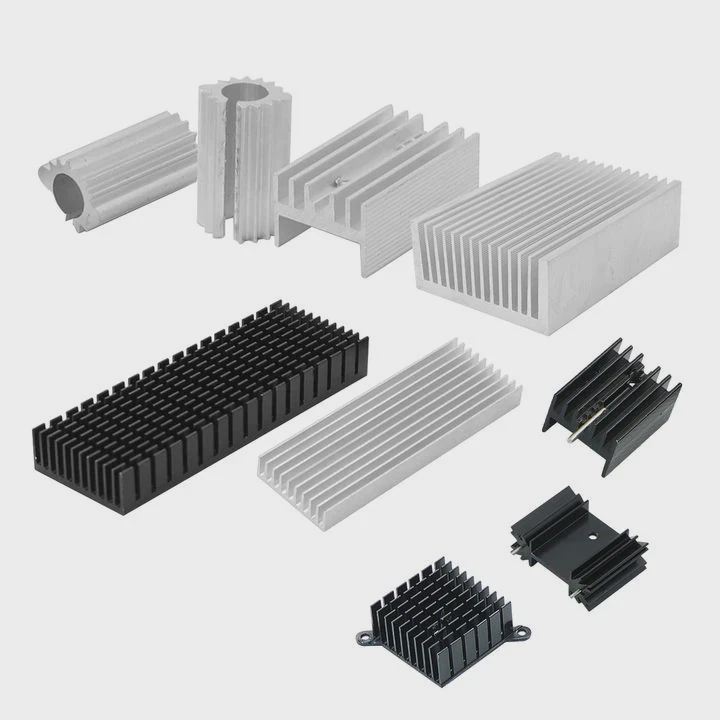
Durability testing provides valuable information before a product enters mass production.
Engineers use these tests to compare materials, coatings, and manufacturing processes.
Salt Spray Testing
Salt spray testing is one of the most recognized corrosion evaluation methods.
During testing, samples are placed inside a chamber that continuously exposes them to a fine salt mist.
Engineers monitor:
- Surface corrosion
- Coating damage
- Pitting formation
- Appearance changes
- Structural degradation
Products designed for coastal and marine applications often undergo extended salt spray testing.
Humidity Testing
Humidity chambers expose heat sinks to elevated temperature and humidity levels.
This testing method helps identify:
- Weak coating areas
- Corrosion initiation points
- Material compatibility issues
- Long-term moisture resistance
The results provide valuable information about expected field performance.
Thermal Cycling Evaluation
Heat sinks rarely operate at one constant temperature.
Thermal cycling repeatedly exposes products to alternating hot and cold conditions.
The process evaluates:
- Coating adhesion
- Material expansion behavior
- Joint integrity
- Structural stability
Many reliability issues become visible only after repeated temperature changes.
Vibration and Mechanical Durability Testing
Transportation and industrial systems experience constant vibration.
Mechanical testing verifies that corrosion protection remains effective after prolonged physical stress.
This testing is especially important for:
- Railway equipment
- Aerospace systems
- Electric vehicles
- Industrial machinery
A coating that performs well in laboratory conditions may fail when vibration is added.
Real-World Exposure Programs
Laboratory testing is valuable. However, many manufacturers also conduct outdoor exposure studies.
Samples may be installed in:
- Coastal regions
- Desert climates
- Tropical environments
- Industrial zones
These studies provide practical data that laboratory simulations cannot always replicate perfectly.
Key Performance Indicators
Engineers typically evaluate several durability metrics.
Visual Inspection
The simplest assessment involves checking for:
- Corrosion spots
- Discoloration
- Surface damage
- Coating defects
Thermal Performance Stability
A heat sink must continue removing heat effectively throughout its service life.
Testing verifies whether corrosion affects thermal resistance over time.
Even minor surface degradation can influence thermal performance in critical applications.
Structural Reliability
Mechanical integrity remains important during the entire product lifecycle.
Engineers inspect:
- Cracks
- Warping
- Joint separation
- Fastener reliability
Long-term durability requires both thermal and structural stability.
Why Durability Testing Matters
Testing cannot predict every possible field condition. However, it significantly reduces uncertainty.
Strong validation programs help manufacturers identify weaknesses before products reach customers.
For mission-critical applications such as rail transportation, renewable energy systems, telecommunications infrastructure, medical devices, aerospace equipment, and high-power electronics, durability testing is often just as important as thermal performance testing.
Conclusion
Heat sinks can provide excellent corrosion resistance when the right materials, coatings, and manufacturing processes are selected. Alloy choice, environmental exposure, and durability validation all influence long-term performance. A properly protected heat sink maintains thermal efficiency, reliability, and structural integrity throughout its service life.