Are Heat Sinks Recognized in Overseas Markets?
- Yongxing
- 01 Jul ,2026
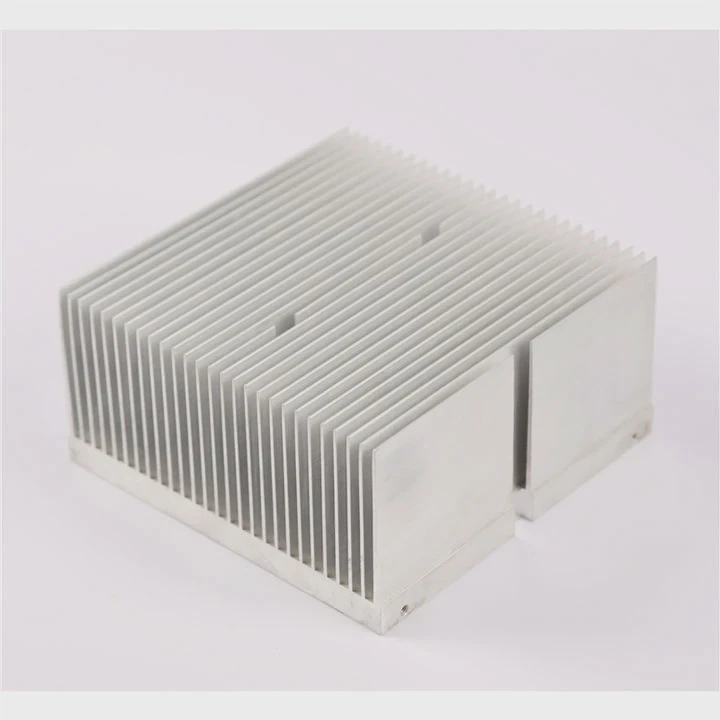
Many manufacturers invest heavily in thermal management products. Yet many still wonder whether overseas buyers truly recognize the value of heat sinks and advanced cooling solutions.
Yes. Heat sinks are widely recognized in overseas markets, especially in industries such as renewable energy, rail transit, telecommunications, electronics, medical devices, and semiconductor equipment. Market recognition often depends on product performance, certifications, manufacturing quality, and compliance with international standards.
As global equipment power levels continue to increase, thermal management becomes more important. Buyers no longer look only at price. They also evaluate reliability, testing data, certifications, production consistency, and long-term thermal performance. Understanding these factors helps explain why some heat sink manufacturers gain strong international recognition while others struggle to enter global markets.
Do International Standards Affect Recognition?
Many companies develop heat sinks with strong thermal performance. Still, some products fail to gain attention in overseas markets because they do not meet the standards expected by international buyers.
International standards have a direct impact on market recognition. Buyers often use standards and certifications as a quick way to evaluate product quality, reliability, manufacturing control, and supplier credibility before starting cooperation.

International customers usually face strict quality requirements. A thermal solution may work well in a laboratory. However, overseas buyers often require proof that the product can perform consistently during mass production.
Why Standards Matter
When procurement teams evaluate suppliers, they often compare several manufacturers at the same time. Technical specifications are important, but standards provide additional confidence.
Common concerns include:
- Product consistency
- Reliability under harsh environments
- Traceability of materials
- Manufacturing process control
- Long-term operational stability
Standards help answer these concerns.
Common Standards Buyers Look For
| Standard | Main Purpose | Importance for Heat Sink Buyers |
|---|---|---|
| ISO9001 | Quality management | Demonstrates manufacturing consistency |
| IATF16949 | Automotive quality system | Important for EV and vehicle projects |
| ISO14001 | Environmental management | Supports sustainability goals |
| EN15085 | Railway welding certification | Important for rail transit applications |
| DIN6701 | Railway bonding certification | Required in many railway projects |
A buyer from Europe may review certifications before reviewing pricing. This happens because replacing a failed thermal component can cost much more than paying a slightly higher product price.
The Role of Technical Documentation
Standards alone are not enough. Buyers also expect supporting documents.
These documents often include:
- Thermal simulation reports
- Reliability testing reports
- Material certifications
- Dimensional inspection reports
- Process control records
Many overseas customers use these documents during supplier approval procedures.
How Standards Build Trust
In my experience working with industrial buyers, recognition grows when technical claims can be verified. A supplier may claim excellent cooling performance. Yet buyers often trust measurable data more than marketing language.
That is why standards remain important. They create a common language between suppliers and customers. They reduce uncertainty. They also make supplier evaluation faster.
As global industries become more connected, international standards continue to influence how heat sinks are viewed and accepted across different markets.
Standards Create a Global Benchmark
Many overseas buyers source products from different countries at the same time. One project may involve suppliers from China, Germany, Japan, and the United States. In this situation, standards create a shared benchmark. Buyers can compare manufacturers using the same quality framework.
Without international standards, every supplier would describe quality differently. This makes evaluation difficult and increases project risk. Standards simplify decision-making and reduce uncertainty.
Large companies also face internal approval procedures. Engineers may approve the thermal design, but purchasing teams and quality departments often require certified management systems before supplier qualification can move forward.
For custom heat sink projects, standards become even more important. Buyers need confidence that prototypes and mass production units will perform the same way. Consistency is often more valuable than achieving the lowest possible cost.
As equipment becomes more powerful and thermal requirements become stricter, international standards continue to play a larger role in purchasing decisions. Companies that invest in quality systems usually gain stronger recognition and enjoy better opportunities in global markets.
Which Regions Have High Demand for Heat Sinks?
Many people assume that heat sink demand comes mainly from consumer electronics. In reality, demand is much broader and continues to grow across several industrial sectors worldwide.
The strongest demand for heat sinks comes from North America, Europe, East Asia, and rapidly growing renewable energy markets. These regions rely heavily on high-power electronics, industrial automation, transportation systems, and communication infrastructure.
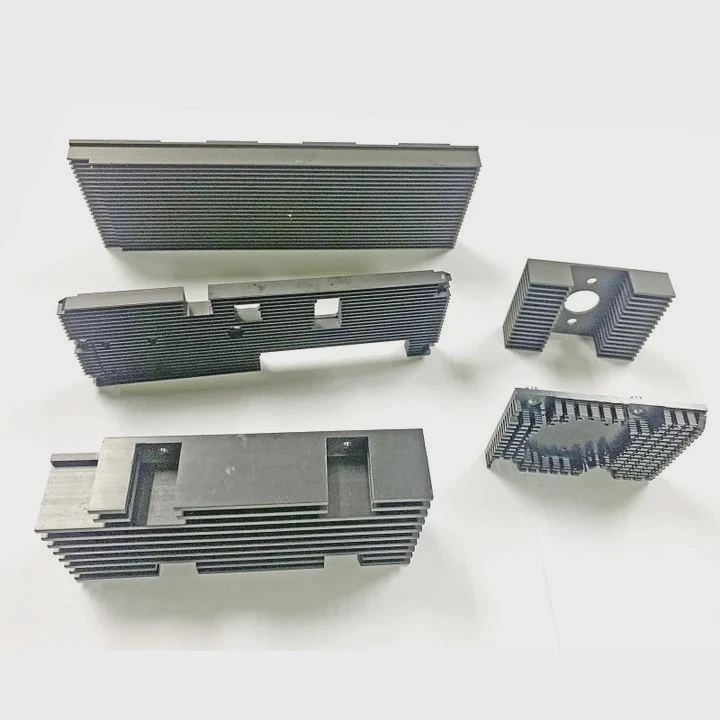
The demand pattern often reflects industrial development and technology investment. Regions with advanced manufacturing and high-power equipment generally require more sophisticated thermal management solutions.
North America
The United States remains one of the largest markets for advanced heat sinks.
Several industries drive demand:
- Energy storage systems
- Electric vehicle infrastructure
- Data centers
- Medical equipment
- Industrial automation
- Aerospace applications
Many buyers focus on reliability and delivery performance. They often seek suppliers capable of supporting OEM and ODM projects.
Europe
Europe has strong demand for thermal management systems, especially in:
- Rail transportation
- Renewable energy
- Electric vehicles
- Industrial control systems
- Power electronics
European customers frequently request extensive testing data and certification support.
Many procurement teams prioritize lifecycle performance over initial purchase price.
East Asia
Japan and South Korea remain important markets for high-precision heat sinks.
These buyers often require:
- Tight dimensional tolerances
- Stable thermal performance
- High manufacturing consistency
- Detailed quality records
Precision manufacturing plays a major role in supplier selection.
Southeast Asia
Southeast Asia has become a growing production hub for electronics and industrial equipment.
As manufacturing expands, demand grows for:
- Aluminum heat sinks
- Vapor chamber assemblies
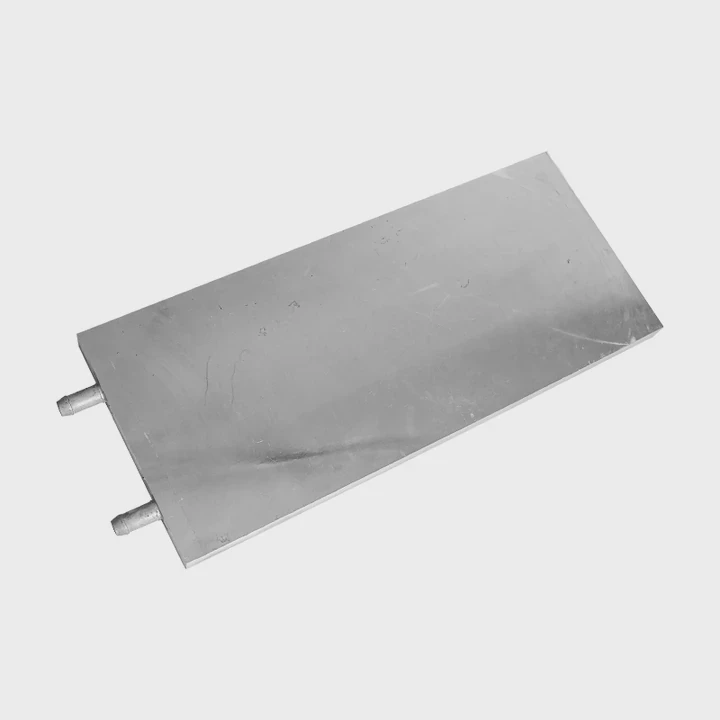
- Liquid cooling plates
- Custom thermal modules
Many multinational companies now operate manufacturing facilities throughout the region.
Regional Demand Comparison
| Region | Main Industries | Typical Heat Sink Demand |
|---|---|---|
| North America | Energy, medical, data centers | High |
| Europe | Rail, EV, renewable energy | High |
| Japan | Electronics, medical devices | High |
| South Korea | Semiconductor and telecom equipment | High |
| Southeast Asia | Electronics manufacturing | Medium to High |
Why Demand Continues to Increase
Several global trends support long-term growth.
First, equipment power density keeps increasing.
Second, industries are adopting electrification at a faster pace.
Third, artificial intelligence infrastructure and data centers generate significant heat loads.
Finally, renewable energy systems require reliable thermal control to maintain efficiency.
These trends create ongoing demand for advanced cooling solutions. As a result, heat sinks have become essential components rather than optional accessories in many industries.
Emerging Markets Are Expanding Quickly
Demand is not limited to mature industrial regions. New opportunities are emerging in the Middle East, India, and parts of South America. Governments are investing heavily in renewable energy, telecommunications, transportation infrastructure, and industrial modernization.
These projects require reliable thermal management systems for power electronics and control equipment. Many local manufacturers still rely on imported heat sink technology and custom thermal solutions.
The expansion of electric vehicles, energy storage systems, and AI-related infrastructure is also creating new demand worldwide. Heat generation continues to rise as equipment becomes smaller and more powerful. This trend makes advanced cooling solutions increasingly important across nearly every industrial sector.
Can Certifications Improve Market Acceptance?
Many manufacturers focus heavily on design and production. Yet certifications often play a major role in whether a buyer is willing to start a project.
Yes. Certifications can significantly improve market acceptance because they reduce perceived risk, demonstrate manufacturing capability, and provide independent verification of quality systems and processes.

Overseas buyers usually face pressure from their own customers. They must prove that every component supplier meets strict requirements.
Because of this, certifications often influence supplier selection.
Certifications Reduce Buyer Risk
A procurement manager may evaluate several suppliers offering similar products.
In many cases, the supplier with stronger certifications gains an advantage because certifications suggest:
- Better process control
- Better quality management
- Lower supply risk
- Better documentation practices
This does not automatically guarantee superior products. However, it creates confidence during the evaluation stage.
Industry-Specific Requirements
Different industries focus on different certifications.
Railway Industry
Railway projects often require certifications related to welding quality and structural reliability.
Buyers want assurance that thermal components can withstand vibration, shock, and long service life.
Automotive Industry
Electric vehicle applications typically require stricter quality systems.
Automotive buyers expect documented processes and continuous improvement systems.
Medical Equipment
Medical device manufacturers often prioritize traceability and production consistency.
Every component must support strict quality requirements.
Certifications and Global Expansion
Many companies enter new markets through certifications.
Without recognized certifications, a supplier may struggle to pass initial screening procedures.
With recognized certifications, procurement teams become more willing to:
- Request quotations
- Review technical proposals
- Conduct audits
- Approve sample projects
This creates more opportunities for long-term partnerships.
Beyond the Certificate
The most successful suppliers do not rely only on certificates hanging on a wall.
Buyers increasingly look for evidence that certification requirements are actively applied throughout production.
Examples include:
- Process audits
- Employee training records
- Inspection procedures
- Continuous improvement programs
- Reliability testing
When these elements support the certification, market acceptance improves significantly.
The Competitive Advantage
A certified supplier often gains visibility in global searches, exhibitions, and sourcing platforms.
Many purchasing departments even use certifications as mandatory filtering criteria.
For this reason, certifications are not simply administrative documents. They have become practical business tools that help suppliers earn trust and enter higher-value international projects.
Certifications Support Long-Term Cooperation
Many first-time buyers view certifications as an entry requirement. Long-term customers view them as proof of operational stability. This difference is important.
A buyer may initially choose a supplier because of price or thermal performance. However, repeat orders often depend on consistency, documentation, and process control. Certifications help demonstrate these capabilities.
When technical problems occur, certified companies usually have established corrective action systems. This allows faster problem solving and better communication. Buyers appreciate this level of professionalism because it reduces business risk.
As international competition becomes stronger, certifications continue to influence supplier reputation. Companies that maintain certified systems and continuously improve their processes often gain stronger market acceptance and build longer-lasting customer relationships.
Are Global Suppliers Promoting Heat Sinks Abroad?
Many people assume that heat sinks sell themselves because every electronic device generates heat. In reality, global suppliers invest substantial effort in international promotion and market development.
Yes. Global suppliers actively promote heat sinks abroad through trade shows, digital marketing, technical content, industry partnerships, engineering support, and direct engagement with industrial buyers.
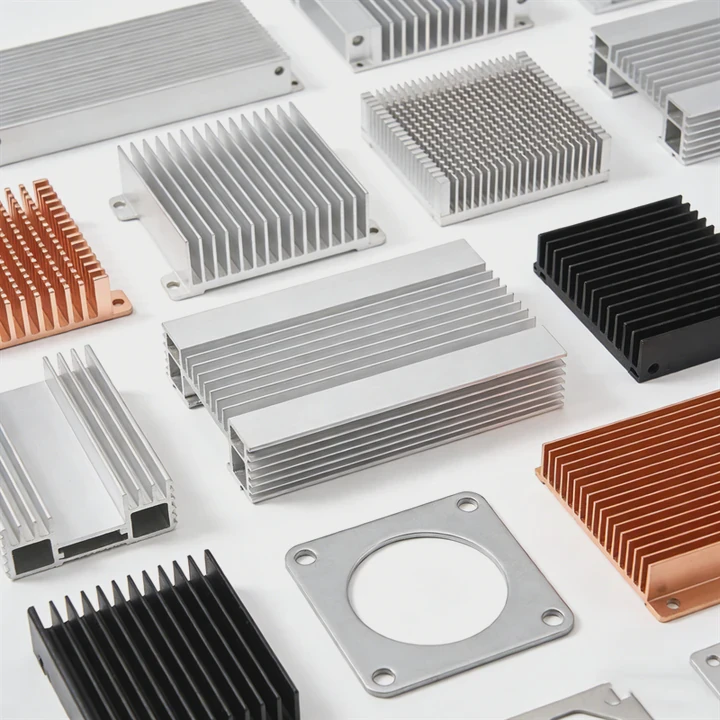
Competition in thermal management has increased significantly. As a result, suppliers must demonstrate not only manufacturing capability but also engineering expertise.
International Trade Shows
Trade exhibitions remain one of the most effective promotional channels.
Visitors can:
- Inspect product quality
- Discuss technical requirements
- Compare suppliers directly
- Review sample products
Many heat sink manufacturers use these events to meet procurement managers, engineers, and project decision-makers.
Digital Marketing Growth
Digital marketing now plays a larger role than ever before.
Many buyers begin their supplier search online.
Common promotional methods include:
- Search engine optimization
- Technical blogs
- Product videos
- LinkedIn marketing
- Industry portals
- Online webinars
Technical content often performs especially well because engineers want detailed information before contacting suppliers.
Engineering Support as Marketing
One important trend is the use of engineering support as a marketing strategy.
Instead of only promoting products, many suppliers provide:
- Thermal simulations
- Design recommendations
- Material selection advice
- Prototype optimization
This approach helps build trust early in the purchasing process.
The Rise of Custom Solutions
Standard heat sinks remain important. However, many overseas buyers now seek custom thermal solutions.
Examples include:
- Liquid cooling plates
- Vapor chamber assemblies
- Integrated cooling modules
- High-power aluminum heat sinks
- Copper heat sink systems
Because applications differ greatly, suppliers increasingly market their engineering capabilities rather than only finished products.
Building Global Recognition
Global recognition usually develops through several stages.
Stage 1: Visibility
Potential customers discover a supplier through online searches, trade shows, or referrals.
Stage 2: Evaluation
Buyers review certifications, technical data, production capability, and quality systems.
Stage 3: Validation
Prototype testing and technical discussions occur.
Stage 4: Long-Term Cooperation
Consistent quality and reliable communication help strengthen market reputation.
Why Promotion Matters
Even excellent products can remain unknown without visibility.
Many buyers compare suppliers from multiple countries before making decisions.
Strong promotion helps manufacturers:
- Reach new markets
- Build credibility
- Demonstrate expertise
- Generate qualified inquiries
- Support long-term growth
Content Marketing Is Becoming More Important
In the past, many suppliers relied mainly on exhibitions and distributor networks. Today, buyers often conduct extensive online research before contacting a manufacturer.
Technical articles, case studies, thermal design guides, and application reports help suppliers demonstrate expertise. These resources answer buyer questions and build trust before the first conversation takes place.
Many engineers prefer working with suppliers who openly share technical knowledge. Useful content shows practical experience and helps buyers understand how a thermal solution will perform in real applications.
For this reason, international promotion is no longer only about advertising products. It is also about educating customers and helping them solve thermal challenges. Suppliers that combine technical expertise, quality manufacturing, and strong global marketing often achieve the highest level of overseas recognition.
Conclusion
Heat sinks are widely recognized in overseas markets, especially in industries that depend on reliable thermal management. International standards, regional demand, certifications, and active global promotion all influence market acceptance. Manufacturers that combine proven performance, strong quality systems, and effective customer engagement are best positioned for long-term success in global markets.