Are OEM Heat Sink Customizations Available?
- Yongxing
- 01 Jul ,2026
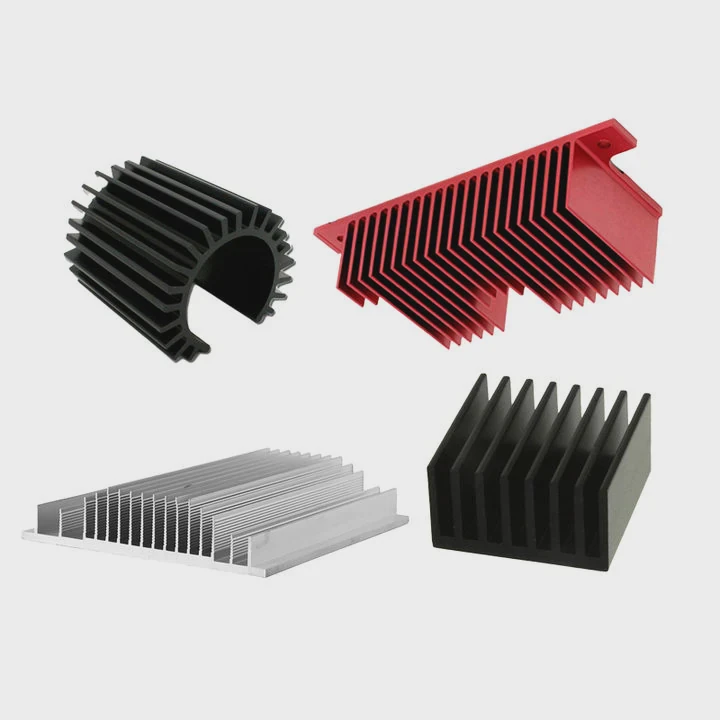
Many buyers struggle to find a heat sink that fits their exact thermal, size, and assembly requirements. Standard products often create design limits and performance risks.
Yes, OEM heat sink customizations are widely available. Manufacturers can modify dimensions, materials, fin structures, mounting methods, surface treatments, and thermal performance features to meet specific application needs while supporting volume production.
Many engineers and procurement teams start with standard heat sinks. Soon, they discover that every project has unique thermal challenges. OEM customization helps bridge the gap between off-the-shelf products and real-world operating conditions. The following sections explain how the OEM process works, what can be customized, how costs are affected, and how custom designs can improve thermal performance.
How to Request OEM Modifications?
A thermal management project can fail when requirements are unclear. Many buyers provide only basic dimensions and expect suppliers to understand the full application automatically.
The best way to request OEM heat sink modifications is to provide detailed thermal requirements, dimensional drawings, power dissipation data, operating environment information, and target production volumes at the beginning of the project.
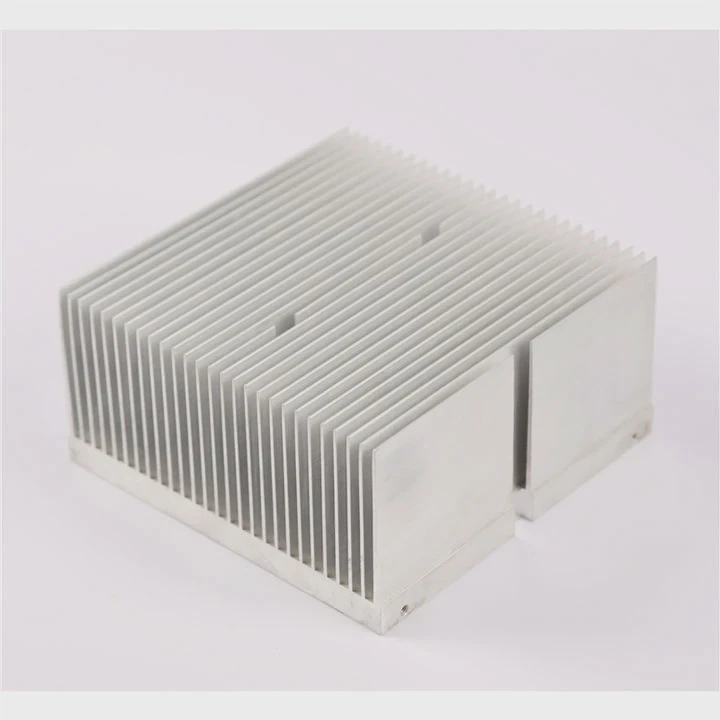
OEM customization begins with clear communication. In many projects, the first discussion focuses on thermal goals rather than product appearance. A heat sink may look suitable on paper, but thermal performance often depends on factors that are not visible in a simple drawing.
Information Typically Required
Most manufacturers will ask for several key details before proposing a customized solution.
| Requirement | Purpose |
|---|---|
| Power dissipation (W) | Determines cooling demand |
| Maximum operating temperature | Defines thermal target |
| Available installation space | Limits design dimensions |
| Airflow conditions | Impacts fin design |
| Mounting method | Affects structure and assembly |
| Production volume | Influences manufacturing process |
When working on industrial, railway, energy storage, or communication equipment, thermal engineers often review the complete system rather than the heat sink alone.
Design Review Process
The OEM process usually follows these steps:
- Requirement collection
- Preliminary design proposal
- Thermal simulation
- Design optimization
- Prototype production
- Thermal testing
- Customer approval
- Mass production
This process helps reduce development risks before tooling investments are made.
Why Early Technical Discussions Matter
Many customers focus only on dimensions during the first inquiry. Yet thermal performance depends on many variables.
For example, two heat sinks may have identical external dimensions. One may perform significantly better because of optimized fin spacing, improved airflow channels, or a better material selection.
Early technical reviews allow engineers to identify issues before prototypes are built. This saves time and prevents costly redesigns later.
Documents That Help Speed Up Development
The following documents are often useful:
- 2D drawings
- 3D CAD files
- Thermal simulation reports
- Existing heat sink samples
- PCB layouts
- System assembly drawings
The more information shared at the beginning, the faster the customization process becomes. In many cases, accurate technical data can shorten development cycles by several weeks.
Do OEM Options Increase Cost?
Many buyers assume that customization automatically means high cost. This belief often discourages companies from exploring better thermal solutions.
OEM heat sink customization may increase initial development costs, but the overall project cost often remains competitive because optimized designs can reduce material usage, improve efficiency, and lower system-level expenses.
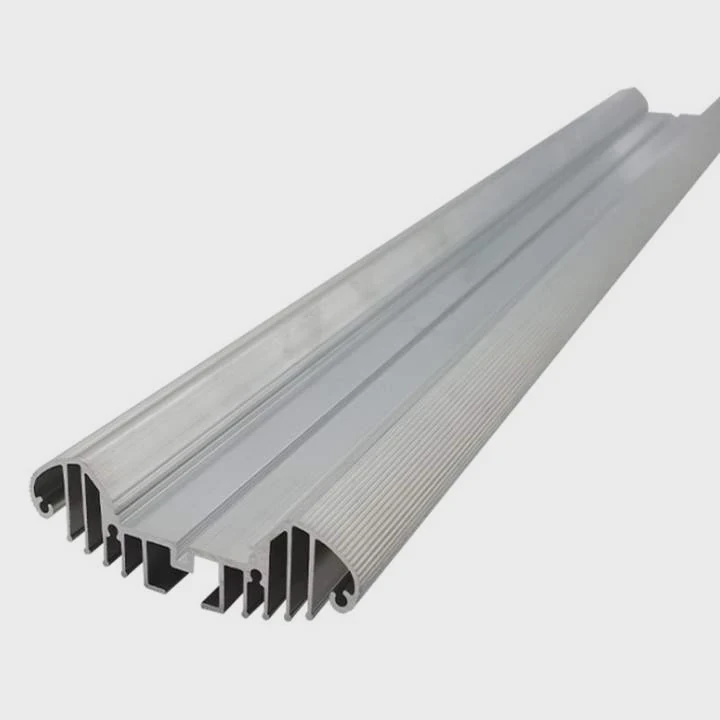
Cost is one of the first questions procurement teams ask when evaluating a custom heat sink project. The answer depends on the level of customization involved.
Main Cost Factors
Several elements influence the final cost.
| Cost Driver | Impact |
|---|---|
| Tooling investment | High for new extrusion dies |
| Material type | Copper costs more than aluminum |
| Manufacturing complexity | Complex designs increase cost |
| Surface treatment | Additional processing required |
| Production volume | Larger volumes reduce unit cost |
| Testing requirements | Added validation expenses |
Tooling Versus Production Cost
One important distinction is the difference between tooling cost and unit cost.
For example:
- A custom extrusion profile may require a new die.
- The die creates an upfront investment.
- Once production begins, the unit price may remain highly competitive.
In medium and high-volume projects, tooling expenses are often spread across thousands of units.
When Customization Saves Money
Customization does not always increase total project cost.
A better thermal design may allow:
- Smaller cooling fans
- Lower energy consumption
- Reduced system size
- Longer component lifespan
- Fewer maintenance requirements
These savings can offset the additional engineering investment.
Material Selection and Cost Balance
Aluminum remains the most common material because it offers a strong balance between thermal conductivity, weight, and cost.
Copper provides higher thermal conductivity but increases:
- Raw material expenses
- Machining costs
- Product weight
A hybrid design sometimes provides the best balance. For example, a copper base combined with aluminum fins can improve heat transfer while controlling cost.
Cost Considerations for Different Industries
Different industries evaluate costs differently.
Industrial equipment manufacturers often prioritize reliability.
Rail transportation suppliers focus on long service life.
Energy storage system companies look for maximum cooling efficiency.
Medical equipment manufacturers place high value on consistency and certification compliance.
As a result, the lowest purchase price is rarely the only decision factor. Many organizations evaluate total ownership cost rather than unit cost alone.
Which Features Can Be Customized?
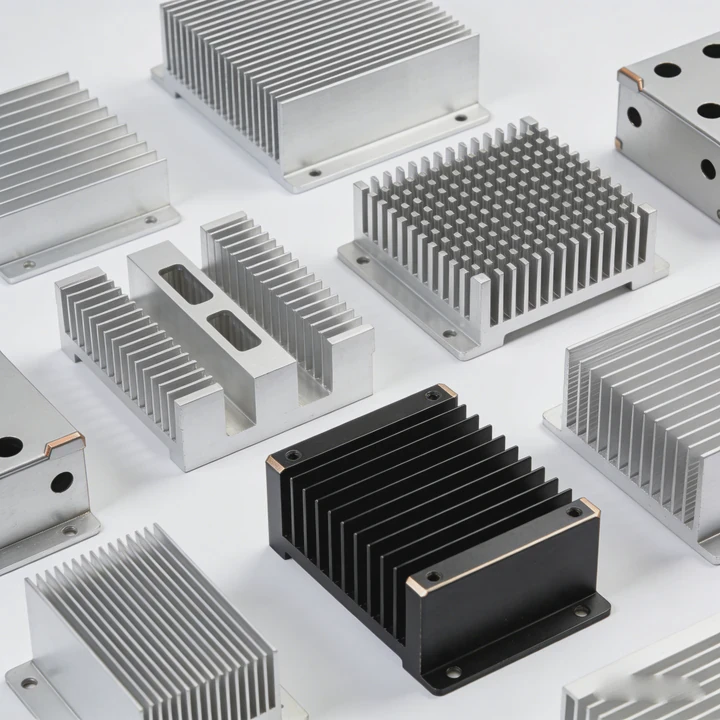
Many engineers are surprised by how many aspects of a heat sink can be modified. Customization extends far beyond simple dimensional changes.
OEM heat sinks can be customized in materials, dimensions, fin geometry, mounting methods, surface treatments, manufacturing processes, airflow design, and integrated thermal management features.
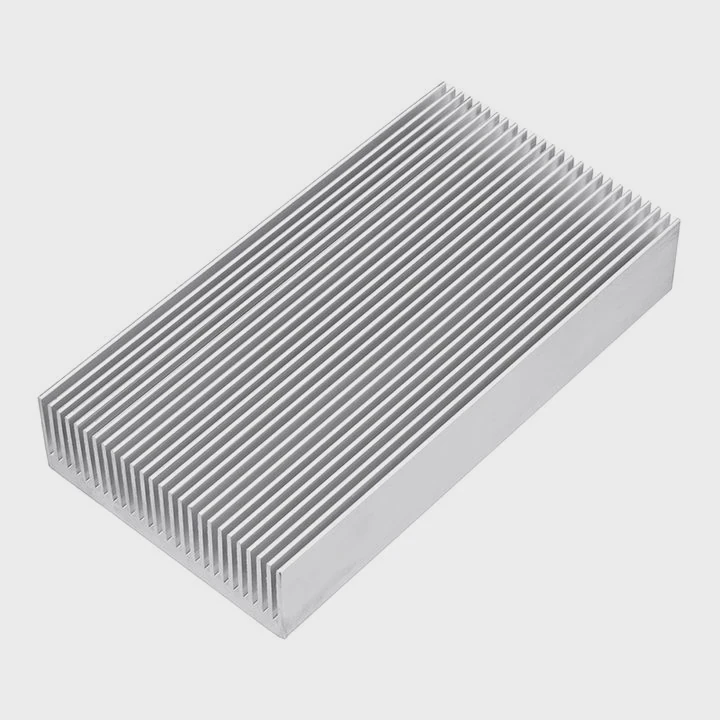
Modern thermal management systems require flexibility. Different industries have different cooling requirements, environmental conditions, and mechanical constraints.
Commonly Customized Features
The following components are frequently modified during OEM development.
| Feature | Customization Options |
|---|---|
| Material | Aluminum, copper, hybrid structures |
| Length and width | Custom dimensions |
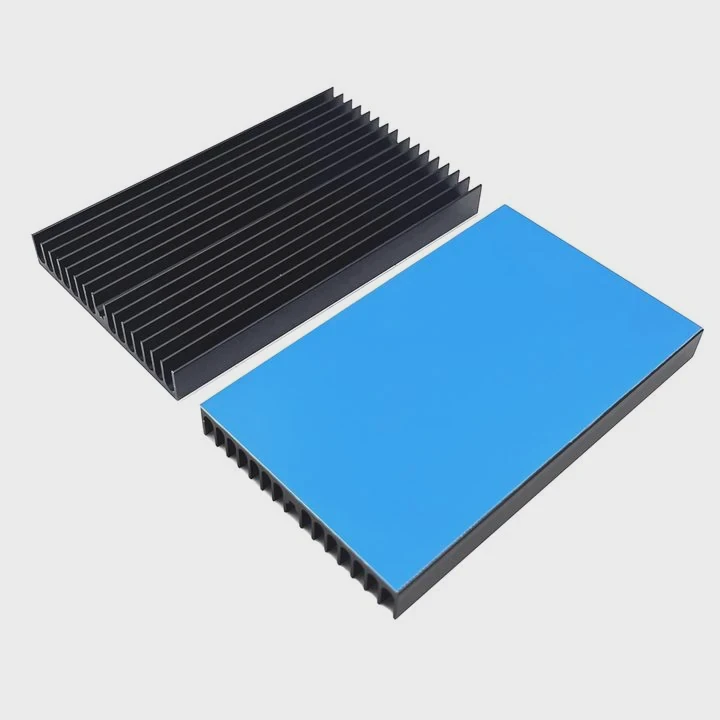
| Fin design | Straight, pin, skived, folded |
| Base thickness | Application-specific |
| Mounting method | Screws, clips, brackets |
| Surface treatment | Anodizing, plating, coating |
| Manufacturing method | Extrusion, machining, brazing |
| Cooling method | Air cooling or liquid cooling |
Material Customization
Material selection affects both thermal performance and manufacturing feasibility.
Common choices include:
Aluminum
Advantages:
- Lightweight
- Cost-effective
- Corrosion resistant
- Easy to manufacture
Copper
Advantages:
- Excellent thermal conductivity
- High heat spreading capability
- Suitable for high-power applications
Hybrid Structures
Advantages:
- Balance of performance and cost
- Reduced weight
- Improved heat transfer efficiency
Fin Structure Customization
Fin design plays a major role in heat dissipation.
Popular fin types include:
Extruded Fins
Best for:
- Medium-power applications
- Cost-sensitive projects
Skived Fins
Best for:
- High-density fin structures
- Improved airflow contact
Bonded Fins
Best for:
- Large surface area requirements
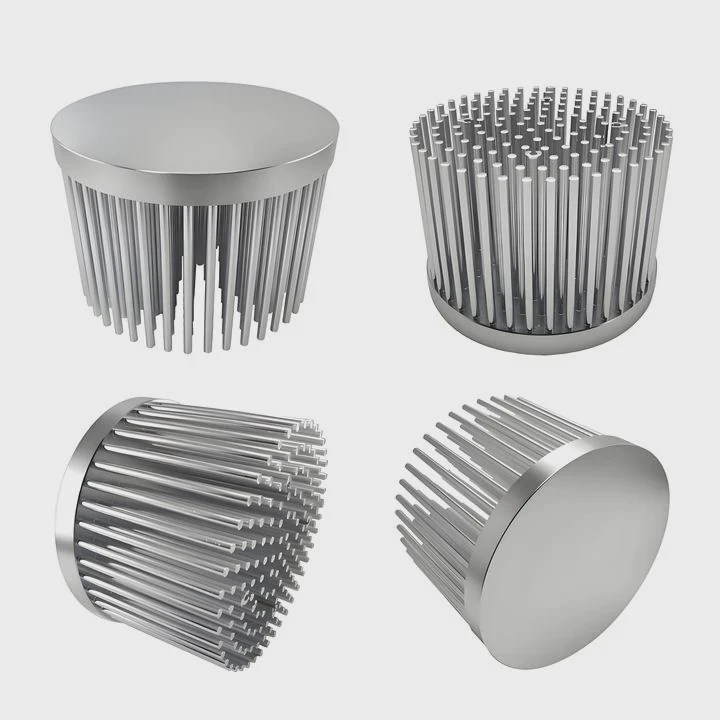
Pin Fins
Best for:
- Multi-directional airflow environments
The optimal fin structure depends on airflow conditions and heat load.
Surface Treatment Options
Surface treatments improve durability and appearance.
Common options include:
- Black anodizing
- Clear anodizing
- Nickel plating
- Powder coating
- Chemical conversion coating
In outdoor and transportation applications, corrosion resistance often becomes a critical requirement.
Integrated Thermal Solutions
Some OEM projects require more than a standalone heat sink.
Additional features may include:
- Heat pipes
- Vapor chambers
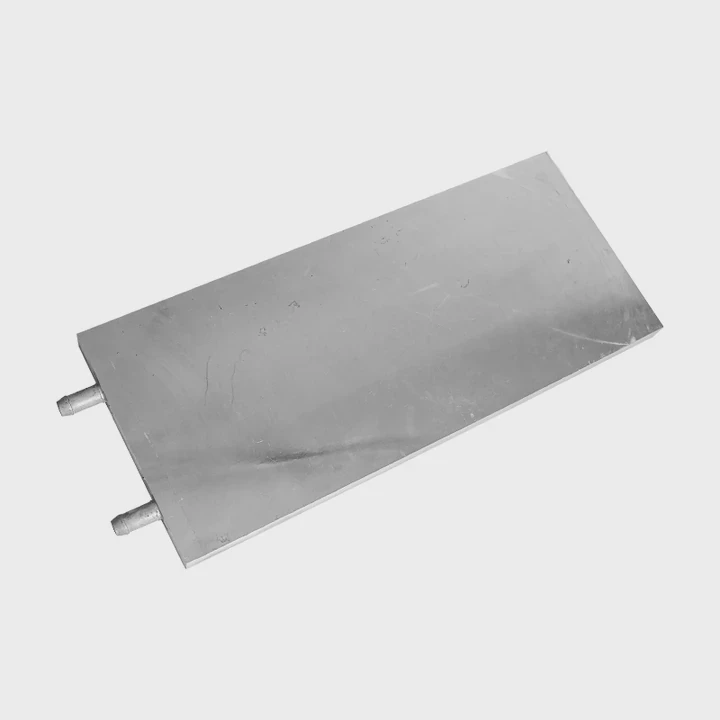
- Liquid cooling plates
- Thermal interface materials
- Fan assemblies
- Thermal monitoring systems
These integrated solutions help manage increasing power densities in modern electronic systems.
Can OEM Designs Improve Thermal Performance?
Many companies start customization because standard heat sinks fail thermal testing. A properly engineered OEM design can significantly improve cooling efficiency.
Yes, OEM heat sink designs can improve thermal performance through optimized geometry, better material selection, improved airflow management, advanced manufacturing processes, and application-specific thermal engineering.
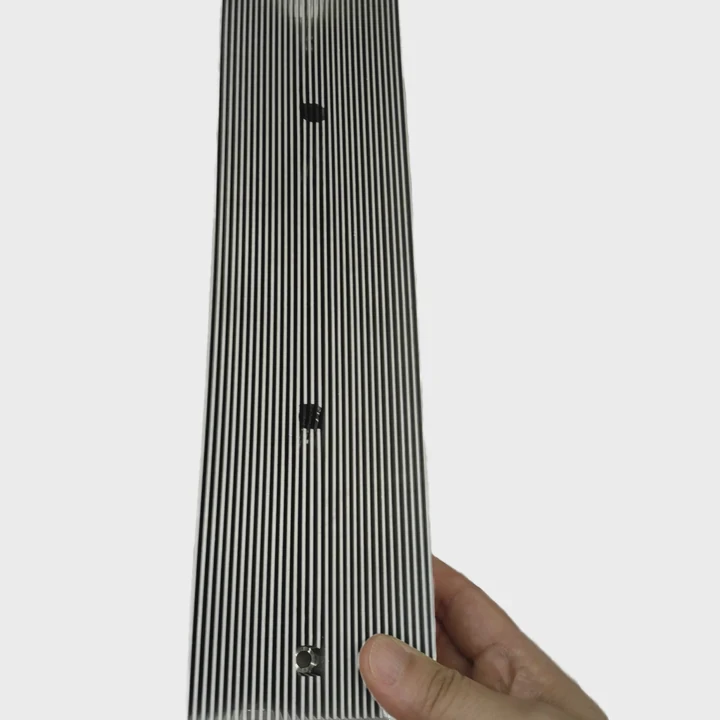
Thermal performance is often the primary reason for choosing a custom solution.
A heat sink is not simply a metal component. It is a thermal system designed to move heat from a source into the surrounding environment as efficiently as possible.
How Custom Designs Improve Cooling
Several design changes can increase performance.
Optimized Fin Geometry
Fin spacing affects airflow.
When fins are too close together:
- Airflow becomes restricted.
- Heat transfer decreases.
When fins are too far apart:
- Surface area decreases.
Custom engineering helps identify the ideal balance.
Improved Heat Spreading
Heat concentration creates hot spots.
A customized base design can spread heat more evenly across the entire heat sink.
This often lowers peak temperatures and improves component reliability.
Advanced Manufacturing Technologies
Different manufacturing methods provide different thermal capabilities.
| Manufacturing Method | Thermal Advantage |
|---|---|
| Extrusion | Cost-effective cooling |
| Skiving | High fin density |
| Vacuum brazing | Excellent thermal contact |
| Friction stir welding | Strong thermal performance |
| Laser welding | Precise heat transfer paths |
| Vapor chamber integration | Rapid heat spreading |
The right manufacturing process depends on the application’s power level and environmental requirements.
Thermal Simulation and Validation
Modern OEM development relies heavily on simulation.
Thermal engineers use software tools to analyze:
- Airflow behavior
- Temperature distribution
- Heat transfer efficiency
- Pressure drop
- Fan performance
Simulation allows multiple design iterations before physical prototypes are built.
This reduces development time and improves final performance.
Real-World Performance Benefits
Customized thermal solutions often deliver:
- Lower junction temperatures
- Improved reliability
- Longer equipment lifespan
- Better system efficiency
- Reduced fan noise
- Greater power density
These benefits become increasingly important in industries such as renewable energy, rail transportation, medical equipment, telecommunications, aerospace, and semiconductor manufacturing.
Why Application-Specific Design Matters
A heat sink designed for a telecom cabinet will differ greatly from one designed for a railway inverter or a medical imaging device.
Each application has unique requirements related to:
- Ambient temperature
- Dust exposure
- Vibration
- Available airflow
- Space limitations
- Reliability targets
OEM customization allows the thermal solution to match these operating conditions rather than forcing the application to adapt to a standard product.
Conclusion
OEM heat sink customization offers far more than dimensional changes. It allows manufacturers to optimize materials, structures, cooling methods, and thermal performance for specific applications. When managed correctly, a custom design can improve reliability, efficiency, and long-term system value while remaining cost-effective for production.