Are heat sinks suitable for automotive electronics?
- Yongxing
- 06 Jul ,2026
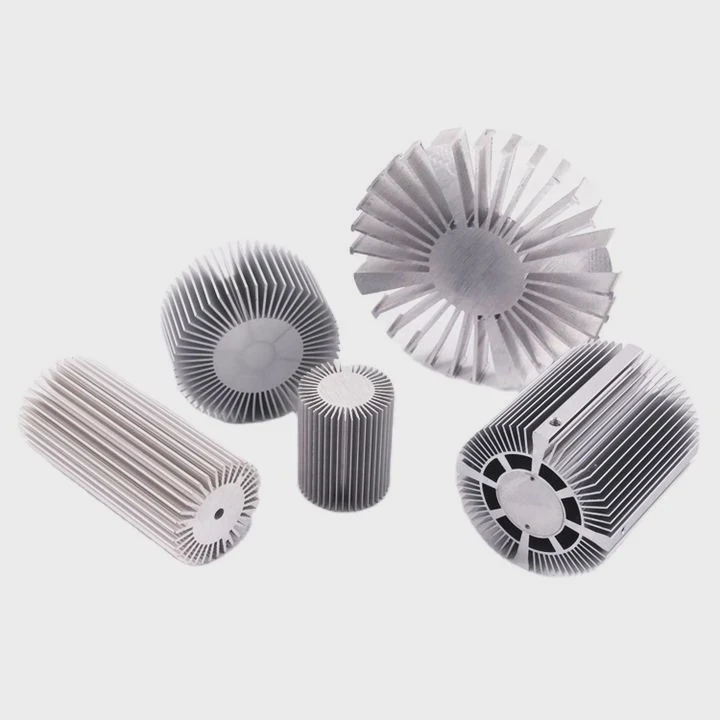
Thermal stress builds fast inside modern vehicles. Power density rises in small electronic spaces. Heat sinks become a key part of system safety and stability.
Heat sinks are widely used in automotive electronics, and they are suitable when designed for vibration, temperature swings, and compact packaging needs.
Automotive systems are not like normal consumer electronics. The environment is harsher. The load is more dynamic. The design rules must match real driving conditions.
Which vehicle systems require heat sinks?
Many people think heat sinks are only used in engines. This is not true in modern cars. Electronics inside vehicles now generate high heat. Heat sinks are used in many control and power systems.
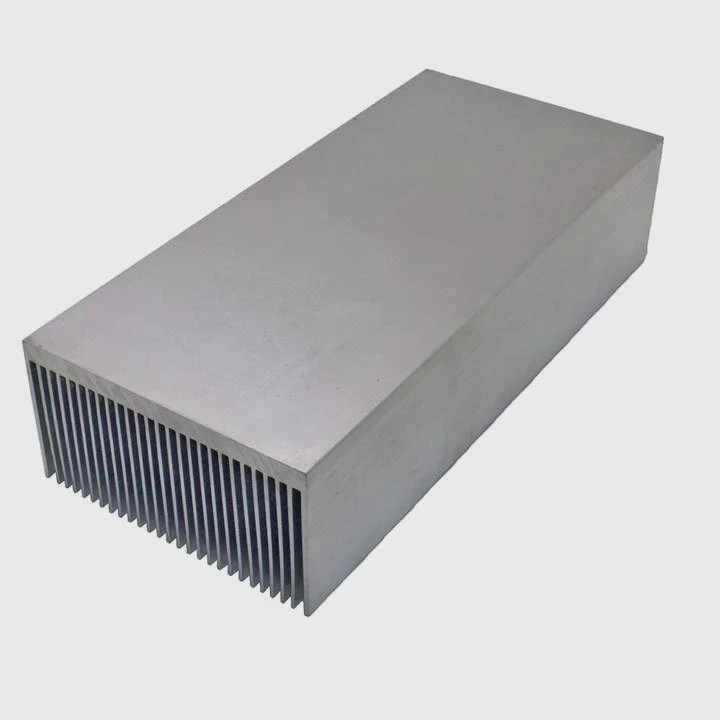
Heat sinks support stable operation in systems that cannot overheat even for a second. These systems often run continuously while the vehicle is on.
Common automotive systems using heat sinks
| Vehicle system | Main electronic function | Why heat sinks are needed |
|---|---|---|
| ECU (Engine Control Unit) | Controls engine performance | Prevents overheating of processors |
| LED headlights | Lighting control and power drive | Manages LED junction temperature |
| Infotainment systems | Display and computing functions | Keeps chips stable during long use |
| ADAS modules | Radar and camera processing | Ensures real-time data accuracy |
Heat sinks in these systems are not optional. They are part of reliability design. Without proper cooling, signal errors can occur. Processing speed may drop. In safety systems like ADAS, this is a serious risk.
Thermal design also affects product lifespan. High temperature reduces semiconductor life. So heat sinks help extend durability.
In automotive use, space is limited. Heat sinks must be compact but still efficient. This creates a challenge between size and performance. Designers often use fin structures or integrated housings to solve this problem.
Do EVs need specialized designs?
Electric vehicles create much higher thermal loads than traditional cars. Power electronics handle large currents. Battery systems also generate heat during charging and discharge cycles.
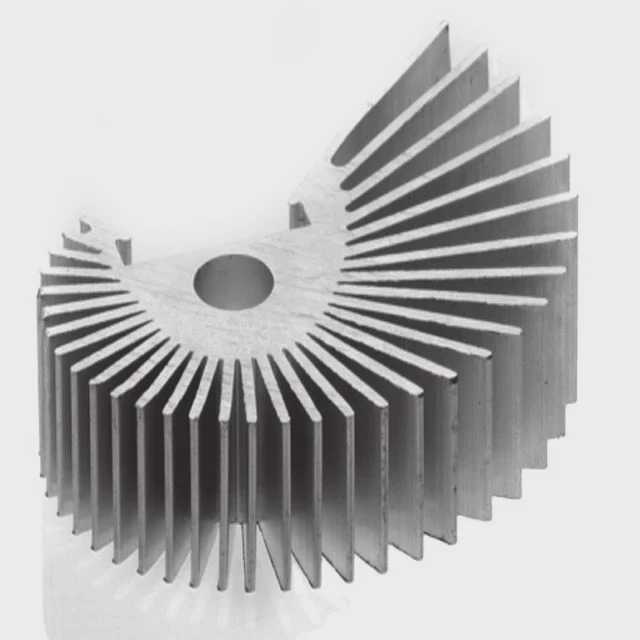
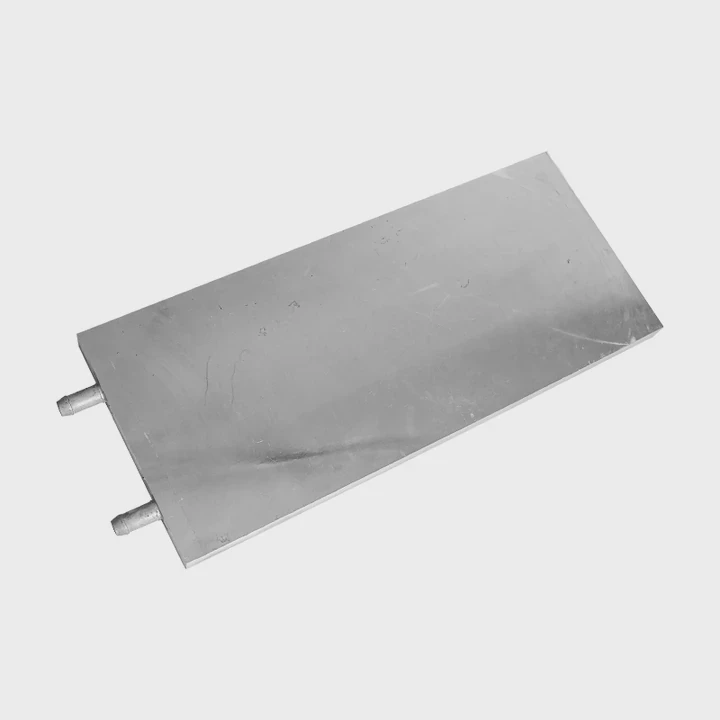
EVs do not just need heat sinks. They need specialized thermal systems that combine heat sinks, liquid cooling plates, and advanced materials.
Heat sinks in EVs must handle fast power changes. Acceleration and braking create sudden heat spikes. These changes require fast thermal response.
EV thermal design comparison
| Component type | Heat behavior | Cooling method used | Design requirement |
|---|---|---|---|
| Battery pack | Slow but large heat buildup | Liquid cooling + plates | Uniform temperature control |
| Inverter module | Fast heat spikes | Heat sink + liquid cooling | Rapid heat transfer |
| On-board charger | Medium continuous heat | Heat sink + airflow | Stable long-term cooling |
EV heat sinks are often integrated with liquid cooling plates. This improves heat transfer speed. Pure air cooling is not enough for high-power systems.
Another difference is packaging. EVs place electronics in tight compartments near batteries and motors. This increases ambient temperature. Heat sinks must work in already hot environments.
Material selection also changes in EVs. Aluminum alloys are common because of weight and conductivity balance. Copper is used in specific high-heat areas but increases weight.
Thermal simulation is very important in EV design. Engineers test multiple driving scenarios. They simulate charging, acceleration, and extreme weather conditions. This helps ensure heat sinks perform in all cases.
Can temperature extremes affect performance?
Automotive electronics must work in extreme environments. Cars can operate in freezing winter conditions and very hot summer conditions. Heat sinks must handle both ends of this range.
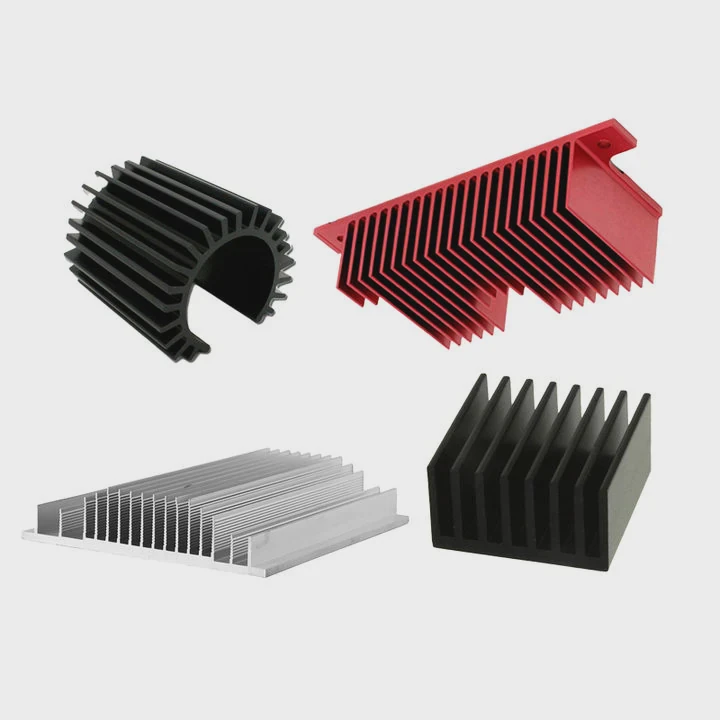
Temperature changes affect both materials and thermal efficiency. Expansion and contraction happen repeatedly. This creates stress inside the heat sink structure.
High temperatures reduce thermal margin. Heat sinks become less efficient when ambient air is already hot. Low temperatures can cause material brittleness in some alloys.
In real driving conditions, temperature is never stable. It changes during idle, acceleration, and fast driving. Heat sinks must respond quickly without losing performance.
Temperature impact factors
| Condition type | Effect on heat sink performance | Risk level in automotive use |
|---|---|---|
| High ambient heat | Reduced cooling efficiency | High |
| Low ambient cold | Material contraction stress | Medium |
| Rapid cycling | Thermal fatigue and stress buildup | Very high |
Thermal cycling is one of the most important issues. Every drive cycle repeats heating and cooling. Over time, this weakens joints and interfaces.
Contact resistance also changes with temperature. If surfaces expand or shrink unevenly, thermal interface performance may drop. This increases local hot spots.
To solve this, engineers use flexible mounting systems. They also choose materials with stable thermal expansion rates. Coatings may also be applied to reduce oxidation at high temperature.
Design validation often includes environmental chamber testing. Heat sinks are tested under repeated extreme cycles. This ensures stable performance over years of vehicle operation.
Are lightweight materials preferred in cars?
Weight reduction is a key goal in automotive design. Every gram affects fuel efficiency or EV driving range. Heat sinks must be both light and thermally efficient.
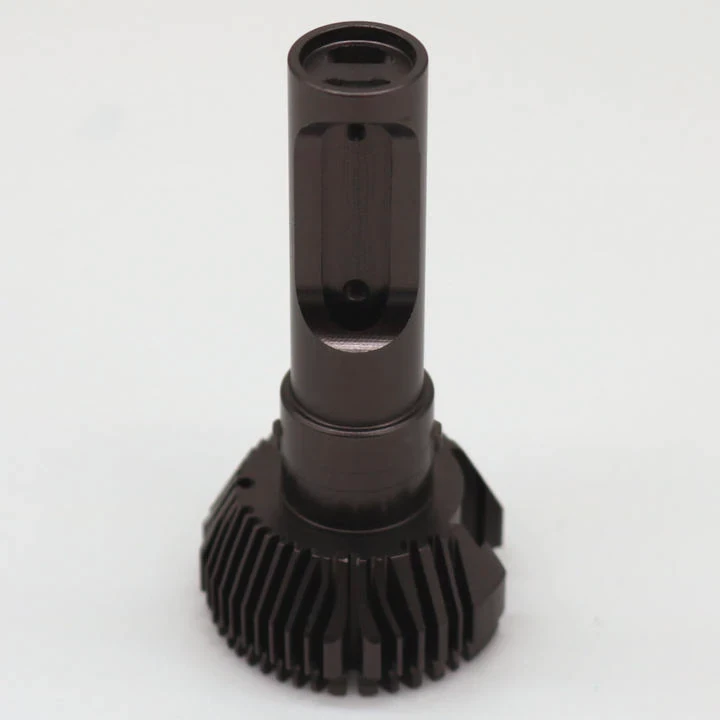
Lightweight materials are strongly preferred, especially in electric vehicles. However, weight reduction must not reduce thermal performance or mechanical strength.
Aluminum is the most common choice. It provides a good balance between weight, cost, and thermal conductivity. Magnesium alloys are also used in some advanced systems. They are lighter but more expensive and harder to process.
Material comparison for automotive heat sinks
| Material | Weight level | Thermal conductivity | Cost level | Automotive suitability |
|---|---|---|---|---|
| Aluminum | Low | Medium-high | Low | Very high |
| Copper | High | Very high | High | Medium |
| Magnesium alloy | Very low | Medium | High | High (limited use) |
Lightweight design also supports better vehicle dynamics. Reduced mass improves acceleration and braking efficiency. It also helps EVs extend driving range.
However, lightweight materials must still survive vibration. Cars generate continuous vibration from roads and engines. Heat sinks must remain stable under mechanical stress.
Manufacturers often use structural reinforcement methods. Ribbed designs, folded fins, or integrated housing structures improve stiffness without adding too much weight.
Another trend is hybrid material design. Aluminum structures combined with copper inserts improve heat transfer at critical points. This allows better performance without large weight increase.
Surface treatment also plays a role. Coatings reduce corrosion and improve thermal radiation. This helps maintain performance over long vehicle lifetimes.
Conclusion
Heat sinks are fully suitable for automotive electronics when designed for vibration, temperature extremes, and compact layouts. Their role becomes even more important in EV systems and high-power vehicle electronics.