Can Heat Sinks Be Used in Solar Energy Systems?
- Yongxing
- 02 Jul ,2026
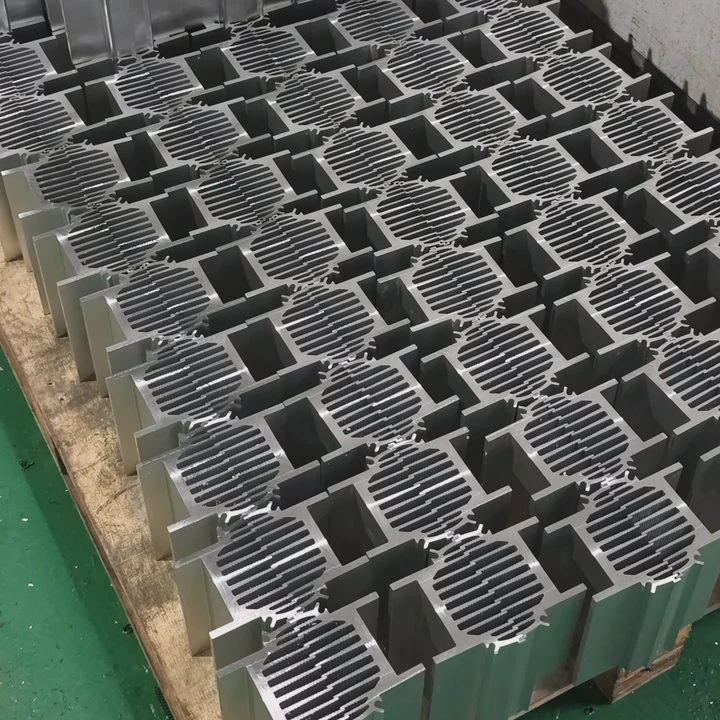
Solar energy systems operate under constant exposure to sunlight and heat. Many system designers focus on power generation, but excessive temperature can quietly reduce performance, shorten equipment life, and increase maintenance costs.
Yes, heat sinks can be used in solar energy systems. They help dissipate heat from critical components such as inverters, power electronics, battery systems, and certain photovoltaic applications. Effective thermal management improves efficiency, reliability, and system lifespan.
As solar installations continue to grow in scale and complexity, thermal management becomes more important. Heat sinks, liquid cooling systems, and hybrid cooling technologies now play a key role in keeping solar equipment operating within safe temperature ranges.
Which Solar Components Require Cooling?
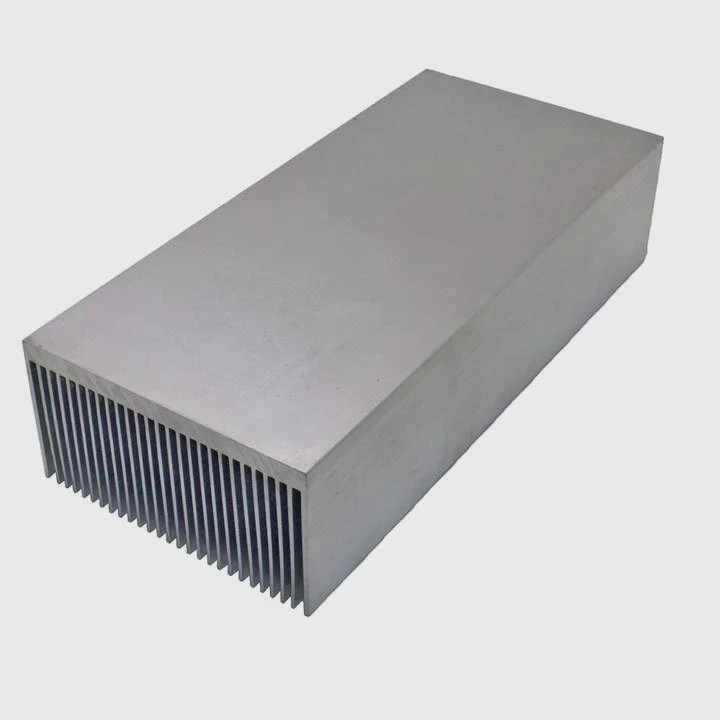
Many people assume solar systems only consist of photovoltaic panels. In reality, a complete solar installation contains multiple electronic and electrical components that generate heat during operation.
Several solar components require cooling, including inverters, power converters, battery energy storage systems, charge controllers, and high-power monitoring equipment. These components generate heat that can reduce efficiency and reliability if not properly managed.
Heat generation is unavoidable whenever electricity flows through electronic devices. As power levels increase, thermal management becomes a critical engineering consideration.
Solar Inverters Generate Significant Heat
The inverter is often one of the hottest components in a solar system.
Its primary function is converting direct current (DC) from solar panels into alternating current (AC) for grid or facility use.
During this conversion process:
- Semiconductor devices switch rapidly
- Electrical losses occur
- Heat accumulates inside the enclosure
Without proper cooling, inverter temperatures can rise quickly during peak sunlight hours.
Many modern inverters use:
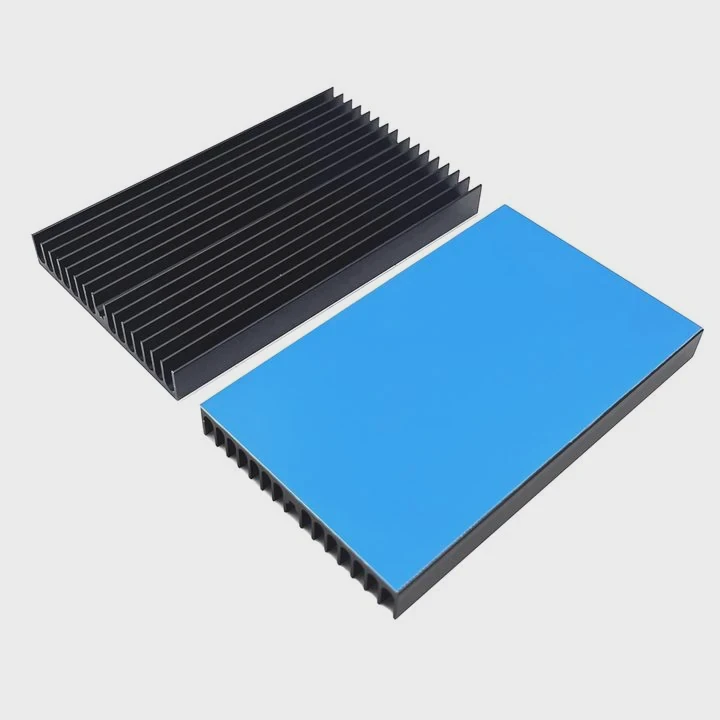
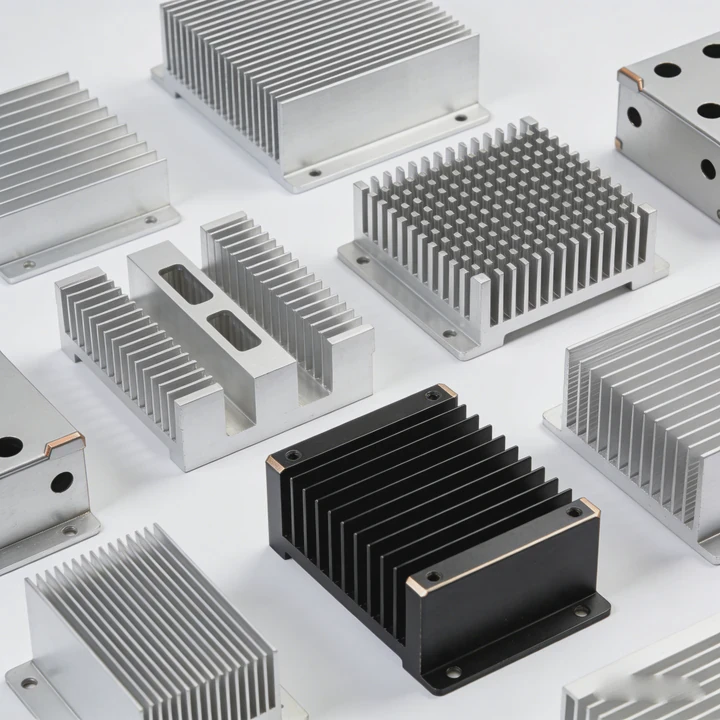
- Extruded aluminum heat sinks
- Finned heat sink assemblies
- Forced-air cooling systems
- Liquid-cooled thermal modules
Battery Energy Storage Systems Need Thermal Control
Battery storage has become a major part of modern solar projects.
Lithium-ion batteries are highly sensitive to temperature fluctuations.
Excessive heat can cause:
- Capacity loss
- Faster aging
- Reduced charging efficiency
- Safety risks
Large battery energy storage systems often integrate:
| Cooling Method | Typical Application |
|---|---|
| Aluminum Heat Sinks | Small battery modules |
| Air Cooling | Commercial storage systems |
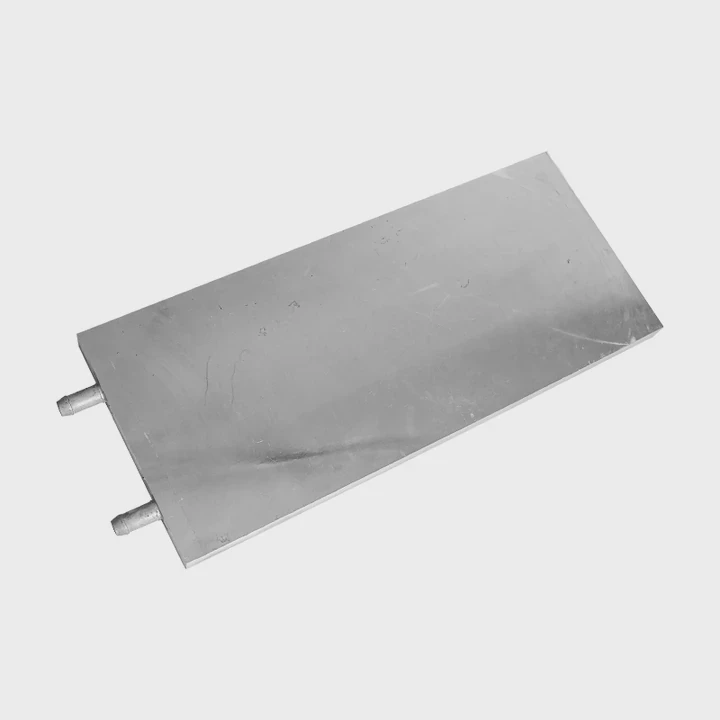
| Liquid Cooling Plates | Utility-scale storage |
| Hybrid Cooling Systems | High-density battery packs |
Temperature uniformity is often just as important as temperature reduction.
Charge Controllers and Power Electronics
Charge controllers regulate energy flow between solar panels and batteries.
Although smaller than inverters, they still generate heat through:
- Voltage regulation
- Current control
- Switching operations
Many manufacturers integrate compact aluminum heat sinks directly into the controller housing.
Monitoring and Communication Equipment
Solar farms often contain:
- Data acquisition systems
- Communication modules
- Power monitoring devices
These components may seem small, but continuous operation under outdoor conditions creates thermal stress over time.
Proper cooling helps maintain long-term reliability and reduces unexpected downtime.
Do Photovoltaic Panels Need Passive Heat Sinks?
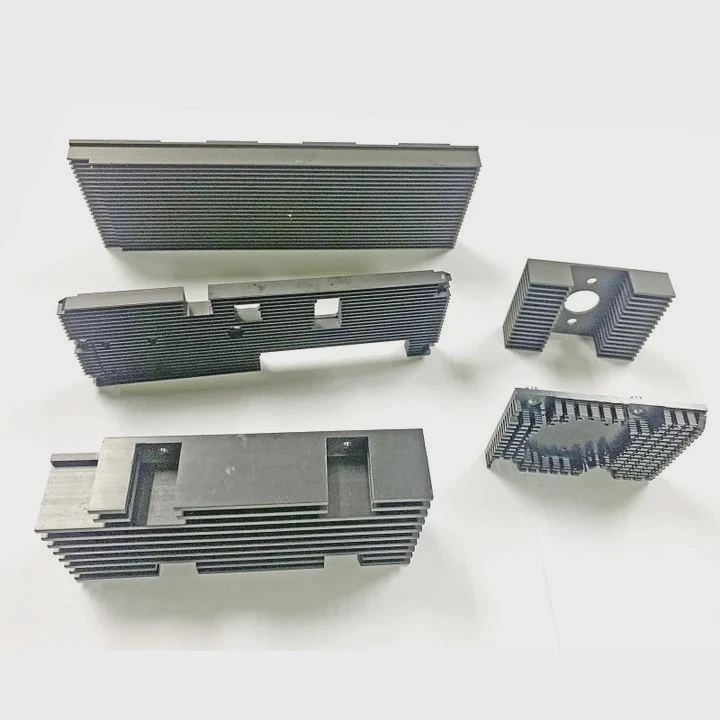
Solar panels are designed to operate outdoors, often in high-temperature environments. This leads many engineers to ask whether photovoltaic modules themselves benefit from heat sinks.
Photovoltaic panels generally do not use traditional passive heat sinks in standard installations. However, passive cooling structures, heat-spreading materials, and specialized heat sink designs can be applied in certain high-performance or research-focused solar systems.
Photovoltaic cells convert sunlight into electricity, but only a portion of incoming solar energy becomes usable power.
The remaining energy becomes heat.
Why Temperature Matters for Solar Panels
As solar cell temperature increases:
- Voltage decreases
- Conversion efficiency drops
- Power output declines
A common rule is that solar panel efficiency decreases as operating temperature rises above standard test conditions.
During hot summer afternoons, panel temperatures can exceed:
- 60°C
- 70°C
- Sometimes even higher
This temperature rise directly impacts energy production.
Why Traditional Heat Sinks Are Not Common
Several practical factors limit the use of conventional heat sinks on solar panels.
Size Constraints
Solar installations often cover large surface areas.
Adding large metal heat sinks would:
- Increase weight
- Raise installation costs
- Complicate structural design
Economic Considerations
For most projects, the efficiency gain may not justify the added cost.
Solar developers typically prioritize:
- Panel efficiency
- Installation cost
- Return on investment
Natural Air Cooling
Most solar panels already benefit from passive airflow.
Panels are usually mounted above roofs or support structures, allowing air circulation underneath.
This natural convection removes a portion of generated heat.
Emerging Passive Cooling Technologies
Researchers continue exploring passive cooling solutions.
Examples include:
Extended Surface Structures
Specialized rear-side cooling fins increase surface area and improve heat dissipation.
Heat-Spreading Plates
Highly conductive materials distribute heat more evenly across the module.
Phase Change Materials
These materials absorb heat during temperature peaks and release it later.
Radiative Cooling Surfaces
Advanced coatings help release heat into the atmosphere through thermal radiation.
While these approaches are promising, widespread commercial adoption remains limited in conventional photovoltaic installations.
Can Thermal Management Improve Efficiency?
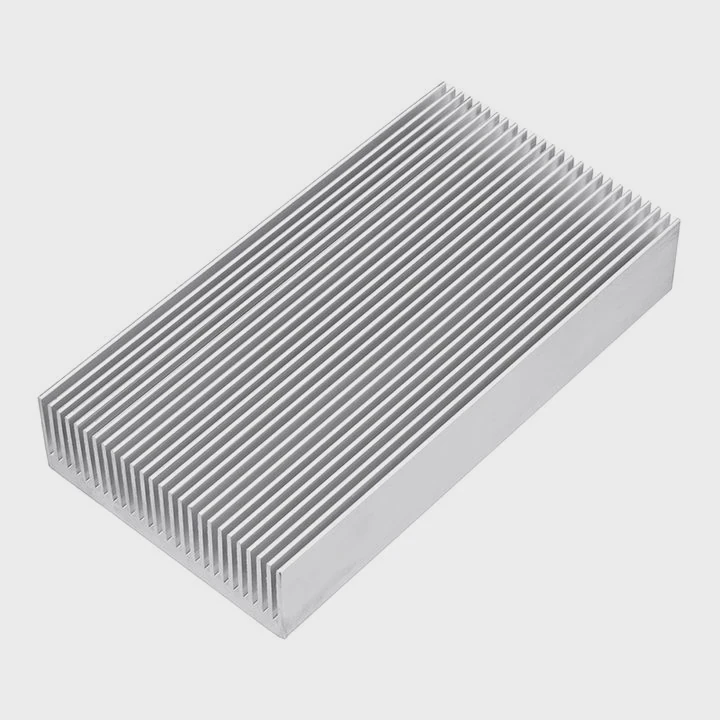
Efficiency is one of the most important performance metrics in any solar project. Every percentage point of improvement can significantly affect long-term energy production.
Yes, thermal management can improve solar system efficiency by reducing operating temperatures in power electronics, batteries, and photovoltaic components. Lower temperatures generally support better electrical performance and longer equipment life.
Heat affects nearly every part of a solar installation.
The relationship between temperature and performance is especially clear in electronic systems.
Lower Temperatures Improve Electronic Performance
Most semiconductor devices perform better within controlled temperature ranges.
When temperatures rise:
- Electrical resistance increases
- Conversion losses increase
- Component stress increases
Effective heat dissipation helps maintain stable operation.
Impact on Inverter Efficiency
Solar inverters often operate continuously for many hours each day.
Poor thermal control may lead to:
- Reduced conversion efficiency
- Thermal derating
- Automatic power limitation
Thermal derating occurs when equipment intentionally reduces output to protect itself from overheating.
Heat sinks help delay or prevent this condition.
Impact on Battery Efficiency
Battery systems are highly sensitive to thermal conditions.
A well-managed battery temperature range can improve:
- Charging efficiency
- Discharging efficiency
- Cycle life
- Capacity retention
Many utility-scale energy storage systems now use advanced thermal management strategies as a standard design requirement.
Thermal Management and System Reliability
Efficiency gains are only one benefit.
Proper cooling also improves reliability.
The table below illustrates common thermal effects.
| Temperature Condition | Potential Impact |
|---|---|
| Moderate Temperature | Stable operation |
| Elevated Temperature | Efficiency reduction |
| High Temperature | Accelerated aging |
| Excessive Temperature | Component failure risk |
Long-Term Economic Benefits
A thermal management investment often provides value through:
- Higher energy production
- Reduced maintenance
- Longer service life
- Lower replacement costs
In large solar farms, even small efficiency improvements can create meaningful financial returns over the system’s lifetime.
The Growing Importance of Advanced Cooling
As solar installations become more powerful, power density continues to increase.
Modern systems frequently include:
- High-capacity inverters
- Energy storage systems
- Fast-switching power electronics
These technologies generate more concentrated heat than older equipment.
As a result, thermal management increasingly becomes a core part of solar system engineering rather than an optional enhancement.
Are Hybrid Solutions Applied in Solar Setups?
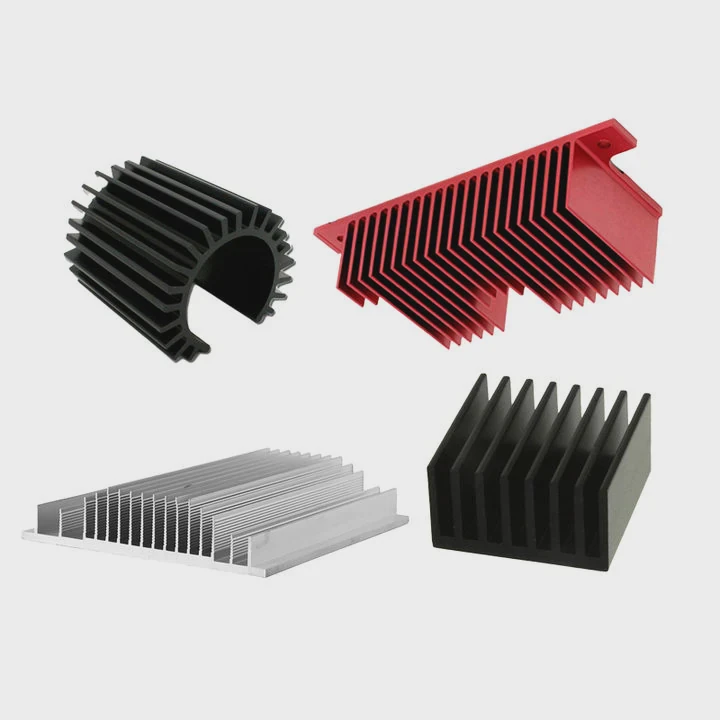
Solar technology continues to evolve. Engineers are no longer limited to simple air-cooled systems. Hybrid cooling approaches combine multiple thermal management methods to achieve better performance.
Yes, hybrid thermal management solutions are increasingly applied in solar setups. These systems combine technologies such as heat sinks, liquid cooling, phase change materials, and active airflow to improve heat dissipation and overall system performance.
Hybrid cooling is especially useful in high-power applications where a single cooling method may not provide sufficient performance.
What Is a Hybrid Thermal Management System?
A hybrid system combines two or more cooling technologies.
Examples include:
- Heat sink + fan cooling
- Heat sink + liquid cooling plate
- Heat sink + phase change material
- Liquid cooling + thermal storage
Each technology addresses different thermal challenges.
Hybrid Cooling in Solar Inverters
Modern utility-scale inverters often operate at very high power levels.
A common hybrid design includes:
Primary Cooling Layer
Large aluminum heat sinks spread heat away from semiconductor devices.
Secondary Cooling Layer
Fans or liquid cooling systems remove heat from the heat sink surface.
This approach increases cooling capacity while maintaining reliability.
Hybrid Solutions for Battery Storage
Battery energy storage systems frequently use advanced thermal architectures.
A typical configuration may include:
| Thermal Component | Function |
|---|---|
| Cooling Plate | Transfers battery heat |
| Heat Sink Structure | Increases heat dissipation area |
| Coolant Circuit | Removes accumulated heat |
| Thermal Interface Material | Improves heat transfer efficiency |
Such systems help maintain consistent temperatures across battery modules.
Photovoltaic-Thermal (PVT) Systems
One of the most interesting hybrid approaches is the photovoltaic-thermal system.
PVT technology combines:
- Solar electricity generation
- Thermal energy collection
In these systems:
- Solar cells generate electricity.
- A cooling layer removes excess heat.
- The recovered heat is used elsewhere.
Possible applications include:
- Water heating
- Industrial process heating
- Building energy systems
This approach improves total energy utilization from incoming sunlight.
Future Trends in Solar Thermal Management
Several technologies continue gaining attention:
Vapor Chamber Cooling
Vapor chambers rapidly spread heat across large surfaces.
Phase Change Materials
These materials absorb thermal spikes during peak solar exposure.
Liquid Cooling Plates
Liquid cooling is becoming more common in large-scale energy storage systems.
Smart Thermal Control
Sensors and control software continuously adjust cooling performance based on operating conditions.
As solar installations become larger and more power-dense, hybrid thermal solutions are likely to play a growing role in maximizing efficiency, reliability, and operational stability.
Conclusion
Heat sinks are widely used in solar energy systems, particularly for inverters, power electronics, and energy storage equipment. While photovoltaic panels rarely use traditional heat sinks, effective thermal management remains essential. As solar technology advances, hybrid cooling solutions are becoming increasingly important for improving efficiency, reliability, and long-term system performance.