Can ODM Services Upgrade Heat Sinks?
- Yongxing
- 03 Jul ,2026
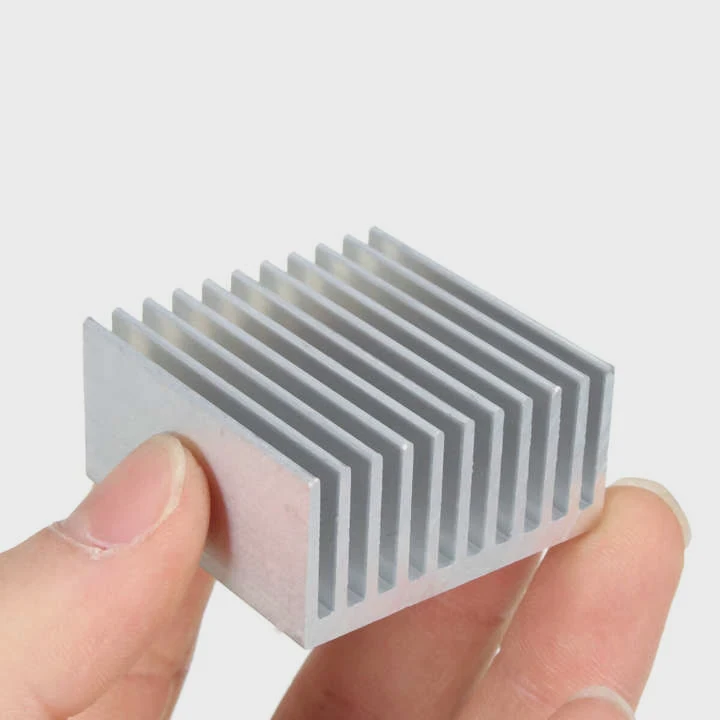
Many companies struggle with heat sinks that no longer match rising power levels, tighter spaces, or new performance goals. This gap often leads to higher temperatures and lower reliability.
Yes. ODM services can upgrade heat sinks through better designs, new materials, improved manufacturing methods, and optimized production processes. A strong ODM partner can improve thermal performance, reduce costs, shorten development time, and support large-scale production.
As electronic devices, energy systems, communication equipment, and industrial machines continue to grow in power density, thermal management becomes more important. Many buyers ask whether an ODM project can do more than simply copy an existing design. The answer is often yes. ODM services can help transform a standard heat sink into a more efficient and competitive thermal solution.
What Enhancements Can ODM Offer?
When a heat sink fails to meet performance targets, many companies assume they need a completely new product. The real problem is often that the original design no longer fits current operating conditions.
ODM services can enhance heat sinks through thermal optimization, structural redesign, weight reduction, airflow improvement, integration of advanced cooling technologies, and better manufacturing processes.
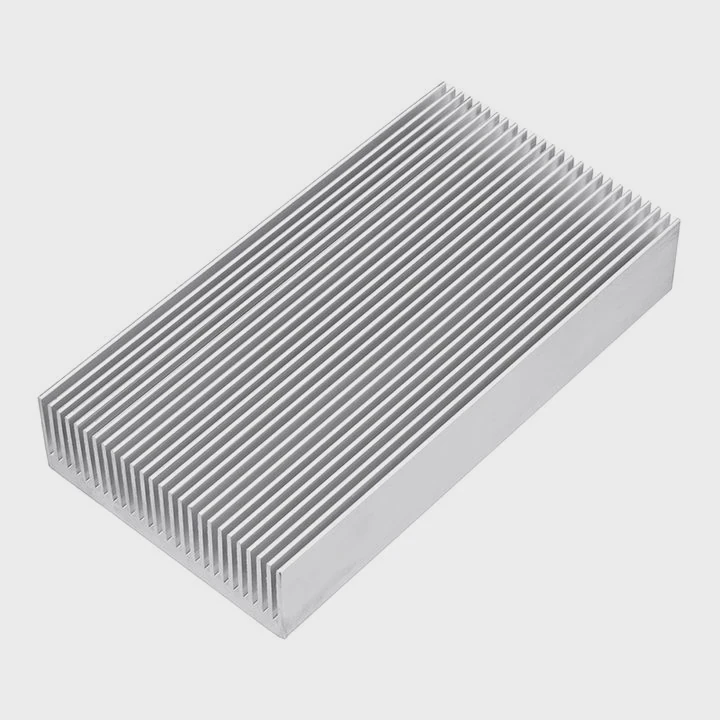
Many buyers first approach an ODM supplier because they need better cooling. Yet thermal performance is only one part of the upgrade process. A good ODM team studies the full application environment before proposing improvements.
Common Upgrade Areas
The first step usually involves thermal analysis. Engineers review heat generation, airflow conditions, installation limits, and environmental requirements. This process often reveals opportunities that were missed during the original design phase.
| Enhancement Area | Typical Benefit |
|---|---|
| Fin structure optimization | Better heat dissipation |
| Weight reduction | Easier installation |
| Airflow redesign | Lower operating temperature |
| Material upgrade | Higher thermal conductivity |
| Integrated cooling module | Improved system efficiency |
Performance Beyond Cooling
Many customers focus only on thermal resistance. However, a modern ODM project often improves multiple factors at the same time.
For example, a rail transit customer may require vibration resistance. A renewable energy manufacturer may need corrosion protection. A medical equipment producer may want quieter operation. ODM engineers can redesign the heat sink to address these goals while maintaining thermal performance.
Better Integration
Another major advantage comes from system integration. Traditional heat sinks are often treated as separate components. ODM development can combine heat sinks with mounting structures, enclosures, liquid cooling channels, vapor chambers, or thermal interface solutions.
This approach reduces assembly complexity and improves overall reliability.
In many projects, the largest improvement comes from understanding how the heat sink interacts with the complete system. A redesign may improve airflow paths, reduce hotspots, and eliminate unnecessary thermal barriers.
From experience, many projects achieve meaningful temperature reductions without dramatically increasing material usage. Small design adjustments can sometimes create larger gains than simply adding more metal. This is why ODM services are often viewed as a strategic upgrade rather than a simple manufacturing service.
Do ODM Solutions Support New Materials?
Many older heat sinks use standard aluminum because it is affordable and easy to manufacture. Yet growing power densities often push traditional materials to their limits.
Yes. ODM solutions frequently support new materials such as copper, vapor chamber structures, phase-change components, composite materials, and advanced aluminum alloys to improve thermal performance.
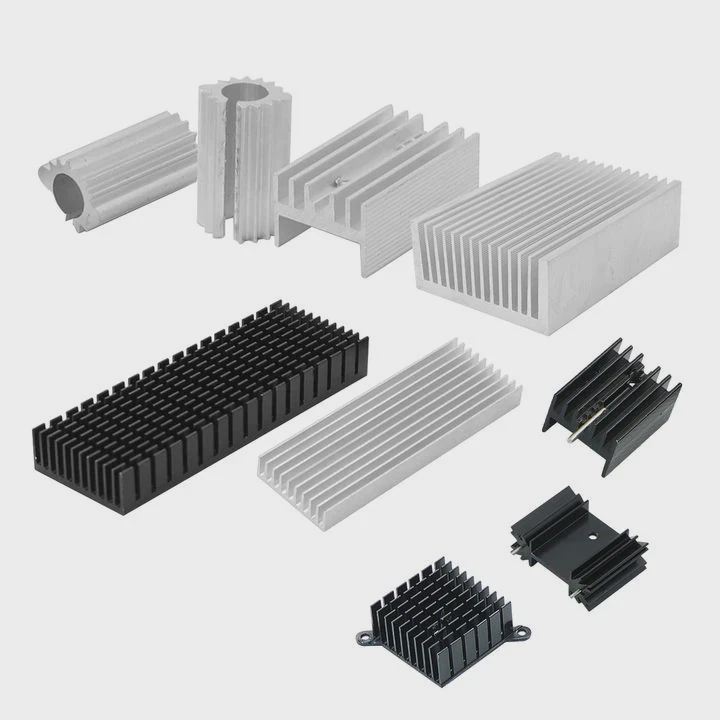
Material selection has a direct impact on thermal performance, weight, cost, and manufacturing complexity. ODM suppliers typically evaluate all these factors before recommending a material upgrade.
Comparing Common Materials
Different applications require different solutions. No single material works best for every project.
| Material | Key Advantage | Common Applications |
|---|---|---|
| Aluminum | Lightweight and economical | General electronics |
| Copper | High thermal conductivity | High-power devices |
| Vapor chamber | Rapid heat spreading | Telecom and servers |
| Phase-change component | Efficient thermal transfer | Advanced electronics |
| Aluminum-copper hybrid | Balanced performance and cost | Industrial systems |
Why Material Selection Matters
Copper provides better thermal conductivity than aluminum. However, it is heavier and more expensive. A direct material replacement is not always the best choice.
ODM engineering teams often use simulations to determine where higher conductivity materials will create the greatest benefit. Sometimes only specific regions require copper, while the remaining structure can stay aluminum.
This hybrid approach controls cost while improving performance.
Advanced Thermal Technologies
Many modern ODM projects go beyond solid metal structures.
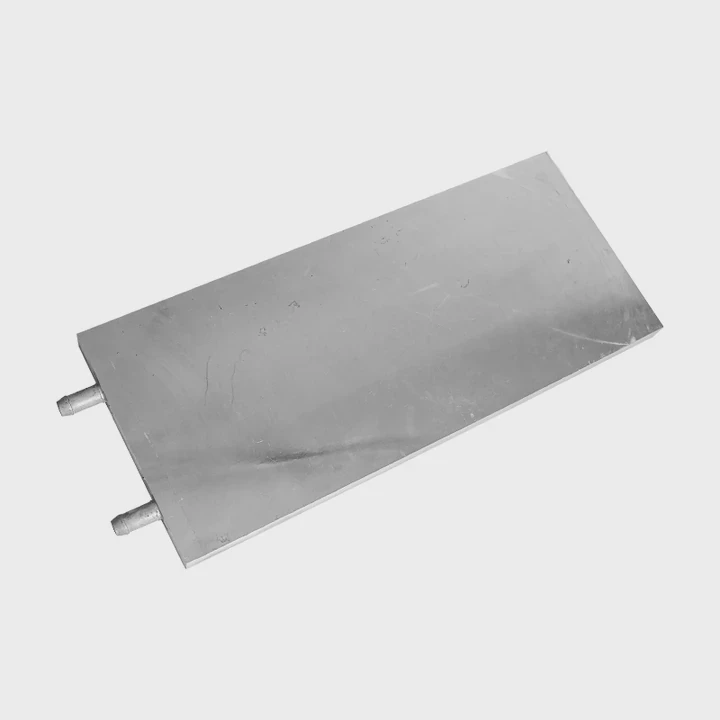
Vapor chambers spread heat quickly across a larger surface area. Phase-change devices transfer heat with very high effective conductivity. Liquid cooling plates remove heat from extremely dense power sources.
These technologies are becoming increasingly common in:
- Data centers
- 5G communication equipment
- Energy storage systems
- Electric vehicles
- Medical devices
- Semiconductor equipment
Balancing Cost and Performance
Material upgrades must make business sense. A customer rarely wants the highest-performing solution if the cost increase is unreasonable.
ODM suppliers typically compare several material options and calculate the expected thermal gain. This process helps customers select the most practical solution.
In many cases, the best design uses a combination of materials and technologies rather than relying on a single material. The goal is to maximize value, not simply maximize conductivity.
As power levels continue to increase across many industries, support for advanced materials has become one of the strongest advantages of ODM heat sink development.
Are Design Changes Included in ODM?
Many buyers wonder whether ODM means only manufacturing or whether actual engineering modifications are included. This question becomes important when existing designs no longer meet performance requirements.
Yes. Design changes are a core part of ODM services. ODM projects often include thermal simulation, structural redesign, material selection, prototype development, testing, and manufacturing optimization.
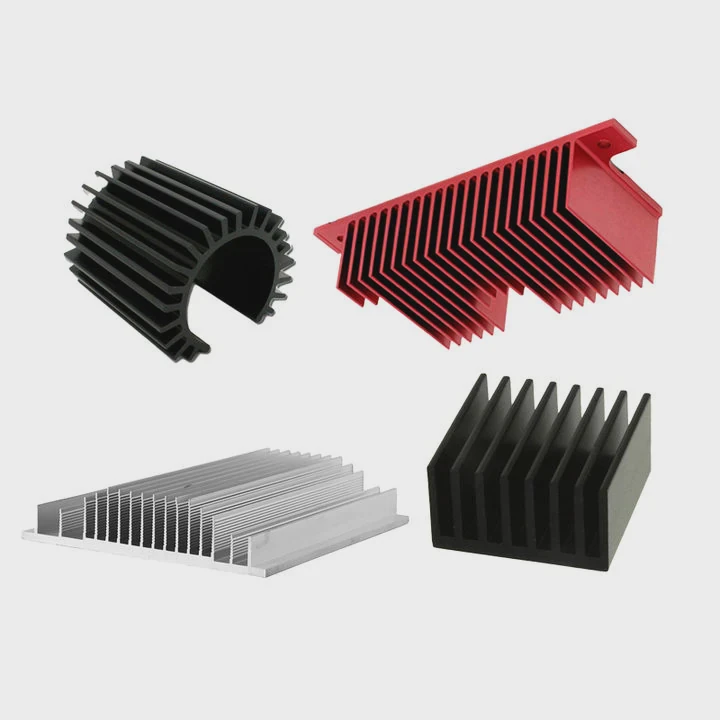
The main difference between OEM and ODM is the level of engineering involvement. In an ODM project, the supplier actively participates in product development.
Design Changes Often Include
An ODM engineering team may modify:
- Fin geometry
- Base thickness
- Airflow channels
- Mounting methods
- Material combinations
- Cooling technologies
- Manufacturing processes
These modifications are based on application requirements rather than generic design rules.
The Development Process
A typical ODM heat sink project follows several stages.
Requirement Analysis
Engineers gather information about:
- Heat load
- Operating environment
- Space limitations
- Reliability targets
- Regulatory requirements
Thermal Simulation
Simulation software predicts temperature distribution and airflow behavior before prototypes are built.
Prototype Verification
Physical samples confirm the simulation results.
Production Validation
Engineers verify that large-scale manufacturing can reproduce the desired performance consistently.
Why Design Flexibility Matters
Many companies inherit heat sink designs that were created years ago. The original design may have been suitable at the time, but operating conditions change.
Processors become faster.
Power modules become denser.
Equipment becomes smaller.
Environmental requirements become stricter.
A fixed design cannot always adapt to these changes.
ODM development provides flexibility. Engineers can redesign the heat sink around current requirements instead of forcing new systems to fit old hardware.
More Than Thermal Improvements
Design changes also affect manufacturing, logistics, and maintenance.
For example, reducing part count can shorten assembly time. A redesigned mounting structure may improve serviceability. Better manufacturability can reduce production costs.
One lesson often learned during ODM projects is that thermal performance is closely connected to the rest of the product. When design changes are approached from a system perspective, improvements often appear in multiple areas at once.
This broader engineering involvement is one of the key reasons companies choose ODM partners when upgrading heat sinks.
Can ODM Optimize Production Efficiency?
A heat sink may perform well in testing yet create problems during manufacturing. High costs, long lead times, and inconsistent quality can reduce the value of an otherwise successful design.
Yes. ODM services can optimize production efficiency by simplifying designs, improving manufacturability, reducing material waste, streamlining assembly, and increasing quality consistency.
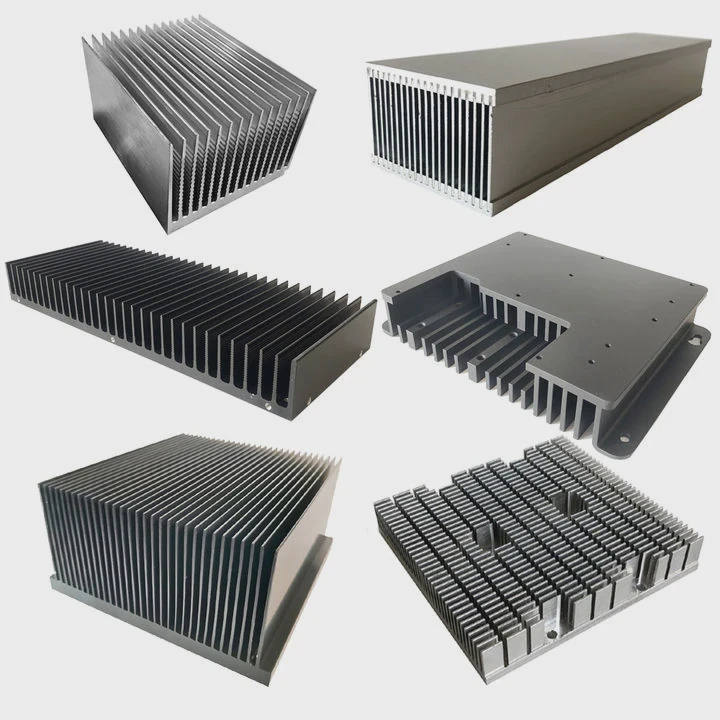
Production efficiency has become increasingly important as supply chains face cost pressure and demand fluctuations.
A strong ODM provider evaluates not only how a heat sink performs but also how efficiently it can be produced.
Design for Manufacturing
Many engineering teams focus primarily on thermal targets. ODM specialists also evaluate manufacturability.
This process may involve:
- Reducing machining operations
- Simplifying weld structures
- Lowering material waste
- Standardizing components
- Improving assembly workflows
These changes often reduce cost without sacrificing performance.
Faster Development Cycles
ODM suppliers usually maintain integrated engineering and manufacturing resources.
This integration allows faster communication between design teams and production teams.
Potential manufacturing issues can be identified early instead of appearing during mass production.
As a result:
- Prototypes arrive faster
- Design revisions happen sooner
- Production launch risks decrease
Quality Consistency
Large-volume production requires repeatability.
Even a small variation in flatness, welding quality, or material thickness can affect thermal performance.
ODM providers often implement process controls and testing procedures to maintain consistency across production batches.
Manufacturing Technologies Matter
Modern production methods can significantly improve efficiency.
Examples include:
Vacuum Brazing
This process creates strong thermal joints while maintaining excellent heat transfer characteristics.
Friction Stir Welding
This method supports reliable joining with minimal distortion.
Laser Welding
Laser welding provides high precision and supports automated production.
Automated Inspection
Automated quality systems improve consistency and reduce human error.
Long-Term Cost Benefits
Some buyers focus only on unit price when evaluating suppliers. However, production efficiency affects total project cost in many ways.
A better-designed heat sink may:
- Require less assembly labor
- Reduce scrap rates
- Lower logistics costs
- Improve production yield
- Reduce warranty risks
These savings often exceed the value of a small reduction in purchase price.
Scaling for Growth
Many companies begin with small prototype quantities and later expand into mass production.
An ODM partner can prepare the design for future growth from the beginning. Manufacturing processes, tooling strategies, and quality controls can be developed with scalability in mind.
This approach prevents expensive redesigns later.
From a business perspective, production optimization is often one of the most valuable outcomes of an ODM project. The benefits continue throughout the product lifecycle and can influence profitability for many years.
Conclusion
ODM services can upgrade heat sinks through enhanced designs, advanced materials, engineering modifications, and more efficient manufacturing methods. A well-executed ODM project improves thermal performance, reliability, scalability, and cost effectiveness while helping products stay competitive in demanding markets.