Do Heat Sink Upgrades Improve Thermal Efficiency?
- Yongxing
- 20 Jul ,2026
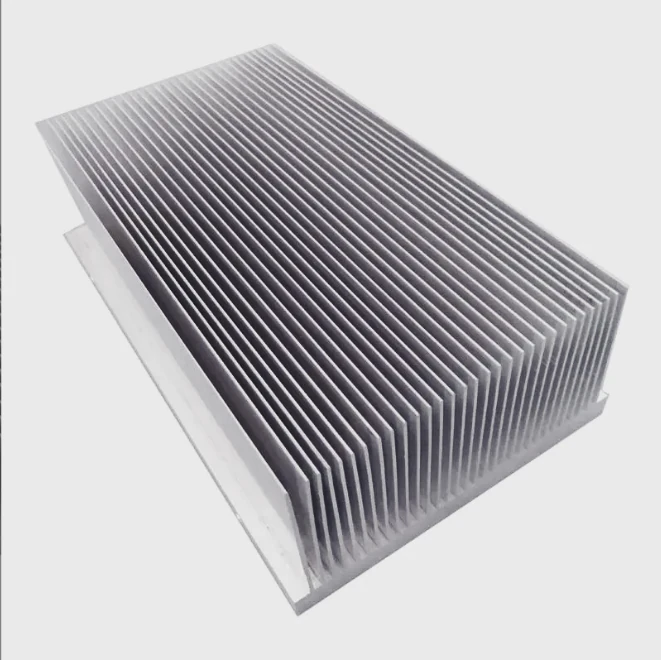
Many industrial systems lose performance because their original cooling design cannot handle higher power demands. When equipment upgrades, heat output often increases, and the existing heat sink may no longer provide enough cooling capacity.
Yes. Heat sink upgrades can improve thermal efficiency by reducing thermal resistance, increasing heat transfer capacity, improving airflow, and helping equipment operate at lower and more stable temperatures.
When I evaluate heat sink upgrade projects, I do not only look at replacing one component with another. A successful upgrade requires understanding the complete thermal system, including the heat source, airflow condition, material selection, and operating environment.
A better heat sink design can extend equipment life, reduce overheating risks, and improve system reliability. However, the best upgrade is not always the largest or most expensive solution. The right improvement depends on the actual thermal challenge.
Which materials enhance heat transfer?
Material selection is one of the most important factors in heat sink performance. Different materials have different abilities to conduct and spread heat.
Materials with high thermal conductivity, such as copper, aluminum alloys, and advanced composite materials, can enhance heat transfer and improve heat sink efficiency.
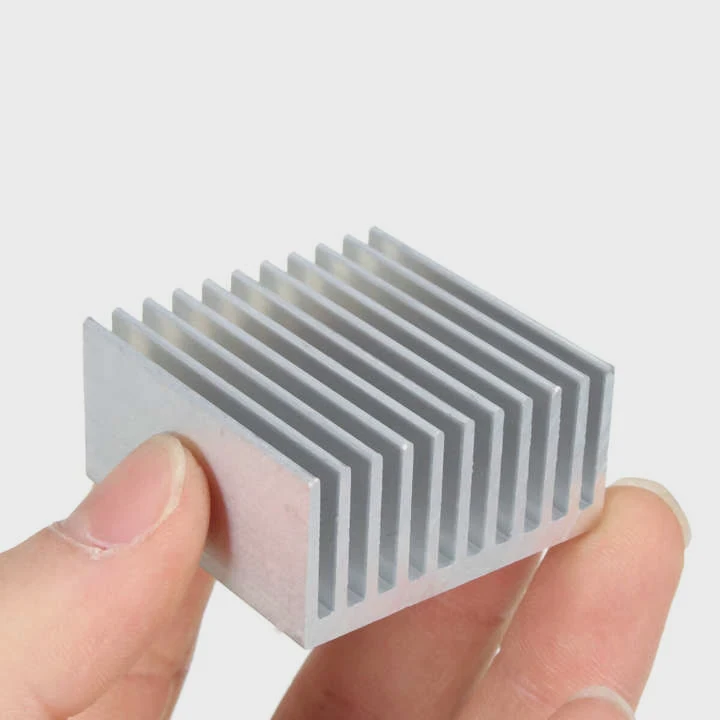
A heat sink transfers heat through several stages. Heat first moves from the electronic component into the heat sink base. Then, the heat spreads through the structure and finally leaves through the fins or cooling surface.
The material affects every stage of this process.
Common Heat Sink Materials
| Material | Thermal Conductivity | Main Advantages | Common Applications |
|---|---|---|---|
| Aluminum 6063 | Good | Lightweight, affordable, easy processing | Industrial electronics |
| Aluminum 6061 | Good | Higher strength | Structural heat sinks |
| Copper | Excellent | Fast heat spreading | High-power electronics |
| Copper-Aluminum Composite | Very good | Balance of weight and performance | Advanced thermal modules |
| Graphite Composite | High | Lightweight heat spreading | Specialized systems |
Aluminum is the most widely used heat sink material in industrial applications. It provides a strong balance between thermal performance, weight, and manufacturing cost.
Many aluminum heat sinks use extrusion manufacturing. This process creates complex fin structures efficiently and supports large-scale production.
Copper provides higher thermal conductivity than aluminum. It can move heat faster and reduce temperature differences across the heat sink.
However, copper also has disadvantages. It is heavier, more expensive, and more difficult to process.
Why Material Upgrade Can Improve Performance
Replacing an aluminum base with copper can improve heat spreading in high-power applications. This is especially useful when the heat source creates concentrated thermal loads.
For example, semiconductor modules, laser systems, and power converters often have small areas that generate large amounts of heat. A higher conductivity material can reduce local temperature peaks.
However, material alone does not solve every cooling problem.
A copper heat sink with poor airflow may perform worse than a well-designed aluminum heat sink with optimized fins.
Thermal efficiency depends on the complete design.
Material Selection Considerations
When selecting materials for a heat sink upgrade, engineers usually consider:
| Consideration | Why It Matters |
|---|---|
| Thermal conductivity | Determines heat transfer speed |
| Density | Influences system weight |
| Cost | Affects project budget |
| Manufacturing method | Determines production feasibility |
| Corrosion resistance | Influences service life |
A successful upgrade chooses the material that matches the application.
For example, a communication cabinet may benefit from lightweight aluminum. A high-power semiconductor system may require copper or a hybrid solution.
The goal is not simply to choose the material with the highest conductivity. The goal is to achieve the best thermal performance within practical engineering limits.
Can fin redesign boost performance?
The fin structure is one of the most important parts of a heat sink. Fins increase surface area and allow heat to transfer into the surrounding air.
Yes. Fin redesign can significantly improve heat sink performance by increasing surface area, optimizing airflow, reducing thermal resistance, and improving heat dissipation efficiency.
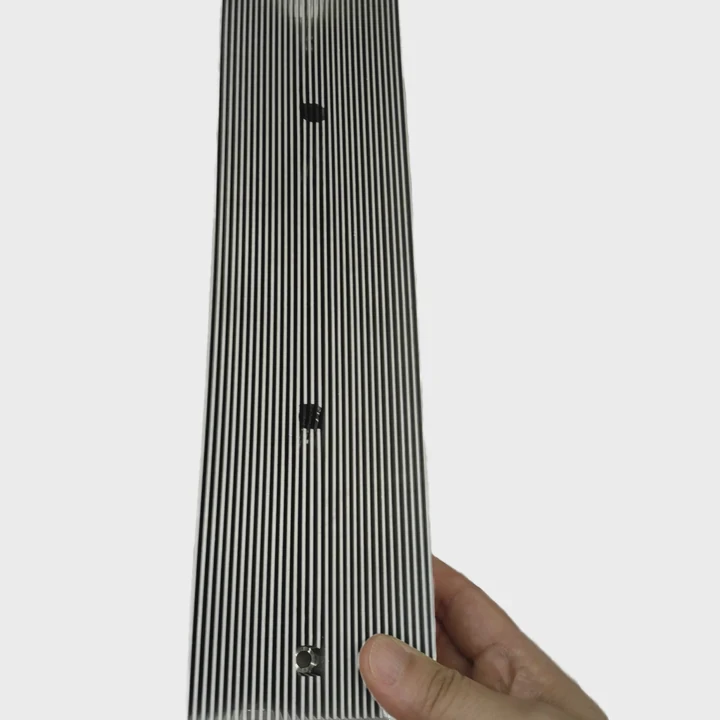
Many heat sink upgrades do not require changing the entire material. A redesigned fin structure can create major improvements.
How Fin Design Affects Cooling
A heat sink fin must balance several factors:
- Surface area
- Airflow resistance
- Fin spacing
- Fin height
- Material thickness
More fins do not always mean better cooling.
If fins are placed too closely together, airflow becomes restricted. Air cannot move effectively between the fins, and heat removal performance decreases.
Common Fin Design Improvements
| Fin Design | Benefit | Limitation |
|---|---|---|
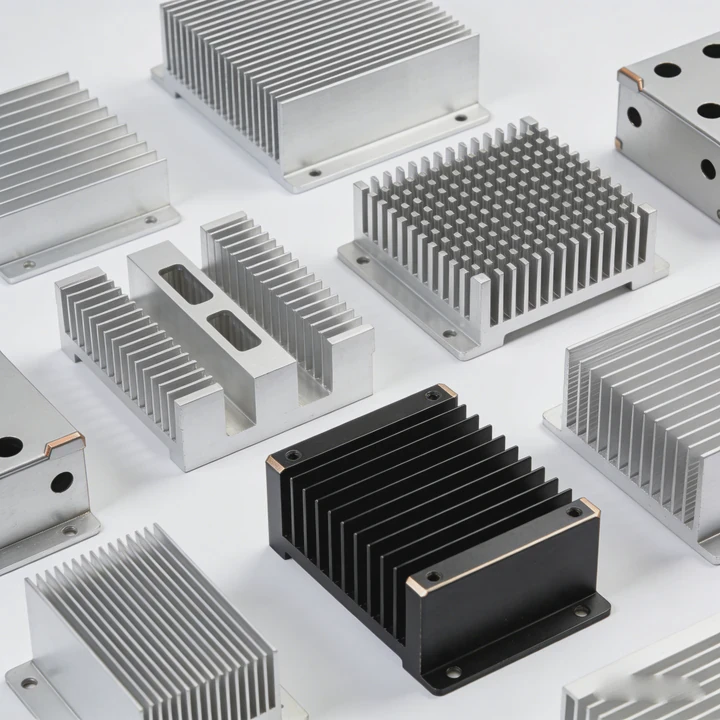
| Higher fins | Larger surface area | May increase airflow resistance |
| Thinner fins | More cooling area | Higher manufacturing difficulty |
| Wider spacing | Better airflow | Lower surface area |
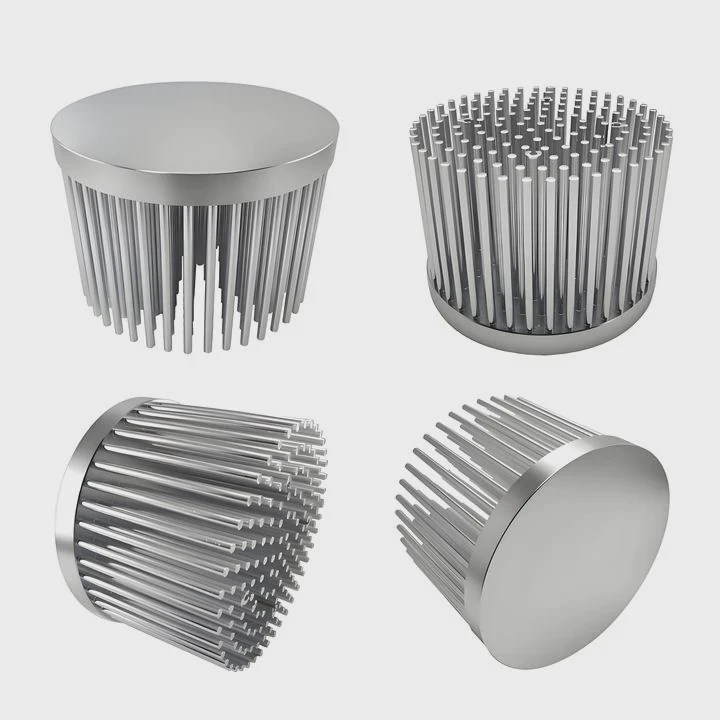
| Pin fins | Multi-directional airflow | More complex manufacturing |
| Skived fins | High fin density | Higher processing cost |
A good fin design depends on the cooling method.
Natural convection systems usually require larger spacing because air movement is limited.
Forced air systems can support denser fin structures because fans create stronger airflow.
Thermal Simulation in Fin Optimization
Modern heat sink upgrades often use thermal simulation before production.
Simulation helps engineers understand:
- Temperature distribution
- Airflow patterns
- Hot spot locations
- Pressure loss
- Cooling improvement potential
This reduces development time and prevents expensive trial-and-error production.
Example of Fin Improvement
An original heat sink may use a simple rectangular fin structure. After analysis, engineers may redesign it with:
- Optimized fin height
- Reduced fin thickness
- Improved airflow channels
- Better base-to-fin connection
The result can be lower operating temperature without increasing the overall product size.
Fin redesign is especially valuable when equipment space is fixed. Instead of making the heat sink larger, engineers improve how the existing space is used.
A well-designed fin structure can increase cooling capacity while keeping weight and cost under control.
Are hybrid solutions more effective?
Modern industrial systems often create more heat than traditional heat sinks can manage. In these cases, combining different cooling technologies can provide better results.
Yes. Hybrid heat sink solutions are often more effective because they combine multiple technologies, such as aluminum structures, copper bases, heat pipes, vapor chambers, and liquid cooling methods.
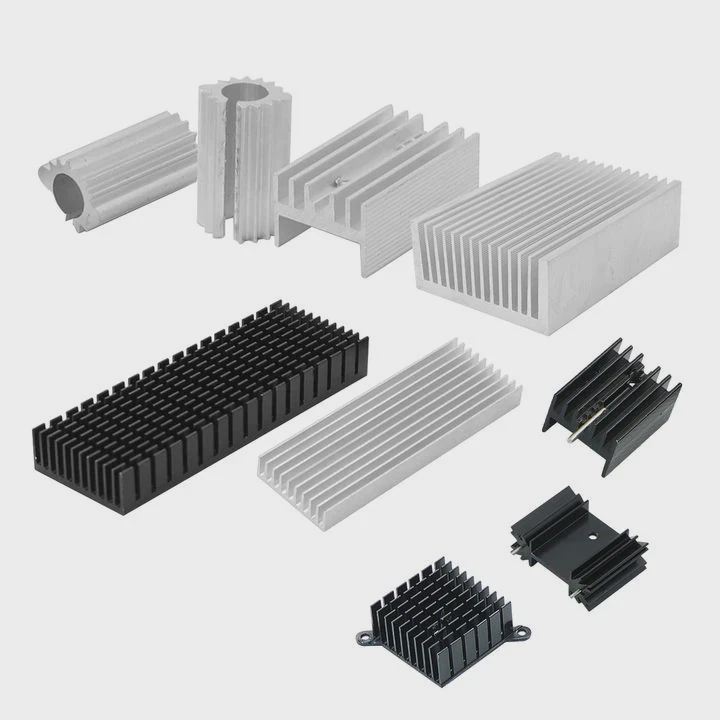
A hybrid solution uses different materials or cooling methods together. Each part handles a specific thermal challenge.
Common Hybrid Heat Sink Designs
| Hybrid Solution | Structure | Main Benefit |
|---|---|---|
| Copper-Aluminum Heat Sink | Copper base + aluminum fins | Better spreading with lower weight |
| Heat Pipe Heat Sink | Heat pipes + fins | Transfers heat over distance |
| Vapor Chamber System | Vapor chamber + heat sink | Fast heat spreading |
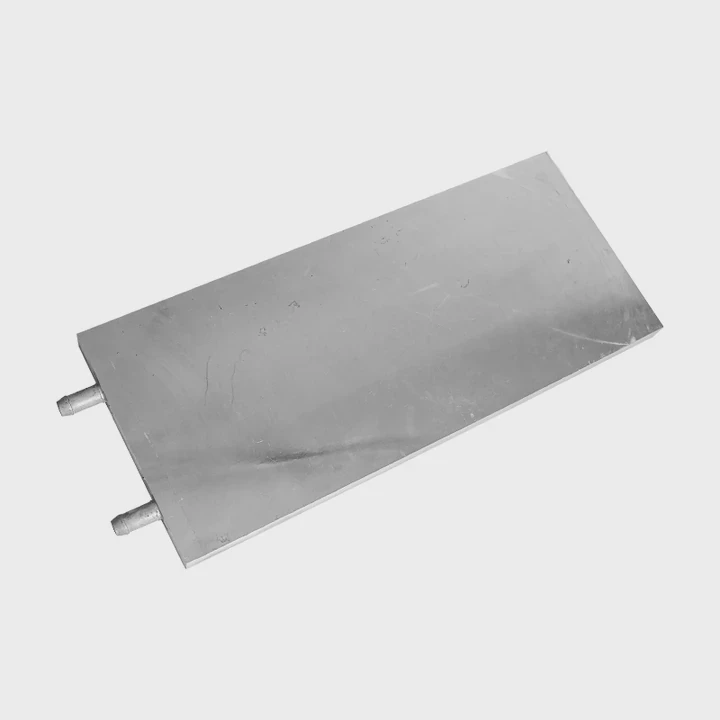
| Liquid Cooling Plate | Metal plate + coolant channels | High-power cooling |
Why Hybrid Designs Work Better
Different cooling technologies have different strengths.
Copper is excellent for heat spreading.
Aluminum is excellent for lightweight structures.
Heat pipes transfer heat quickly from concentrated areas.
Liquid cooling removes large amounts of heat.
By combining these technologies, engineers can solve complex thermal problems.
For example, a battery system may use a liquid cooling plate for the battery cells and aluminum heat sinks for electronic control modules.
A communication system may use a vapor chamber to spread heat from a high-power chip and an aluminum fin structure to release heat into the air.
When Hybrid Solutions Are Necessary
Hybrid solutions become valuable when:
- Heat density is very high
- Installation space is limited
- Weight restrictions exist
- Operating conditions are difficult
- Reliability requirements are strict
However, hybrid designs also increase complexity.
They may require:
- More manufacturing steps
- Higher production costs
- Additional quality control
Therefore, engineers should compare the thermal improvement with the total project value.
A simple heat sink upgrade may be enough for many applications. A hybrid solution is most useful when standard designs cannot meet thermal requirements.
Do coatings contribute to better thermal management?
Surface coatings are often discussed as a way to improve heat sink performance. Although coatings cannot replace good design, they can provide additional benefits.
Yes. Certain coatings can contribute to better thermal management by improving corrosion resistance, surface durability, heat radiation, and long-term reliability.
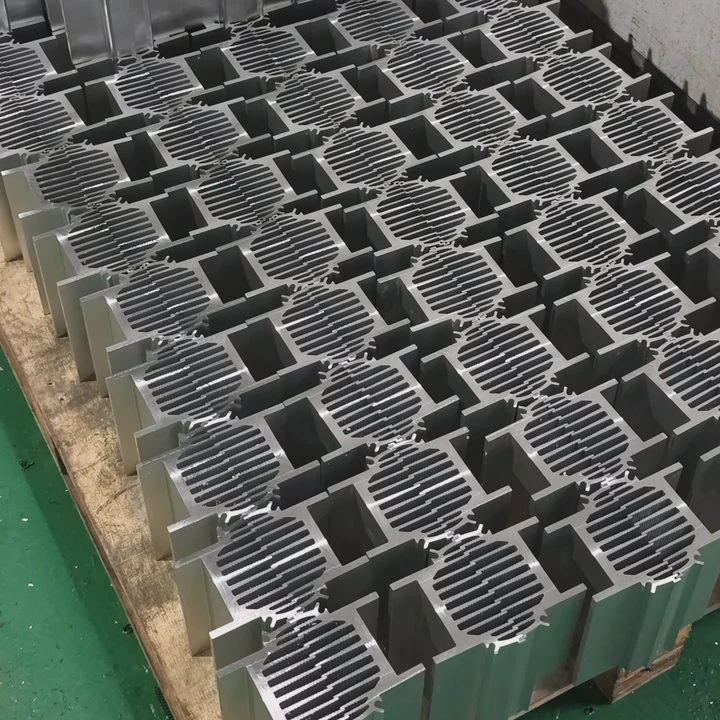
A heat sink surface interacts directly with the surrounding environment. The condition of this surface affects how the product performs over time.
Common Heat Sink Coatings
| Coating Type | Main Function | Application |
|---|---|---|
| Anodizing | Corrosion protection and durability | Aluminum heat sinks |
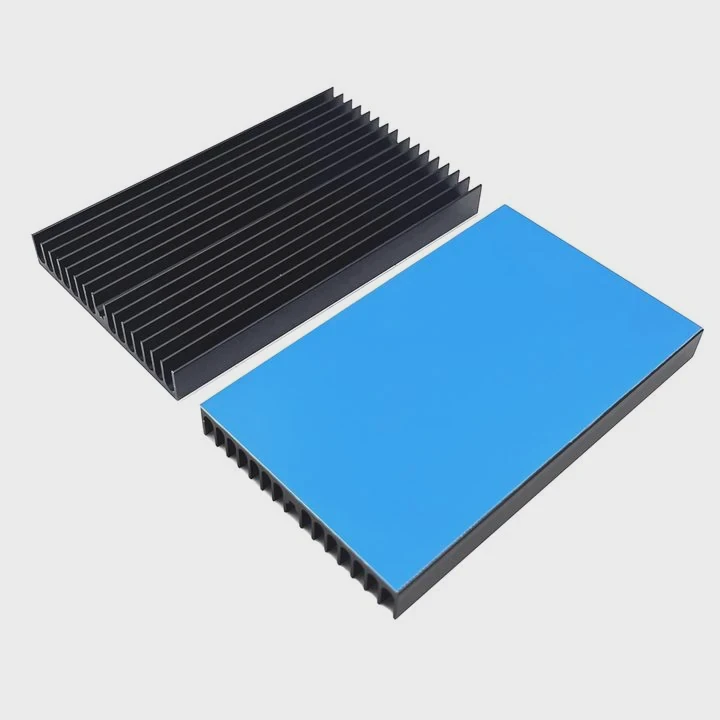
| Black coating | Improves radiation performance | Passive cooling systems |
| Protective coating | Environmental resistance | Outdoor equipment |
| Plating | Surface protection | Special applications |
How Coatings Improve Thermal Performance
For passive heat sinks, radiation can contribute to heat removal. Dark surfaces can improve radiation efficiency in certain conditions.
Coatings can also protect the heat sink from corrosion.
Corrosion changes the surface condition and may reduce long-term performance. A protective coating helps maintain the original design quality.
Coatings Are Not a Replacement for Design
A coating cannot solve fundamental thermal problems.
If a heat sink has insufficient surface area, poor airflow, or incorrect material selection, adding a coating will not create a major improvement.
The basic thermal design must come first.
Coatings provide additional protection and optimization after the main design is correct.
Choosing the Right Upgrade Strategy
A heat sink upgrade should consider the complete system.
Engineers should evaluate:
- Current temperature problems
- Heat generation increase
- Available installation space
- Cooling environment
- Required service life
- Production budget
Sometimes a fin redesign creates the biggest improvement.
Sometimes a material change is better.
Sometimes a hybrid solution is necessary.
The best upgrade combines thermal engineering knowledge with practical manufacturing experience.
Conclusion
Heat sink upgrades can improve thermal efficiency through better materials, optimized fins, hybrid technologies, and protective coatings. The right upgrade depends on the application, heat load, and system requirements. A well-designed heat sink solution improves reliability and extends equipment life.