Do OEM services include heat sink customization?
- Yongxing
- 20 Jul ,2026
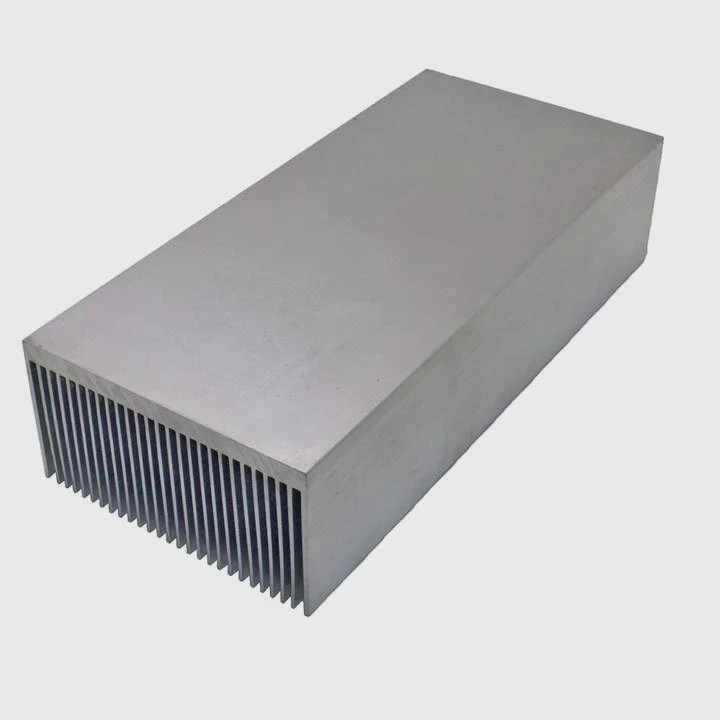
Many companies need better cooling solutions, but standard heat sinks often cannot match special equipment needs. Poor thermal design can increase costs, reduce product life, and create performance risks.
OEM services usually include heat sink customization because manufacturers can change the structure, material, size, finish, and thermal design based on customer requirements. A professional OEM partner can support the full process from design review to mass production.
When I work with OEM heat sink projects, I see that customization is not only about changing a shape. It is about creating a cooling solution that fits the real working environment. The right OEM process connects product design, thermal performance, manufacturing ability, and quality control.
Which features can OEM modify?
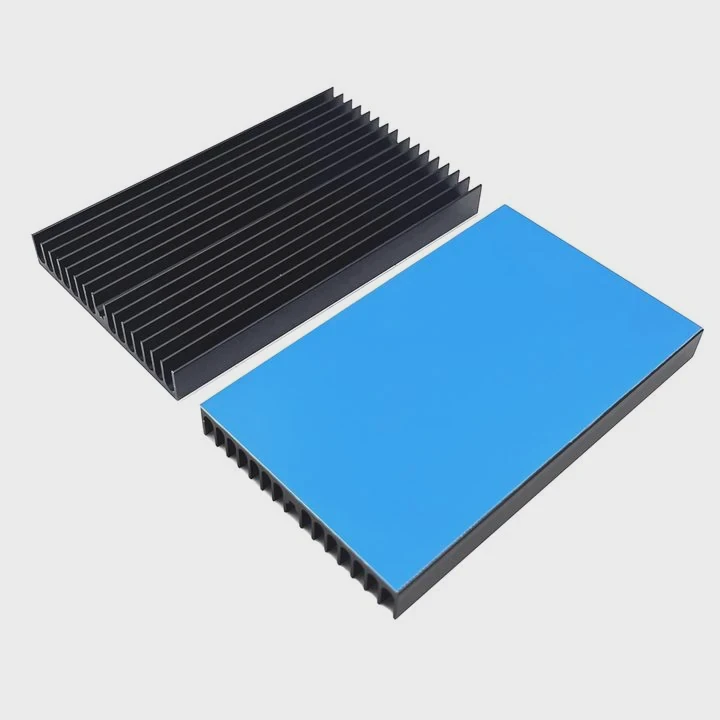
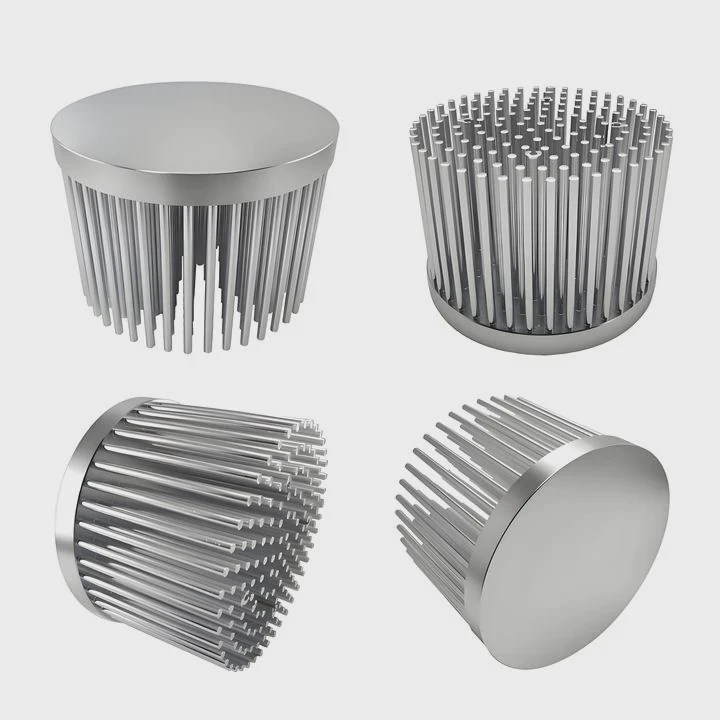
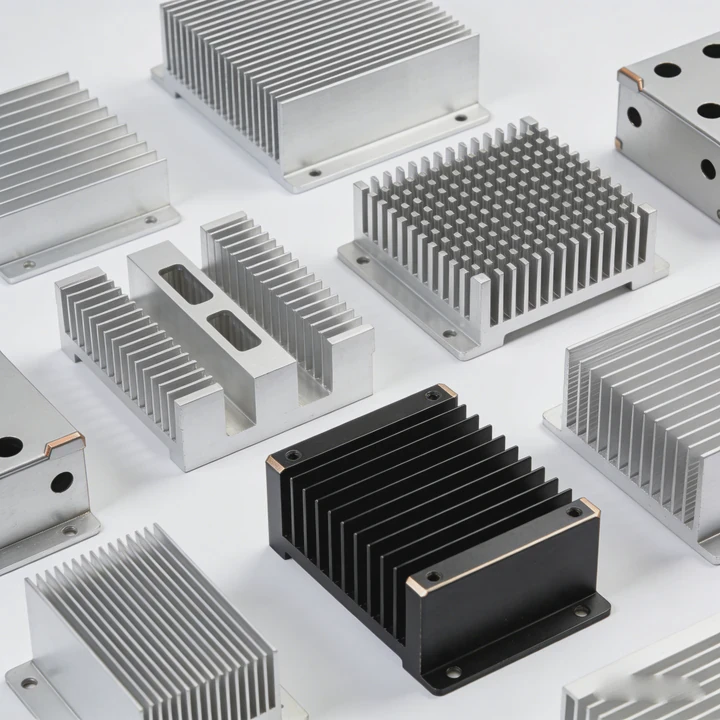
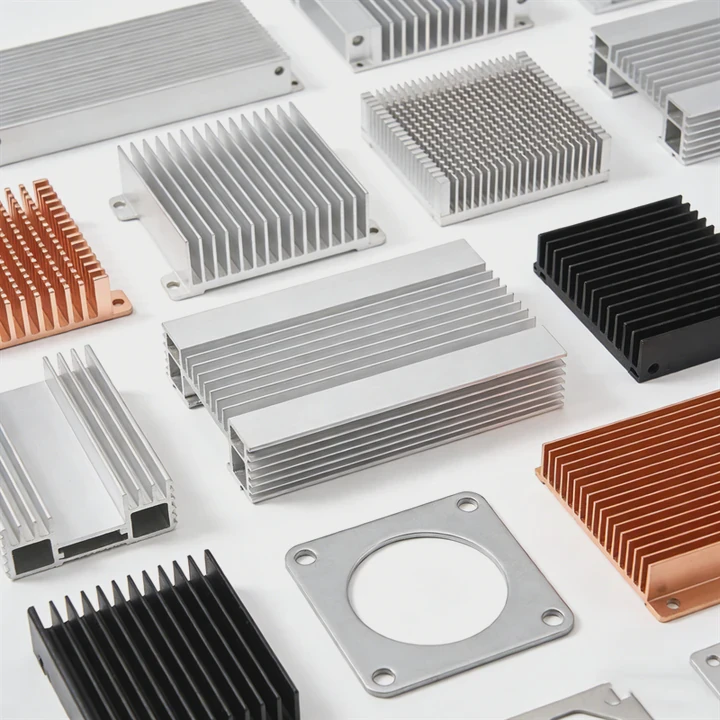
OEM heat sink services can modify many features, including size, shape, material, surface treatment, mounting method, and internal structure. These changes help the heat sink match different devices and improve overall cooling performance.
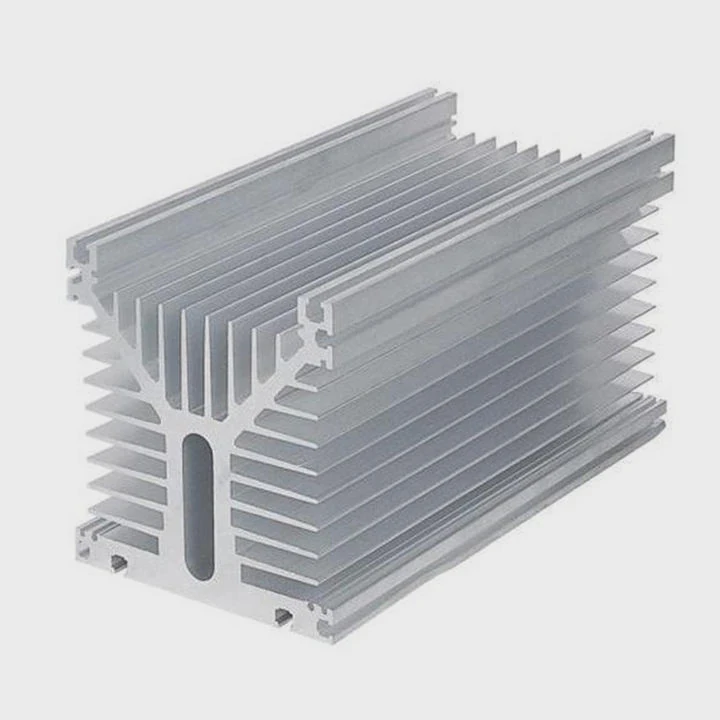
A custom heat sink starts from the actual needs of the application. Different industries have different thermal problems. A communication device may need a compact aluminum heat sink. A railway system may need a strong and reliable cooling module. A high-power electronic system may need liquid cooling or advanced thermal solutions.
OEM manufacturers usually review several important areas before making a customized heat sink.
| OEM customization area | Common modification options | Purpose |
|---|---|---|
| Material selection | Aluminum, copper, aluminum-copper combination | Improve heat transfer or reduce weight |
| Heat sink shape | Extruded profile, CNC structure, fin design, modular design | Match installation space |
| Surface treatment | Anodizing, coating, plating | Improve protection and appearance |
| Mounting design | Holes, brackets, clips, integrated structures | Simplify assembly |
| Thermal structure | Fins, heat pipes, vapor chambers, liquid channels | Improve cooling efficiency |
The first feature that OEM can modify is the material. Aluminum is widely used because it is light, cost-effective, and easy to process. Copper provides higher thermal conductivity, but it is heavier and usually more expensive. Some advanced systems use mixed materials to balance weight, cost, and thermal performance.
The second feature is the physical structure. A standard heat sink may not fit a customer’s equipment because the installation space is limited. OEM manufacturers can adjust fin height, fin spacing, base thickness, and overall dimensions. These changes can help improve airflow and reduce thermal resistance.
The third feature is the connection method. Many customers need heat sinks that can directly connect with their existing systems. OEM suppliers can design special brackets, screw positions, and assembly methods. This reduces installation difficulty and helps customers save production time.
The fourth feature is surface treatment. A heat sink may work in outdoor, industrial, or transportation environments. Different surface treatments can improve corrosion resistance and product durability.
I also find that thermal design is closely connected with manufacturing ability. A good design must not only perform well but also be possible to produce. During OEM projects, engineers usually balance thermal goals, production cost, and long-term reliability.
For example, a customer may request a very thin heat sink with extremely high cooling performance. The engineering team needs to check if the fin structure, material thickness, and production process can support this goal. A successful OEM project requires communication between the customer and manufacturer.
Are design approvals required?
Design approvals are often required for OEM heat sink projects because both customers and manufacturers need to confirm that the final product meets technical expectations. Approval steps help reduce mistakes before mass production.
In OEM manufacturing, design approval is an important step because a heat sink is usually part of a larger system. A small change in size or structure can affect assembly, thermal performance, and product reliability.
The approval process usually starts with technical communication. The customer provides product information, including installation space, power level, operating conditions, and cooling requirements. The manufacturer then reviews the requirements and creates a suitable design proposal.
| Approval stage | Main activities | Expected result |
|---|---|---|
| Requirement review | Check thermal needs, size limits, and application environment | Clear project requirements |
| Design review | Evaluate drawings, materials, and production methods | Approved engineering design |
| Prototype approval | Test sample performance and assembly | Confirm design feasibility |
| Mass production approval | Check quality standards and process stability | Start regular production |
A design drawing is usually the first key approval document. It shows dimensions, tolerances, materials, and special requirements. Both sides review the drawing carefully because production errors can become expensive after mass production starts.
Thermal simulation is another important part of approval. Engineers may use simulation tools to predict temperature distribution and heat transfer behavior. These results help customers understand whether the design can meet their targets.
Prototype testing is also valuable. A computer model can provide useful information, but a physical sample can show real performance. During prototype testing, engineers can check temperature, airflow, mechanical strength, and installation compatibility.
I believe approval is not a delay. It is a protection step. Many OEM projects involve expensive equipment, and changing a design after production begins can create large costs. Early approval helps both sides avoid unnecessary changes.
Some industries have stricter approval requirements. Transportation, medical equipment, aerospace, and industrial systems often require detailed documents and reliability tests. Customers in these fields usually need clear records about materials, processes, and test results.
A professional OEM supplier should provide complete technical support during approval. This support may include 3D models, drawings, thermal analysis reports, test reports, and production samples.
Good communication is also important. Customers should explain their real working conditions, not only the product size. Manufacturers need to understand how the heat sink will operate because thermal performance depends on the full system.
For example, a heat sink used in a factory environment may face dust, vibration, and continuous operation. A heat sink used in consumer electronics may focus more on size and appearance. Different applications need different approval standards.
When both sides complete design approval carefully, the OEM process becomes smoother. The final heat sink is more likely to meet performance goals and production expectations.
Can OEM improve thermal performance?
OEM services can improve thermal performance because manufacturers can redesign the heat sink according to actual heat problems instead of using a general product. A customized design can reduce temperature, improve reliability, and support higher power levels.
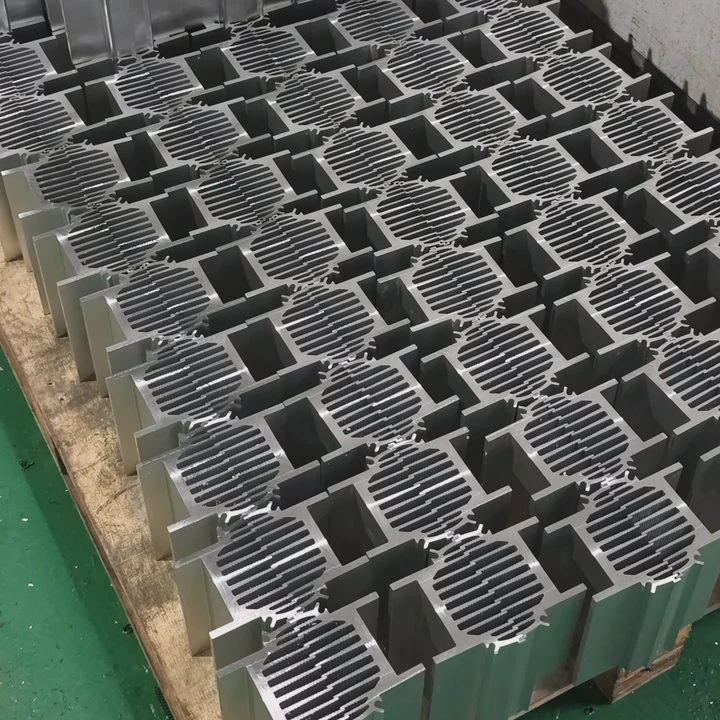
Thermal performance depends on many factors. The heat source, contact area, airflow condition, material, and cooling structure all influence the final result. OEM customization allows engineers to study these factors and create a better cooling solution.
A common improvement method is increasing heat transfer efficiency. Engineers can adjust the base plate thickness, fin structure, and material selection. A better connection between the heat source and heat sink can reduce heat resistance.
Another method is using advanced cooling technologies. Traditional aluminum heat sinks are suitable for many applications, but high-power systems may need more advanced solutions.
| Thermal improvement method | Application example | Benefit |
|---|---|---|
| Optimized fin design | Power electronics and communication equipment | Better airflow and heat dissipation |
| Copper base structure | High-power semiconductor systems | Faster heat transfer |
| Vapor chamber integration | Compact high-performance devices | Spread heat quickly |
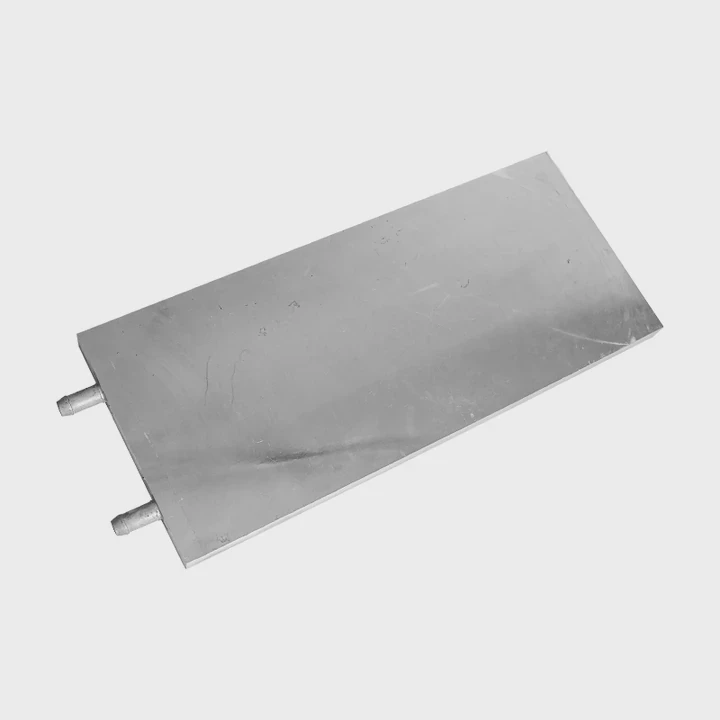
| Liquid cooling channel | Energy storage and industrial equipment | Handle higher heat loads |
The first step in improving thermal performance is understanding the heat source. A heat sink cannot work effectively if engineers do not know the real power level and operating environment.
For example, a device that generates short-term high heat may need a different solution from a device that produces stable heat for many hours. OEM engineers consider these differences when designing the cooling structure.
Airflow is another important factor. Many people focus only on the heat sink material, but airflow design also affects cooling results. The fin direction, fin spacing, and installation position can change how air moves through the heat sink.
OEM services can also improve reliability. Lower operating temperatures usually help electronic components work longer. This is especially important for industrial equipment, transportation systems, and energy products where downtime creates high costs.
In my experience, the best thermal solutions come from cooperation between the customer and engineering team. Customers understand the equipment application, while manufacturers understand heat sink design and production methods. Together, they can create a more effective solution.
A customized heat sink does not always mean a larger product. Sometimes a smaller but better-designed structure can provide stronger cooling performance. Good thermal design focuses on efficiency, not only size.
Do OEM options affect lead time?
OEM options can affect lead time because customized heat sinks require additional engineering, tooling, testing, and production preparation. However, good project management can control the schedule and reduce unnecessary delays.
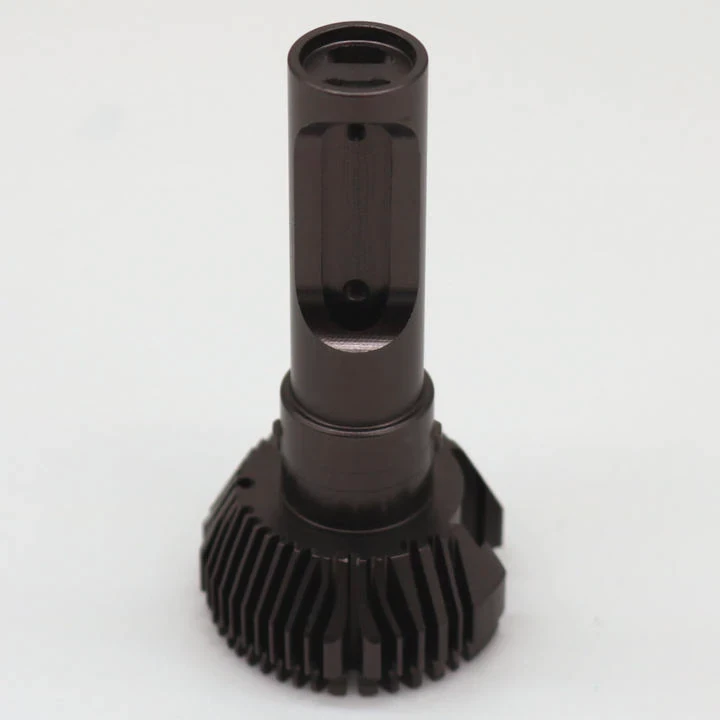
The lead time of an OEM heat sink project depends on several factors. A simple modification may require only a short development period, while a complex thermal module may need more time for design and testing.
The first factor is design complexity. A standard heat sink profile can usually move into production faster because the manufacturing process already exists. A completely new design needs engineering work, drawing approval, and prototype confirmation.
The second factor is tooling. Some custom heat sinks require new extrusion tools, molds, or special fixtures. These preparation steps increase the project timeline but can support stable mass production later.
| Project factor | Effect on lead time | Management approach |
|---|---|---|
| New design development | Adds engineering time | Complete requirements early |
| Prototype testing | Requires sample evaluation | Plan testing schedule clearly |
| Special materials | May increase preparation time | Confirm supply channels |
| Large production volume | Needs production planning | Reserve manufacturing capacity |
The third factor is communication speed. Many delays happen because technical information is incomplete or approval feedback takes too long. Clear communication between the customer and supplier helps keep the project moving.
Customers can reduce lead time by preparing key information early. Important details include product drawings, heat requirements, installation conditions, quantity forecasts, and quality standards.
OEM customization may add time at the beginning, but it can create benefits during long-term production. A well-designed heat sink can reduce assembly problems, improve product performance, and support stable manufacturing.
I also believe customers should consider total project value instead of only initial delivery time. A faster but unsuitable heat sink may create problems later. A carefully developed OEM solution can provide better results during the entire product life cycle.
A strong OEM partner should provide a clear development timeline. This timeline should include design review, prototype production, testing, approval, and mass production stages.
When the supplier has strong engineering experience and complete manufacturing capability, OEM customization becomes more efficient. The goal is not only to produce a heat sink quickly. The goal is to produce the right heat sink with stable quality and reliable performance.
Conclusion
OEM heat sink services usually include deep customization options. They help companies achieve better fit, stronger thermal performance, and reliable production. A professional OEM process connects design, testing, and manufacturing to create effective cooling solutions.