How Often Should Heat Sinks Be Maintained?
- Yongxing
- 06 Jul ,2026
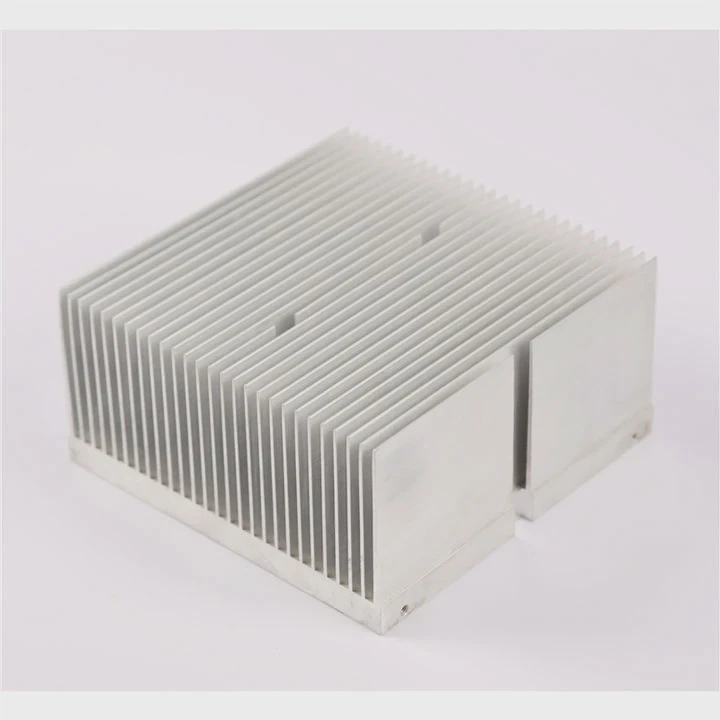
Many thermal systems lose efficiency over time. Poor maintenance often stays hidden until temperatures rise, equipment slows down, or unexpected failures occur.
Heat sinks should be maintained on a regular schedule based on the operating environment, heat load, and system design. Most industrial systems benefit from inspections every 3 to 12 months, while dusty or high-temperature environments may require more frequent cleaning and maintenance.
Many engineers focus on heat sink design during product development. Yet long-term performance depends just as much on maintenance. A well-designed heat sink can still suffer from dust buildup, airflow restrictions, corrosion, or loose mounting hardware. Understanding when and how to maintain heat sinks helps protect equipment, improve efficiency, and extend service life.
Do Industrial Systems Require Scheduled Cleaning?
Small amounts of contamination can slowly reduce cooling efficiency. Many facilities do not notice the problem until equipment temperatures begin to rise.
Yes. Most industrial systems require scheduled heat sink cleaning because airborne particles, oil mist, moisture, and debris gradually reduce heat transfer efficiency and airflow performance. A preventive cleaning schedule helps maintain stable operating temperatures and reduces the risk of equipment failure.
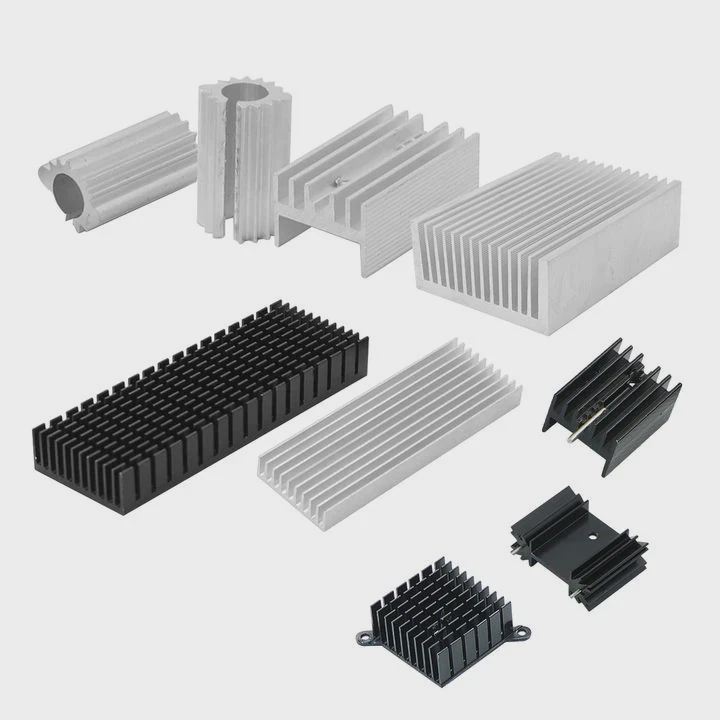
Industrial environments are rarely clean. Manufacturing plants, transportation systems, energy facilities, and outdoor installations all expose heat sinks to contaminants. These contaminants settle on fins and airflow channels. Over time they form an insulating layer that prevents efficient heat dissipation.
Why Scheduled Cleaning Matters
Heat sinks work by transferring heat from a source into surrounding air or liquid. Any material that blocks this transfer process increases thermal resistance.
Common contamination sources include:
| Contaminant Type | Typical Source | Impact on Heat Sink |
|---|---|---|
| Dust | Workshops, factories | Blocks airflow |
| Oil Mist | Machinery and production lines | Creates sticky insulation layer |
| Salt Residue | Coastal locations | Promotes corrosion |
| Pollen | Outdoor equipment | Restricts fin spacing |
| Metal Particles | Machining operations | Accumulates in airflow paths |
A maintenance schedule prevents these contaminants from reaching harmful levels.
Cleaning Frequency by Environment
Different environments require different cleaning intervals.
| Environment | Suggested Inspection Interval | Suggested Cleaning Interval |
|---|---|---|
| Clean Electronics Room | 12 Months | 12 Months |
| Standard Industrial Facility | 6 Months | 6 Months |
| Heavy Manufacturing Plant | 3 Months | 3 Months |
| Outdoor Installation | 3-6 Months | 3-6 Months |
| Mining or Cement Plant | Monthly | 1-3 Months |
What Happens Without Cleaning?
A neglected heat sink may continue functioning for months or years. However, thermal performance slowly declines.
In many industrial projects, temperature increases of only a few degrees can accelerate component aging. Semiconductor devices, power electronics, batteries, and communication equipment are especially sensitive to heat. As temperatures rise, reliability decreases and maintenance costs often increase.
Scheduled cleaning provides a low-cost way to maintain stable thermal performance. It also allows technicians to identify other issues such as corrosion, vibration damage, and mounting problems before they become serious failures.
Can Dust Accumulation Affect Performance?
Many operators underestimate dust because it appears harmless. In reality, dust is one of the most common causes of heat sink performance degradation.
Yes. Dust accumulation can significantly reduce heat sink performance by blocking airflow, increasing thermal resistance, and trapping heat. Even a thin layer of dust can reduce cooling efficiency and cause higher operating temperatures.
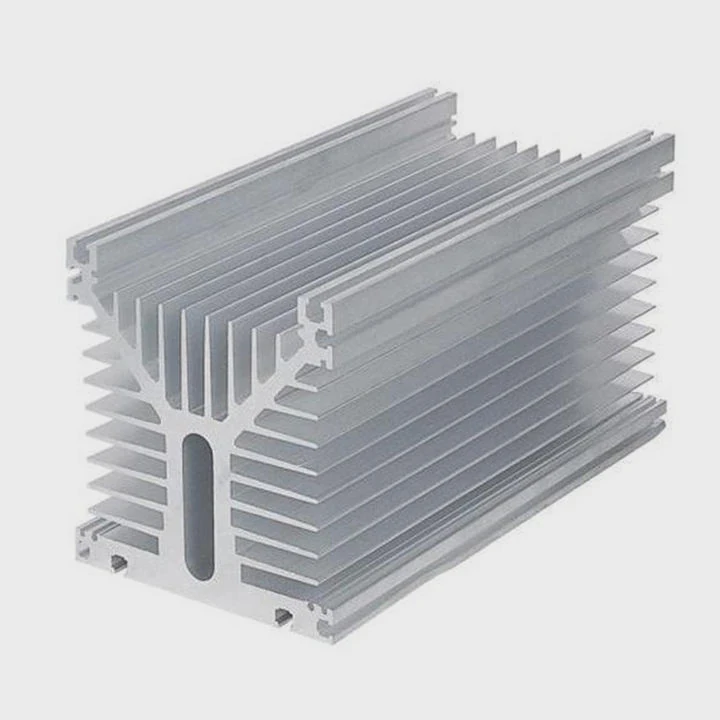
Dust affects heat sinks in several ways. First, it forms an insulating barrier on fin surfaces. Second, it narrows the air channels between fins. Third, it can interfere with cooling fans and airflow systems.
How Dust Changes Thermal Performance
Heat transfer depends on direct contact between the heat sink surface and moving air. Dust interrupts this process.
A clean fin surface allows efficient convection. A dusty surface creates resistance that slows heat removal.
Typical Effects of Dust Buildup
| Dust Condition | Airflow Impact | Thermal Impact |
|---|---|---|
| Light Dust | Minimal | Small temperature increase |
| Moderate Dust | Reduced airflow | Noticeable temperature rise |
| Heavy Dust | Severe blockage | Significant overheating risk |
| Dust Mixed with Oil | Major restriction | Critical thermal degradation |
In forced-air systems, dust can have an even greater effect because airflow velocity directly influences cooling performance.
Dust and Fan-Cooled Systems
Fan-cooled heat sinks depend on continuous airflow.
Dust accumulation can:
- Reduce fan efficiency
- Increase fan power consumption
- Create airflow imbalance
- Cause vibration
- Shorten fan lifespan
When dust coats fan blades, airflow volume decreases. The heat sink receives less cooling air, which causes temperatures to rise further.
Hidden Costs of Dust
Many companies focus on energy consumption but overlook thermal maintenance.
Higher operating temperatures can lead to:
- Reduced electronic component lifespan
- Increased shutdown frequency
- Lower production efficiency
- More maintenance interventions
- Higher replacement costs
A simple cleaning procedure often restores much of the original thermal performance. For this reason, dust control remains one of the most effective preventive maintenance practices in thermal management systems.
Which Maintenance Procedures Extend Lifespan?
Many heat sinks are mechanically durable. Yet supporting components and interfaces often determine overall system lifespan.
The most effective maintenance procedures include cleaning fins, checking mounting hardware, inspecting thermal interface materials, verifying airflow performance, and monitoring operating temperatures. These actions help preserve thermal efficiency and extend equipment life.
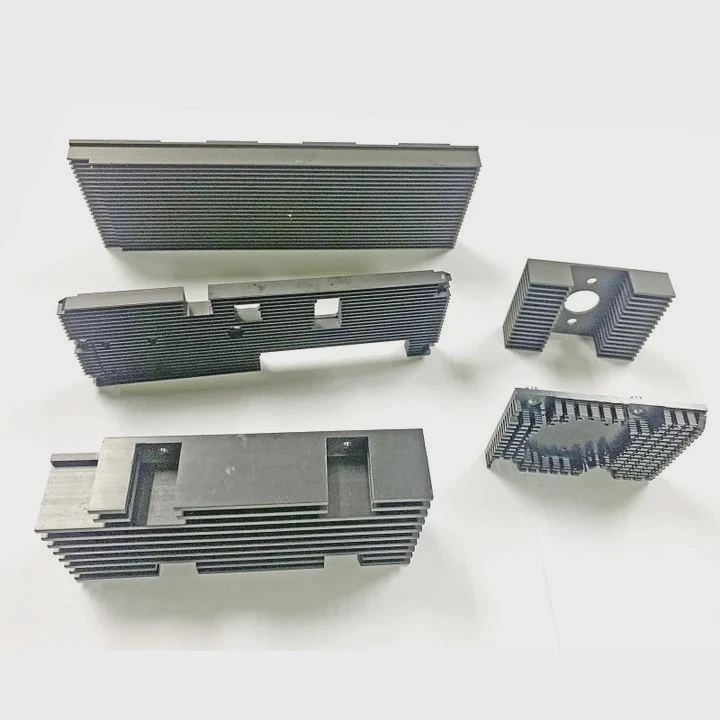
Heat sink maintenance involves much more than removing dust. A complete maintenance program addresses all factors that influence heat transfer.
Fin Surface Cleaning
The first step is removing contamination from cooling surfaces.
Technicians commonly use:
- Compressed air
- Soft brushes
- Vacuum systems
- Non-corrosive cleaning solutions
The cleaning method depends on fin geometry and contamination type.
Thermal Interface Material Inspection
Heat sinks rarely contact heat-generating devices directly. Most systems use thermal interface materials between surfaces.
Examples include:
- Thermal grease
- Thermal pads
- Phase change materials
Over time these materials may dry out, crack, or lose contact pressure.
When this happens, thermal resistance increases.
Mounting System Verification
Mechanical attachment plays a major role in thermal performance.
Inspectors should check:
| Inspection Item | Purpose |
|---|---|
| Fasteners | Ensure proper clamping force |
| Springs | Maintain contact pressure |
| Brackets | Prevent vibration damage |
| Surface Contact | Ensure even heat transfer |
| Alignment | Avoid uneven loading |
Loose mounting hardware can create air gaps that significantly reduce cooling effectiveness.
Airflow System Evaluation
Many heat sinks depend on external airflow.
Maintenance teams should verify:
- Fan operation
- Air filter condition
- Air duct cleanliness
- Airflow direction
- Ventilation openings
Poor airflow often causes overheating even when the heat sink itself appears clean.
Temperature Monitoring
One of the most valuable maintenance practices is temperature trending.
Engineers compare current operating temperatures against baseline values.
Rising temperatures may indicate:
- Dust accumulation
- Fan degradation
- Thermal interface aging
- Increased heat load
- Mechanical issues
Temperature monitoring helps identify problems before they become critical failures.
Preventive Maintenance vs Reactive Maintenance
Reactive maintenance occurs after overheating develops.
Preventive maintenance identifies issues before system performance suffers.
In many industrial facilities, preventive programs reduce downtime and improve equipment reliability. The investment is often small compared to the cost of replacing damaged electronics or shutting down production systems.
Are Inspections Needed for High-Temperature Heat Sinks?
High temperatures place additional stress on thermal management systems. As operating temperatures rise, maintenance requirements become more important.
Yes. High-temperature heat sinks require regular inspections because elevated temperatures accelerate material aging, thermal interface degradation, oxidation, and mechanical stress. Frequent inspections help maintain long-term reliability and thermal performance.
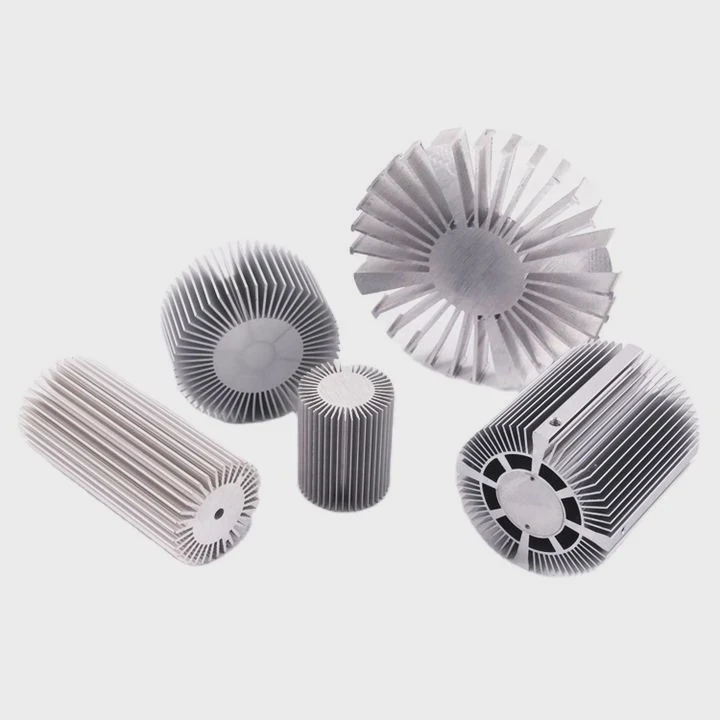
Not all heat sinks operate under the same conditions. Some industrial power converters, railway systems, laser equipment, energy storage systems, and semiconductor applications generate substantial heat.
These systems often operate continuously for long periods.
Risks Associated with High Temperatures
Higher temperatures accelerate several degradation mechanisms.
Material Expansion and Contraction
Metal components expand when heated and contract when cooled.
Repeated thermal cycling may cause:
- Fastener loosening
- Joint fatigue
- Structural stress
- Surface wear
Over thousands of operating cycles, these effects become significant.
Thermal Interface Aging
Thermal interface materials are especially sensitive to temperature.
Higher operating temperatures can lead to:
| Aging Effect | Result |
|---|---|
| Drying | Increased thermal resistance |
| Pump-Out | Reduced contact coverage |
| Cracking | Poor heat transfer |
| Hardening | Reduced surface conformity |
These changes often occur gradually and may not be visible during routine operation.
Oxidation and Corrosion
High-temperature environments can accelerate oxidation.
Although aluminum naturally forms a protective oxide layer, aggressive environments may still affect thermal performance over time.
Copper heat sinks may also experience surface oxidation if environmental controls are inadequate.
Recommended Inspection Schedule
Inspection frequency should reflect operating conditions.
A practical guideline is:
| Operating Condition | Inspection Frequency |
|---|---|
| Moderate Temperature | Every 12 Months |
| High Temperature Continuous Duty | Every 6 Months |
| Extreme Thermal Cycling | Every 3 Months |
| Mission-Critical Applications | Monthly Monitoring |
What Should Be Checked?
A comprehensive inspection typically includes:
- Surface contamination
- Fin condition
- Corrosion indicators
- Fastener integrity
- Thermal interface condition
- Fan performance
- Temperature measurements
Facilities that document inspection results over time often gain valuable insight into system behavior. Trends can reveal developing problems long before failure occurs.
Regular inspections also support predictive maintenance programs. Instead of reacting to overheating events, engineers can plan maintenance activities based on actual equipment condition.
Conclusion
Heat sink maintenance is not a one-time task. Regular cleaning, dust control, temperature monitoring, and inspection of thermal interfaces help maintain cooling efficiency and extend equipment lifespan. The harsher the environment and the higher the operating temperature, the more important a structured maintenance schedule becomes.