How Precise Can Heat Sink Machining Reach?
- Yongxing
- 07 Jul ,2026
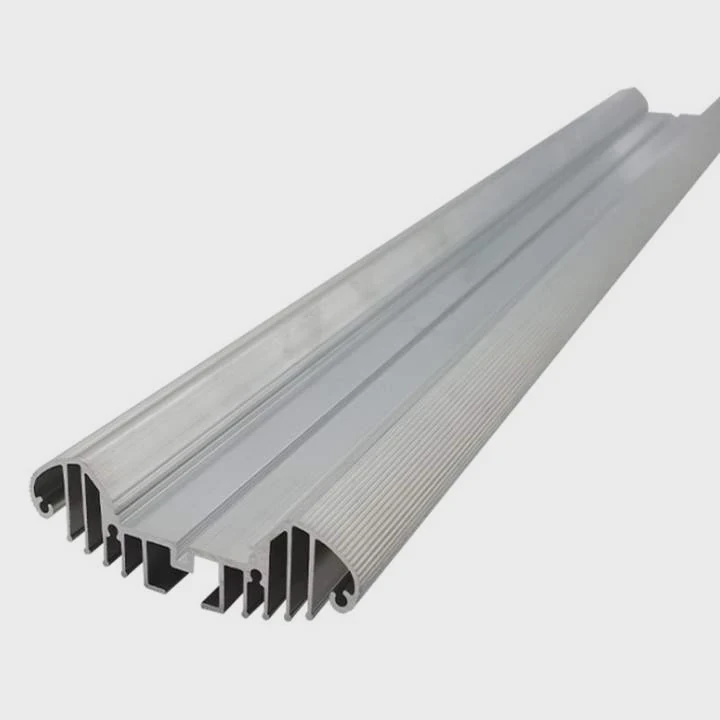
Many thermal systems fail because machining accuracy does not match design needs. Small dimensional errors can create large thermal and assembly problems.
Modern heat sink machining can reach tolerances as tight as ±0.005 mm in some processes. The actual result depends on the material, machining method, geometry, and production volume. CNC machining, EDM, grinding, and precision finishing all play important roles in achieving high accuracy.
Many engineers focus on thermal calculations first. Yet machining precision often decides whether a design performs as expected. Understanding the limits of different manufacturing methods helps buyers choose the right balance between performance, cost, and production speed.
Which Methods Achieve Tight Tolerances?
Small machining errors can create large problems in thermal systems. A heat sink may look perfect, yet poor dimensional control can increase thermal resistance and create assembly issues.
Several manufacturing methods can achieve tight heat sink tolerances. Precision CNC machining, EDM, surface grinding, milling, and specialized finishing processes are among the most common choices. Each method offers different accuracy levels depending on the material and design requirements.
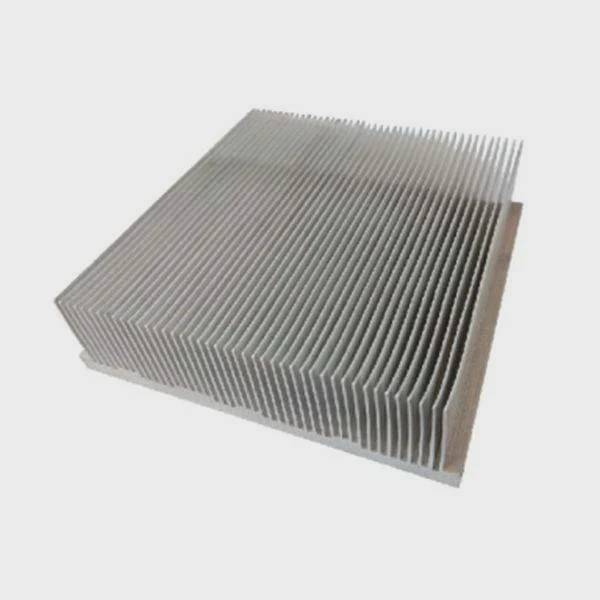
Precision machining starts with selecting the right process for the application. No single method fits every heat sink design. The geometry, material, production quantity, and tolerance requirements all affect the final choice.
Common Tolerance Capabilities
The table below shows typical tolerance ranges for several machining methods.
| Manufacturing Method | Typical Tolerance |
|---|---|
| Standard CNC Milling | ±0.05 mm |
| Precision CNC Milling | ±0.01 mm |
| EDM Machining | ±0.005 mm |
| Surface Grinding | ±0.002 mm to ±0.01 mm |
| Precision Turning | ±0.01 mm |
CNC milling remains the most widely used process for aluminum and copper heat sinks. It offers a good balance between cost and accuracy. Most thermal management projects can achieve excellent results with precision CNC machining alone.
When EDM Becomes Necessary
Electrical Discharge Machining works differently from conventional cutting. The process removes material using electrical sparks. This allows extremely fine features and very tight tolerances.
EDM becomes valuable when:
- Fin spacing is very narrow
- Complex internal features exist
- Traditional cutting tools cannot reach certain areas
- Very high dimensional consistency is required
The process is slower than CNC machining. The cost is also higher. Because of that, EDM is usually reserved for specialized applications.
Why Grinding Matters
Many thermal engineers focus on the overall heat sink shape. In reality, the mounting surface often matters most.
Surface grinding creates extremely flat contact surfaces. Better flatness improves contact between the heat source and the heat sink base. This can lower interface resistance and improve overall thermal performance.
In one project, a customer experienced unexpected temperature increases after assembly. The design calculations looked correct. The root cause turned out to be base flatness variation. After introducing a precision grinding step, the temperature dropped and assembly consistency improved.
Tight tolerances do not come from one machine alone. They come from a complete manufacturing process that includes machining, inspection, finishing, and quality control.
Do CNC or EDM Offer Better Accuracy?
Many buyers assume newer or more specialized equipment always delivers better results. The reality is more complex. Accuracy depends on both the process and the design.
EDM generally offers higher dimensional accuracy than CNC machining and can reach tolerances around ±0.005 mm or better. CNC machining, however, provides excellent accuracy for most heat sink applications while delivering faster production and lower costs.
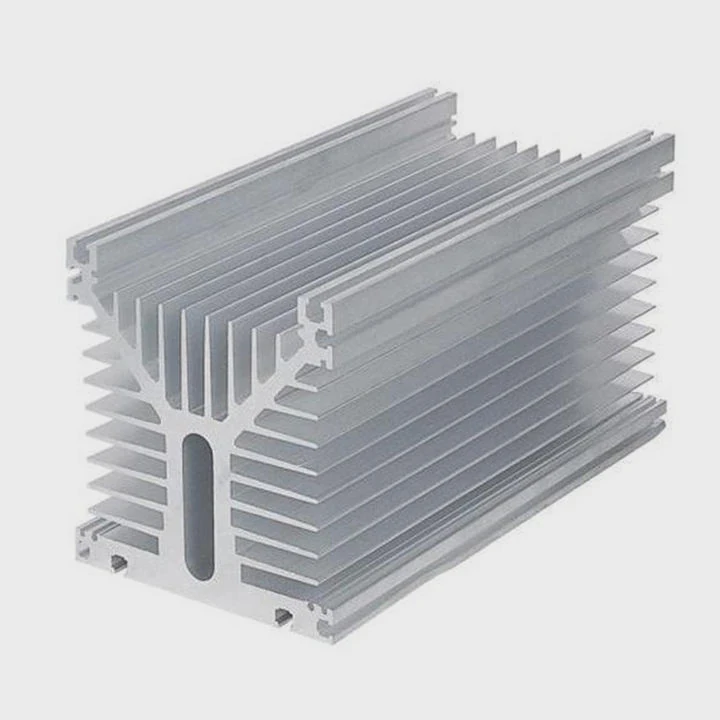
The debate between CNC and EDM often appears during custom heat sink development. Both technologies have strengths, and understanding their differences helps prevent unnecessary manufacturing costs.
CNC Machining Advantages
CNC machining is the standard solution for most thermal management products.
Key benefits include:
- Fast production speed
- Lower manufacturing cost
- Strong material removal capability
- Good surface quality
- High flexibility for different designs
Modern CNC equipment uses advanced control systems and high-speed spindles. These systems can produce very accurate aluminum and copper heat sinks repeatedly.
For most industrial, telecom, renewable energy, and transportation applications, CNC precision is more than sufficient.
EDM Advantages
EDM becomes attractive when conventional cutting reaches its limits.
The process creates features that may be difficult or impossible to machine with rotating tools.
Examples include:
- Ultra-thin fins
- Deep narrow slots
- Sharp internal corners
- Precision micro features
Because no cutting force acts on the workpiece, EDM also reduces deformation risks in delicate structures.
Direct Comparison
| Factor | CNC Machining | EDM |
|---|---|---|
| Accuracy | Very High | Extremely High |
| Production Speed | Fast | Slow |
| Cost | Lower | Higher |
| Complex Geometry | Good | Excellent |
| Thin Fin Capability | Limited | Excellent |
| Surface Quality | Good | Very Good |
Choosing the Right Process
The most accurate option is not always the best business decision.
A heat sink designed with unnecessarily tight tolerances can become expensive without providing measurable thermal benefits.
During supplier evaluations, many procurement teams focus only on the smallest tolerance number. A better approach is asking whether the tolerance directly affects thermal performance or assembly function.
In many real-world applications, a precision CNC-machined heat sink performs just as well as a more expensive EDM-produced component.
The goal is not to achieve the highest possible accuracy. The goal is to achieve the right accuracy for the application.
Are Surface Finishes Critical for Thermal Performance?
Many engineers focus on fin geometry, material selection, and airflow. Surface finish often receives less attention. Yet the condition of a heat sink surface can influence thermal performance significantly.
Yes, surface finishes can affect thermal performance. Smooth contact surfaces improve heat transfer between mating components, while optimized external finishes can influence radiation, corrosion resistance, and long-term reliability.
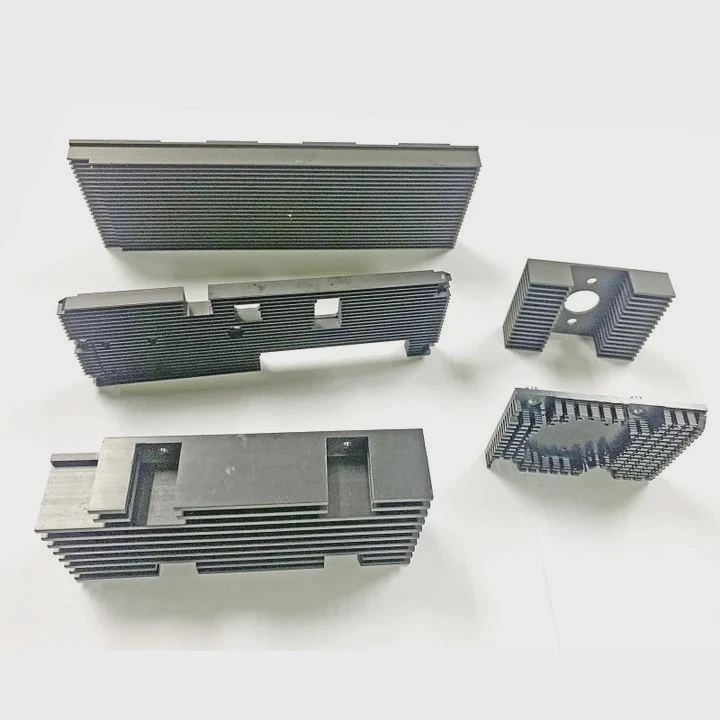
A heat sink transfers heat through several stages. Heat first moves from the source into the heat sink base. It then spreads through the material before finally releasing into the surrounding environment.
Surface finish can affect multiple stages of this process.
Contact Surface Quality
The mating surface between a heat sink and a semiconductor device is one of the most important areas.
Even surfaces that appear smooth contain microscopic peaks and valleys.
When two surfaces meet:
- Only part of the area makes direct contact
- Air gaps form between surface irregularities
- Air acts as an insulator
- Thermal resistance increases
A smoother surface reduces these gaps.
Typical Surface Finish Targets
| Application | Typical Surface Roughness |
|---|---|
| Standard Industrial Heat Sink | Ra 1.6-3.2 μm |
| Precision Thermal Interface | Ra 0.4-0.8 μm |
| Ground Contact Surface | Ra 0.2-0.4 μm |
| Mirror-Like Surface | Below Ra 0.1 μm |
External Surface Treatments
The outer surface finish can also affect performance.
Common treatments include:
- Anodizing
- Chemical conversion coating
- Nickel plating
- Powder coating
- Passivation
Black anodized aluminum is widely used because it improves corrosion resistance and can enhance radiative heat transfer under certain conditions.
Balancing Finish and Cost
Many buyers assume smoother is always better. That is not necessarily true.
A mirror-polished surface may increase manufacturing cost while delivering only a small thermal improvement.
The best approach is identifying where surface quality matters most.
For example:
- Interface surfaces often require high precision.
- Decorative areas may not.
- Internal fin surfaces may need different treatments from mounting surfaces.
One thermal project involved reducing operating temperatures in a power electronics cabinet. The team initially focused on larger heat sinks. After testing, they found that improving the contact surface finish delivered a measurable temperature reduction without increasing heat sink size.
Surface finish should be viewed as part of the thermal design rather than merely a cosmetic feature.
Can High Precision Reduce Assembly Errors?
Many assembly problems are blamed on installation mistakes. In reality, dimensional variation is often the hidden cause. Even small errors can create major issues during final integration.
High precision machining can significantly reduce assembly errors by improving fit, alignment, repeatability, and component consistency. Better dimensional control often leads to faster assembly, fewer defects, and improved product reliability.
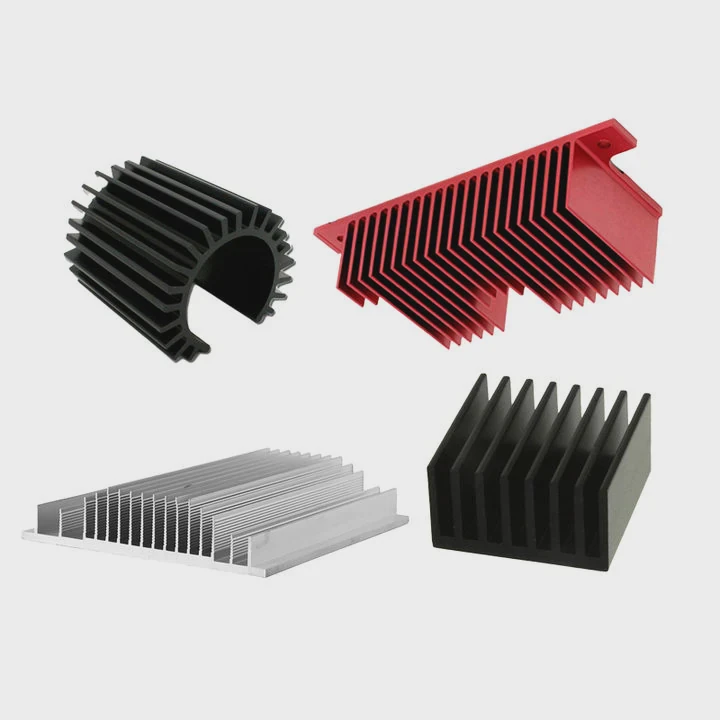
Heat sinks are rarely standalone products. They usually become part of a larger system that includes power modules, electronics, fasteners, brackets, cooling fans, or liquid cooling assemblies.
Because of this, dimensional consistency becomes critical.
Common Assembly Problems
Poor machining accuracy can create several issues:
- Hole misalignment
- Uneven mounting pressure
- Interface gaps
- Distorted thermal pads
- Fan mounting problems
- Excessive assembly force
Each issue can increase production costs.
How Precision Improves Repeatability
Precision machining helps ensure that every component matches the design specification.
Benefits include:
Better Fit
Parts align correctly during assembly.
Faster Production
Workers spend less time making adjustments.
Lower Scrap Rates
Fewer assemblies fail inspection.
Improved Thermal Contact
Consistent mounting pressure improves heat transfer.
Better Reliability
Reduced stress lowers the risk of long-term failures.
Impact on Large Production Runs
The value of precision increases as production volume grows.
A small tolerance error may seem harmless during prototype development. Yet when thousands of units are assembled, the same error can create large operational costs.
Consider a mounting hole that shifts by only a fraction of a millimeter.
Possible results include:
- Rework labor
- Delayed production schedules
- Fixture modifications
- Additional inspection steps
- Customer complaints
These hidden costs often exceed the cost of precision machining itself.
Precision and Quality Systems
High precision works best when supported by strong quality control.
A reliable manufacturing process often includes:
| Quality Step | Purpose |
|---|---|
| Incoming Material Inspection | Verify raw material quality |
| In-Process Measurement | Detect variation early |
| Coordinate Measuring Machine Inspection | Confirm critical dimensions |
| Surface Flatness Testing | Validate thermal interfaces |
| Final Inspection | Ensure shipment quality |
Precision is not simply about achieving a small number on a drawing. It is about producing consistent results every time.
In many thermal management projects, dimensional stability becomes just as important as thermal performance. A heat sink that performs well in the laboratory but creates assembly problems in production can become a costly solution.
High precision machining reduces these risks. It supports better alignment, smoother assembly, stronger reliability, and more predictable product performance across the entire manufacturing cycle.
Conclusion
Heat sink machining can achieve extremely tight tolerances when the right manufacturing methods are used. CNC machining, EDM, precision grinding, and controlled surface finishing each contribute to accuracy, thermal efficiency, and assembly reliability. The best results come from matching precision levels to real application needs rather than pursuing the smallest tolerance possible.