How to Verify the Reliability of a Heat Sink?
- Yongxing
- 08 Jul ,2026
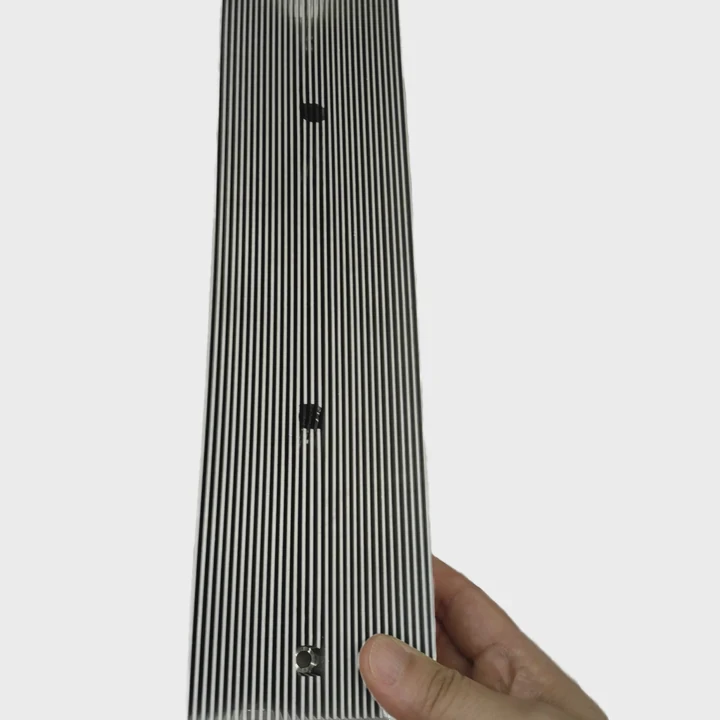
A heat sink may look strong on the outside. Still, hidden thermal problems can lead to failure, downtime, and costly repairs when equipment runs under real loads.
The best way to verify heat sink reliability is to combine thermal testing, industry standards, simulation validation, mechanical stress testing, and long-term field evaluation. No single test can prove reliability on its own.
Many buyers focus only on cooling performance. That is important, but it is only one part of the picture. A reliable heat sink must keep stable thermal performance over time. It must also survive vibration, shock, temperature changes, humidity, and real operating conditions. This article explains how these factors can be verified before a product enters mass production.
Which Testing Standards Apply?
Poor testing methods often create a false sense of confidence. A heat sink may perform well in a laboratory test but fail when it faces real environmental conditions. That is why recognized standards matter.
Several international standards help verify heat sink reliability. Common examples include ISO quality systems, IATF automotive requirements, GJB environmental testing methods, and industry-specific thermal and mechanical validation standards.
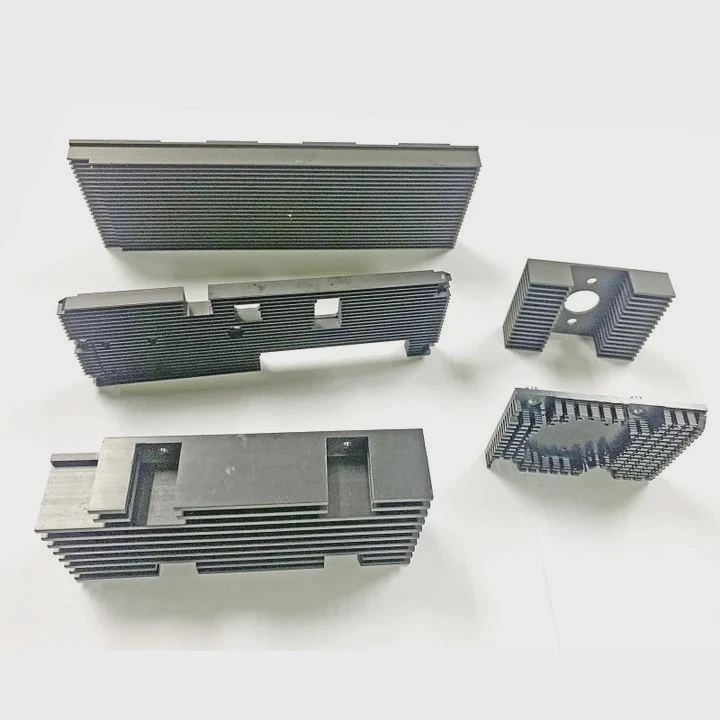
When evaluating a heat sink, the first question is often not about material or fin design. The first question should be whether testing follows recognized standards. Standardized testing creates repeatable results. It also makes comparisons easier between suppliers.
Why Standards Matter
Without standards, every manufacturer may test products differently. One supplier may use a lower power load. Another may use a shorter test duration. These differences make data difficult to compare.
Standardized testing helps answer important questions:
- Can the heat sink maintain thermal performance?
- Can it survive transportation?
- Can it withstand vibration?
- Can it handle environmental changes?
- Can it maintain consistency during production?
Common Standards Used for Heat Sink Verification
| Standard | Main Purpose | Typical Application |
|---|---|---|
| ISO 9001 | Quality management | Manufacturing control |
| IATF 16949 | Automotive quality systems | EV and automotive projects |
| ISO 14001 | Environmental management | Sustainable manufacturing |
| EN15085 | Railway welding quality | Rail transportation systems |
| DIN6701 | Bonding process control | Transportation equipment |
| GJB-150A | Environmental reliability testing | Military and aerospace projects |
Key Environmental Tests
Many customers focus on thermal resistance numbers. In practice, environmental reliability often becomes the bigger concern.
Common environmental tests include:
Temperature Cycling
The heat sink experiences repeated heating and cooling cycles. This process reveals thermal fatigue and material expansion issues.
Humidity Testing
Humidity exposure can identify corrosion risks, especially when different metals are combined.
Salt Spray Testing
This test is often required for marine equipment and outdoor installations.
Thermal Shock Testing
Rapid temperature changes help identify weak joints, cracks, and bonding failures.
During one project involving high-power electronics, thermal performance initially looked excellent. However, thermal shock testing revealed bonding weaknesses that would likely have caused failures after installation. The issue was corrected before mass production began. This experience reinforced an important lesson: thermal numbers alone never tell the whole story.
Reliable heat sink verification always starts with recognized standards. These standards create a foundation for every other reliability assessment.
Do Thermal Simulations Predict Performance?
Many engineers rely heavily on thermal simulation during product development. Simulation can save time and reduce prototype costs. However, simulation is only useful when it accurately reflects reality.
Thermal simulations can predict heat sink performance with good accuracy when material properties, boundary conditions, airflow conditions, and power loads are properly defined. Physical testing is still required to confirm the results.
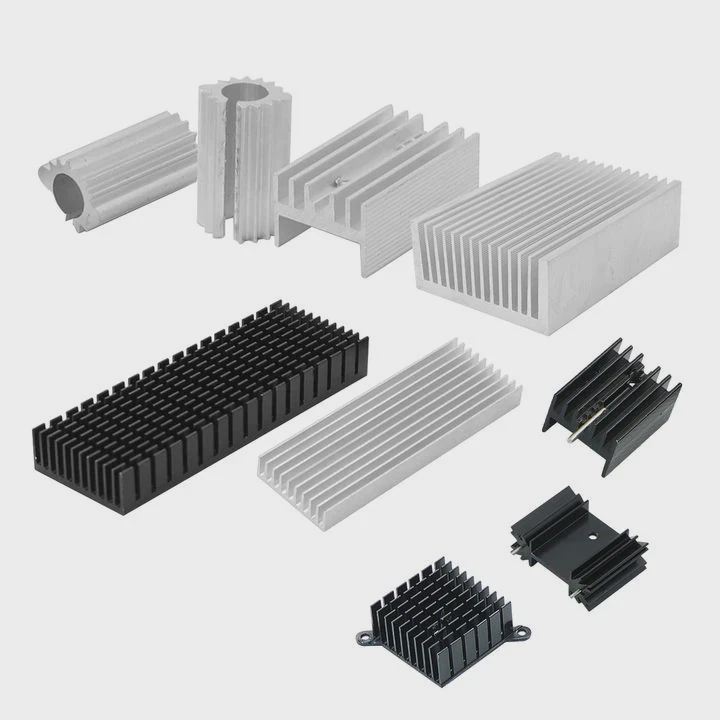
Thermal simulation has become a standard tool in heat sink design. Modern software can estimate temperature distribution, airflow behavior, pressure drop, and thermal resistance before a prototype exists.
What Thermal Simulation Does Well
Simulation helps engineers understand heat flow quickly.
Typical benefits include:
- Faster design optimization
- Lower prototype costs
- Better material selection
- Improved fin geometry analysis
- Airflow path visualization
A simulation can compare several design options within hours. Building and testing each physical version would require much more time.
Key Factors That Affect Accuracy
Simulation quality depends on input quality. Incorrect assumptions often create misleading results.
Several variables strongly influence accuracy:
| Simulation Variable | Impact on Results |
|---|---|
| Material conductivity | Affects heat spreading |
| Airflow velocity | Changes convective cooling |
| Ambient temperature | Alters thermal margin |
| Heat source location | Influences hot spot formation |
| Contact resistance | Affects heat transfer efficiency |
| Fan performance data | Impacts airflow prediction |
Common Simulation Mistakes
Many reliability problems start with unrealistic assumptions.
Examples include:
Ideal Airflow Assumptions
Laboratory airflow conditions may differ greatly from real equipment layouts.
Incorrect Material Data
Actual material conductivity may vary from theoretical values.
Ignoring Manufacturing Tolerances
Small dimensional changes can influence airflow and thermal resistance.
Missing Interface Resistance
Thermal interface materials often contribute significant thermal resistance.
Why Physical Testing Remains Necessary
Simulation predicts behavior. Testing confirms behavior.
A useful approach combines both methods:
- Build the initial design using simulation.
- Produce prototypes.
- Perform thermal testing.
- Compare measured data with simulated data.
- Refine the model.
- Validate final performance.
In many projects, simulation results fall within a few degrees of measured temperatures. That level of accuracy can greatly reduce development risk. Yet even highly accurate simulations cannot identify every manufacturing defect, assembly variation, or environmental factor.
Simulation is a powerful design tool. It should never be viewed as a replacement for thermal validation testing. The strongest reliability programs use simulation and physical testing together.
Can Stress or Vibration Tests Help?
A heat sink may pass thermal testing and still fail in service. Mechanical forces can damage mounting structures, solder joints, welds, and thermal interfaces. This is especially important in transportation, industrial equipment, aerospace systems, and renewable energy applications.
Stress and vibration tests are highly effective for evaluating heat sink reliability because they reveal mechanical weaknesses that thermal testing alone cannot detect.
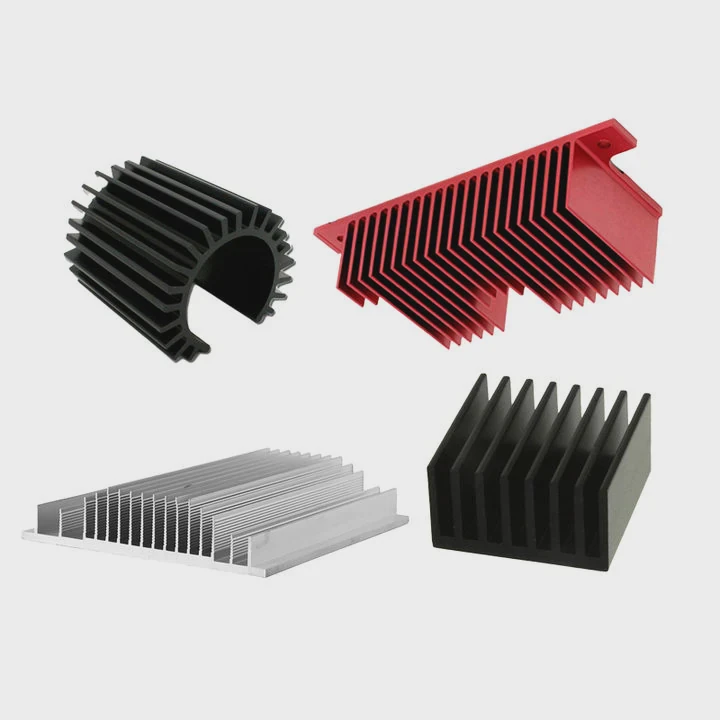
Mechanical reliability often receives less attention than thermal performance. Yet many field failures are caused by vibration rather than overheating.
Sources of Mechanical Stress
Heat sinks face many forces during their service life.
Common examples include:
- Transportation vibration
- Road shock
- Rail movement
- Fan-induced vibration
- Equipment handling
- Installation loads
- Thermal expansion stress
Each force can gradually weaken structural components.
Vibration Testing Methods
Random Vibration Testing
This method simulates real operating environments. It is widely used for transportation equipment.
Sinusoidal Sweep Testing
Frequency ranges are scanned to identify resonance points.
Shock Testing
Products experience sudden acceleration events that simulate impacts and drops.
Mounting Integrity Evaluation
Fasteners, brackets, and mounting points are inspected for loosening or deformation.
What Problems Can Be Found?
Stress testing often reveals hidden weaknesses.
Typical findings include:
- Cracked welds
- Loose fasteners
- Fin deformation
- Interface material separation
- Fatigue failures
- Structural resonance
Resonance Is Often Overlooked
Every structure has natural frequencies. If operating vibration matches these frequencies, vibration amplitude can increase dramatically.
A heat sink that appears strong during static inspection may experience significant fatigue when resonance occurs.
Combining Thermal and Mechanical Testing
The most useful reliability evaluations combine thermal and mechanical loads.
For example:
- Heat the assembly to operating temperature.
- Apply vibration testing.
- Continue thermal cycling.
- Inspect for degradation.
This combined approach better reflects actual operating conditions.
Failure Analysis After Testing
Post-test inspection is equally important.
Common evaluation methods include:
- Visual inspection
- Dimensional measurement
- Thermal performance retesting
- Dye penetrant inspection
- X-ray examination
- Microscopic analysis
In one high-power application, a heat sink maintained excellent cooling performance during early testing. Later vibration testing revealed small cracks near a welded joint. Those cracks expanded during thermal cycling. The design was strengthened before production began. Without vibration testing, the issue might have appeared only after installation.
Mechanical reliability directly affects thermal reliability. A damaged structure often leads to degraded heat transfer. That is why stress and vibration testing should be part of every serious verification program.
Are Long-Term Field Trials Recommended?
Laboratory testing provides valuable information. Still, no laboratory can perfectly reproduce every real operating condition. Long-term field trials help bridge this gap.
Long-term field trials are strongly recommended because they validate heat sink reliability under actual operating conditions, including environmental exposure, user behavior, maintenance practices, and unexpected system interactions.
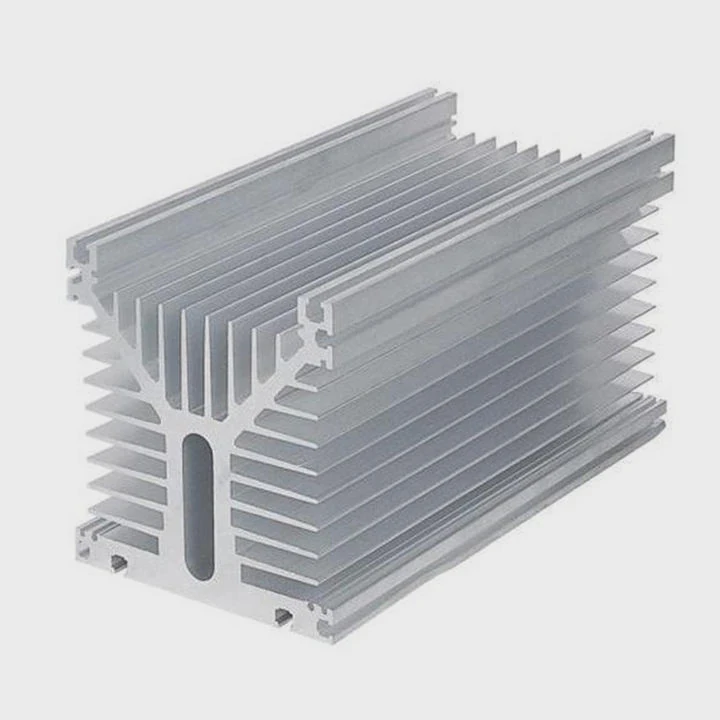
Field trials provide a final layer of confidence before large-scale deployment. Many organizations treat field validation as the last step before full production approval.
Why Laboratory Tests Have Limits
Laboratory environments are controlled. Real-world environments are not.
Unexpected factors may include:
- Dust accumulation
- Seasonal temperature changes
- User installation differences
- Variable airflow conditions
- Equipment aging
- Maintenance quality
Even a well-designed test plan cannot capture every possible variable.
What Field Trials Measure
Long-term trials focus on performance stability.
Key measurements include:
Temperature Stability
Engineers monitor whether operating temperatures remain within target limits.
Structural Integrity
Inspections identify signs of fatigue, corrosion, or deformation.
Thermal Resistance Changes
Performance degradation is tracked over time.
Maintenance Requirements
The trial helps determine cleaning intervals and service needs.
Recommended Trial Duration
Trial duration depends on the application.
| Application | Recommended Trial Period |
|---|---|
| Consumer electronics | 1-3 months |
| Industrial equipment | 3-6 months |
| Renewable energy systems | 6-12 months |
| Railway equipment | 6-12 months |
| Aerospace systems | Extended qualification programs |
Data Collection Matters
A field trial should collect measurable data rather than rely on observations alone.
Useful data points include:
- Ambient temperature
- Component temperature
- Airflow conditions
- Power load
- Operating hours
- Failure events
Modern monitoring systems make continuous data collection much easier than in the past.
The Value of Real Feedback
Field trials often reveal issues that were never anticipated.
For example:
- Unexpected dust buildup
- Airflow blockage caused by nearby equipment
- User modifications
- Maintenance errors
- Environmental contamination
These findings can lead to design improvements before a large deployment occurs.
Building Confidence Before Mass Production
A structured reliability process often follows this sequence:
- Design review
- Thermal simulation
- Prototype testing
- Environmental testing
- Vibration testing
- Field trials
- Production release
Each stage reduces uncertainty.
Field trials require additional time and cost. Even so, the investment is usually small compared with the cost of field failures, warranty claims, and customer dissatisfaction. For mission-critical systems, long-term field validation remains one of the most effective ways to verify heat sink reliability.
Conclusion
Reliable heat sink verification requires more than a single thermal test. Industry standards, simulation validation, mechanical testing, and long-term field trials each reveal different risks. When these methods are combined, buyers and engineers gain much stronger confidence in long-term thermal performance and product reliability.