
Typical Delivery Time for Heat Sinks?
- Yongxing
- 09 Jul ,2026
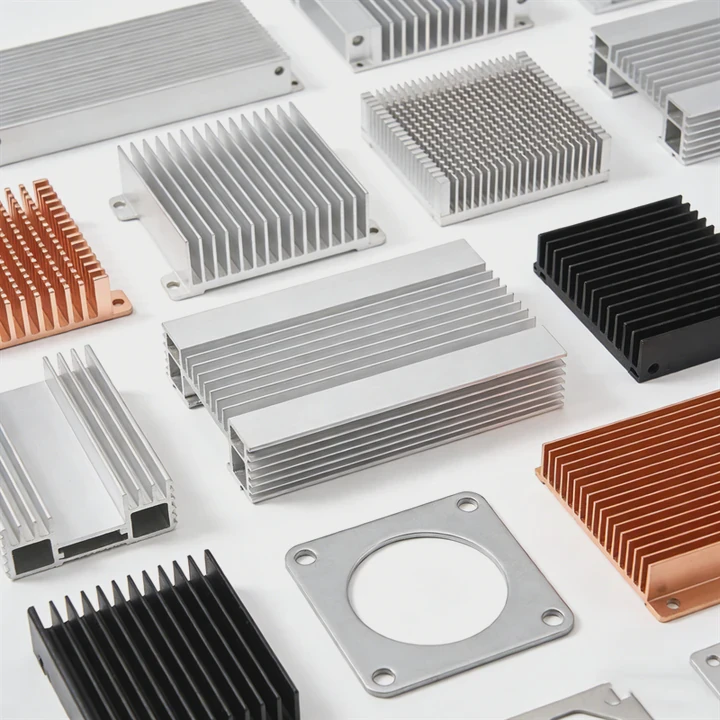
Long lead times can delay product launches, increase inventory pressure, and create uncertainty in supply chain planning. Many buyers struggle to predict when heat sinks will actually arrive.
Typical heat sink delivery time ranges from 3 to 30 days depending on stock availability, customization requirements, manufacturing processes, shipping methods, and destination country. Standard products often ship within days, while custom heat sinks may require several weeks for production and testing.
Many procurement managers focus only on manufacturing time. In reality, delivery performance depends on several stages, including engineering review, production scheduling, quality inspection, packaging, customs clearance, and transportation. Understanding these factors helps buyers make better sourcing decisions and avoid costly project delays.
How Long Does Standard Shipping Take?
Late deliveries can disrupt production schedules and force manufacturers to carry expensive safety stock. Many buyers underestimate the transit portion of the delivery cycle.
Standard shipping for heat sinks typically takes 5 to 15 business days internationally after production is completed. Domestic shipments often arrive within 1 to 5 business days, depending on carrier networks and destination distance.
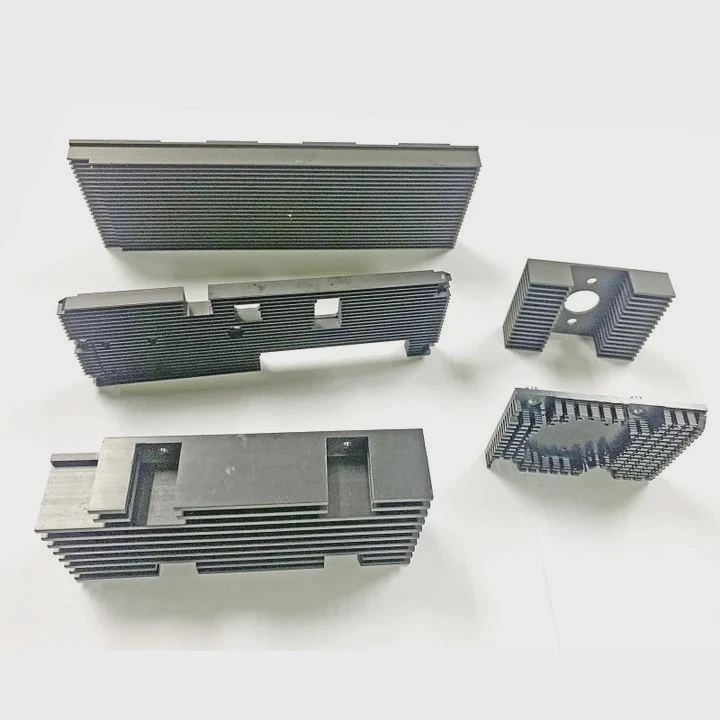
Standard shipping remains the most common choice for B2B heat sink buyers because it balances cost and delivery speed. Most manufacturers offer several shipping options, but standard freight is often selected for routine replenishment orders and forecast-based purchasing.
Typical Standard Shipping Times
The actual transit time varies according to destination, carrier, and shipping method.
| Shipping Method | Typical Transit Time | Best For |
|---|---|---|
| Domestic Ground | 1-5 Days | Local deliveries |
| International Air Freight | 5-10 Days | Medium urgency projects |
| Economy Air Service | 7-15 Days | Cost-sensitive orders |
| Sea Freight | 20-45 Days | Large-volume shipments |
A common mistake is assuming that shipping time equals total lead time. In reality, production must finish before shipment begins.
What Happens Before Shipment?
Several steps occur before a heat sink leaves the factory:
- Material preparation
- CNC machining or extrusion
- Surface treatment
- Assembly
- Thermal testing
- Quality inspection
- Packaging
- Export documentation
Each stage contributes to the overall delivery schedule.
Why Buyers Should Plan Ahead
Many customers in industries such as rail transit, energy storage, and telecommunications work on strict project timelines. A delay of even a few days can affect system integration and testing schedules.
In one project involving a liquid cooling plate order, production finished on time. However, customs documentation required additional verification. The shipment arrived four days later than expected. The manufacturing process was not the problem. Logistics created the delay.
This experience highlights an important point. Buyers should always evaluate the complete supply chain rather than focusing only on factory production capacity.
For regular heat sink models with stable demand, maintaining forecast visibility and scheduling orders in advance often provides the most reliable delivery performance. Standard shipping works well when project timelines allow some flexibility and transportation costs must remain under control.
Does Customization Extend Delivery Time?
Many engineers require special thermal solutions. Yet customized designs often raise concerns about longer delivery schedules and project delays.
Yes. Custom heat sinks usually require additional engineering, tooling, prototyping, testing, and approval processes. Depending on complexity, customization can extend delivery time by one to six weeks compared with standard products.
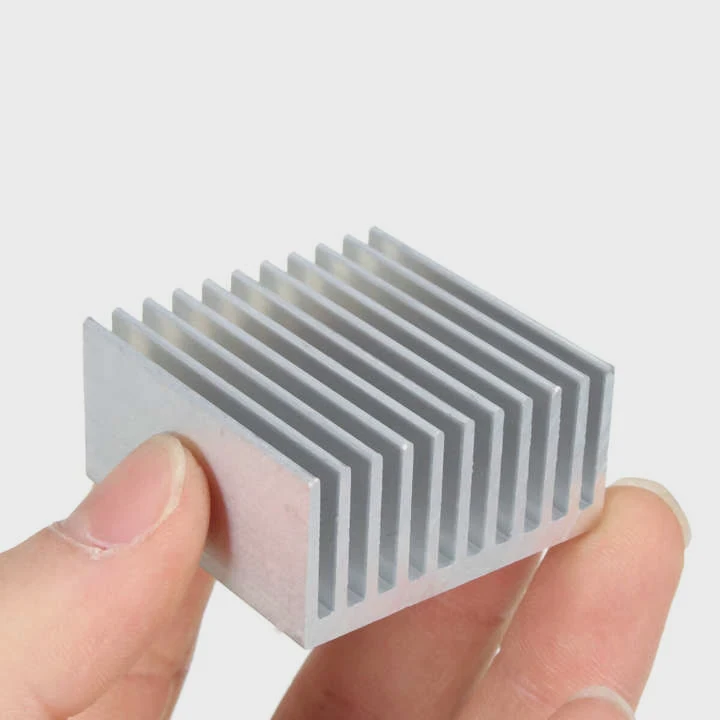
Customization is often necessary for high-power electronics, renewable energy equipment, railway systems, medical devices, and semiconductor applications. These projects frequently demand specific dimensions, thermal performance targets, or assembly requirements.
Why Custom Projects Take Longer
A standard heat sink already has approved drawings, manufacturing procedures, and quality records. Production can start immediately.
Custom projects require extra work before manufacturing begins.
Common Customization Activities
| Activity | Impact on Lead Time |
|---|---|
| Thermal Simulation | 1-3 Days |
| Design Review | 1-5 Days |
| Tooling Preparation | 3-15 Days |
| Prototype Manufacturing | 3-10 Days |
| Validation Testing | 2-7 Days |
| Customer Approval | Varies |
Each project differs. Simple dimensional changes may add only a few days. Complex liquid cooling assemblies can require several weeks.
Engineering Validation Matters
Some buyers view engineering review as a delay. In practice, it reduces risk.
A poorly designed heat sink can cause:
- Thermal failure
- Reduced equipment lifespan
- Performance instability
- Warranty claims
- System shutdowns
Engineering validation helps prevent these issues.
For high-reliability industries, thermal simulation and testing are often mandatory. Customers frequently request thermal resistance data, temperature distribution reports, and reliability validation results before approving production.
Manufacturing Complexity Also Plays a Role
Different manufacturing technologies affect lead time.
For example:
- Aluminum extrusion may have tooling requirements.
- Vacuum brazing requires specialized furnace scheduling.
- Friction stir welding involves process qualification.
- Vapor chamber integration requires additional assembly steps.
- Liquid cooling plates may require leak testing.
The more advanced the process, the more scheduling coordination becomes necessary.
Many experienced buyers understand that customization is not simply a drawing modification. It is a complete engineering process. When suppliers have strong in-house design, manufacturing, and testing capabilities, the additional lead time becomes more predictable and manageable.
A realistic project schedule should always include time for technical communication, design optimization, sample evaluation, and production approval before mass manufacturing begins.
Can Express Shipping Reduce Lead Time?
Project deadlines sometimes change unexpectedly. When schedules become tight, buyers often look for faster transportation options.
Express shipping can significantly reduce transit time, often cutting international delivery from 7-15 days to 2-5 days. However, it cannot eliminate manufacturing lead time unless production is also expedited.
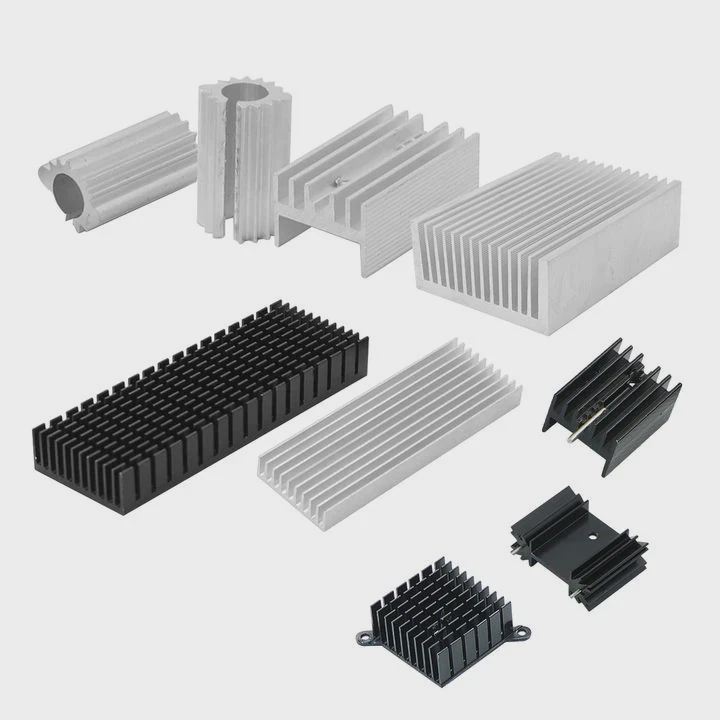
Many people assume express shipping solves all delivery problems. In reality, transportation is only one part of the total lead time equation.
Total Lead Time Formula
Total delivery time typically includes:
- Engineering review
- Production
- Inspection
- Packaging
- Shipping
- Customs clearance
If manufacturing requires 20 days, reducing shipping from 10 days to 3 days only saves one week.
When Express Shipping Makes Sense
Express services are most valuable in situations such as:
- Prototype evaluation
- Urgent replacement parts
- Product validation testing
- Customer deadline recovery
- Small-volume emergency orders
These situations justify higher transportation costs.
Typical Transit Comparison
| Shipping Option | Transit Time |
|---|---|
| Express Courier | 2-5 Days |
| Air Freight | 5-10 Days |
| Economy Air | 7-15 Days |
| Sea Freight | 20-45 Days |
Cost Considerations
Express shipping can cost several times more than standard air freight.
For large heat sinks or liquid cooling assemblies, transportation costs may become significant because carriers charge based on volumetric weight as well as actual weight.
This becomes especially important for:
- Large aluminum heat sinks
- Cooling chassis
- Integrated thermal modules
- Liquid cooling systems
Expedited Manufacturing vs. Expedited Shipping
Buyers should distinguish between these two services.
Expedited shipping means faster transportation.
Expedited manufacturing means production priority inside the factory.
The greatest lead-time reduction often comes from combining both approaches.
For example, a standard order may require:
- Production: 20 days
- Shipping: 10 days
Total: 30 days
An expedited project may require:
- Production: 12 days
- Express shipping: 3 days
Total: 15 days
The result is a much larger improvement.
Effective communication is critical when requesting accelerated delivery. Engineering teams, production planners, quality inspectors, and logistics coordinators must all align around the revised schedule. Without this coordination, express shipping alone may not achieve the desired outcome.
Which Factors Affect Delivery Accuracy?
Many suppliers provide estimated delivery dates. Yet actual arrival times often vary. Buyers need to understand what drives delivery accuracy.
Delivery accuracy depends on production planning, material availability, manufacturing complexity, logistics performance, customs clearance, quality control requirements, and communication efficiency between supplier and customer.
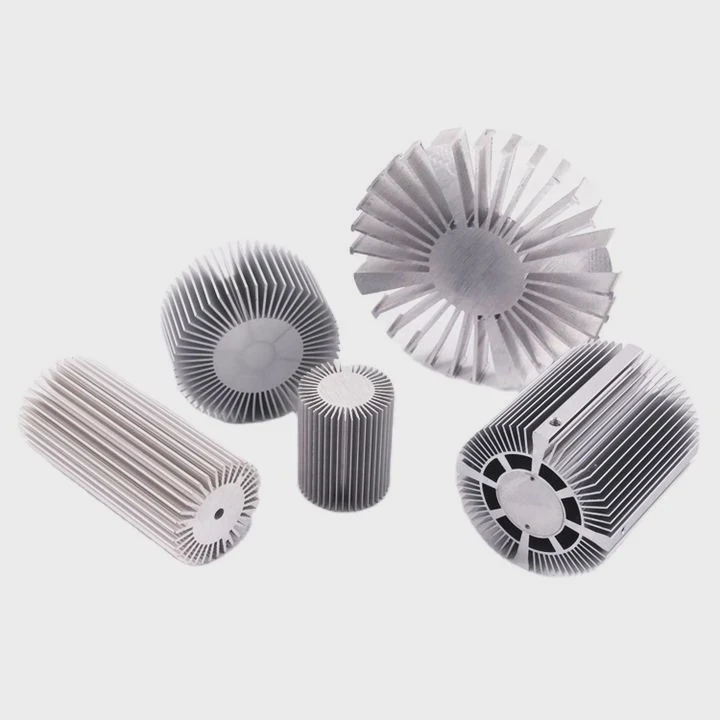
Accurate delivery is often more valuable than fast delivery. A realistic promise allows customers to schedule production and inventory with confidence.
Material Availability
Raw materials directly influence delivery performance.
Common examples include:
- Aluminum extrusions
- Copper plates
- Vapor chamber materials
- Thermal interface materials
- Fasteners and hardware
Unexpected shortages can affect production schedules.
Manufacturing Capacity
Factories operate with finite resources.
Production scheduling depends on:
- Machine availability
- Workforce capacity
- Furnace scheduling
- Welding resources
- Surface treatment capacity
During peak seasons, lead times often increase because production lines become fully booked.
Quality Requirements
High-reliability industries typically require extensive testing.
Examples include:
- Thermal resistance testing
- Leak testing
- Salt spray testing
- Dimensional inspection
- Reliability validation
Although testing adds time, it improves product consistency and reduces field failures.
Logistics Performance
Transportation networks introduce another layer of uncertainty.
Potential challenges include:
- Flight delays
- Port congestion
- Weather disruptions
- Carrier capacity shortages
- Customs inspections
These events occur outside factory control.
Communication Efficiency
One of the most overlooked factors is communication speed.
When technical questions remain unresolved, production may pause while awaiting clarification.
Examples include:
- Drawing revisions
- Material substitutions
- Surface finish approval
- Packaging specifications
- Labeling requirements
Fast responses from both parties help maintain schedule accuracy.
Building a Reliable Delivery System
Reliable suppliers usually implement several practices:
Forecast Planning
Long-term demand forecasts improve resource allocation and material purchasing.
Production Visibility
Transparent project tracking helps identify risks early.
Internal Quality Control
Consistent inspection procedures reduce rework and production delays.
Logistics Partnerships
Strong relationships with freight providers improve transportation reliability.
For buyers in sectors such as railway systems, energy storage, telecommunications, and medical equipment, delivery accuracy often becomes a key supplier evaluation criterion. A supplier that consistently delivers according to schedule can reduce inventory costs, improve project planning, and strengthen long-term business relationships.
Conclusion
Typical heat sink delivery times depend on much more than transportation alone. Standard products often ship quickly, while custom solutions require additional engineering and validation. By understanding production, logistics, and communication factors, buyers can improve planning accuracy and reduce supply chain risk.




