What are the technology upgrade trends for heat sinks?
- Yongxing
- 10 Jul ,2026
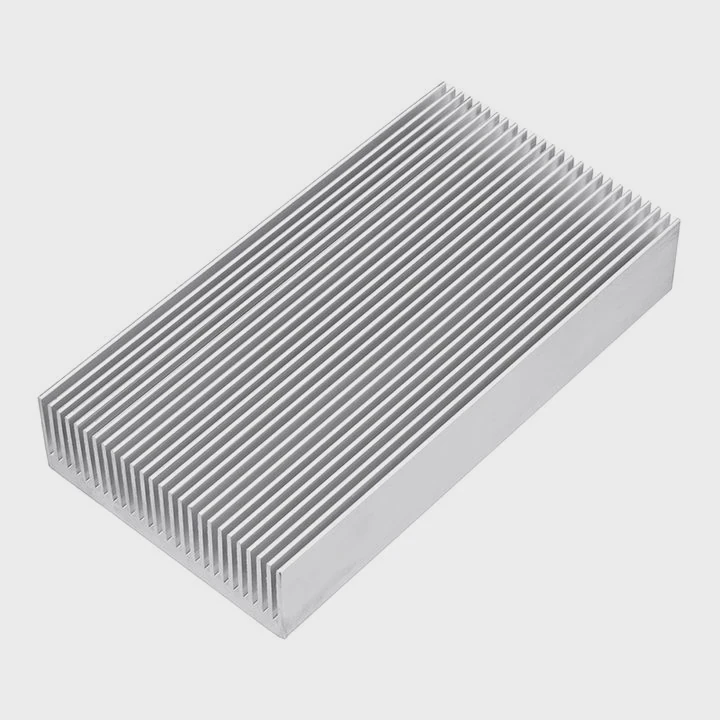
Heat problems are getting harder. Power is rising, space is shrinking, and old cooling ideas can fail when products move into real use.
Heat sink technology is moving toward higher conductivity materials, smarter passive structures, integrated cooling modules, and AI-assisted design. The goal is clear: lower thermal resistance, smaller size, lighter weight, better reliability, and faster development.
This shift is not only about making fins taller or bases thicker. It is about treating the heat sink as part of the full system, from chip contact to airflow, liquid flow, assembly, testing, and long-term stability.
Which materials lead in thermal conductivity?
Material choice can decide the success of a heat sink. A good design can still fail when the material cannot move heat fast enough.
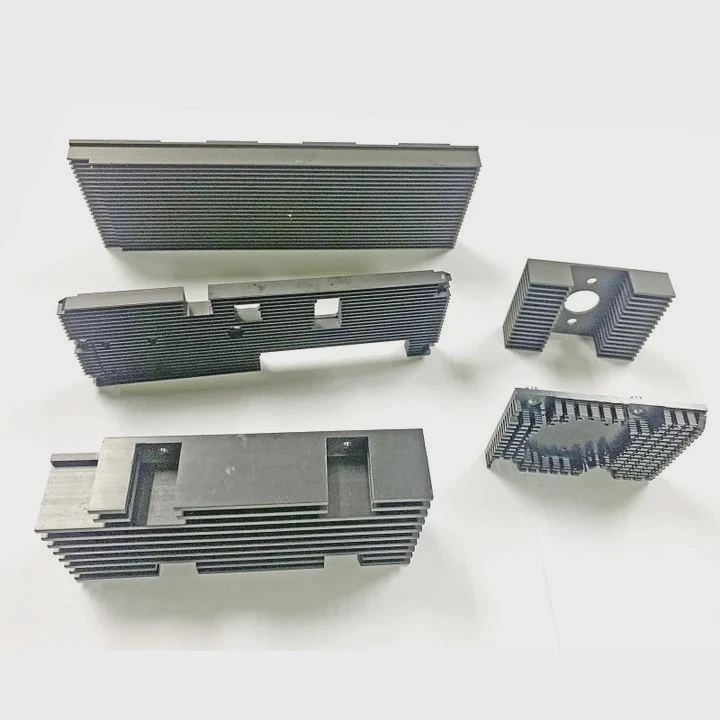
Copper, aluminum, vapor chambers, heat pipes, graphite materials, and advanced composite structures lead the upgrade of heat sink materials. Each material fits a different balance of conductivity, weight, cost, strength, and manufacturability.
Why material choice matters first
A heat sink starts with one simple job. It must move heat away from a hot source. The faster the material spreads heat, the easier the whole system becomes. Yet conductivity alone does not tell the full story. A copper heat sink may move heat well, but it can be heavy. An aluminum heat sink may be lighter and easier to machine, but it may need a larger area. A vapor chamber can spread heat quickly across a thin surface, but it needs careful sealing and process control.
In many projects, material selection becomes a trade-off between thermal performance and real production limits. A buyer may ask for the best thermal result, but the product also needs a stable price, repeatable quality, and safe assembly. This is why more engineers now compare material systems, not only single materials.
| Material or structure | Main advantage | Common concern | Best-fit use |
|---|---|---|---|
| Aluminum | Light, easy to extrude, cost-effective | Lower conductivity than copper | Standard heat sinks, large fin arrays |
| Copper | High conductivity, strong heat spreading | Heavy and more costly | High-power electronics, small contact areas |
| Vapor chamber | Fast two-dimensional heat spreading | Needs strict process control | Thin modules, high heat flux chips |
| Heat pipe | Moves heat over distance | Orientation and bonding matter | Remote cooling, compact systems |
| Graphite sheet | Very light and high in-plane spreading | Weak through-thickness transfer | Thin electronics, local spreading |
| Composite module | Balanced performance | More design work | High-end custom cooling systems |
Copper and aluminum still matter
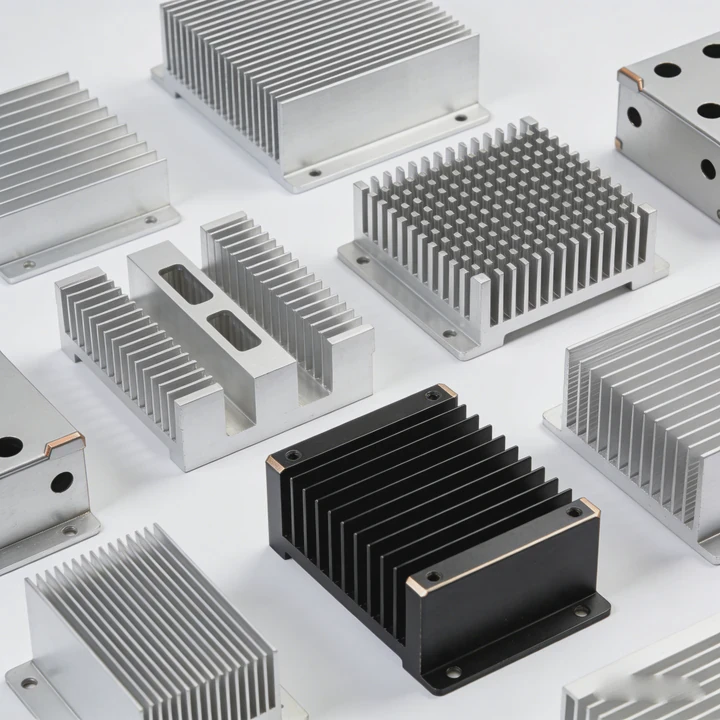
Copper and aluminum remain important because they are practical. They are not new, but their processing is improving. Aluminum extrusion is still strong for large-volume heat sinks. CNC machining, skiving, brazing, and welding can make more complex aluminum structures. Copper is still used when the heat source is small and power density is high.
The upgrade trend is not always replacing these metals. The better trend is combining them. A copper base can spread heat from the hot spot. Aluminum fins can reduce weight and increase air contact area. A vapor chamber can sit inside a base plate. This hybrid thinking gives engineers more freedom.
Phase change and liquid-ready materials are rising
Vapor chambers and heat pipes are becoming more common because they solve hot spot problems. They use phase change to move heat quickly. This makes them useful for CPUs, GPUs, power modules, laser systems, and telecom devices.
The main point is clear. The best material is not always the material with the highest number on a datasheet. The best material is the one that gives stable thermal performance after welding, brazing, assembly, vibration, aging, and real operating cycles.
Are passive cooling designs evolving?
Passive cooling is under pressure. Many products need quiet operation, lower power use, and fewer moving parts, but heat loads keep rising.
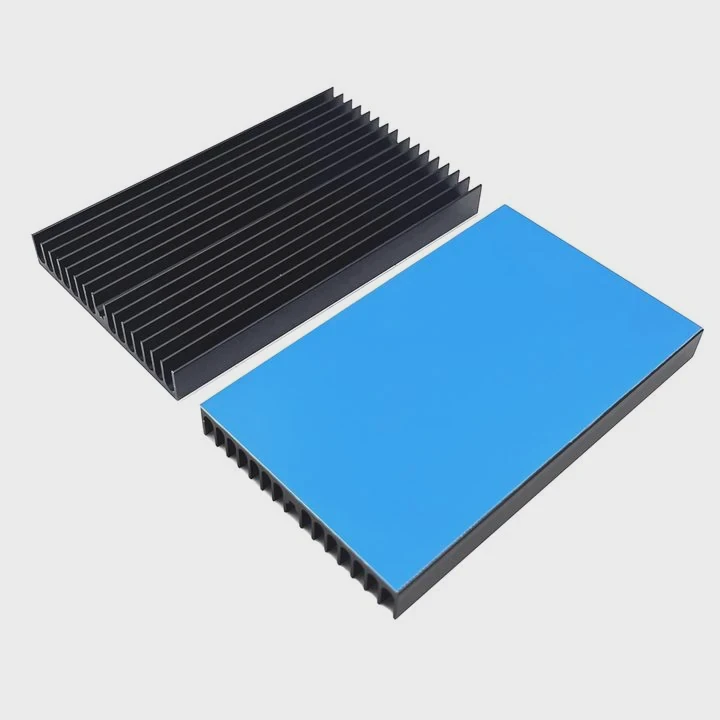
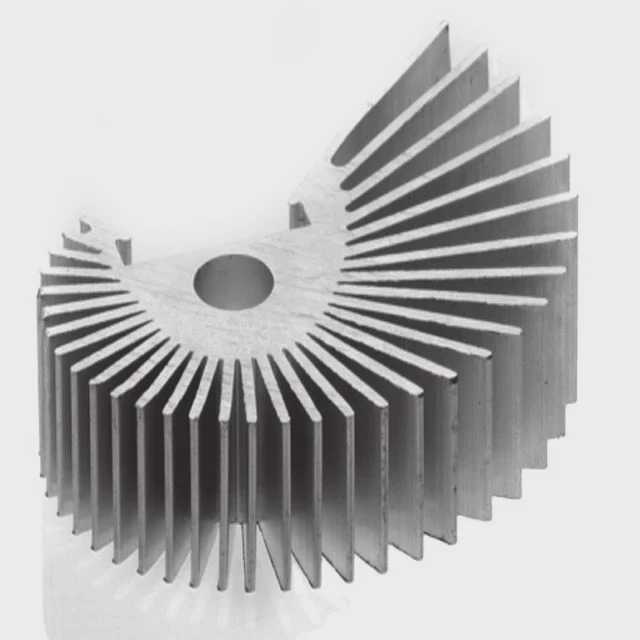
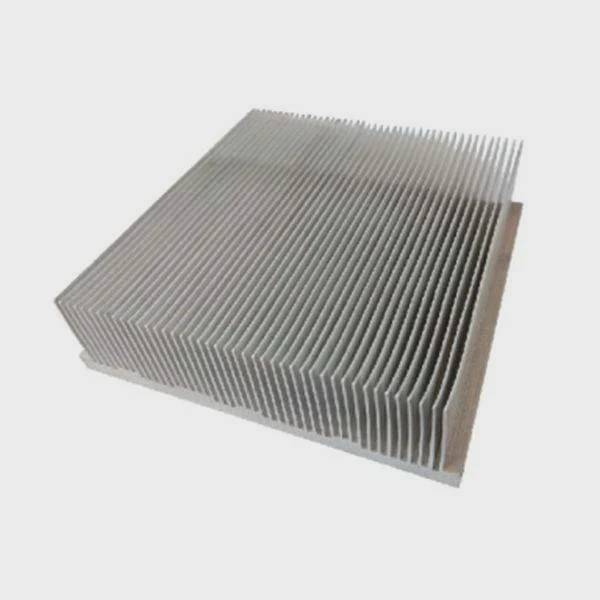
Passive heat sink design is evolving through better fin geometry, larger effective surface area, heat spreading bases, natural convection paths, lightweight structures, and manufacturing methods that allow more complex shapes.
Passive cooling is no longer simple metal
In the past, passive cooling often meant a block of aluminum with straight fins. That idea still works in many cases. But modern passive design is more careful. Engineers now study airflow direction, fin spacing, boundary layers, surface area, base thickness, contact resistance, and installation position. A passive heat sink can look simple, but the design logic behind it is often very detailed.
Natural convection is weak compared with forced air. So every detail matters. If fins are too close, warm air can get trapped. If fins are too thick, weight rises and surface area may not improve enough. If the base is too thin, heat may not spread to all fins. If the surface is too large but air cannot move, the extra metal does little.
Fin shape is changing
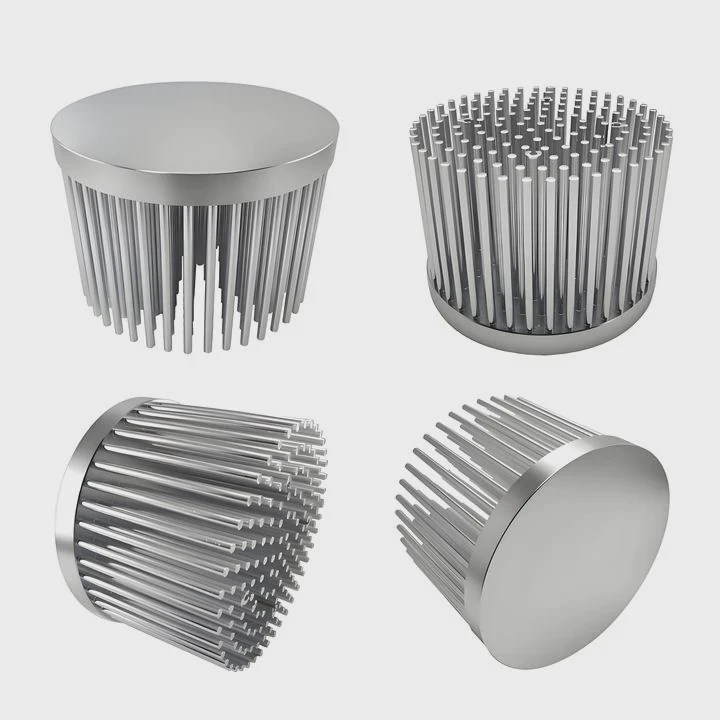
Passive fins are becoming more varied. Pin fins, flared fins, staggered fins, and curved channels are more common. These designs help air move with less resistance. Some shapes also work better when the product can be installed in different directions. This matters for telecom boxes, energy storage systems, industrial controls, and outdoor power devices.
Modern production also supports these shapes better. Die casting, extrusion, CNC, skiving, bonding, brazing, and additive methods all open different design paths. A good heat sink supplier does not push only one process. The process should fit the thermal target, size, volume, cost, and reliability need.
Surface treatment is part of the design
Surface finish is not only for appearance. Anodizing, coating, and texture can affect radiation and corrosion resistance. For outdoor or rail applications, corrosion resistance can be as important as heat transfer. A passive heat sink may face dust, humidity, salt mist, vibration, and long service life. So the upgrade trend is moving from “cooling part” to “reliable thermal structure.”
| Passive design upgrade | What it improves | Design risk |
|---|---|---|
| Optimized fin spacing | Better natural airflow | Too narrow can block air |
| Pin fin layout | Multi-direction cooling | Higher machining or casting demand |
| Skived fins | Thin fins and high surface area | Base flatness must be controlled |
| Heat spreading base | Lower hot spot temperature | Extra thickness adds weight |
| Surface treatment | Better durability and radiation | Coating must not harm contact areas |
Passive design needs system thinking
A passive heat sink cannot be judged alone. It depends on enclosure vents, board layout, heat source position, mounting force, thermal interface material, and ambient temperature. A heat sink that performs well on an open test bench may fail inside a sealed box.
This is why passive cooling is evolving toward early design involvement. Thermal design should start before the mechanical layout is frozen. When the cooling path is planned early, the heat sink can be smaller, lighter, and more reliable.
Do integrated solutions replace traditional heat sinks?
Traditional heat sinks are still useful. But many high-power systems now need more than a separate finned part attached at the end.
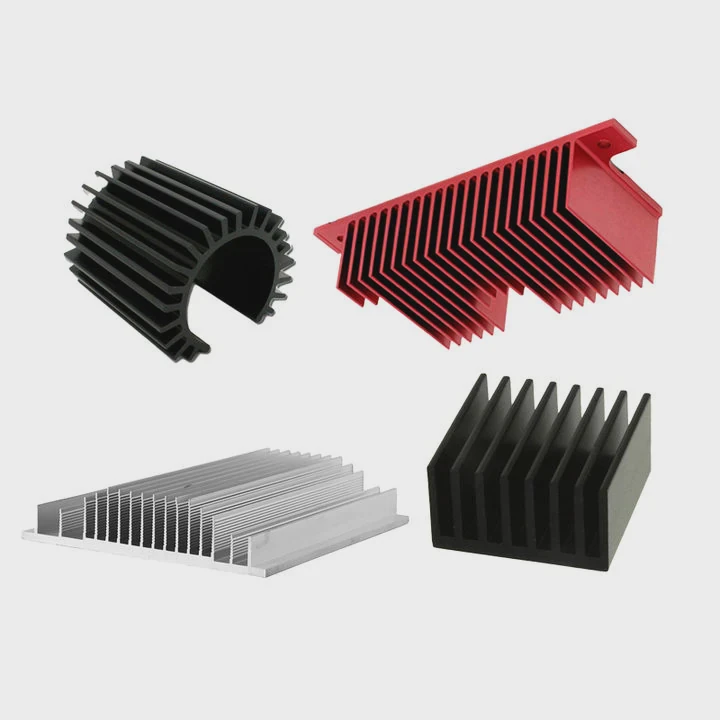
Integrated thermal solutions are replacing traditional heat sinks in high-power and space-limited applications. They combine heat spreading, structural support, liquid cooling, phase change parts, airflow channels, sealing, and testing into one module.
The heat sink is becoming a module
A traditional heat sink usually has one clear role. It takes heat from a device and transfers it to air. This works when heat density is moderate and the product has enough space. But new systems often do not have that comfort. Power modules, battery systems, rail electronics, 5G units, medical lasers, and semiconductor equipment need stable cooling under strict space and reliability limits.
So the heat sink is becoming a thermal module. The module may include a cold plate, base plate, fins, vapor chamber, heat pipe, housing, bracket, seal, sensor, and thermal interface design. This approach reduces assembly risk for the final equipment maker. It also makes testing easier because the cooling unit can be checked before it enters the customer’s system.
Liquid cooling is growing in high-power fields
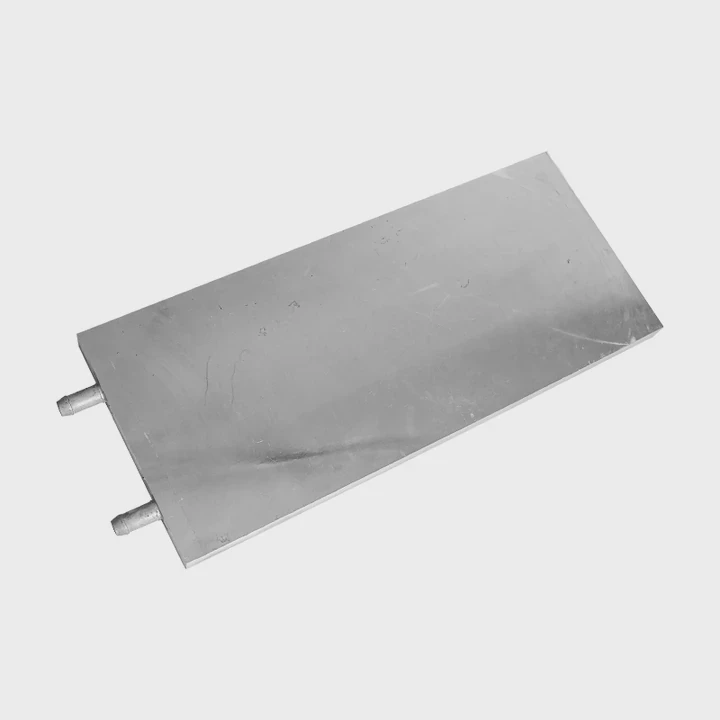
Liquid cooling plates are becoming more important because air has limits. A liquid cold plate can remove high heat loads from a compact area. It can also keep temperature more even across several devices. This matters when power electronics must stay within a narrow temperature range.
But liquid cooling is not automatically better. It brings new questions. The design must control pressure drop, flow balance, corrosion, sealing, leakage risk, and cleaning. The welding or brazing process must be stable. The channel design must match the pump and coolant. The final part must pass pressure and leak tests.
Integration reduces hidden failure points
Many thermal failures happen at interfaces. A surface is not flat enough. A screw force is uneven. A thermal pad is too thick. A pipe is bonded badly. A gasket ages too fast. When each part comes from a different supplier, these problems can be hard to control.
Integrated solutions reduce these hidden risks because the thermal path is designed as one chain. The supplier can test the full assembly. The customer receives a more complete unit. This can shorten development time, especially for OEM and ODM projects.
Traditional heat sinks will not disappear
Traditional heat sinks still have strong value. They are cost-effective, easy to produce, easy to inspect, and suitable for many products. The real change is application split. Simple devices will still use standard aluminum heat sinks. High-power and high-reliability devices will move toward custom modules.
So the better question is not whether integrated cooling will replace all heat sinks. It will not. The better question is where the heat sink must become part of a bigger thermal system. In those projects, integration is no longer optional. It is often the only way to meet performance, size, and reliability targets at the same time.
How is AI impacting heat sink design?
Heat sink design used to depend heavily on experience and repeated testing. That method still matters, but it can be slow.
AI is changing heat sink design by speeding up geometry search, simulation review, material comparison, airflow prediction, defect inspection, and test data analysis. It helps engineers find better options faster, but it does not replace engineering judgment.
AI makes early design faster
AI is useful because heat sink design has many variables. Fin height, fin thickness, spacing, base thickness, material, airflow direction, mounting pressure, and surface treatment all affect performance. When engineers adjust these items one by one, the process can take a long time. AI tools can help screen many design options in the early stage.
This does not mean AI gives a perfect answer. It means AI can reduce bad options faster. It can help show which shapes deserve deeper simulation. It can also help compare designs before a prototype is made. This can save time when the project has a tight schedule.
Simulation and AI work together
Thermal simulation is already common in serious heat sink development. AI can improve the workflow around simulation. It can help build design rules from past projects. It can predict which parameters have the largest impact. It can help engineers review large result sets and spot patterns.
For example, a team may test several fin layouts under different airflow speeds. AI can help compare temperature maps, pressure drop, and weight. It can also help find designs that meet both thermal and mechanical limits. This is useful because the best thermal design may not be the best product design. A part also needs strength, low cost, stable production, and easy assembly.
AI supports quality control
AI also affects manufacturing. Visual inspection systems can find surface defects, welding issues, fin damage, and assembly errors. Data models can track process drift. Test data can show when thermal resistance starts moving out of control. This is important for batch production because one good sample is not enough. Customers need stable performance across many parts.
Human judgment still leads the project
AI cannot fully understand every real-world constraint. It may suggest a shape that is hard to machine. It may miss a cleaning issue in a liquid channel. It may ignore how a customer installs the part. It may not understand certification needs or long-term field use.
So AI should be treated as a strong assistant, not a final decision maker. Engineers still need to check manufacturability, reliability, cost, and testing. The best results come when AI, simulation, prototype testing, and production experience work together.
In my own project notes, the most useful AI role is not magic design. It is faster comparison. It helps the team ask better questions earlier. That alone can reduce redesign work and make the final heat sink more practical.
Conclusion
Heat sink technology is moving from single metal parts to smarter thermal systems. Better materials, passive design upgrades, integrated modules, and AI tools all point to one goal: stable cooling in smaller, lighter, and more powerful products.