What Customs Documents Are Needed for Exporting Heat Sinks?
- Yongxing
- 06 Jul ,2026

Exporting heat sinks can look simple at first. Many buyers focus on product quality and price, but customs paperwork often causes unexpected delays, extra costs, and shipment holds.
The main customs documents needed for exporting heat sinks usually include export declarations, commercial invoices, packing lists, and transport documents. Depending on the destination country, additional certificates such as certificates of origin, compliance certificates, or industry-specific documents may also be required.
Understanding which documents are necessary before shipment helps avoid customs problems and keeps projects on schedule. The exact requirements depend on product classification, shipping method, and the regulations of the importing country. A clear documentation process can reduce risks and improve delivery reliability.
How to Prepare Export Declarations?
Export declarations are one of the most important documents in international trade. Many shipments experience delays because exporters submit incomplete information or use incorrect product classifications.
To prepare an export declaration, the exporter must provide accurate product descriptions, HS codes, shipment value, destination details, and exporter information. The declaration must match all supporting shipping documents.

Export declarations allow customs authorities to track goods leaving a country. In many cases, freight forwarders assist with the filing process, but the exporter remains responsible for the accuracy of the information.
What Information Must Be Included?
When preparing an export declaration for heat sinks, several key details are required:
| Required Information | Description |
|---|---|
| Product Description | Heat sink type, material, and application |
| HS Code | International customs classification code |
| Quantity | Number of units shipped |
| Shipment Value | Commercial value of goods |
| Exporter Details | Company name and address |
| Consignee Details | Buyer information |
| Country of Destination | Final importing country |
| Shipping Method | Air, sea, rail, or express courier |
Many exporters make the mistake of using vague descriptions such as “metal parts” or “electronic accessories.” Customs authorities prefer detailed descriptions like:
- Aluminum heat sinks for power electronics
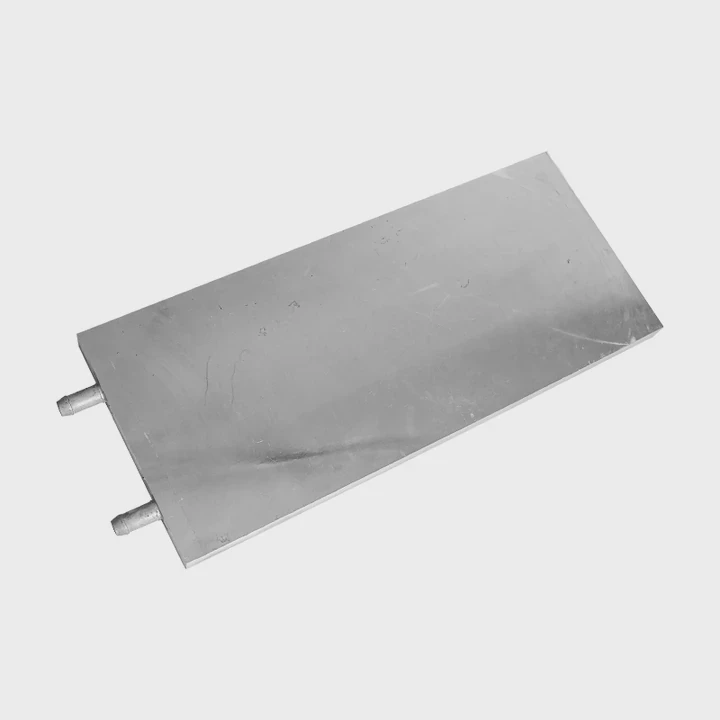
- Liquid cooling plates for energy storage systems
- Copper heat sink assemblies for industrial equipment
Specific descriptions reduce the chance of customs inspections.
Why HS Codes Matter
The Harmonized System (HS) code determines how customs authorities classify products. This classification affects:
- Import duties
- Trade statistics
- Customs clearance procedures
- Regulatory requirements
A wrong HS code may result in:
- Shipment delays
- Additional customs examinations
- Duty reassessments
- Financial penalties
For custom heat sinks, classification can vary depending on design, function, and integration into larger systems. It is important to verify the correct code before shipment.
Best Practices for Export Declaration Preparation
Many experienced exporters create a document checklist before every shipment.
A typical process includes:
- Confirm product specifications.
- Verify HS classification.
- Check shipment value.
- Review buyer information.
- Match declaration details with invoice and packing list.
- Coordinate with the freight forwarder.
This simple process reduces mistakes and helps ensure smooth customs clearance.
Do Invoices and Packing Lists Suffice?
Many first-time exporters believe a commercial invoice and packing list are enough for every shipment. In reality, customs requirements often extend beyond these two documents.
Commercial invoices and packing lists are essential, but they may not be sufficient. Additional documents can be required depending on the destination country, trade agreement, product category, and customer requirements.

The invoice and packing list form the foundation of most export shipments. Customs officials use them to verify product information and calculate duties.
What Is Included in a Commercial Invoice?
A commercial invoice serves as the primary financial document for customs valuation.
It normally contains:
- Seller information
- Buyer information
- Invoice number
- Invoice date
- Product description
- Unit price
- Total value
- Currency
- Country of origin
- Incoterms
The information must be accurate and consistent with all other shipment documents.
What Is Included in a Packing List?
The packing list focuses on physical shipment details.
Typical contents include:
- Package quantity
- Carton dimensions
- Gross weight
- Net weight
- Packaging type
- Item quantities per package
Customs inspectors often compare packing lists with physical cargo during inspections.
Common Situations Where Additional Documents Are Needed
The following table shows common export scenarios and possible extra documentation requirements.
| Situation | Possible Additional Documents |
|---|---|
| Preferential trade agreement | Certificate of Origin |
| Government project | Compliance certificates |
| Railway industry customer | Quality certifications |
| Aerospace application | Material traceability reports |
| Medical equipment application | Product testing records |
| Large industrial project | Technical specifications |
Many European, American, and Japanese buyers request additional supporting documents even when customs authorities do not require them.
Why Documentation Consistency Matters
One lesson learned through international manufacturing projects is that customs authorities often compare multiple documents side by side.
For example:
- Invoice shows 500 units.
- Packing list shows 480 units.
- Export declaration shows 520 units.
Even a small mismatch can trigger questions.
Good exporters perform a final review before shipping. Every quantity, weight, product description, and value should match across all documents.
This extra verification step often prevents costly delays later.
Which Certificates May Be Required?
Many heat sink exporters discover that customs clearance depends not only on shipping documents but also on supporting certificates. The required certificates vary by country, industry, and customer expectations.
Common certificates may include Certificates of Origin, quality certifications, material certifications, compliance documents, and customer-specific testing reports. The exact requirement depends on the importing country’s regulations and the end-use industry.

For industrial heat sinks used in sectors such as rail transportation, energy storage, telecommunications, and medical equipment, documentation requirements are often stricter than those for standard consumer products.
Certificate of Origin
A Certificate of Origin identifies where the goods were manufactured.
Importers often request this document because it can affect:
- Duty rates
- Trade agreement eligibility
- Customs processing
Some countries grant reduced import duties when products originate from countries covered by free trade agreements.
Material Certifications
Many industrial customers require proof of material composition.
Examples include:
- Aluminum alloy certificates
- Copper purity reports
- Material test certificates
- Mill certificates
These documents help buyers verify that products meet engineering requirements.
Quality Management Certifications
International buyers frequently evaluate supplier certification systems before placing large orders.
Common certifications include:
- ISO 9001
- IATF 16949
- ISO 14001
These certifications demonstrate that the manufacturer follows structured quality and management processes.
Product Testing and Validation Reports
High-power thermal management applications often require evidence of product performance.
Examples include:
- Thermal resistance testing
- Reliability testing
- Environmental testing
- Pressure testing for liquid cooling plates
- Dimensional inspection reports
Customer-Specific Documentation
Different industries often have unique requirements.
Railway Industry
Railway customers may request:
- Welding certifications
- Reliability reports
- Traceability records
Energy Storage Industry
Energy storage customers may request:
- Cooling performance reports
- Pressure leakage testing
- Material compliance documentation
Medical Equipment Industry
Medical equipment manufacturers often require:
- Dimensional validation
- Material traceability
- Long-term reliability data
The key point is that certification requirements often come from customers as much as from customs authorities. Understanding buyer expectations early in the project helps avoid documentation gaps before shipment.
Can Regulations Differ by Destination Country?
Many exporters assume customs procedures are similar worldwide. In practice, each country maintains its own import regulations, documentation standards, and compliance requirements.
Yes, regulations can differ significantly by destination country. Customs authorities may require different declarations, certificates, product markings, compliance documents, or import licenses depending on local laws and industry regulations.
This is one of the most important factors in international heat sink exports. A document accepted in one market may be insufficient in another.
Differences in Customs Documentation
Countries often require different levels of documentation.
For example:
- One country may accept standard commercial documents.
- Another may require legalized certificates.
- A third may require electronic customs submissions before cargo arrival.
Failure to understand these differences can result in customs holds.
Regulatory Differences by Industry
The final application of the heat sink can also influence documentation requirements.
A heat sink used for:
- Consumer electronics
- Medical systems
- Rail transportation
- Defense equipment
- Telecommunications infrastructure
may face completely different compliance requirements.
Customs authorities sometimes review end-use information when determining documentation requirements.
Country-Specific Examples
United States
Importers often focus on:
- Accurate country of origin declarations
- Product classification accuracy
- Customs valuation consistency
European Union
Buyers frequently request:
- Origin documentation
- Material compliance declarations
- Technical records
Japan
Japanese customers often place strong emphasis on:
- Quality consistency
- Traceability
- Detailed inspection records
Middle East Markets
Some projects may require:
- Chamber certification
- Embassy legalization
- Additional trade documentation
Requirements can vary significantly from one country to another.
How Exporters Can Stay Compliant
The most reliable approach is to verify requirements before production is completed.
A practical process includes:
Step 1: Confirm Product Classification
Verify the HS code with customs specialists or freight partners.
Step 2: Review Customer Requirements
Ask buyers whether additional certificates are required.
Step 3: Verify Import Regulations
Check destination-country customs requirements before shipment.
Step 4: Prepare Supporting Documents Early
Gather certificates during production rather than after shipment.
Step 5: Conduct a Final Documentation Audit
Review every document before cargo departure.
Many successful exporters treat documentation preparation as part of product quality management. The shipment is not truly complete until customs paperwork is accurate and complete.
Conclusion
Exporting heat sinks requires more than a commercial invoice and packing list. Accurate export declarations, proper certificates, and country-specific compliance documents play a critical role in successful customs clearance. Careful preparation helps reduce delays, lower risks, and ensure smooth international delivery.