What Energy-Saving Heat Sinks Are Available?
- Yongxing
- 07 Jul ,2026
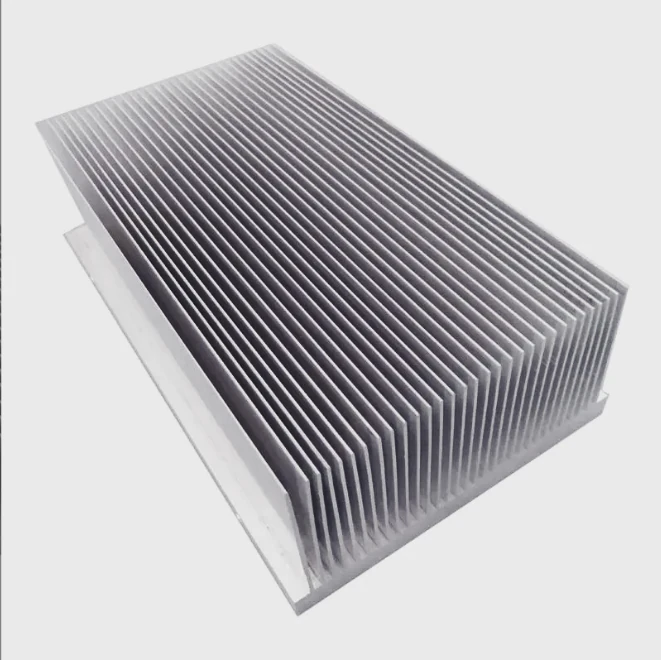
Many electronic systems waste energy because heat is not managed well. Excess heat increases power use, reduces efficiency, and shortens product life.
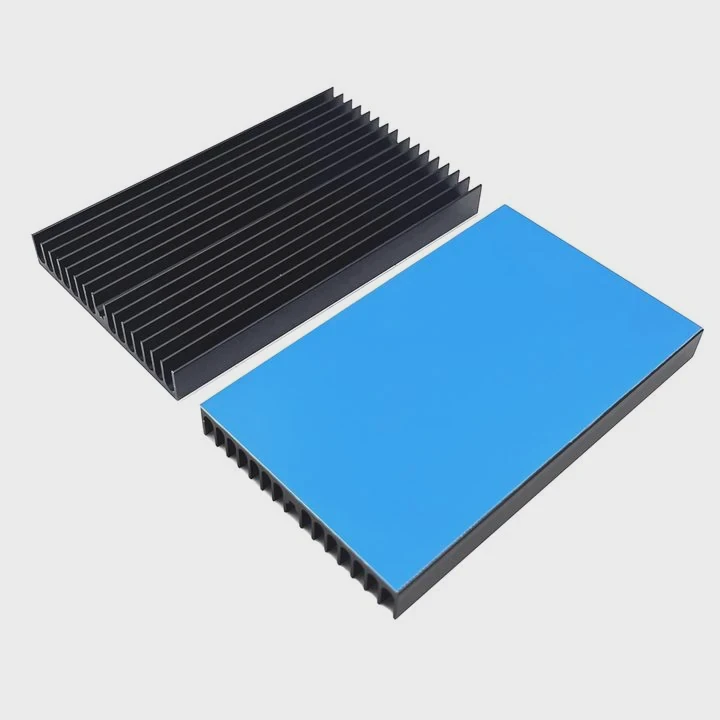
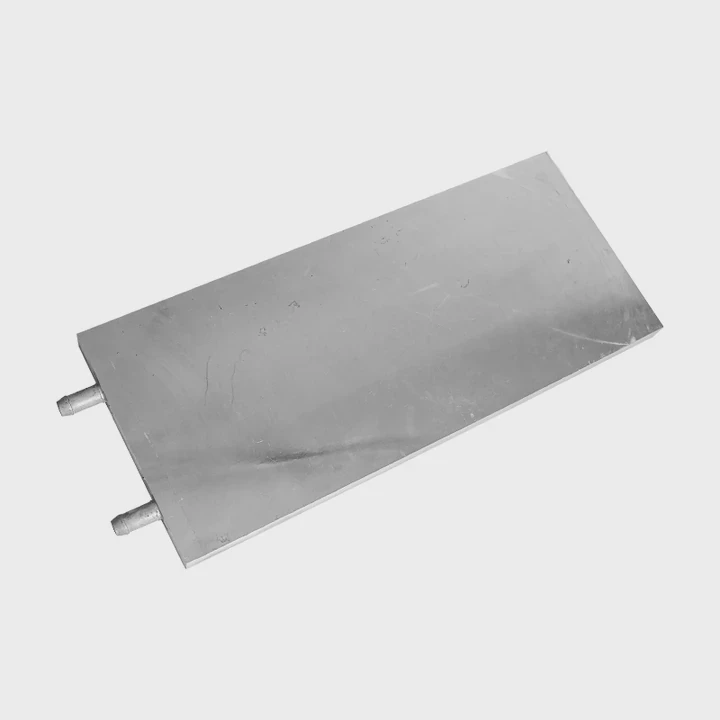
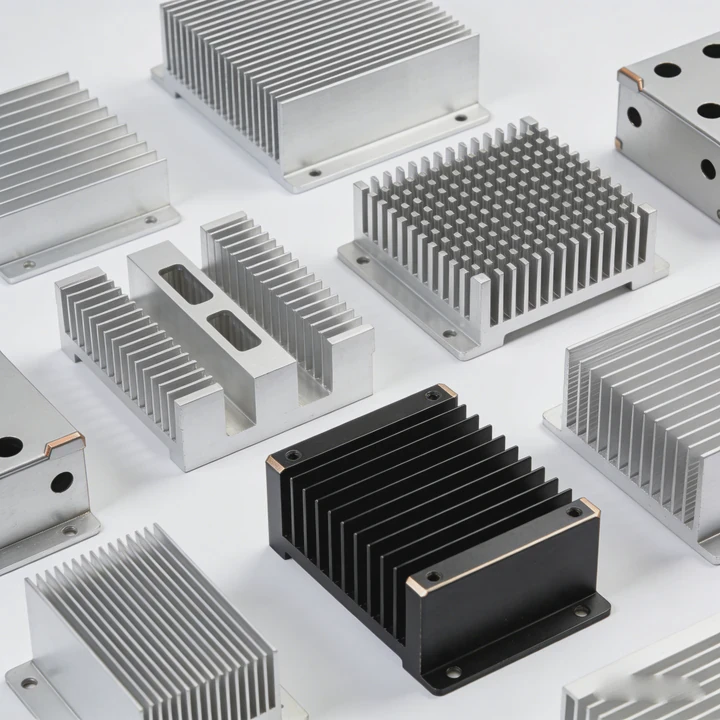
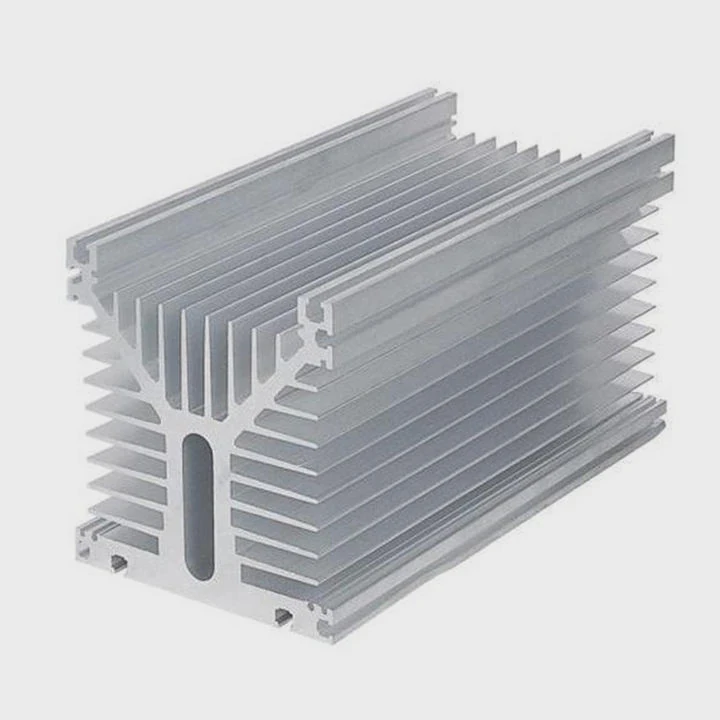
Energy-saving heat sinks are designed to improve thermal performance while reducing the need for extra cooling power. Common options include optimized aluminum heat sinks, micro-fin structures, vapor chamber heat sinks, phase-change cooling devices, and liquid-cooled thermal modules that move heat more effectively with less energy consumption.
Many engineers focus on processor speed, power output, or system size. Yet thermal management often has a direct impact on energy efficiency. Better heat dissipation can lower fan speeds, reduce cooling loads, improve component reliability, and help systems meet strict energy targets. Understanding which heat sink technologies deliver the best balance between cooling performance and energy savings is becoming more important across many industries.
How Do Low-Power Systems Benefit?
Small electronic devices often face a simple problem. They have limited space for cooling, yet they still generate heat that can reduce performance and reliability.
Low-power systems benefit from energy-saving heat sinks because efficient thermal designs remove heat without requiring large fans or active cooling devices. This reduces power consumption, extends component life, and improves overall system stability.
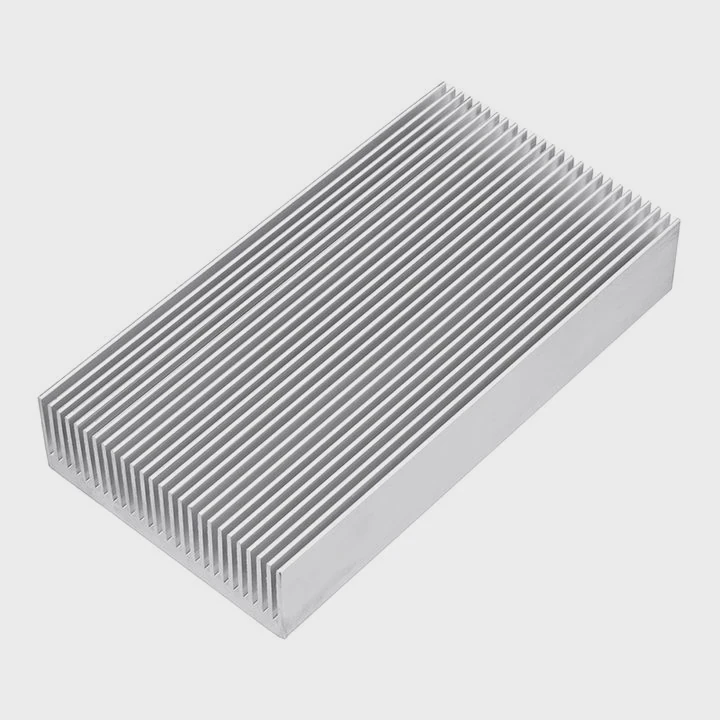
Many people assume low-power systems produce little heat and therefore need little thermal management. In practice, even a small amount of heat can become a serious issue when electronics are compact. Embedded controllers, communication modules, medical instruments, and battery-powered equipment often operate in enclosed environments where airflow is limited.
Why Passive Cooling Matters
In many projects, passive cooling offers the most direct path to energy savings. A properly designed heat sink can transfer heat into the surrounding air without using electrical power.
Benefits include:
| Benefit | Impact on System |
|---|---|
| No fan power consumption | Lower energy use |
| No moving parts | Higher reliability |
| Reduced maintenance | Lower operating cost |
| Less noise | Better user experience |
When working with customers in industrial electronics, thermal design often starts with a simple question: can the system operate without a fan? If the answer is yes, long-term energy savings can be significant.
Lower Operating Temperatures Improve Efficiency
Electronic components generally operate more efficiently at lower temperatures. High temperatures increase electrical resistance and may lead to power losses.
A heat sink that keeps temperatures under control can help:
- Maintain stable voltage regulation
- Reduce thermal throttling
- Improve battery efficiency
- Extend semiconductor lifespan
In battery-powered devices, every watt matters. A thermal solution that removes heat efficiently can help reduce unnecessary energy consumption across the entire product lifecycle.
Compact Systems Need Smart Designs
Modern low-power systems continue to shrink. Designers want smaller products without sacrificing performance.
This creates demand for:
- High-surface-area aluminum heat sinks
- Vapor chamber heat spreaders
- Lightweight extrusion structures
- Integrated thermal modules
The goal is not simply to cool the device. The goal is to achieve cooling with the lowest possible energy cost. That principle drives many of today’s energy-saving heat sink developments.
Are Finless or Micro-Fin Designs Efficient?
Many engineers struggle with the choice between simple heat sink structures and more advanced fin geometries. Selecting the wrong design can increase cost without delivering meaningful thermal improvements.
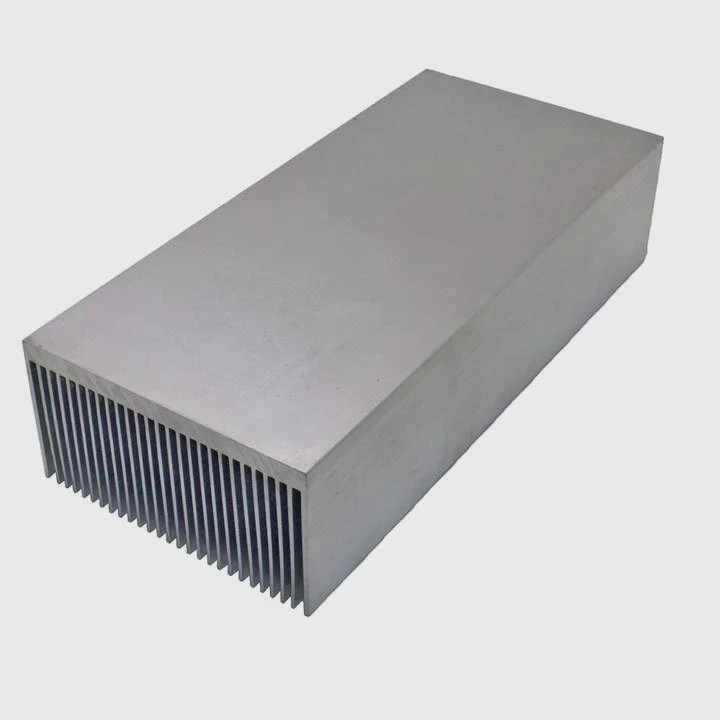
Both finless and micro-fin heat sink designs can be energy efficient when matched to the correct application. Finless designs reduce airflow resistance and maintenance needs, while micro-fin structures increase surface area and improve heat dissipation in compact systems.
The answer depends on system requirements. There is no universal solution that works for every application.
Understanding Finless Heat Sinks
A finless heat sink relies on a larger solid surface rather than numerous thin fins.
Advantages include:
- Easier manufacturing
- Better resistance to dust buildup
- Lower maintenance requirements
- Strong mechanical durability
These designs are common in harsh industrial environments. Dust, oil, moisture, and contaminants can reduce the effectiveness of traditional fin arrays. A simpler structure often performs better over the long term.
Understanding Micro-Fin Heat Sinks
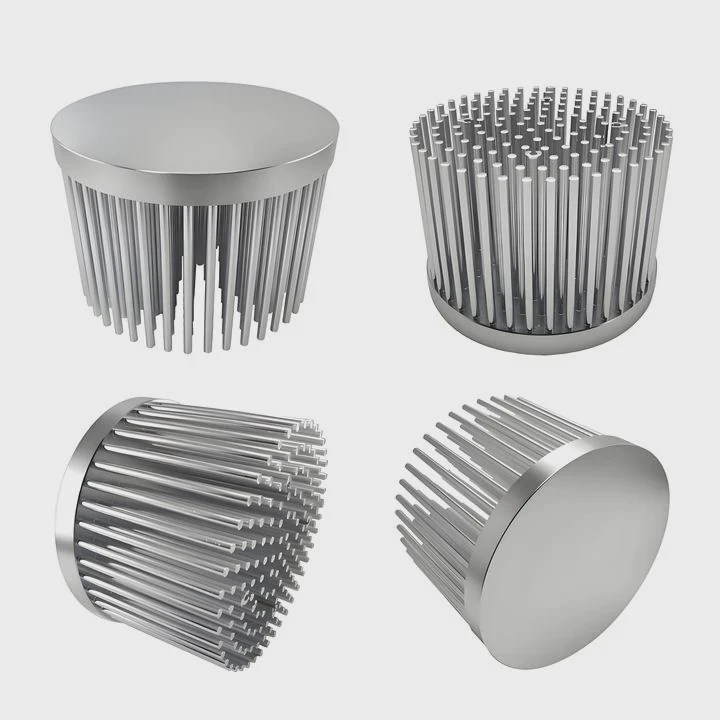
Micro-fin designs use many small fins to dramatically increase surface area.
Benefits include:
- Higher heat transfer rates
- Better cooling in limited space
- Improved natural convection performance
- Reduced thermal resistance
The increased surface area allows more heat to move into the surrounding air.
Comparing the Two Approaches
| Feature | Finless Design | Micro-Fin Design |
|---|---|---|
| Surface Area | Lower | Higher |
| Manufacturing Complexity | Low | Medium to High |
| Dust Resistance | Excellent | Moderate |
| Cooling Capacity | Moderate | High |
| Space Efficiency | Moderate | Excellent |
The Role of Airflow
Heat sink efficiency is not determined by fin count alone.
Several factors affect performance:
Air Velocity
Natural convection favors wider fin spacing. Forced airflow can support denser fin arrangements.
Thermal Load
Low-power devices may not require highly complex fin structures.
Environmental Conditions
Outdoor and industrial systems often prioritize durability over maximum thermal performance.
In many projects, micro-fin structures provide the best thermal performance per unit volume. Yet some applications gain more value from a simple, robust finless solution that maintains stable performance over many years.
The most energy-efficient design is often the one that balances thermal requirements, airflow conditions, maintenance expectations, and manufacturing cost.
Do Coatings Improve Heat Transfer?
Many buyers focus only on heat sink material. Aluminum and copper receive most of the attention. Yet surface treatments can also influence thermal performance.
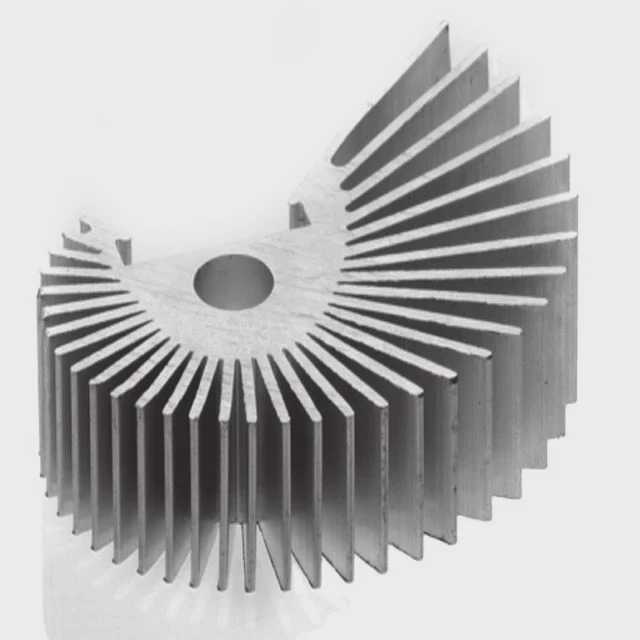
Certain coatings can improve heat transfer by increasing surface emissivity and enhancing radiative cooling. The effectiveness depends on coating type, operating temperature, and environmental conditions.
Heat transfer occurs through three main mechanisms:
- Conduction
- Convection
- Radiation
Most heat sink discussions focus on conduction and convection. Radiation often receives less attention, but coatings can influence this part of the thermal process.
How Surface Emissivity Works
Emissivity measures how effectively a surface emits thermal radiation.
A higher emissivity value allows more heat to leave the surface through radiation.
For example:
- Bare aluminum has relatively low emissivity.
- Black anodized aluminum has much higher emissivity.
- Specialized thermal coatings can increase emissivity further.
Common Heat Sink Coatings
Black Anodizing
Black anodized aluminum remains one of the most popular options.
Benefits include:
- Improved radiation performance
- Corrosion resistance
- Attractive appearance
- Long service life
Ceramic Coatings
Ceramic thermal coatings provide electrical insulation while maintaining thermal performance.
These coatings are often used in:
- Power electronics
- Railway systems
- Medical equipment
High-Emissivity Thermal Coatings
Specialized coatings are designed specifically for thermal management applications.
Advantages include:
- Enhanced radiative cooling
- Stable performance at elevated temperatures
- Protection against environmental exposure
When Coatings Deliver Real Benefits
Coatings provide the greatest improvement under certain conditions.
Natural Convection Systems
Passive cooling systems often gain the most from increased emissivity.
High Ambient Temperatures
Radiative heat transfer becomes more important as temperatures rise.
Enclosed Equipment
Systems with limited airflow can benefit from additional radiation-based cooling.
Practical Expectations
It is important to remain realistic. Coatings rarely transform a poor thermal design into an excellent one.
The greatest performance improvements still come from:
- Better heat sink geometry
- Larger surface area
- Improved material selection
- Reduced thermal resistance
Coatings should be viewed as an optimization tool rather than a complete solution. When combined with a strong thermal design, they can contribute meaningful energy savings and improved cooling efficiency.
Which Industries Prioritize Energy Efficiency?
Energy costs continue to rise across the world. At the same time, environmental regulations are becoming stricter. Many industries now treat thermal efficiency as a key design objective rather than an optional feature.
Industries that prioritize energy efficiency include renewable energy, electric vehicles, rail transportation, telecommunications, data centers, medical equipment, and industrial automation. These sectors rely on advanced heat sinks to reduce cooling power consumption while maintaining reliable operation.
Different industries pursue energy-efficient thermal management for different reasons. Some seek lower operating costs. Others focus on reliability, sustainability, or regulatory compliance.
Renewable Energy Systems
Solar inverters and energy storage systems generate significant heat during operation.
Efficient heat sinks help:
- Reduce cooling power requirements
- Improve conversion efficiency
- Extend equipment lifespan
- Lower maintenance costs
Thermal management directly affects energy output and profitability in renewable energy installations.
Electric Vehicles and Battery Systems
Electric vehicles depend heavily on thermal control.
Heat sinks support:
- Battery cooling
- Power electronics cooling
- Motor controller protection
- Fast charging reliability
Every watt saved in cooling can contribute to improved vehicle efficiency and extended driving range.
Rail Transportation
Railway systems often operate under demanding environmental conditions.
Engineers prioritize:
- Long-term reliability
- Low maintenance
- Stable thermal performance
- Energy-efficient operation
Advanced aluminum heat sinks, vapor chambers, and liquid-cooled modules are increasingly used in onboard electronics and power systems.
Telecommunications and 5G Infrastructure
Modern communication equipment handles enormous data loads.
Thermal challenges continue to grow because:
- Power density increases
- Equipment size decreases
- Network uptime requirements remain strict
Energy-efficient heat sinks help operators reduce cooling costs across large infrastructure deployments.
Data Centers
Data centers represent one of the fastest-growing thermal management markets.
Cooling can account for a substantial share of total facility power consumption.
Operators seek:
- Lower PUE values
- Reduced fan energy
- Improved server efficiency
- Sustainable operation
Advanced heat sink technologies help reduce cooling demand while supporting higher computing performance.
Medical Equipment
Medical systems require both reliability and efficiency.
Applications include:
- Imaging equipment
- Diagnostic devices
- Laser systems
- Portable medical instruments
Efficient cooling helps maintain precise operation while minimizing energy consumption.
Industrial Automation
Factories increasingly rely on intelligent electronics.
Common applications include:
- Motor drives
- Power supplies
- Robotics
- Process control systems
Energy-efficient thermal solutions support continuous operation while reducing operating expenses.
Emerging Trends
Several trends continue to drive demand for energy-saving heat sinks:
Higher Power Density
More power is being packed into smaller devices.
Sustainability Goals
Manufacturers face increasing pressure to reduce carbon emissions.
Electrification
Transportation, industry, and infrastructure continue moving toward electrified systems.
Advanced Manufacturing
Processes such as vacuum brazing, friction stir welding, laser welding, and vapor chamber integration allow new thermal designs that deliver greater efficiency than traditional solutions.
As these trends continue, energy-saving heat sinks will become even more important. Thermal management is no longer just about preventing overheating. It has become a critical factor in overall system efficiency, operating cost, and long-term sustainability.
Conclusion
Energy-saving heat sinks help modern systems achieve better thermal performance with lower power consumption. From passive cooling designs and micro-fin structures to advanced coatings and integrated thermal modules, efficient heat sinks support reliability, sustainability, and long-term energy savings across many industries.