
Is hard anodized aluminum cookware safe?
- Yongxing
- 07 Apr ,2026
Many people worry that aluminum cookware may harm health. News and online debates often make this fear stronger. This leaves buyers confused and unsure what is truly safe.
Hard anodized aluminum cookware is generally safe because the anodized layer seals the surface, prevents aluminum leaching, and creates a stable, non-reactive cooking surface.
Understanding how anodizing works helps remove fear. It also helps people choose cookware with confidence and use it in the right way.
What is hard anodized aluminum cookware?
Many people hear the term “hard anodized” but do not know what it means. This lack of clarity makes it hard to trust the product.
Hard anodized aluminum cookware is aluminum that has gone through an electrochemical process to create a thick, durable oxide layer that is harder, non-reactive, and resistant to corrosion.
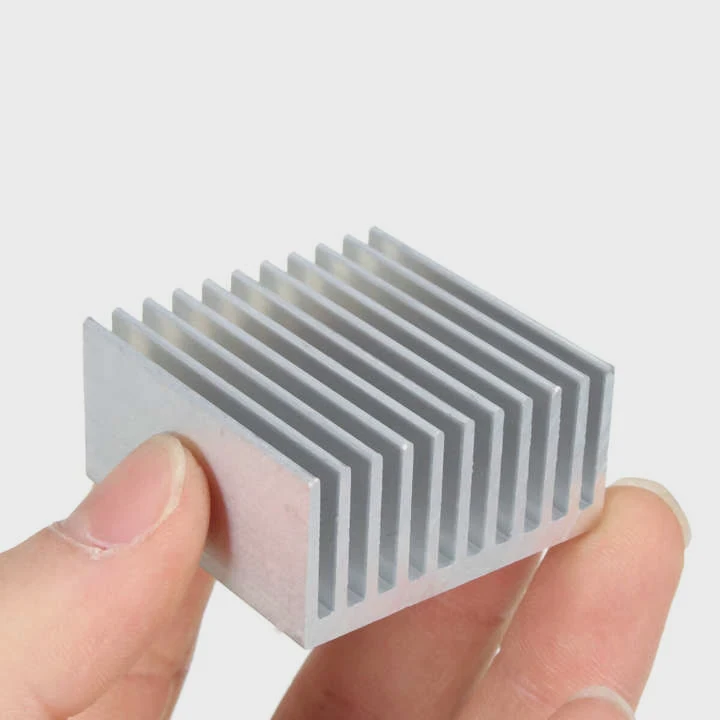
Hard anodizing is not just a coating. It is a controlled oxidation process. The aluminum surface reacts with oxygen under an electric current. This creates a dense aluminum oxide layer.
How the process works
The cookware is placed in an acid bath. Then an electric current passes through it. This causes the surface to oxidize in a controlled way.
The result is:
- A thick oxide layer
- Strong surface hardness
- Improved corrosion resistance
Key properties of hard anodized cookware
| Property | Description |
|---|---|
| Surface hardness | Much harder than raw aluminum |
| Corrosion resistance | High resistance to rust and wear |
| Non-reactivity | Does not react with acidic foods |
| Durability | Long service life |
Why it is different from regular aluminum
Regular aluminum is soft and reactive. It can scratch easily and react with acidic foods like tomatoes.
Hard anodized aluminum solves these problems:
- The surface becomes much harder
- The pores are sealed
- The metal underneath is protected
Industrial perspective
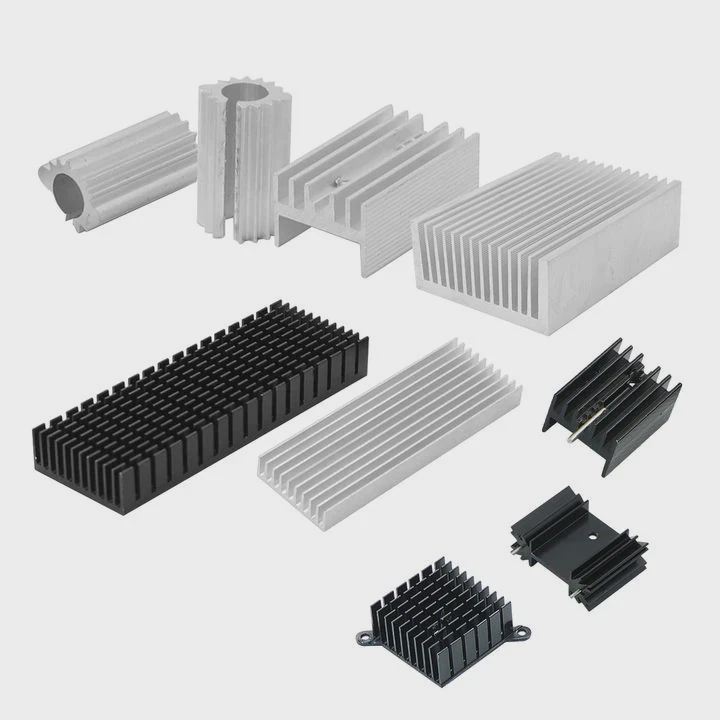
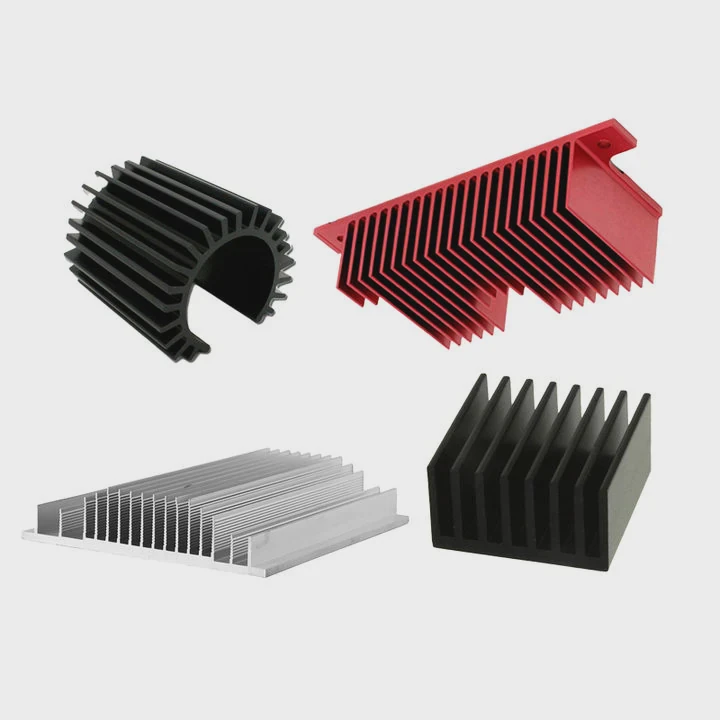
In thermal management and engineering fields, anodizing is also used to improve surface performance. It increases durability and protects the base material.
This same principle applies to cookware. It is not just about cooking. It is about material stability and surface engineering.
Does anodized coating prevent leaching?
Many people fear that aluminum may enter food during cooking. This concern is one of the biggest reasons people avoid aluminum cookware.
Yes, the anodized layer acts as a barrier that prevents aluminum from leaching into food under normal cooking conditions.
Leaching happens when metal ions move into food. This usually occurs when the surface is reactive or damaged.
How anodizing prevents leaching
The anodized layer is made of aluminum oxide. This material is:
- Chemically stable
- Non-reactive
- Strong and dense
This layer separates food from the base aluminum.
Surface sealing effect
After anodizing, the surface is often sealed. This closes microscopic pores.
This improves:
- Chemical resistance
- Food safety
- Durability
When leaching could happen
Leaching is unlikely, but not impossible. It may occur if:
- The surface is deeply scratched
- The coating is worn out
- Strong alkaline cleaners are used
Comparison of cookware surfaces
| Cookware Type | Leaching Risk | Reason |
|---|---|---|
| Raw aluminum | High | Reactive surface |
| Anodized aluminum | Very low | Protective oxide layer |
| Stainless steel | Very low | Stable alloy surface |
Real-world usage
In daily cooking, anodized cookware performs well with:
- Acidic foods
- High temperatures
- Frequent use
This is why it is widely used in both home kitchens and professional settings.
Is anodized aluminum non toxic?
Some people worry that aluminum exposure may affect health. This creates doubt about cookware safety.
Anodized aluminum cookware is considered non-toxic because the stable oxide layer prevents direct contact between aluminum and food.
Toxicity depends on exposure level. Small amounts of aluminum are naturally present in food and water.
Scientific understanding
Health organizations generally agree:
- Aluminum exposure from cookware is minimal
- The body can process small amounts safely
Role of anodized layer
The anodized surface reduces exposure even further. It creates a barrier that limits any transfer.
Safety comparison
| Material | Toxic Risk | Notes |
|---|---|---|
| Raw aluminum | Medium | Can react with food |
| Anodized aluminum | Low | Protected surface |
| Non-stick coatings | Low | Depends on coating condition |
Misconceptions
Some myths link aluminum cookware to diseases. However, current evidence does not support strong links under normal use.
Practical view
From an engineering point of view, anodized aluminum is a controlled and stable material. It behaves predictably and safely when used correctly.
How to use anodized cookware safely?
Even safe materials need proper use. Many problems come from misuse, not the material itself.
To use anodized cookware safely, avoid metal utensils, prevent deep scratches, clean gently, and do not expose it to extreme conditions that damage the surface.
Safe use extends the life of cookware and keeps its protective layer intact.
Best practices
- Use wooden or silicone utensils
- Avoid abrasive cleaning tools
- Wash with mild detergent
- Dry after cleaning
What to avoid
- Steel wool or harsh scrubbing
- Strong alkaline cleaners
- Dishwashers (for some products)
Heat management
Hard anodized cookware handles heat well, but extreme overheating should be avoided.
Good habits include:
- Use medium heat for most cooking
- Do not heat empty cookware for long time
Surface care checklist
| Action | Recommendation |
|---|---|
| Cleaning | Mild soap and sponge |
| Utensils | Non-metal preferred |
| Storage | Avoid stacking damage |
| Heat level | Medium to high safe |
Long-term performance
With proper care, anodized cookware can last many years. The key is to protect the oxide layer.
In engineering, surface treatment defines product life. The same rule applies here. Good maintenance keeps performance stable over time.
Conclusion
Hard anodized aluminum cookware is safe when used correctly. Its protective oxide layer prevents leaching and ensures stability, making it a reliable choice for everyday cooking.




