What is cast aluminum?
- Yongxing
- 08 Apr ,2026
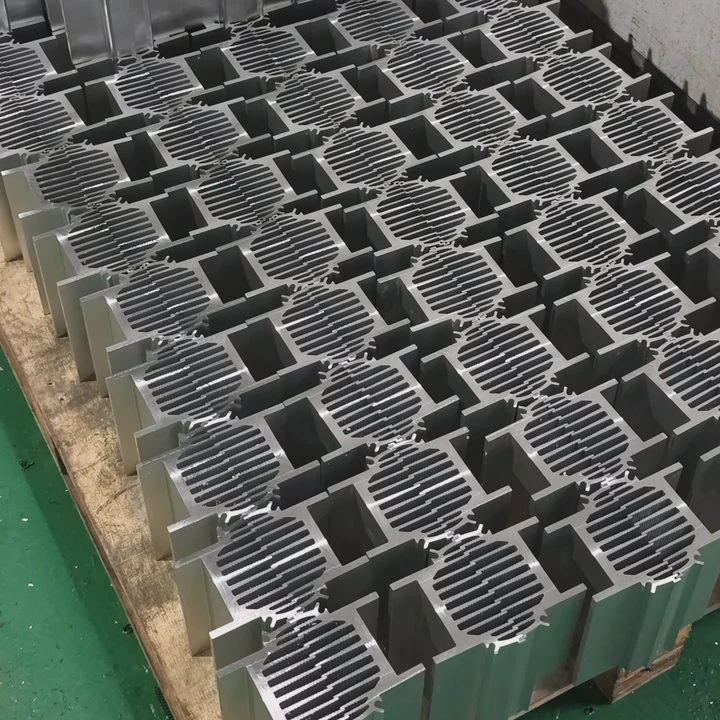
Many people hear about cast aluminum but do not fully understand it. This creates confusion when choosing materials for products or projects.
Cast aluminum is aluminum that is melted and poured into molds to form specific shapes. It is widely used because it allows complex designs, good thermal performance, and cost-efficient production.
Understanding how it works helps you choose the right material, especially in thermal management and industrial applications.
How is cast aluminum made?
Many users see finished aluminum parts but do not know how they are formed. This makes it hard to judge quality or performance.
Cast aluminum is made by melting aluminum, pouring it into a mold, letting it solidify, and then finishing the surface through machining or treatment.
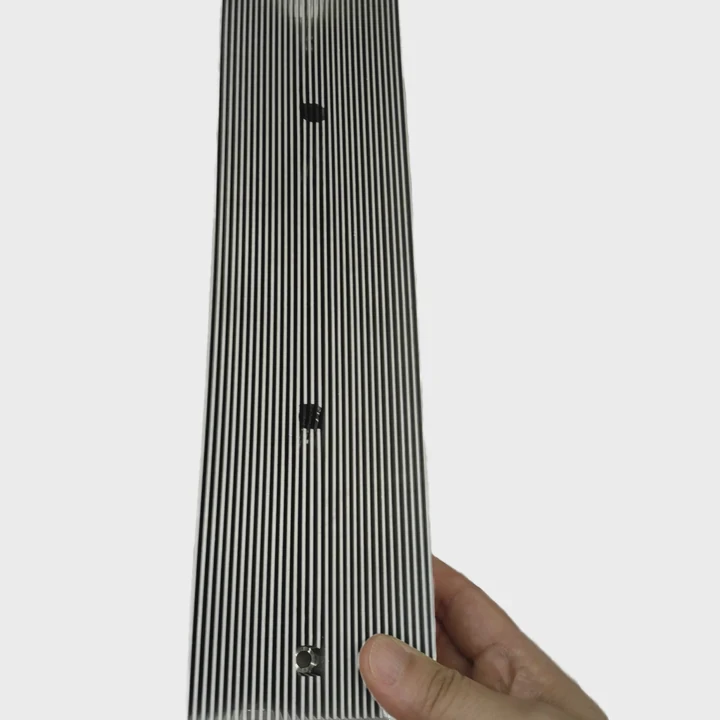
The process may look simple, but each step affects the final performance. Small changes in temperature or mold design can lead to big differences.
Step-by-step casting process
1. Melting aluminum
Aluminum is heated in a furnace until it becomes liquid.
- Temperature usually above 660°C
- Alloy elements may be added
- Impurities are removed
2. Mold preparation
The mold defines the final shape.
- Sand molds for low cost
- Die casting molds for precision
- Permanent molds for repeat production
3. Pouring
Molten aluminum is poured into the mold.
- Controlled speed prevents defects
- Air bubbles must be minimized
4. Cooling and solidification
The metal cools and becomes solid.
- Cooling rate affects strength
- Faster cooling gives finer structure
5. Finishing
After removal, parts go through finishing steps.
- Cutting and machining
- Surface treatment
- Heat treatment if needed
Common casting methods
| Method | ?? (Features) | Use Case |
|---|---|---|
| Sand Casting | Low cost, flexible | Large or simple parts |
| Die Casting | High precision, smooth | Mass production |
| Permanent Mold | Reusable molds | Medium volume production |
Practical insight
In thermal management projects, casting is often used for complex heat sink bases. It allows integrated structures that machining cannot easily achieve. However, casting alone may not provide the highest thermal conductivity, so hybrid processes are often used.
What are properties of cast aluminum?
Many engineers choose materials without fully understanding their properties. This can lead to performance issues later.
Cast aluminum has good corrosion resistance, moderate strength, excellent thermal conductivity, and the ability to form complex shapes, but it usually has lower mechanical strength than wrought aluminum.
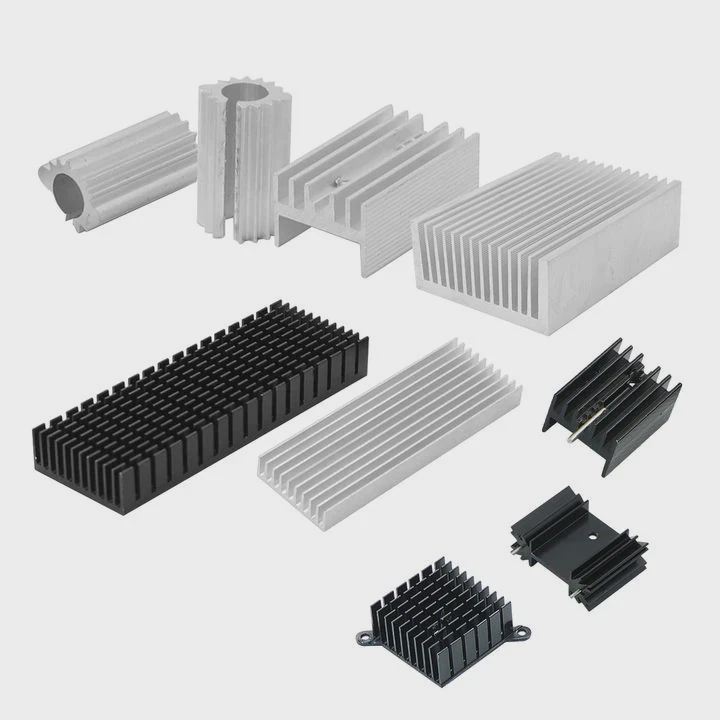
Each property comes from its internal structure. Because cast aluminum solidifies in a mold, its grain structure is different from rolled or extruded aluminum.
Key properties explained
1. Thermal conductivity
Cast aluminum conducts heat well.
- Not as high as pure aluminum
- Still suitable for heat dissipation
2. Corrosion resistance
It forms a natural oxide layer.
- Protects surface from rust
- Works well in outdoor environments
3. Mechanical strength
Strength depends on alloy and process.
- Lower than wrought aluminum
- Can be improved with heat treatment
4. Design flexibility
Casting allows complex shapes.
- Internal channels
- Thin walls
- Integrated structures
Property comparison
| Property | Cast Aluminum | Wrought Aluminum |
|---|---|---|
| Strength | Medium | High |
| Thermal Conductivity | Good | Very Good |
| Design Flexibility | Excellent | Limited |
| Cost Efficiency | High | Medium |
Deeper technical view
Microstructure impact
Casting creates a dendritic structure. This means the grains grow in tree-like shapes.
- Can trap small defects
- Affects mechanical strength
Porosity challenge
Gas or shrinkage can create pores.
- Reduces strength
- Affects sealing performance
Engineering solution
To solve these problems:
- Use vacuum casting
- Apply heat treatment
- Combine with machining
In real applications, engineers often balance between performance and cost. Cast aluminum is chosen when shape complexity matters more than maximum strength.
What is cast aluminum used for?
Many people see cast aluminum everywhere but do not realize its role. This leads to underestimating its importance.
Cast aluminum is widely used in automotive parts, heat sinks, machinery housings, electronics enclosures, and industrial components due to its flexibility and cost efficiency.
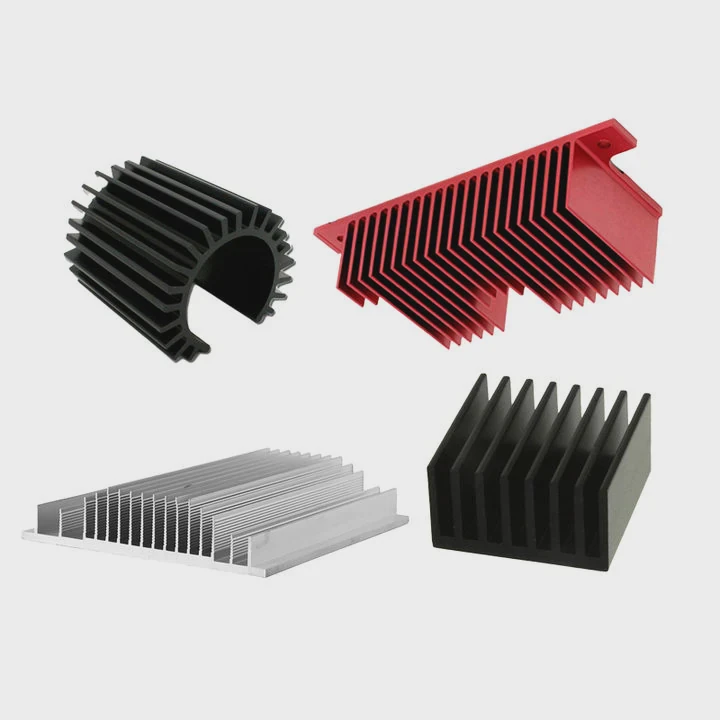
Its ability to form complex shapes makes it ideal for many industries.
Main application areas
1. Automotive industry
Cast aluminum is used in:
- Engine blocks
- Transmission housings
- Wheels
It reduces weight and improves fuel efficiency.
2. Thermal management systems
It is common in:
- Heat sink bases
- Cooling modules
- LED housings
However, for high-performance cooling, it is often combined with extruded or bonded fins.
3. Industrial equipment
Used for:
- Machine frames
- Pump housings
- Valve bodies
Durability and cost are key reasons.
4. Electronics and enclosures
Cast aluminum provides:
- Structural strength
- Heat dissipation
- EMI shielding
Application comparison
| Industry | Typical Product | Key Benefit |
|---|---|---|
| Automotive | Engine parts | Lightweight |
| Electronics | Enclosures | Heat dissipation |
| Industrial | Machinery housings | Durability |
| Energy | Cooling systems | Thermal efficiency |
Real-world perspective
In many projects, cast aluminum is not used alone. It works as part of a system. For example, a heat sink may use a cast base with bonded fins or heat pipes. This hybrid design improves performance while keeping cost under control.
Is cast aluminum stronger than wrought aluminum?
Many buyers assume all aluminum is the same. This leads to wrong material choices.
Cast aluminum is generally not stronger than wrought aluminum because its internal structure contains more defects and less uniform grain alignment.
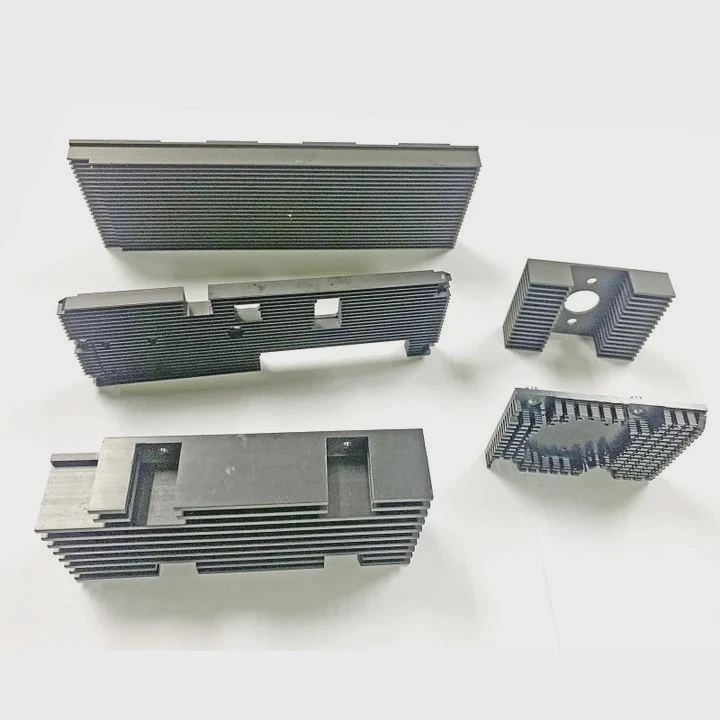
The difference comes from how the material is formed.
Key differences explained
1. Grain structure
- Cast aluminum: random grain structure
- Wrought aluminum: aligned grain structure
Aligned grains improve strength and toughness.
2. Defects
Casting may introduce:
- Porosity
- Shrinkage cavities
- Microcracks
Wrought processes reduce these defects.
3. Processing methods
Wrought aluminum is processed by:
- Rolling
- Extrusion
- Forging
These processes improve density and strength.
Strength comparison table
| Property | Cast Aluminum | Wrought Aluminum |
|---|---|---|
| Tensile Strength | Lower | Higher |
| Ductility | Lower | Higher |
| Reliability | Medium | High |
When to choose each
Choose cast aluminum when:
- Complex shapes are needed
- Cost is important
- Moderate strength is enough
Choose wrought aluminum when:
- High strength is required
- Structural performance is critical
- Precision is needed
Engineering insight
In thermal management, strength is not always the main factor. Heat transfer and design flexibility often matter more. That is why cast aluminum is still widely used in heat sink structures, even though it is not the strongest option.
Conclusion
Cast aluminum is a flexible and cost-effective material made by pouring molten aluminum into molds. It offers design freedom and good thermal performance, but lower strength than wrought aluminum. Choosing the right type depends on your application needs.